Sauternes wine: the sweet Bordeaux the world forgot
Sauternes wine is the strangest thing I stock: adored by everyone who tastes it, bought by almost nobody. I’ve had customers close their eyes over a glass of it in the shop and then not buy a bottle for two years. Sauternes is a sweet white wine from the far south-east corner of Bordeaux, made almost entirely from Semillon grapes left on the vine until a fungus called noble rot shrivels them and concentrates everything inside. It’s rich, golden, built to last decades — and, for reasons that have nothing to do with quality, deeply unfashionable. By the end of this you’ll know why it costs what it costs, what to reach for if that cost puts you off, and how to actually get a bottle open rather than just admiring it on the rack.
What type of wine is Sauternes?
Sauternes is a sweet white wine appellation dedicated entirely to that style — no dry Sauternes exists; anything dry made there has to be sold as plain Bordeaux. It’s roughly 80% Semillon, topped up with Sauvignon Blanc and a whisper of Muscadelle, and it depends on noble rot, Botrytis cinerea, doing its work on the grapes before they’re picked.
That rot needs a very particular weather trick. The cool Ciron river meets the warmer Garonne right in this pocket of Bordeaux, throwing up morning mists that cling to the vines. If the sun burns them off by midday, you get noble rot — shrivelling, concentrating sugar and flavour. If it stays damp too long, you get ordinary grey rot instead, which is just rot, full stop, and ruins the fruit.
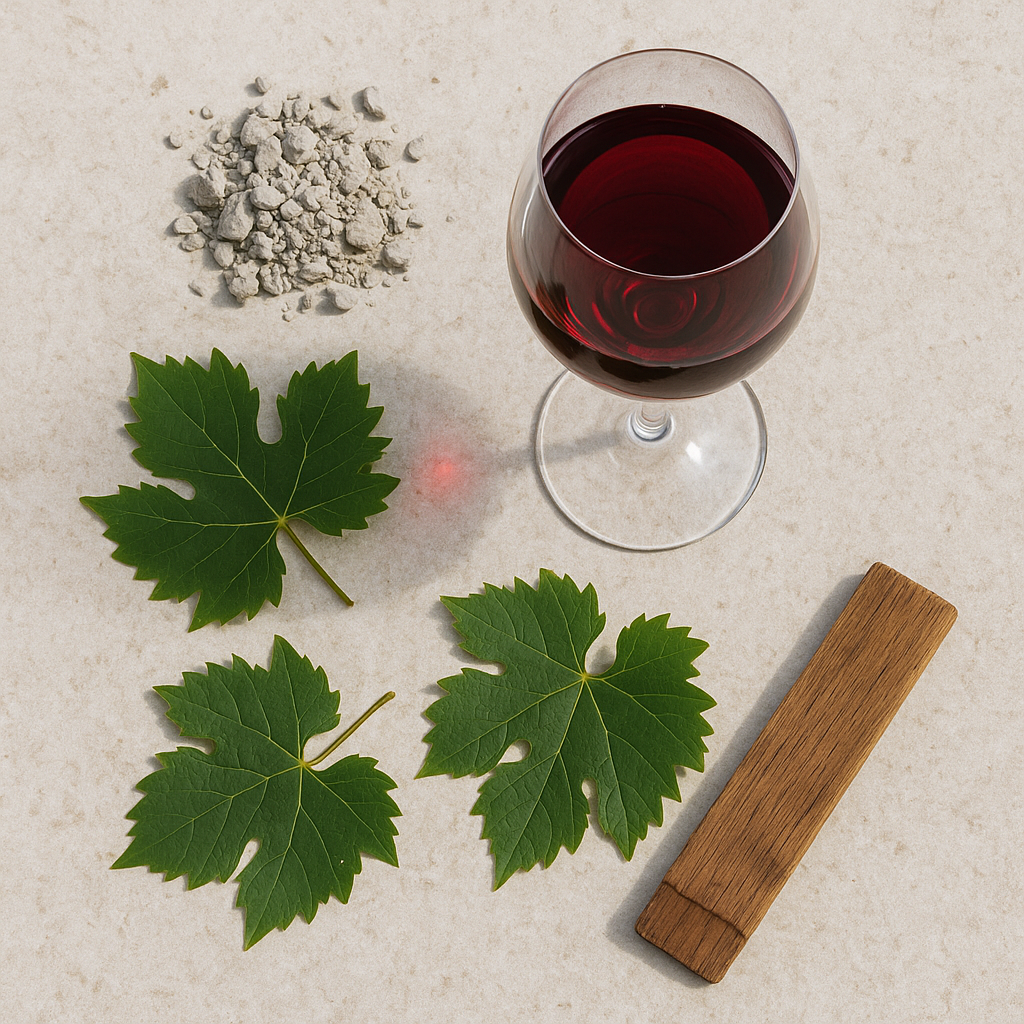
Five communes make it: Sauternes, Bommes and Fargues sit up on gravel-over-clay hills; Preignac is lower and flatter with lighter soil; Barsac has completely different ground, red loam over limestone, and is entitled to label its wine either Barsac or Sauternes. Sauternes is, by some distance, the biggest sweet wine appellation in Bordeaux — around half of all the region’s sweet wine comes from here. If Bordeaux’s wider classification business bewilders you, our Bordeaux without the intimidation: a merchant’s map is worth a detour before you go any further into the sweet stuff.
Why are Sauternes so expensive?
Because almost nothing about making it is efficient. Yields are capped at 25 hectolitres per hectare by law, but the top estates routinely come in well under 15, sometimes below 10 — a third or less of what a decent dry white vineyard might produce. Pickers walk the rows several times over, by hand, selecting only the grapes that have shrivelled properly that week. Then a large chunk of the wine goes into new oak barrels for up to three years, which is not a cheap habit.
And then there’s the weather risk sitting over the whole enterprise like a bad mood. Grapes have to hang on the vine well past a normal harvest date, waiting for that precise mist-then-sun combination. Get it wrong and you lose the crop. At one famous Sauternes estate, ten vintages haven’t been made at all since 1900 — the most recent as recently as 2012. That’s not a rounding error; that’s a whole year’s income gone.
Here’s the odd bit, though: despite all that cost, Sauternes hasn’t kept pace with red Bordeaux prices, and trade voices have been saying so for years. Demand has been soft for decades — pudding wine went out of fashion roughly the same time long lunches did — while red Bordeaux boomed. So you get this genuine paradox: a wine that’s expensive to make and widely admired by the people who taste it, but still turns up at auction offering real value, because so few people are actually drinking it. It’s not the only classic time seems to have forgotten — fortified Madeira: the immortal wine tells a similar story, and outlives an opened bottle of almost anything else in your cupboard.
What wine is comparable to Sauternes?
The closest thing to Sauternes is Sauternes by another name: Barsac. Same grapes, same noble rot process, but on limestone-over-clay rather than gravel, which tends to give a slightly lighter, more citrus-driven wine. Beyond that, Bordeaux has a whole ladder of sweet wine appellations at gentler prices, and a small Bergerac appellation called Saussignac making similar but lighter wine from the same varieties.
| Appellation | Style / quality | Typical price |
|---|---|---|
| Sauternes | Top tier, botrytis, full body | Mid to super-premium |
| Barsac | Equal quality, often lighter | Mid to super-premium |
| Sainte-Croix-du-Mont, Loupiac | Good to very good, botrytis or late-harvest | Inexpensive to mid |
| Premières Côtes de Bordeaux | Good to very good | Inexpensive to mid |
| Saussignac (Bergerac) | Similar, generally lighter | Small production |
Worth knowing too: basic sweet white Bordeaux, often labelled moelleux, isn’t the same craft at all. It’s usually made by simply stopping fermentation early with chilling, sulphur and filtration — no noble rot required, and demand for it has been falling for years. If the whole idea of sweet wine still makes you wary rather than curious, sweet wines for people who think they hate sweet wines is the better starting point than Sauternes itself.
How do you drink Sauternes?
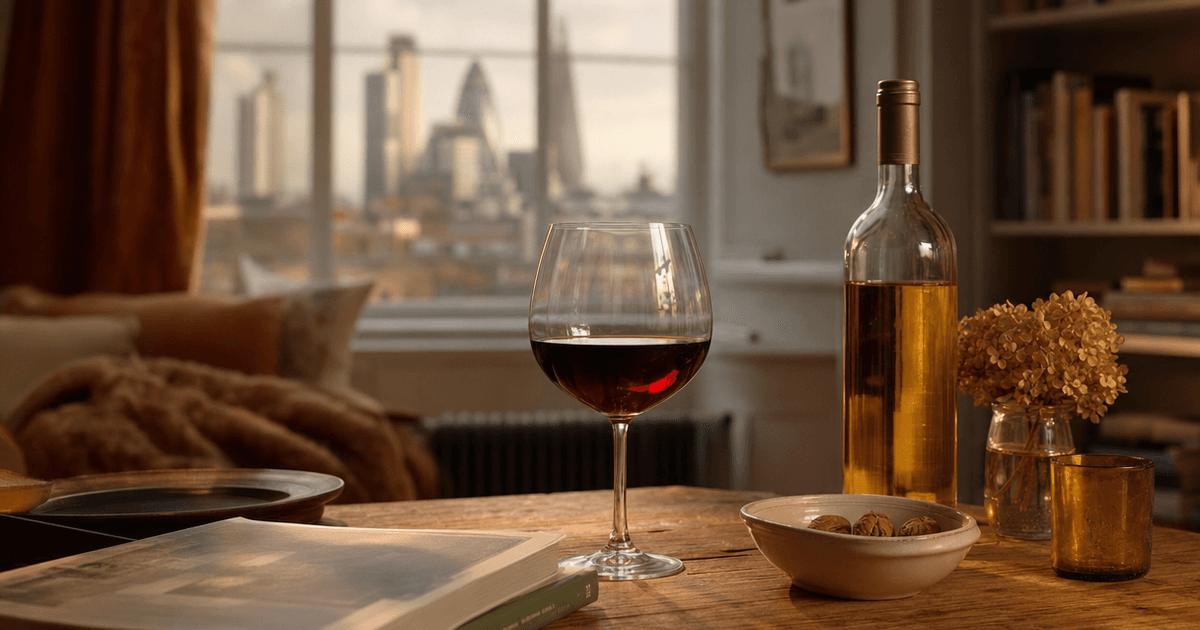
Serve it cool, not fridge-cold — properly chilled it goes numb and flat, all the honey and citrus peel character switches off. A small glass is right; this isn’t a wine you drink by the tumbler. And resist filing it under “pudding only”: the classic pairing is actually foie gras at the start of a meal, and it’s just as happy alongside blue cheese or something salty and nutty at the end.
Because of its natural acidity, tannin and sheer concentration, a good Sauternes can age in bottle for decades rather than years — this is not a wine you need to rush. That’s part of why half-bottles make sense: a little goes a long way at the table, and you’re not left staring down the last third of a full bottle wondering what to do with it.
If you’re opening something with real age on it, treat it the way you would an old red — stand the bottle up for a day beforehand, and don’t be afraid to decant it half an hour ahead if there’s sediment.
Questions customers ask us
Does Sauternes only work with dessert? Not really — it’s traditionally served at the start of a meal with foie gras, and works well with blue or aged cheeses too. Save the pairing with a rich fruit tart for when you fancy something more obviously sweet-on-sweet.
Is Barsac just cheaper Sauternes? Not cheaper exactly, but often a touch lighter thanks to its limestone soils. Quality can match Sauternes bottle for bottle — it’s really a stylistic choice, not a step down.
How long does an opened bottle keep? Sweet, concentrated wines like this generally hold up better once opened than a dry white, thanks to the sugar and acidity, but it’s still best drunk within a week or so once the cork’s out.
Why don’t more people drink it if it’s so good? Mostly fashion and habit — sweet wine fell out of step with drier, lighter eating decades ago, and old ideas about “pudding wine only” have stuck around longer than they deserve.
The merchant’s last word
I used to sell Sauternes wrong for years — always as an afterthought, always tucked at the end of a tasting when everyone was already reaching for their coats. It deserves better than that: open it early, pour it small, eat something salty alongside it. If any of this has you curious rather than cautious, come and browse the bordeaux cellar — I’ll happily point you to a half-bottle that won’t feel like a commitment.