Ask me for the best sweet wine red I’ve got for someone who swears they hate the stuff, and I won’t reach for whatever’s cheapest and stickiest on the shelf. I’ll pour a small glass of something with proper acid running through it and a bit of history behind the label — because this is a conversion job, and I’ve done it often enough to know the glass argues better than I do. Sweet red wine is red wine with meaningful sugar left over after fermentation — sugar the yeast didn’t get round to turning into alcohol. It ranges from barely-there off-dry blends to concentrated, dried-grape dessert styles, and it runs far wider than the Port shelf most people picture: still, delicate sweet reds exist too, and they’re often the ones that win the doubters. What separates the lovely ones from the cloying ones is acidity, not sugar — sugar makes a wine sweet, but only acidity makes it moreish. By the end of this you’ll know which sweet red suits the sceptic in your life, how to serve it so it actually lands, and where it sits if sugar is something you need to think about.
Which red wine type is the sweetest?
Fortified reds — Port and France’s vin doux naturels like Banyuls — sit at the sweeter end of the red wine world, alongside Italy’s dried-grape styles such as Recioto. Sweetness gets measured as residual sugar (RS): under 10 grams per litre is dry, 10-30 is off-dry, and past 30 you’re properly in sweet territory. Some dessert wines climb to 100 or even 150 grams per litre.
Trade opinion generally puts port and vin doux naturel among the sweetest reds you’ll find on a shop shelf, though exact figures vary a great deal from producer to producer and vintage to vintage — sugar isn’t fixed by style, only nudged in a direction. Recioto della Valpolicella, made in the Veneto from grapes dried for months before pressing, can run close behind; some batches even pick up a touch of noble rot along the way, the same fungus that concentrates flavour in the world’s great white dessert wines. If that dried-grape method interests you, it’s worth knowing Amarone comes from the same grapes and the same drying loft — just fermented fully dry instead. I’ve written more on that link in Amarone and the art of dried grapes.
Then there’s Girò, a pale, low-pigment Sardinian red that tastes far sweeter and richer than its light colour suggests — tasting notes describe candied cherry, milk chocolate, plums steeped in something strong. Deceptive glass, that one. Knowing which end of this scale you’re shopping at is half the battle; the other half is matching the style to the drinker, which is where we go next.
How to choose a sweet red you’ll actually enjoy
Don’t start with “sweet” as the whole brief — start with body and place. A big, structured fortified wine and a delicate, perfumed still red are both technically sweet, but they behave nothing alike in the glass. Here’s the shape of the main styles worth knowing:
| Style | Where it’s from | How it’s made | Character |
|---|---|---|---|
| Recioto della Valpolicella | Veneto, Italy | Grapes dried for months, then pressed and fermented | Rich, dried-cherry, sometimes lightly fizzy |
| Banyuls | Roussillon, France | Fortified vin doux naturel | Full-bodied, dark fruit, built for chocolate |
| Ruby or Tawny Port | Douro, Portugal | Fortified during fermentation | Sweet, warming, nutty in older tawnies |
| Moscato Rosa | Alto Adige/Trentino, Italy | Aromatic grape, sweet still wine | Intensely perfumed, floral, gentler on sugar |
| Brachetto (still) | Piedmont, Italy | Delicately sweet, still red | Light, fruity, easy-drinking |
If your sceptic’s complaint is “too sweet, too heavy,” start with still Brachetto or a Moscato Rosa — I’ve watched more reluctant drinkers won over by a small glass of Moscato Rosa than by anything else in the shop, partly because the perfume does half the persuading before it even touches the tongue. If they actually mean “I want pudding in a glass,” Banyuls or a Recioto with proper structure won’t disappoint. For a wider view of the fortified family Port and Banyuls both belong to, our guide to Port, Sherry, Madeira: the wines time forgot (your gain) covers the ground properly.
Worth saying too: the world’s most famous dessert wines are mostly white — Sauternes in Bordeaux, Tokaji in Hungary — and their reputations tend to overshadow the reds entirely. If you already like Sauternes, our piece on Sauternes: the sweet Bordeaux the world forgot is worth a read, though don’t assume red dessert wine tastes the same way — it doesn’t. Dried dark fruit and cocoa sit where honeyed citrus would in a Sauternes. If the table above has one bottle calling to you, that instinct is usually right — trust it and start there.
How to serve it so it wins people over
Temperature does more work than people credit. Serve a fortified red too warm and it turns heavy and blowsy; too cold and you mute the fruit entirely. A light chill — cellar-cool, not fridge-cold — suits most sweet reds, Port included once it’s open.
Pour small. These wines carry more concentration than an everyday glass of Merlot, so a proper measure is genuinely a small one — a taste, not a tumbler. That’s not me being precious about it; it’s just how the wine’s built, and it also means a bottle goes further across an evening than you’d think.
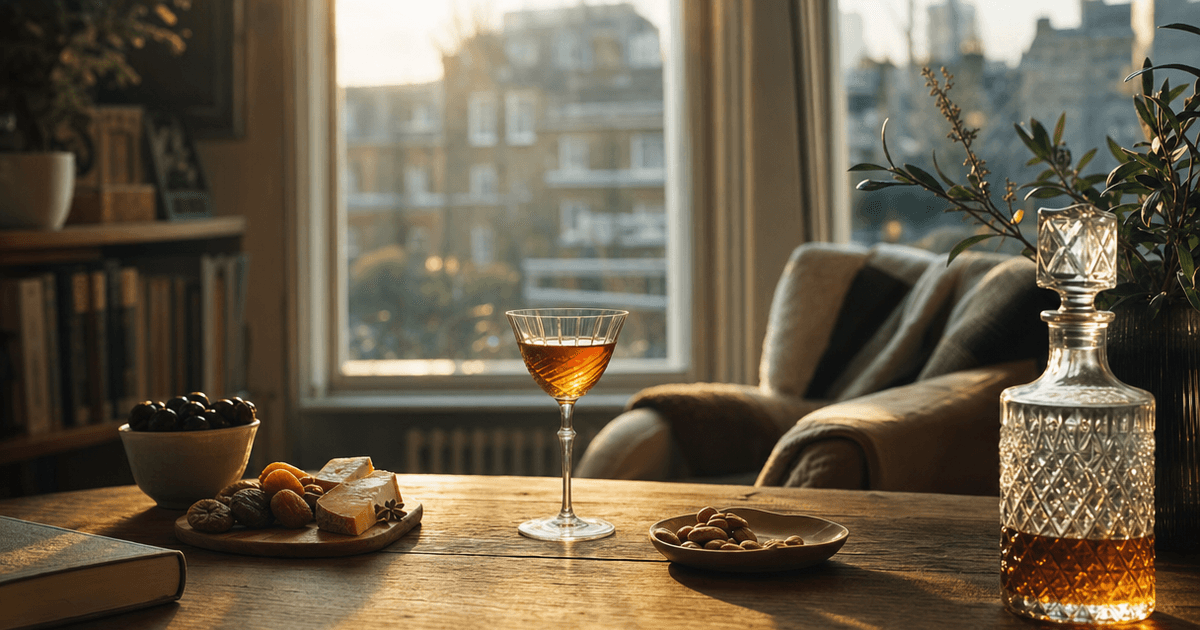
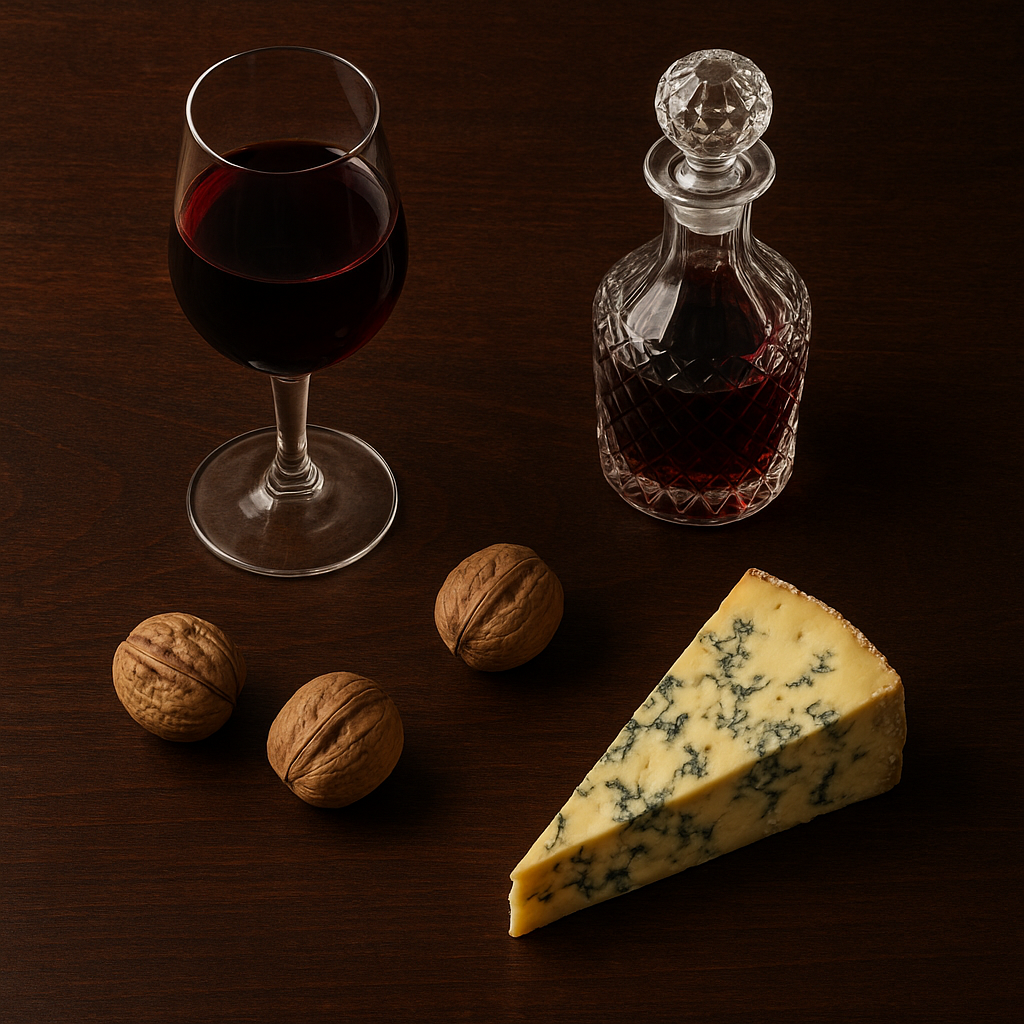
Food is where sweet reds stop being a novelty and start making sense. Recioto sits happily next to blue or salty cheese — Stilton, a hard Pecorino — and equally well against dark chocolate or a bowl of nuts. Banyuls was practically invented for chocolate desserts and dried fruit, and does lovely things alongside duck or a rich pâté too. Port, similarly, loves nuts, cheese, and anything built around dried fruit or caramel. None of this needs to be a whole tasting menu — a square of dark chocolate after supper is plenty. In fact that’s the whole conversion kit in one line: pour small, chill lightly, put something salty or bitter beside it — and let the glass do the talking.
Which wine is best for diabetics?
That’s not a call I’m qualified to make, and it’s one for your GP or diabetes nurse rather than your wine merchant — it depends on things well outside what’s on the label. What I can do is help you have that conversation with better information: residual sugar is measurable and it’s printed, or available on request, for most serious sweet wines.
As a shorthand, off-dry sits around 10-30 grams per litre, and proper sweet wine crosses 30, running up toward 100-150 in the most concentrated dessert styles. If sugar content is something you need to track, knowing which end of that scale a bottle sits on — and asking your merchant, because we do know — is far more useful than avoiding the whole red-wine-can-be-sweet category on principle.
What it costs in shape
Sweet reds get sold in smaller formats more often than dry wines, and that’s not a marketing trick — it reflects how they’re drunk. A half bottle of Recioto or Banyuls will comfortably see a dinner for four through the cheese course and pudding, because nobody’s pouring full glasses of something this concentrated. Trade listings for some traditional fortified sweet styles from northern Spain, aged for years in wood before release, show residual sugar figures well past 200 grams per litre — genuinely syrupy stuff, and priced accordingly for the barrel time involved.
Judged per glass rather than per bottle, sweet reds are often better value than they look on the shelf. You’re not opening a bottle for one big pour; you’re opening it for six or eight small ones, spread across an evening or a week, the bottle re-corked and fine in the fridge for days after. For a first experiment, a half bottle is the low-stakes way in — if the sceptic stays sceptical, you’re out one cheese course, not a cellar.
Questions customers ask us
Does sweet red wine need to be served with dessert? Not at all — a small glass on its own, after the meal, works just as well. Some of the richer styles, like tawny Port, are traditionally poured with nothing alongside them at all.
Are sweet red blends the same as dessert wines? No. The off-dry red blends popular over the last decade or so sit gently in the 10-30g/l range — noticeably softer than a bone-dry red, but nowhere near the concentration of a proper dessert style like Recioto or Banyuls.
Can sweet red wine age? Some can, and age well — fortified styles especially, given their alcohol and sugar both act as preservatives. A still, delicately sweet style like Moscato Rosa is generally better drunk young, while it’s at its most perfumed.
The merchant’s last word
I’ve sold sweet red wine to more sceptics than I can count over the years, usually by pouring first and explaining after — the glass does most of the convincing on its own. Start small, start with something built to balance sugar with real acidity, and don’t judge the whole category on one bad bottle from a wedding. If you fancy exploring the fortified end of things properly, go and browse the fortified wine cellar.