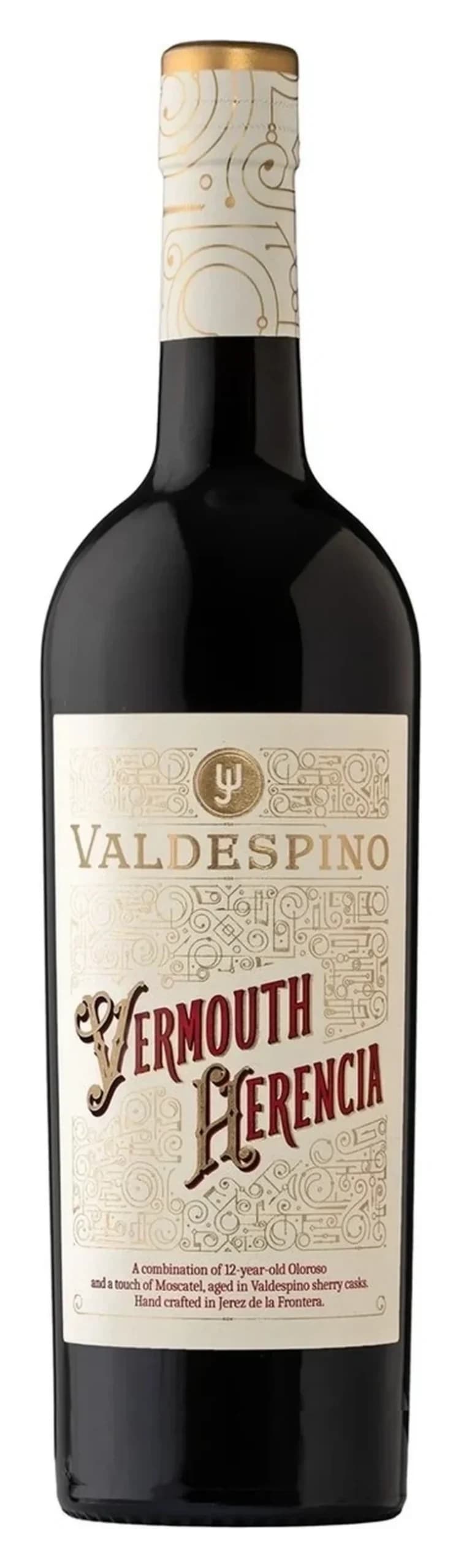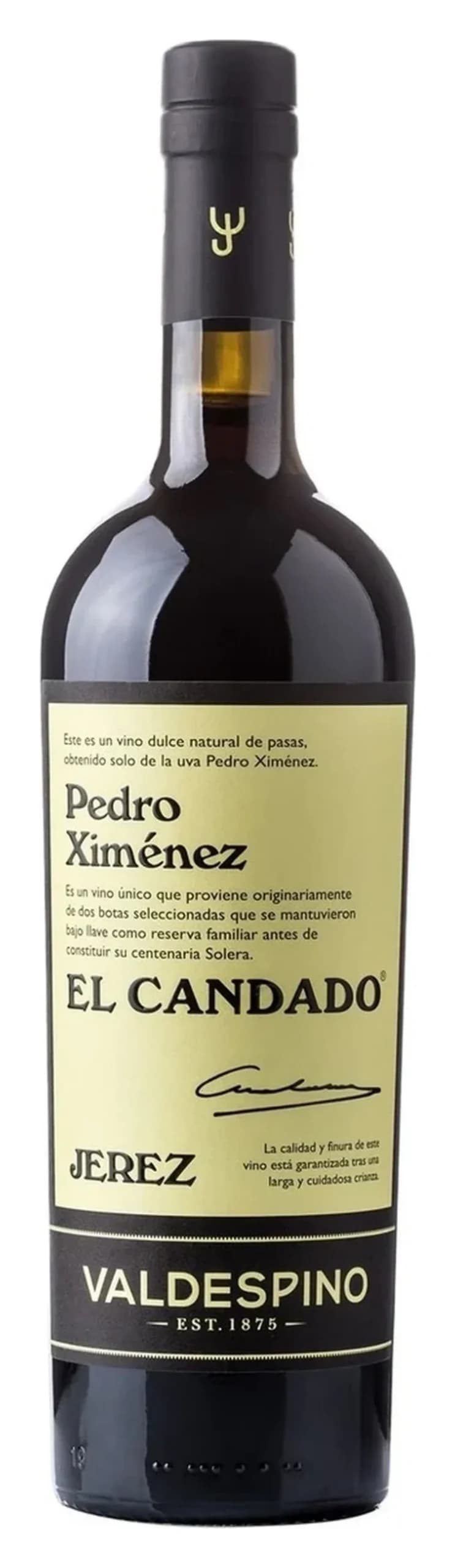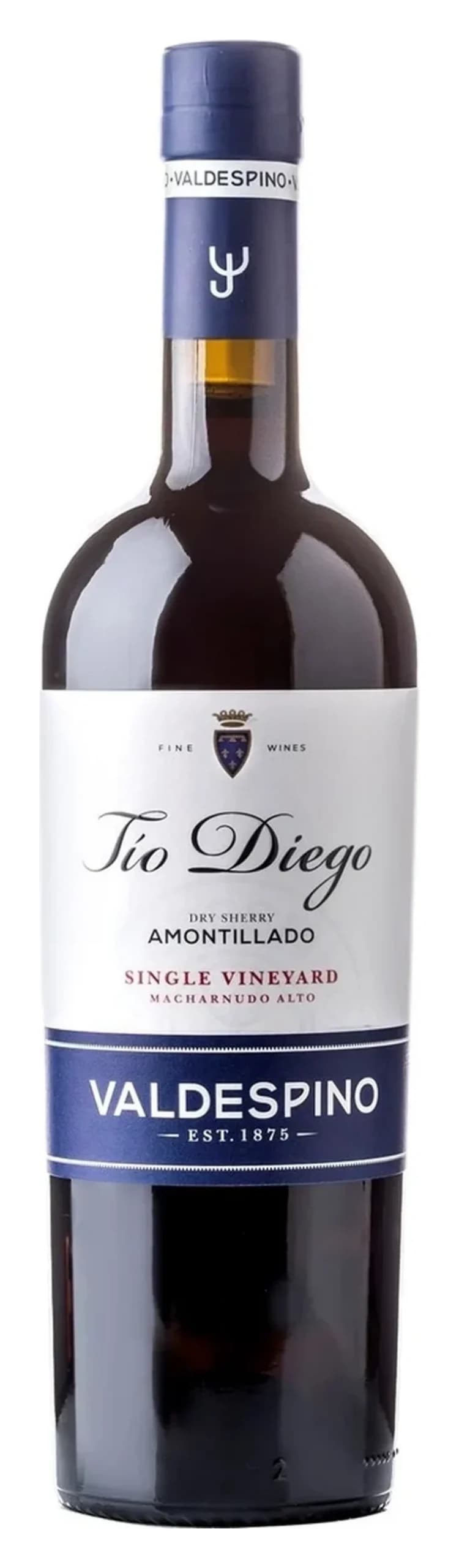
“Does Port go off?” is the question that lands on my counter more than almost any other — usually from someone holding a bottle they opened at Christmas and half-forgot about until March. Short answer: yes, eventually, but Port goes off far slower than the table wine sitting next to it on the shelf. That’s rather the point of fortifying it. By the end of this you’ll know how long your particular bottle has got once the cork’s out, how to tell “past its best” from “actually gone,” and what to do about that Sherry decanter gathering dust while you’re at it.
Fortified wine, plainly: it’s wine with grape spirit added during or after fermentation, which stops the yeast dead, keeps some natural sweetness behind, and pushes the strength up past what fermentation alone could manage — Port usually lands around 20% abv. That extra alcohol is what buys you weeks instead of days once you’ve pulled the cork.
How do I know if Port has gone off?
You’ll know because it stops tasting like itself. The fruit goes flat and dull, the colour looks tired — a ruby turning brownish, a tawny turning greyish rather than glowing amber — and eventually you get a sharp, vinegary note on the nose. That last one is unmistakable: acetone, sour, like salad dressing. If it smells of that, it’s gone.
What’s actually happening is oxygen doing its slow work. The moment the cork’s out, air gets in, and it’s the same process that turns any wine to vinegar eventually. Fortified wines just resist it longer, thanks to the higher alcohol (and, for tawny and Sherry, the fact they were already aged oxidatively in cask before bottling, so they’re less shocked by air than a young red would be). Trade guidance on ruby and filtered late-bottled styles puts the loss of freshness at around a week after opening, drinkable for about three. Most bottles never reach the vinegar stage at all — they just get boring. Worth pouring a small glass and tasting rather than assuming either way.
Does Port have an expiration date?
No date’s printed on any bottle, and there’s no hard rule — but here’s the honest shape of it. Wood-matured styles (ruby, tawny, rosé, white, most late-bottled vintage, colheita, reserve) are bottled ready to drink and don’t improve with further age, so store them upright, out of the light, and treat any suggested date as roughly when to open rather than a countdown to disaster. Bottle-matured styles — vintage, crusted, single-quinta, unfiltered late-bottled vintage — are built the other way round entirely, meant to lie down for decades in the cellars of the Douro.
That matters for storage too. Vintage Port has a driven cork that needs the bottle lying flat to stay moist and keep air out. Wood ports, with their stopper corks, are fine standing up. And to answer it plainly: does unopened Port go off? Not in the short term, no — but wood-matured styles do deteriorate with extended bottle age even unopened, so don’t let a case of ruby sit in the cupboard for a decade expecting a treat. Buy what you’ll actually drink within a year or two. (Champagne has a version of this same front-loaded urgency once opened — worth a look at how long Champagne keeps if that’s the bottle on your mind.)
Is it okay to drink old Port?
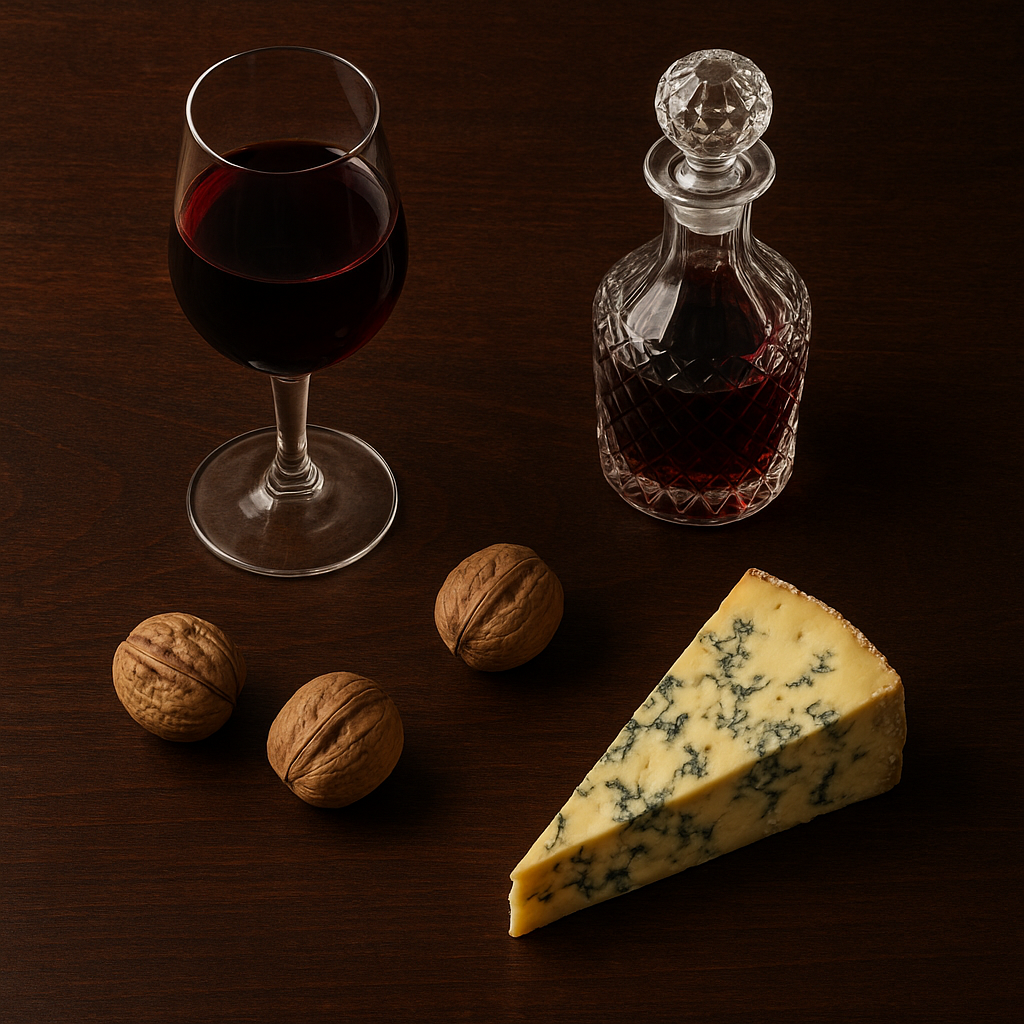
Yes — if it’s a genuine vintage Port that’s had twenty or thirty years in bottle, that’s the wine doing precisely what it was built for. Old and off are two completely different things, and it took me longer than I’d like to admit to explain that distinction properly to customers rather than assuming they knew. A well-kept old vintage will have thrown a heavy sediment, softened its tannins, and moved from brambly fruit towards dried fig, leather, tobacco — that’s maturity, not decline.
Practically: stand the bottle upright a day or two before opening so the sediment settles, then decant through a funnel and strainer to leave the sludge behind in the bottle. Check the cork first — very old ones can crumble, which is a nuisance but not a disaster. Aged tawnies and colheitas are more forgiving here, since they’ve already spent years oxidising gently in cask before bottling; vintage Port carries all that development in the bottle instead, which is why the sediment and the ceremony. If decanting is new territory, our guide to decanting older reds covers the same principle whichever style is in the glass.
How long does a 20 year old Port last after opening?
An aged tawny or colheita around 20 years old will hold at its best for about a week once opened, kept cellar-cool in the fridge, before the more delicate dried-fruit and nut character starts to soften and fade. Trade opinion from the Port houses of Vila Nova de Gaia stretches the outer limit to a few weeks before it’s noticeably flatter, though I wouldn’t push past that if you want the full picture of what you paid for.
That’s a different clock entirely from a 20-year-old vintage Port, which — despite the same age on the label — is a bottle-matured wine and needs drinking within days of opening, not weeks, because it never went through that long oxidative cask ageing in the first place. Serve tawny cellar-cool, around 10-12°C; an hour in the fridge is plenty, any colder and you mute the aromas rather than help them. If you’re the sort who likes a glass on a Tuesday rather than finishing a bottle in one go, our piece on keeping open bottles alive covers the practical kit worth having in.
Sherry, Madeira and the rest — same rules, different clocks
Oloroso Sherry behaves much like an aged tawny: robust, wood-aged in and around Jerez, good for a few weeks once opened rather than days. Madeira is the outlier of the family — genuinely one of the toughest wines going, resistant to oxidation almost regardless of age, and shippers themselves suggest a colheita Madeira will hold for around six months once opened. A proper old vintage Madeira can sit on ullage for years, occasionally topped up or recorked, and some tasters have found very old bottles actually improve over hours once poured, rather than fading.
| Wine | Once opened, keeps roughly |
|---|---|
| Vintage / Crusted Port | A couple of days — drink it down |
| Ruby, Tawny, White, Colheita Port | A week to three weeks, fridge helps |
| Oloroso Sherry | Similarly, a few weeks |
| Colheita Madeira | Around six months |
| Old Vintage Madeira | Years, on ullage, occasionally recorked |
Questions customers ask us
Should I keep Port in the fridge once it’s open? Yes, for wood-matured styles and Sherry — the cold slows oxidation and buys you extra days. Vintage Port doesn’t need it, given how short its window is once opened anyway; room temperature is fine.
Does white Port need different handling from ruby? Serve it chilled straight from the fridge, and it behaves much like ruby once open — best within a similar week-to-three-weeks window.
Do I need to decant a young ruby or tawny? No — these are fined and filtered before bottling, so there’s no sediment to leave behind. Save the decanter for vintage, crusted, and unfiltered late-bottled vintage.
The merchant’s last word
I’ve poured plenty of Port that had gone quietly boring rather than dramatically off, and plenty of “old” bottles that customers apologised for before I’d even had a sip — no need, most of the time. Fortified wine is forgiving; it just isn’t invincible. Keep the cork in, the fridge handy, and drink it while it’s singing. If you fancy finding a bottle worth the patience, browse the fortified wine cellar.