More good Champagne dies of waiting than of anything else — not heat, not corks, just the habit of saving a bottle for a moment that never quite arrives. So when someone asks how long does Champagne last, I hear two different questions wearing one coat. Unopened and stored somewhere sensible, most Champagne is happiest drunk within a few years of release — though a proper vintage bottle can go decades further if you treat it kindly. Pull the cork, though, and everything changes: you’re now counting days, not years. Champagne is a wine made bubbly by a second fermentation inside the bottle, and that same process gives it an unusual, slow-burning capacity to age under cork — which is exactly what tempts people into over-saving it. By the end of this you’ll know when to drink the bottle in your hand now, when to put it away, and when “old Champagne” is a curiosity rather than a bargain.
Does Champagne go bad or expire?
Not the way a pint of milk does. Champagne doesn’t suddenly turn — it fades. Oxidation creeps in, the fizz softens, and the bright citrus lift flattens into something tired. It won’t do you any harm. It’ll just stop being worth what you paid for it.
The two closures tell the story. During its long cellar life, a Champagne bottle wears a crown cap — the same fitting you’d find on a beer bottle — while it sits on its lees. Only at disgorgement does it get its final cork. A few producers, chasing extra character in wines built for long ageing, cork the bottle right from the start too, which sounds romantic but doubles the risk of cork taint, since there are now two corks that could carry the fault instead of one.
Heat and light do more damage than time itself. The reference books put a rough ceiling around 25°C before a wine tips into “cooked” territory, and strong sunlight is just as unkind, especially through clear glass. Go too cold and you risk the opposite problem. None of this is exotic: a warm kitchen shelf or a sunny windowsill will do more harm in a summer than a decent cellar does in five years.
How long does unopened Champagne last?
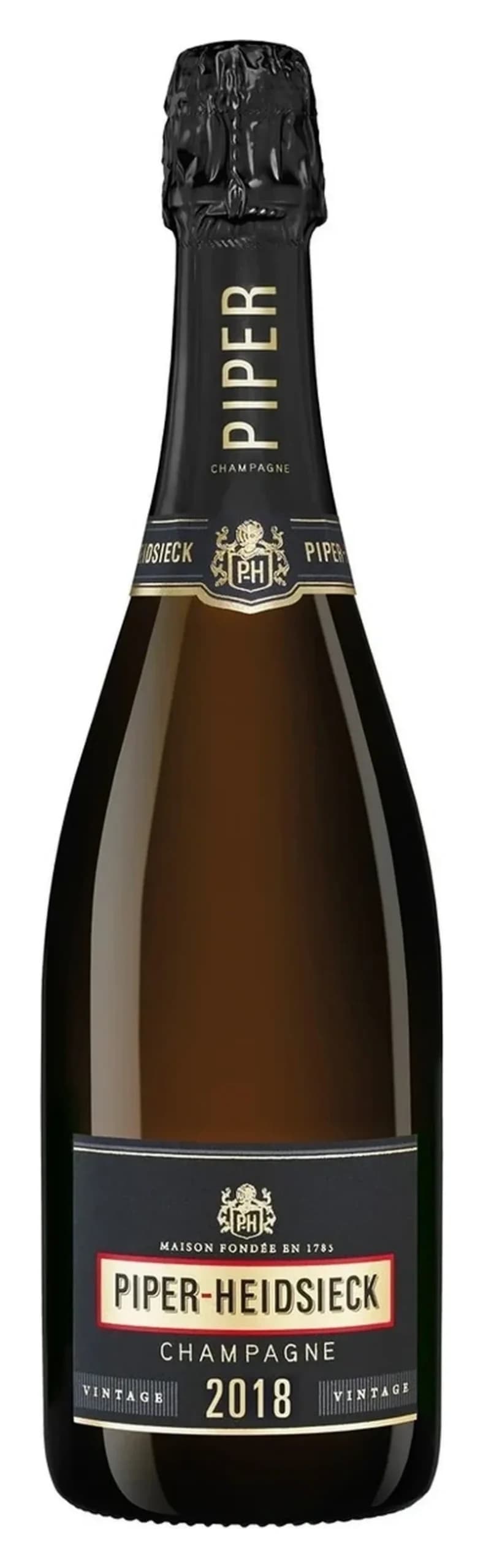
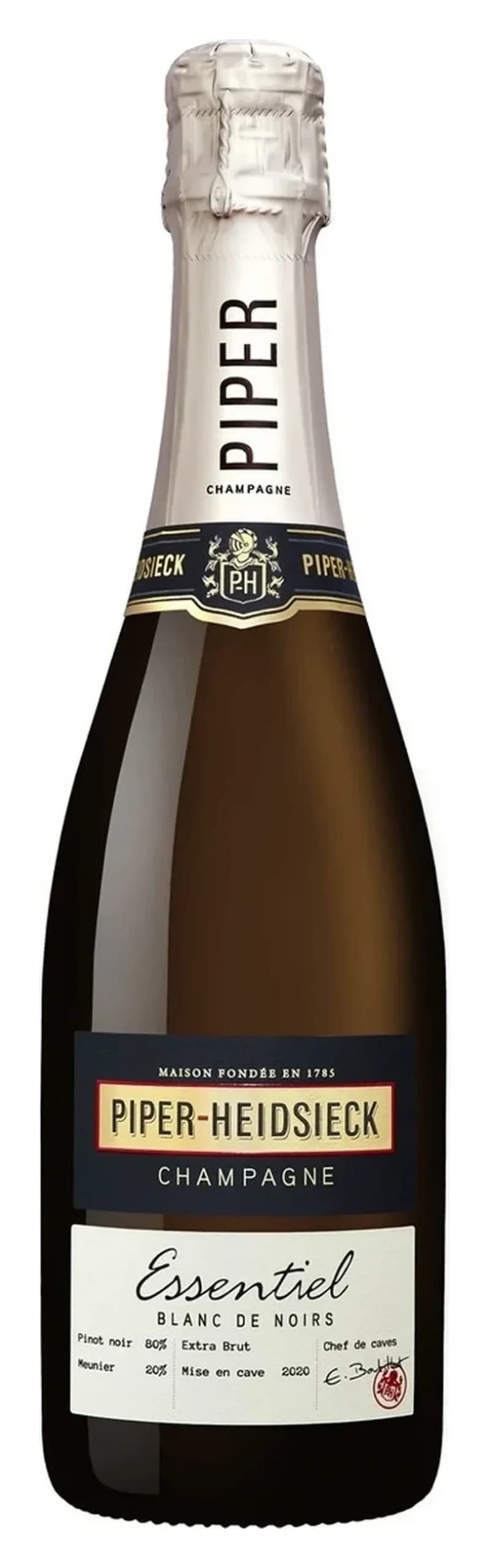
How long unopened Champagne lasts depends enormously on what’s actually in the bottle. A standard non-vintage blend is built to be drunk close to release — it’s had its minimum legal ageing and no more, and freshness is the whole point. A vintage or prestige cuvée is a different animal, aged on its lees for years before it’s even released, and built with the patience to go further still.
Store it lying down where you can, somewhere dark, cool and stable — a spare room or understairs cupboard beats a kitchen every time. Lying the bottle flat keeps that final cork moist and swollen against the glass; let it dry out standing upright for years and it can shrink just enough to let air creep in long before you ever meant to open it. Consistency matters more than any single number on a thermometer — a bottle that swings from warm to cold and back is worse off than one held steadily on the mild side. And before any bottle goes into hiding at all, give it a date rather than a shrine: name the occasion it’s waiting for, and if you can’t, it probably belongs in this month’s drinking.
If you’re assembling a small stash rather than one special bottle, it’s worth thinking about the whole shelf, not just the fizz — our guide to the five-bottle cellar for a city flat covers exactly that kind of modest, sensible stockpile.
Can you still drink 20 year old Champagne?
Often, yes — but it depends entirely on what’s in the bottle and how it’s lived. A well-stored vintage or prestige Champagne at 20 years can be genuinely thrilling: deep, savoury, biscuity. A basic non-vintage bottle left in a warm hallway cupboard for two decades has almost certainly faded long before you get there. That’s the waiting trap in miniature — the bottle didn’t become special by being kept; it was simply kept. The classic long-haul agers tend to come from specific corners of the region — blanc-de-blancs built from Chardonnay grown around Le Mesnil-sur-Oger on the Côte des Blancs are famous for going the distance, while Pinot-led wines from the Montagne de Reims or Aÿ often carry the structure to age just as gracefully, if a touch more powerfully.
The reason for the gap is what happens after disgorgement, not just before it. Champagne ages in three stages — first in tank, then on its lees in bottle, and finally after disgorgement, once it’s out in the world with its final dosage. The lees stage builds richness and those savoury, nutty flavours through a slow enzymatic process, but the reference texts note that much of the real change on lees is largely done within a decade — after that, it’s the post-disgorgement years that keep evolving the wine’s texture. A little counter-intuitively, the longer a wine sits on its lees before disgorgement, the less able it is to shrug off the sudden shock of oxygen when the cork finally comes out — so more lees time doesn’t automatically mean more ageing potential once it’s released.
Minimal-dosage, grower-made Champagnes are a special case worth knowing about. Because they carry less sugar, they get less of the toasty Maillard character that dosage helps build, and can taste austere and bony on release. Give them two to five years after disgorgement, though, and the good ones bloom — some staying vivid and fresh ten to fifteen years after the vintage.
One category worth flagging: late-disgorged bottles, sometimes labelled récemment dégorgé. These have already had their long, careful ageing done for you before release and are lovely drunk soon after — no need to cellar them further on top.
| Style | Realistic drinking window | Why |
|---|---|---|
| Non-vintage, standard dosage | On release, up to 2–3 years | Built for freshness; minimal extra lees time |
| Vintage | 5–15 years from release | Longer lees ageing, more structure to work with |
| Prestige cuvée | 10–25+ years, well stored | Extended lees ageing, often richer base wine |
| Minimal-dosage grower Champagne | Needs 2–5 years post-disgorgement; can hold 10–15 | Austere young; needs time to unwind |
| Late-disgorged (récemment dégorgé) | Soon after release | Already mature — no need to hold it further |
If you want the fuller picture of styles and how they’re made before you start hunting old bottles, our pillar guide to Champagne is the better starting point than any single old bottle.
Once you’ve popped it: how long does Champagne last opened?
Give it a proper stopper and a spot in the fridge, and you’re looking at two days of solid drinking — no need to rush the whole bottle in one go. Interestingly, a bit of bubble fade can actually flatter a straightforward, youthful Champagne, letting other flavours step forward on the second day. Some sources reckon three to five days is achievable, but treat that as the outer limit rather than the goal: freshness fades gradually from the moment of opening, so day one remains your best bet for that first-poured brilliance.
A proper Champagne stopper, the kind that clips onto the lip of the bottle, makes a real airtight seal and is worth the few pounds it costs. The old trick of hanging a spoon down the neck is, by most accounts, a bit of a myth as far as keeping the fizz goes — though it might keep the bottle a touch cooler by habit alone. Sweet idea, but a stopper will do the actual job far more reliably.
You’ll know it’s gone: the bright, sweetish aromas turn vinegary, the wine tastes flat and slightly sour, and there’s no bringing it back — no clever trick rescues a bottle that’s tipped over. And notice what that two-day window does to the arithmetic of saving: a bottle opened tonight gives you two good evenings; a bottle saved five years past its best gives you none.
If keeping bottles alive after opening is a running problem in your house — not just Champagne — our guide on wine for one and keeping open bottles alive covers the still-wine side of the same headache.
What ageing actually costs you in the glass
Here’s a trade-off worth knowing before you tuck a bottle away: ageing Champagne isn’t free. You’re not simply “improving” it — you’re swapping one set of pleasures for another. Young Champagne gives you lift: citrus, green apple, a bready snap of yeast. Given years, that fruit recedes and something slower takes over — biscuit, brioche, toasted nuts, the product of a chemical reaction that genuinely can’t be rushed or faked by any other method.
Here’s a confession: decanting Champagne has never won me over, not even for those big, structured cuvées people insist need coaxing open with air. What I find is that it dulls the mousse and blurs the fine detail that makes fizz worth drinking in the first place. My preferred fix, when a bottle is clearly closed and needs time, is simply pulling the cork early and letting it breathe in the glass — or leaving it loosely re-corked for an hour or so. Decanting only makes sense to me as a shortcut when time is genuinely tight.
Questions from the shop
Is 10 year old Champagne still drinkable? For a decent vintage or grower Champagne, ten years is often exactly when it starts getting interesting. A basic non-vintage bought a decade ago has almost certainly faded by now, sitting past its best.
Is a 30 year old bottle of Champagne still good? It can be spectacular if it’s a great vintage or prestige cuvée that’s spent those thirty years somewhere cool, dark and settled. Anything stored casually along the way has usually faded well before reaching that age, so treat any 30-year-old bottle as a genuine gamble rather than a safe bet.
Does leaving a bottle in the fridge for weeks ruin it? Eventually, yes — a food fridge is too dry and too cold for long-term storage. Fine for a few days before drinking; not a substitute for a proper cool, dark spot if you mean to keep the bottle.
Can Champagne get too cold and be damaged? Yes — freeze it and the pressure inside can force the cork or crown cap out entirely, on top of ruining the wine. A cool room beats a chest freezer every time.
The merchant’s last word
I once sold Champagne to a couple who’d kept a “special” bottle in the fridge door for two years, saving it for the right moment — and when they finally opened it, the cork had dried, the fizz had gone flat, and I felt for them, having to explain why. It happens more than you’d think, and it’s an easy thing to not know until someone tells you. Buy it for the occasion you actually have, not the one you imagine having in ten years’ time, and you’ll drink better far more often. If you fancy something that’s already earned its stripes, browse the champagne cellar and I’ll point you at what’s actually ready now.