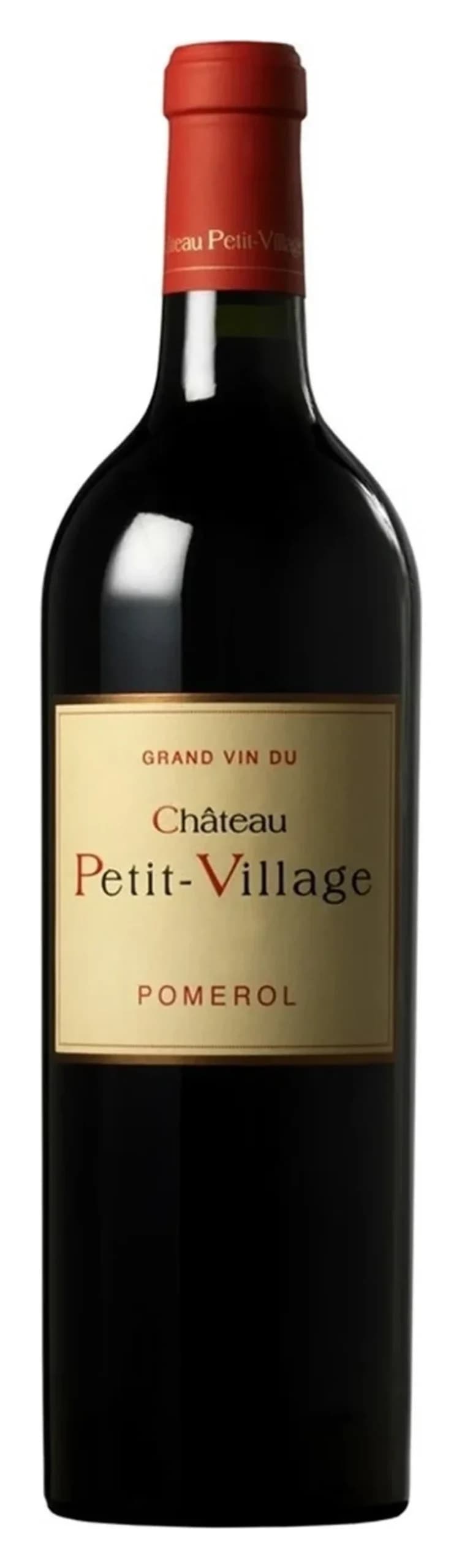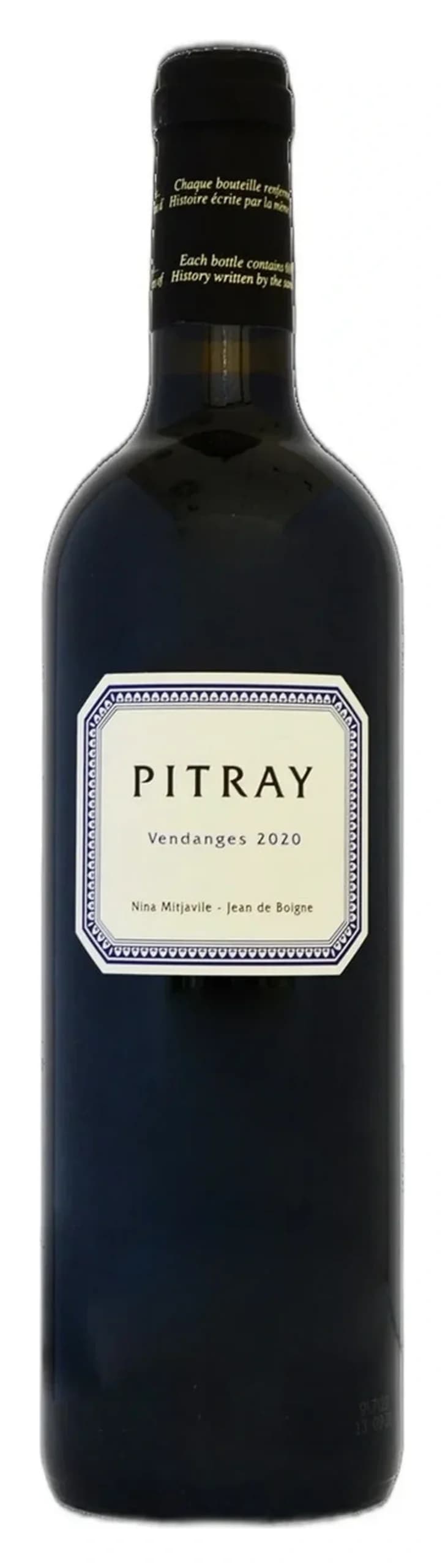
Bordeaux left bank vs right bank boils down to one question — which side of the water? — and that question tells you more about the bottle in your hand than the château name, the price tag or any classification ever will. It’s the first thing worth establishing about any claret, because the answer predicts how the wine will behave tonight: whether it wants a decanter and patience, or a corkscrew and a plate of food. By the end of this you’ll know which side to reach for on a Tuesday, and which side deserves a decade in the rack before you touch it.
What is the difference between left bank and Right Bank in Bordeaux?
The short version: Left Bank is Cabernet Sauvignon country on gravel, Right Bank is Merlot country on clay. Hold onto that one fact and everything else — how each side tastes, when it’s ready, what it costs — hangs off it like detail on a frame.
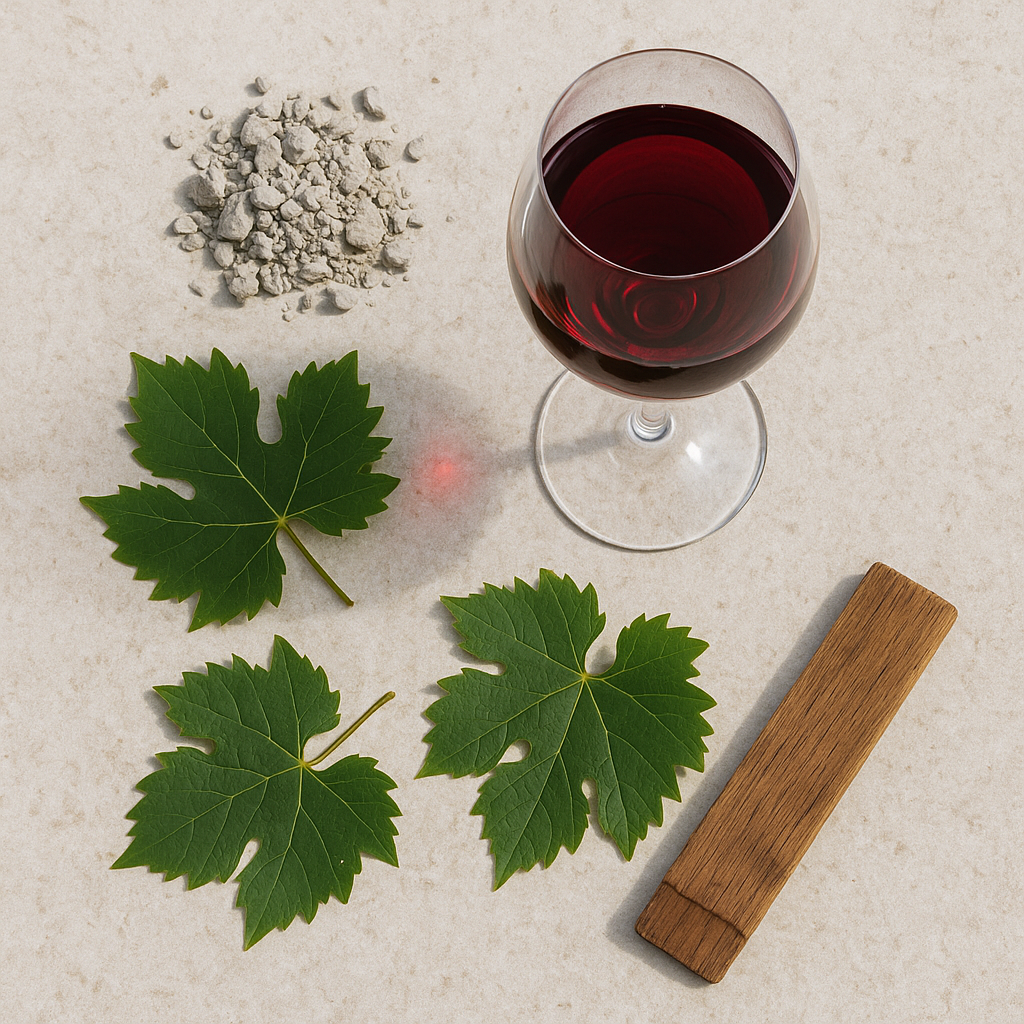
The two rivers, the Dordogne and the Garonne, run down from inland and meet at the Gironde estuary before it empties into the Atlantic. Left of that estuary (the Médoc, Graves, and further south Sauternes and Barsac) you get old river gravel — free-draining, poor, exactly what Cabernet Sauvignon wants, because the vine has to work for its water and that struggle builds tannin and depth. Right of it, round Libourne, the soil turns to clay and limestone, cooler and wetter, which suits Merlot’s habit of ripening fully in almost any vintage. There’s a wedge of land between the two rivers too, called Entre-Deux-Mers, which belongs to neither bank properly and mostly makes dry white.
Bordeaux left bank vs right bank map: what’s actually on each side
Picture the estuary as an upside-down Y cutting into the region from the coast. Everything to the west of that Y’s left arm is Left Bank. Everything north and east of the right arm is Right Bank. It genuinely is that simple once you’ve seen it drawn out once — no need to redraw it every time you buy a bottle.
| Left Bank | Right Bank | |
|---|---|---|
| Rivers | West of Garonne & Gironde | North/east of Dordogne & Gironde |
| Main grape | Cabernet Sauvignon | Merlot, then Cabernet Franc |
| Soil | Gravel mounds (croupes) | Clay, limestone, some gravel |
| Key communes | Margaux, Pauillac, St-Julien, St-Estèphe | St-Émilion, Pomerol, Fronsac |
| Sweet whites | Sauternes, Barsac | — |
Travelling downstream on the Right Bank you pass through Francs, Castillon, St-Émilion and its satellites, Pomerol, Lalande-de-Pomerol, Fronsac, Canon-Fronsac and Bourg — Libourne is the trading town that ties them together, much as the city of Bordeaux itself does for the Left Bank. Worth knowing too: the Atlantic’s cooling influence is stronger down by the Gironde on the Left Bank and fades a little further inland on the Right, which is part of why Right Bank fruit ripens so reliably. If you want the fuller lay of the land, our Bordeaux without the intimidation: a merchant’s map walks the whole region commune by commune.
Is left or Right Bank better?
Neither — it’s a style question dressed up as a quality one, and I used to answer it badly for years by picking a side. Left Bank rewards patience: firm tannin, savoury edges, needs air and often needs age. Right Bank is more immediately generous — plush, round, fruit forward, and it can genuinely sing a few years earlier than its neighbour across the water.
Trade writing has gone back and forth for decades on which side gets more credit. The Left Bank still holds most of the historically famous names from the 1855 Classification of the Médoc. The Right Bank has spent the last few decades winning plaudits of its own, partly on the strength of St-Émilion’s own classification and partly on a run of very good vintages that showed off Merlot at its best. Neither argument settles it — it settles on what’s in your glass on a Tuesday versus what’s coming out for an anniversary dinner in 2035. If your evening calls for a wine that’s ready now, over pasta with mushrooms or a simple roast chicken, Right Bank does that without a fuss; if the bottle’s meant for that dinner in 2035, cross the water. One question, two entirely different evenings.
Which wine brands are considered Left Bank Bordeaux?
Bordeaux doesn’t really deal in brands the way a supermarket wine aisle does — it deals in place. Left Bank means the Médoc and Haut-Médoc broadly, and within that the individual communes of Margaux, St-Julien, Pauillac and St-Estèphe running south to north, plus Graves and Pessac-Léognan below the city, and the sweet-wine appellations of Sauternes and Barsac further south still.
That’s a deliberately different system to the Right Bank, where St-Émilion runs its own classification, reviewed periodically, alongside Pomerol which has never been classified at all — it simply relies on reputation built estate by estate. Left Bank’s Médoc AOC and Haut-Médoc AOC cover a wide sweep of land at very different price points, from everyday drinking right up to the historic classified growths of the 1855 list. Knowing the commune tells you more than any name on a shelf-talker ever will — our Margaux, Pauillac, Saint-Émilion: choosing Bordeaux by commune piece goes deeper on exactly that.
What it costs in shape
Here’s a detail that surprised me when I first started buying for the shop: the Right Bank is made up of a lot of very small estates, some barely a hectare, tucked in among Pomerol and St-Émilion. That patchwork is part of why a handful of Right Bank wines command startling prices — famously the so-called “garage wines” made in tiny volumes from tiny plots. Scarcity does that to a price tag regardless of bank.
The Left Bank works differently. Médoc and Haut-Médoc are large appellations covering a huge range of vineyard quality, so the price ladder there runs long — from straightforward Tuesday bottles right up through the communes to the grand old classified names. Neither bank is inherently the “expensive one.” It’s more that Right Bank price spikes tend to come from scarcity, and Left Bank price spikes tend to come from pedigree and gravel position.
Questions customers ask us
Do all Left Bank reds need years of ageing? Not all — Médoc AOC and Haut-Médoc AOC make plenty of wines built for drinking within a few years. It’s mainly the classified growths from Margaux, Pauillac, St-Julien and St-Estèphe that reward real patience.
Is Right Bank always Merlot-only? No — Cabernet Franc plays a proper supporting role, especially in St-Émilion, and there’s usually a little Cabernet Sauvignon in the blend too, even if it’s a minor player.
What grapes actually go into a Bordeaux blend? Both banks draw from the same short list of permitted grapes — the split is about which one dominates. For the full grape-by-grape picture, see What is a Bordeaux blend? The grapes behind the label.
The merchant’s last word
I sold Bordeaux by price point for my first few years in this trade, and it took me a while to realise the bank tells you more than the label price ever will. Ask which side of the river a bottle comes from before you ask anything else — it’ll tell you whether to decant it tonight or leave it be. Go and browse the bordeaux cellar and see which side calls to you.