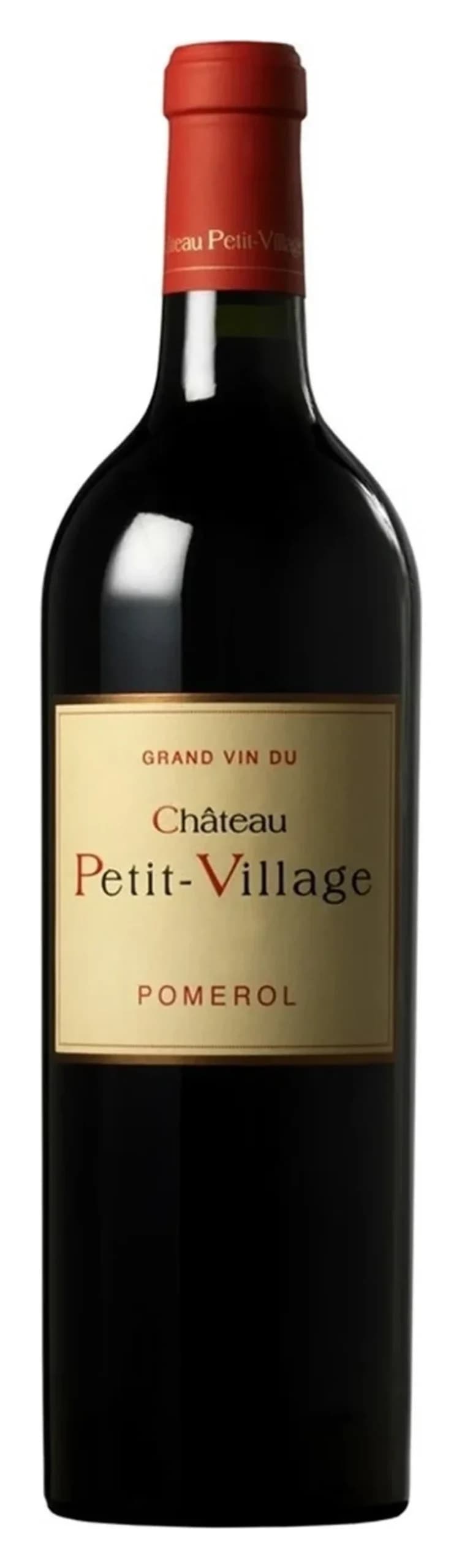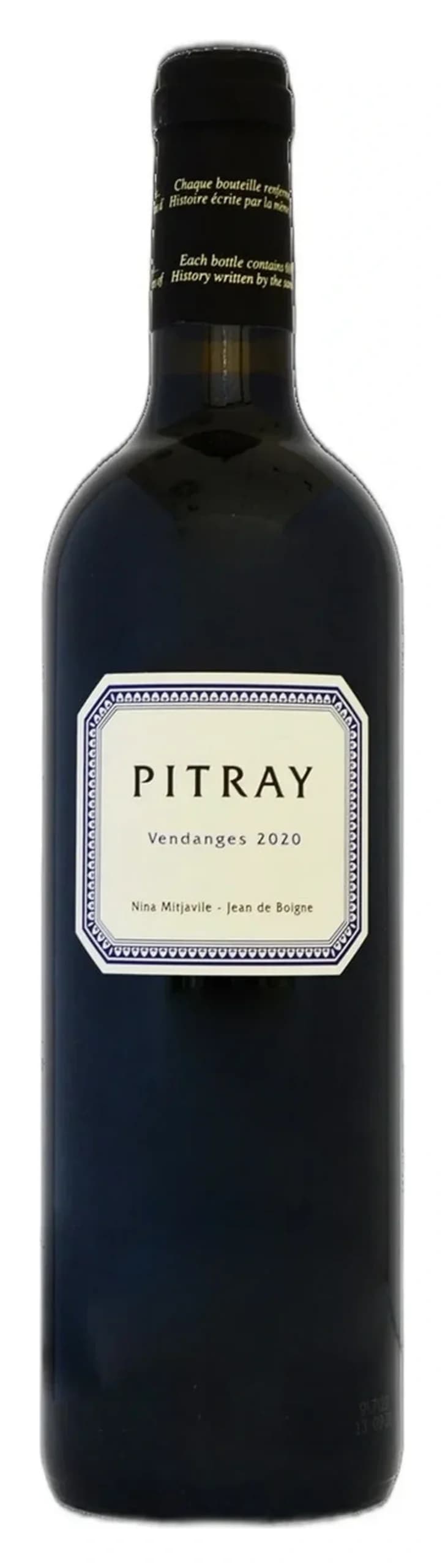
Pauillac vs Margaux is a question I get asked more than you’d think, usually by someone holding two bottles and a slightly worried expression. Short version: no, Margaux is not in Pauillac — they’re separate communes, both grand names on Bordeaux’s Left Bank, both entitled to their own appellation on the label. What makes this particular pairing worth its own piece is that “Margaux” is the one word in Bordeaux that can mean three different things — a village, an appellation and a single famous château — so this label, more than most, wants reading twice before you pay. One commune leans towards perfume and silk, the other towards power and structure. By the end of this you’ll know which one to reach for on a Tuesday, which one earns a proper occasion, and how to tell those three Margauxs apart at the till.
Is Margaux in Pauillac?
No. Margaux and Pauillac are neighbouring but entirely separate communes within the Haut-Médoc, both hugging the west bank of the Gironde estuary. Travel north from the city of Bordeaux and you pass through Margaux first, then St-Julien, then Pauillac, then St-Estèphe — four famous villages in a row, each with its own appellation rules. A commune appellation is best understood as a postcode-level promise: the tighter the postcode, the stricter the rules, and the more the single word on the label is actually telling you.
Margaux is actually the most spread-out of the four, its vineyards scattered across several villages rather than one tight strip — Cantenac is the best-known of these satellite parishes, and some of Margaux’s finest plots sit there rather than in the village of Margaux itself. Pauillac, by contrast, is a tighter, more continuous run of vines squeezed between St-Julien to its south and St-Estèphe to its north, with barely a few hundred metres of marshy ground separating the vines from the water.
Here’s where the three-meanings problem bites: a single property in the village of Margaux happens to share the commune’s name, so you can end up comparing a modestly priced village wine against something many times the price under what looks, at a glance, like the same word on the label. I’ve sold the cheaper one to someone convinced they’d found a bargain on the famous one — an honest mix-up, and a useful reason to read the small print. If you want the fuller lay of the land before narrowing in, our Bordeaux without the intimidation: a merchant’s map covers the whole region — but if it’s these two names you’re weighing tonight, stay with me and we’ll get you to a decision.
What is the difference between Bordeaux and Margaux wines?
Bordeaux AOC is the base appellation for the entire region — any wine grown across Bordeaux’s many appellations can carry that simple label if it doesn’t qualify for something smarter. Margaux is one of six communal appellations within the Haut-Médoc, with a high proportion of cru classé vineyards and one first growth. Generic Bordeaux is bought for supper; Margaux is bought because soil, classification and reputation all point the same direction.
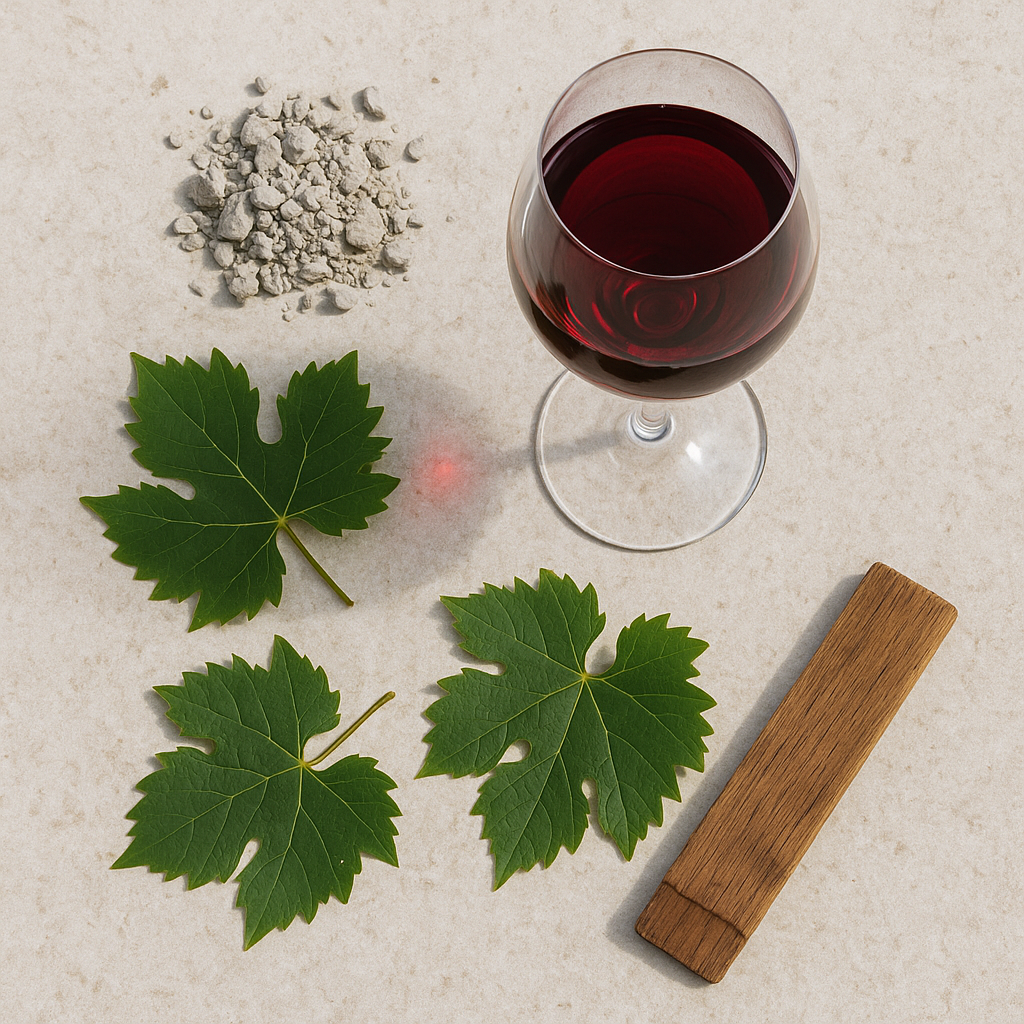
The detail that surprised me when I first tasted my way through a Margaux flight: it’s not actually the most Cabernet-heavy of the great Médoc communes. Cabernet Sauvignon still leads, but there’s proportionately a touch more Merlot here than in Pauillac or St-Julien, which softens things. The soils are stony and gravelly, and because Margaux sits furthest south of the four communes, growers reckon on grapes ripening a few days ahead of Pauillac and 7–10 days ahead of the more northern Médoc — handy insurance in a cool or rain-threatened year, though clay seams in places mean some plots need extra drainage, which isn’t cheap to put right.
The reputation for perfume and silky tannin isn’t marketing gloss — it goes back to mid-20th-century vintages from the commune’s two finest properties, which set the template everyone since has been chasing. If that aromatic, supple style is what your evening calls for — more candlelight than campfire — a village-level Margaux is the sensible first bottle to try before any classed-growth money changes hands.
Is Pauillac a good wine?
Yes, and by a wide margin the most decorated commune in Bordeaux — three of the five 1855 first growths sit here, and trade estimates put around 85% of Pauillac’s production at cru classé level, the highest share of any appellation in the region. It isn’t uniformly brilliant, though: trade opinion has long noted that quality can drop away fast once you’re past the leading names, so the label matters more here than almost anywhere else in the Médoc.
Pauillac is Cabernet Sauvignon country properly — around 63% on average by trade figures, and 70–80% at the top estates, which is where the concentration and the ageing power come from. Tasting notes here circle back to the same words again and again: cassis, cedar, cigar box, the latter two often down to the quality of French oak the region’s prices can afford.
There’s a north-south split worth knowing too. The northern half runs on deep, well-draining gravel and tends towards elegance; the southern stretch, closer to St-Julien, carries more clay alongside the gravel and leans towards power. And the vines themselves stop just short of the estuary — the marshy ground between them and the water, too wet for serious viticulture, is where Pauillac’s salt-marsh lamb grazes, which is about as close as this appellation gets to having an identity beyond wine. If you’re buying your first Pauillac, buy it for a proper Sunday rather than a weeknight — this is a wine that repays the bigger table.
How does Pauillac compare to other Bordeaux wines?
Set against its Left Bank neighbours, Pauillac sits at the powerful end of the spectrum. St-Julien falls stylistically between Pauillac’s structure and Margaux’s finesse, on very homogenous gravel soils, with no first growths but five second growths carrying its reputation. St-Estèphe, further north again, has more clay in its soils and — trade tasting notes across recent vintages suggest — more variation year to year than its southern neighbours.
| Commune | Grape emphasis | Soil | Character |
|---|---|---|---|
| Margaux | Cabernet Sauvignon, slightly more Merlot than neighbours | Stony gravel, some clay seams | Perfumed, silky tannin |
| St-Julien | High Cabernet Sauvignon | Homogenous gravel | Midway: structure with finesse |
| Pauillac | Cabernet Sauvignon (63–80%) | Deep gravel (north), gravel and clay (south) | Powerful, cassis and cedar, long-lived |
| St-Estèphe | More clay-influenced blends | Clay and gravel | Sturdier, less consistent by vintage |
If you only carry one line out of this piece, make it this: Margaux is the perfume, Pauillac is the backbone — silk to the south, structure to the north.
Cross the Gironde to the Right Bank and the whole conversation changes — St-Émilion and Pomerol run on Merlot rather than Cabernet, with softer tannins and generally earlier drinking windows, and St-Émilion runs its own classification system entirely. It’s the same underlying idea you’ll find in Burgundy’s Côte de Nuits vs Côte de Beaune, or in Piedmont’s Barolo villages and vintages: Serralunga to La Morra — a handful of kilometres, and the wine in the glass changes character completely.
If value matters more than prestige, Listrac and Moulis sit within the same Haut-Médoc, offer real structure, and don’t carry classed-growth prices — worth a look if Pauillac’s reputation has priced you out. That’s my honest Tuesday steer, in fact: the commune names in the table are for occasions; Listrac and Moulis are for practice runs, and they’ll teach you the Left Bank style for a fraction of the outlay.
Getting it onto the table
Pauillac’s tannins are built for the long game, so a decant an hour or two ahead does it real favours, especially on a younger bottle. Its cedar and cassis character sits beautifully against something rich and savoury — Pauillac’s own salt-marsh lamb is the textbook local match, but a good roast lamb shoulder on a Sunday does the job just as well.
Margaux’s softer, more perfumed style doesn’t need the same muscle on the plate. Duck, mushroom-based dishes, or a well-aged hard cheese let the silkiness show rather than fight it. Neither wine wants to be rushed out of the bottle straight from a cold cellar — give either a few minutes in the glass before deciding what you think. Once you know which dinner you’re buying for, you already know which commune to ask me for.
Questions customers ask us
Is Saint-Julien between Margaux and Pauillac? Yes — geographically it sits directly between the two, and stylistically it does much the same job, splitting the difference between Margaux’s finesse and Pauillac’s structure. If you genuinely can’t choose between the two styles, it’s the diplomatic bottle.
Which is more expensive, Pauillac or Margaux? Both trade at a premium, but recent reporting has pointed to Pauillac vineyard land as among the priciest in Bordeaux, largely thanks to its three first growths.
What does Saint-Émilion have to do with Pauillac and Margaux? Nothing geographically — it’s Right Bank, Merlot-led, with its own separate classification. Useful mainly as the contrast: Left Bank structure against Right Bank softness.
Are all Margaux wines silky and all Pauillac wines powerful? That’s the general shape of it, and it holds up more often than not — but within any commune, individual estates and vintages can pull a wine well off the stereotype.
The merchant’s last word
I still think Pauillac vs Margaux is one of the more useful comparisons in Bordeaux — not because one wins, but because knowing the shape of each tells you what you’re actually buying before you’ve pulled the cork. Neither is a wine to rush; both reward a bit of patience, in the cellar and in the glass. Come and browse the bordeaux cellar and I’ll point you towards whichever suits your Tuesday, or your Sunday.