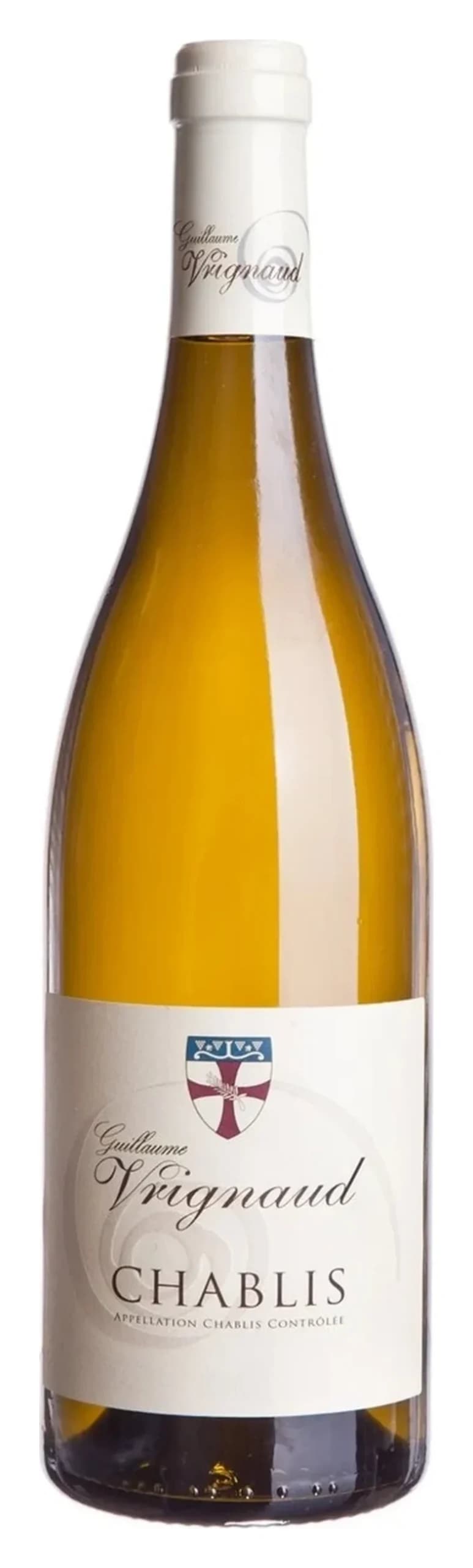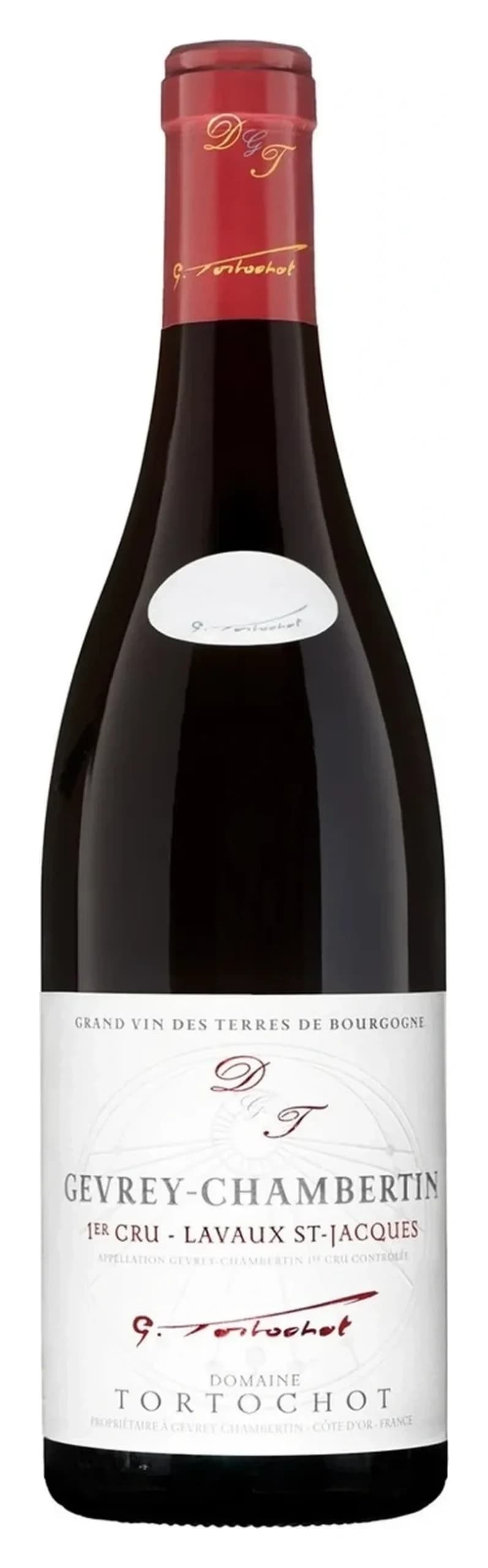
The Côte de Nuits is the northern half of Burgundy’s Côte d’Or, running south from Dijon down to just past the town of Nuits-Saint-Georges — and it’s built almost entirely around Pinot Noir. Its neighbour, the Côte de Beaune, picks up where it leaves off and runs down to Santenay, where Chardonnay takes over the conversation alongside some proper reds too. By the end of this you’ll know which half to reach for, which villages are worth learning by name, and what shape of price to expect as you go up the ladder.
I’ll admit something: for my first couple of years behind a wine counter I used “Côte d’Or” and “Côte de Nuits” almost interchangeably, and customers were too polite to correct me. They’re not the same thing, and getting that straight makes the rest of Burgundy click into place.
What is the difference between Côte de Beaune and Côte de Nuits?
The short version: Côte de Nuits sits north and specialises in red Pinot Noir on limestone-heavy, steeper ground; Côte de Beaune sits south, has deeper clay soils, and produces Burgundy’s greatest whites alongside some serious reds of its own. Geographically the split falls roughly at Ladoix-Serrigny, just north of the town of Beaune.
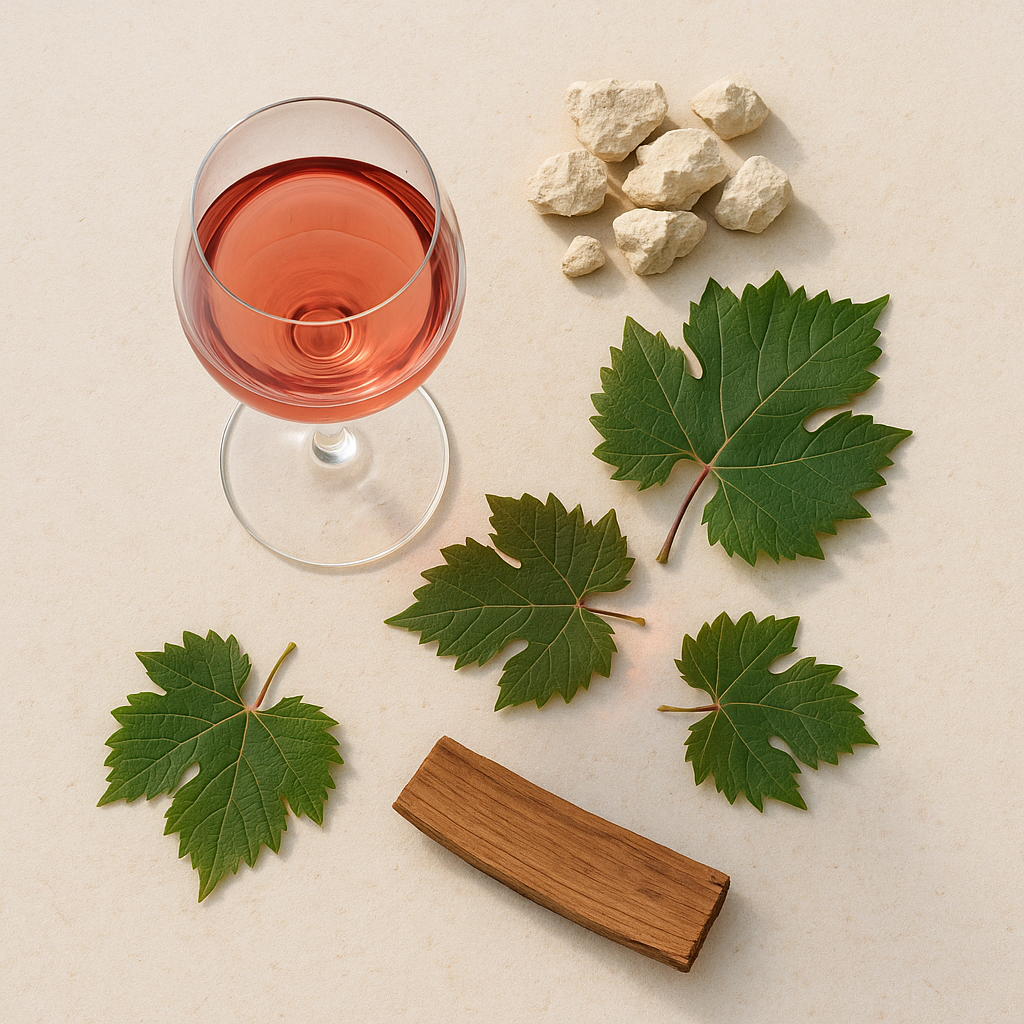
The soil genuinely shifts from one half to the other, and that’s the root of the whole style difference. The Côte de Nuits leans on limestone, thinner soil, steeper slope; the Côte de Beaune has more clay, deeper soil, gentler gradient. That’s why the trade generally sends you north for the great Pinot Noir and south for the great Chardonnay, though there are honourable exceptions on both sides.
| Côte de Nuits | Côte de Beaune | |
|---|---|---|
| Position | North, Dijon to Nuits-St-Georges | South, Ladoix-Serrigny to Santenay |
| Main grape | Pinot Noir (red) | Chardonnay (white), plus fine reds |
| Soil | Limestone-dominant, thinner, steeper | More clay, deeper, gentler slope |
| Key town | Nuits-Saint-Georges | Beaune |
| Famous for | Nearly all the red grands crus | The greatest white grands crus |
Both halves grow both grapes here and there — Marsannay in the Nuits makes white and rosé too — but that table is the shape of it, and it’s the shape most merchants and sommeliers are working from when they recommend a bottle.
Is Côte de Nuits in Côte d’Or or Burgundy?
Both — they nest inside one another. Burgundy is the wine region; the Côte d’Or is the specific escarpment of vines within it, running nearly 50 kilometres south (and slightly west) from Dijon; and the Côte de Nuits is the northern half of that escarpment. So a bottle labelled Côte de Nuits is Burgundy, is Côte d’Or, and is specifically the northern stretch of it.
Above the main slope sit the Hautes-Côtes de Nuits — literally the higher ground behind the famous villages, cooler and less sheltered, where grapes struggle a touch more to ripen. Wines from here, and from the lesser communes of Fixin, Brochon, Prémeaux, Comblanchien and Corgoloin, can be sold as Côte de Nuits-Villages, which is worth remembering if you want the character without the grand cru price tag.
If you’d rather navigate by vineyard than by number, we’ve mapped the whole terrain in Burgundy, decoded: villages, crus and why it costs what it costs. It walks through the pecking order that turns a humble commune wine into a premier cru and eventually a grand cru, and explains exactly what you’re paying for as a plot climbs each step of that ladder.
How do you say “cote de nuits”?
Roughly “coat duh nwee” — the final ‘s’ on Nuits stays silent, as it does in most French place names ending that way. Say it plainly and don’t over-egg the accent; nobody in a good wine shop is grading your French.
The name itself comes from Nuits-Saint-Georges, the market town that gives the whole northern stretch its identity. It’s a working town rather than a picture-postcard one — some trade writers have called it the forgotten corner of the Côte, sitting in the shadow of its more celebrated neighbour Vosne-Romanée next door — but its wines have quietly earned serious respect, and its history runs deep: it was known as Nuits-sous-Beaune before the “Les St-Georges” vineyard got appended to the name.
What are the Côte de Nuits villages?
From north to south, the run is: Marsannay, Fixin, Gevrey-Chambertin, Morey-St-Denis, Chambolle-Musigny, Vougeot, Vosne-Romanée, Flagey-Échezeaux and Nuits-Saint-Georges. Nearly all the red grand crus of Burgundy sit within this stretch, which is why the Côte de Nuits carries the reputation it does among Pinot Noir drinkers.
A few things worth knowing village by village:
- Marsannay sits at the cool northern end, gentler slope, less shelter — the only Côte d’Or village whose appellation covers red, white and rosé.
- Gevrey-Chambertin is the largest village on the Côte de Nuits, home to Chambertin itself and a cluster of related grands crus (Charmes-Chambertin, Chambertin Clos de Bèze among them) — expect fuller-bodied wines here.
- Vosne-Romanée carries some of the most famous names in wine, including La Tâche and Romanée-Conti, and is often described as the pearl of the Côte.
- Nuits-Saint-Georges itself has no grand crus, but strong premier crus such as Les Saint-Georges and Les Vaucrains, and remains fully independent of both Beaune to the south and Dijon to the north.
Picking a bottle: village, premier cru or grand cru
Here’s where it gets practical. Burgundy prices climb in three broad steps: village-level wine (the appellation name alone, like Gevrey-Chambertin), premier cru (a named vineyard within that village), then grand cru (a small handful of the very best sites, standing almost as their own appellation). Style shifts as you climb, but it also shifts village to village regardless of level — Volnay and Chambolle-Musigny tend fruitier and more perfumed, Pommard and Gevrey-Chambertin fuller-bodied and firmer. That’s not a strict rule, more a starting instinct, and winemaking choices (new oak, whole-bunch fermentation) can shuffle it around.
If you want Côte de Nuits character without grand cru money, look at Côte de Nuits-Villages, or climb the hill to Hautes-Côtes de Nuits — cooler, lighter, honest Pinot Noir at a fraction of the price. Fixin is worth a mention here too: fresh, light-bodied red, often underpriced for what’s in the glass. Recent trade coverage has flagged genuine value sitting just off the main Route des Grands Crus between Gevrey and Nuits — you don’t always need to travel far from the famous names to find it.
If commune-by-commune buying is your thing, it works the same way in Bordeaux and Piedmont — see Margaux, Pauillac, Saint-Émilion: choosing Bordeaux by commune or Barolo villages and vintages: Serralunga to La Morra for how the same logic plays out elsewhere.
Questions customers ask us
Is Côte de Nuits red or white? Overwhelmingly red — it’s Pinot Noir country, with only very occasional white wine made here. If you want Burgundy whites, that’s the Côte de Beaune’s job.
Which is more expensive, Nuits or Beaune? Neither half is uniformly pricier — it depends on the village and cru. But the concentration of famous red grands crus in the Côte de Nuits (Chambertin, Romanée-Conti, La Tâche and their neighbours) means its most sought-after bottles sit right at the top of the Burgundy market.
What’s Côte de Nuits-Villages? An appellation for red (mostly) wine from the lesser communes of the Côte de Nuits — Fixin, Brochon, Prémeaux, Comblanchien and Corgoloin — a sensible place to look for genuine character at a gentler price.
Do Gevrey-Chambertin and Nuits-Saint-Georges taste the same? No — Gevrey tends fuller and firmer, Nuits-Saint-Georges combines a heady richness near Vosne with heartier, more tannic wine right around the town itself, and lighter wine further south in Prémeaux.
The merchant’s last word
I’ve poured a lot of Pinot Noir over the years, and the Côte de Nuits still gets me every time — that mix of iron, dark cherry and something almost savoury that Beaune’s reds rarely quite manage. Buy village-level first, learn the vineyard names as you go, and don’t feel you need Chambertin money to drink well here. Come and browse the burgundy cellar and I’ll point you towards something honest.