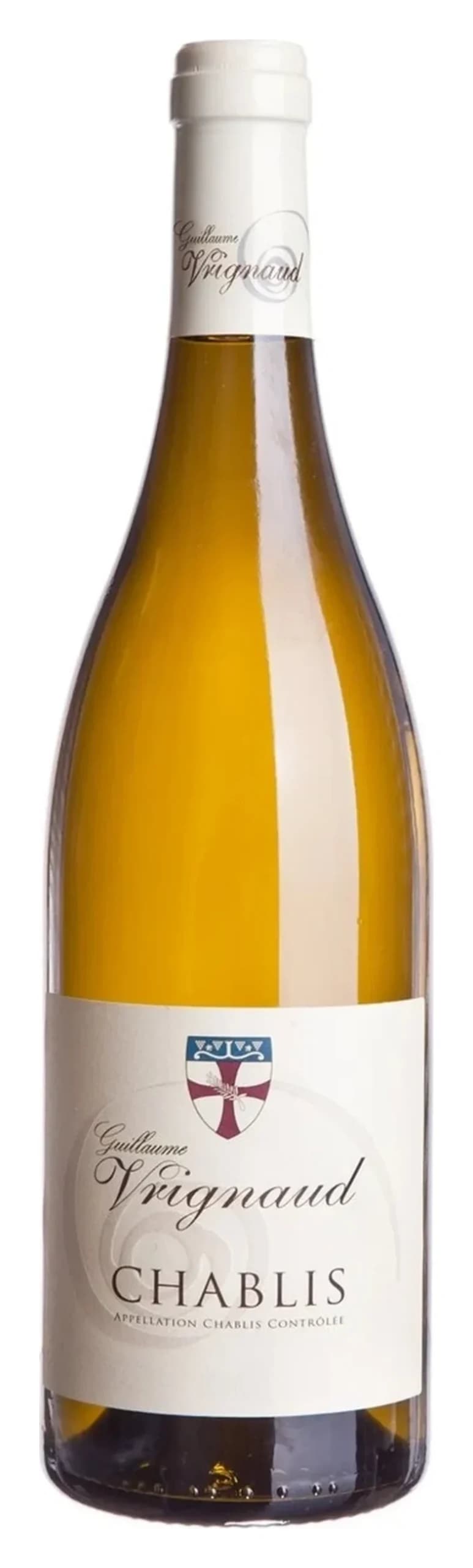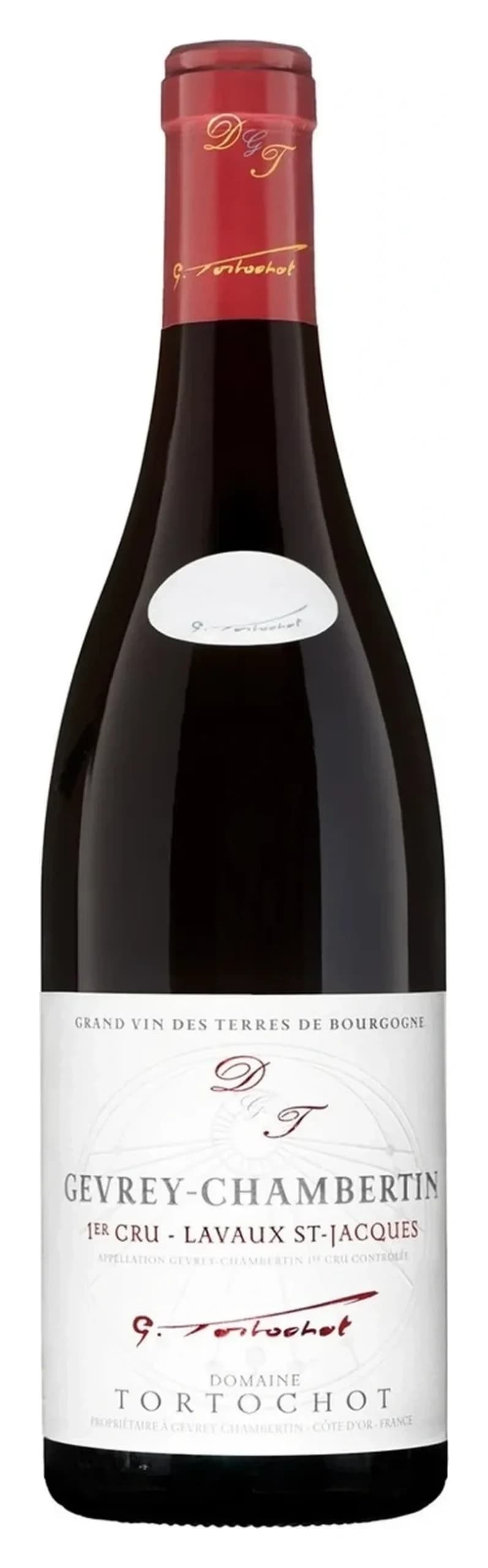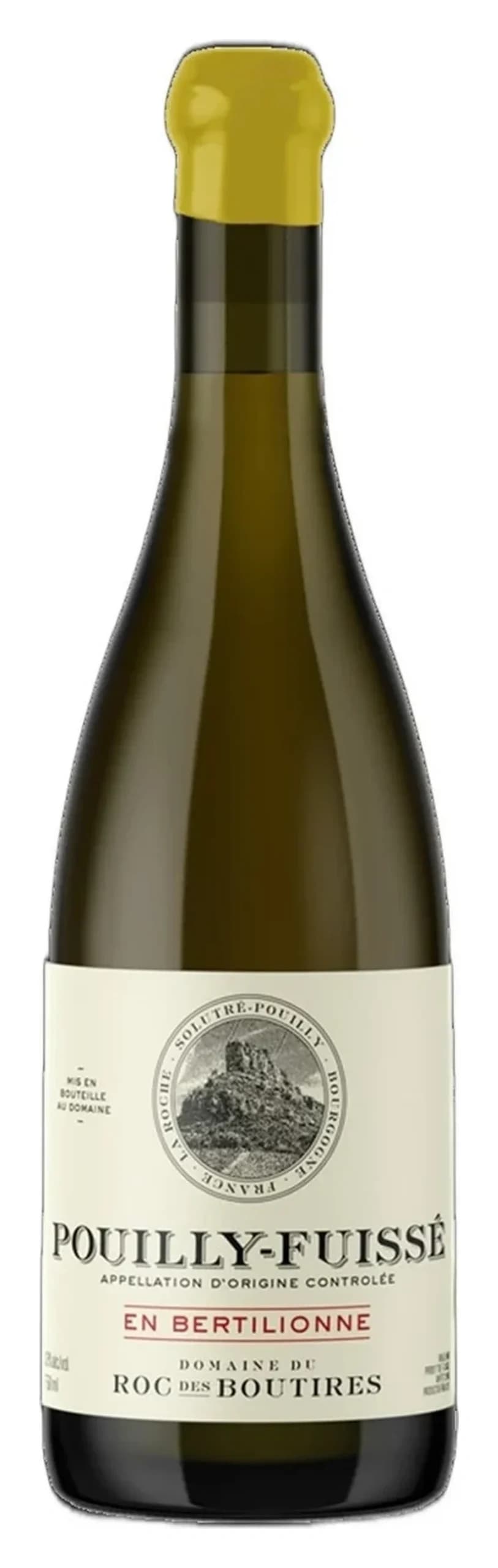
White burgundy wine hides a lovely wrinkle in its own rulebook, and it lives in the Côte de Beaune: Meursault, one of the most celebrated white-wine villages in the region, doesn’t hold a single grand cru vineyard — and nobody who has drunk its best bottles seems remotely bothered. That’s the half of the story a bottle of Chablis never tells you — the richer, oakier, pricier half further south, where Meursault and the villages sharing the name Montrachet work the same Chardonnay grape, on the same limestone, and turn out something quite different in the glass. By the end of this you’ll know how a Chablis, a Meursault and a grand cru Montrachet differ, what actually makes a bottle “great” rather than just expensive, and which one earns its place on a Tuesday versus a proper occasion.
What is a white burgundy wine?
White burgundy is Chardonnay grown in Burgundy, eastern France — full stop, no blending partners allowed (a whisper of Aligoté survives in a corner or two of the Côte Chalonnaise, but that’s the exception that proves it). What changes bottle to bottle is where exactly: the lean, high-acid wines of Chablis up north, the broader and often oak-aged wines of the Côte de Beaune around Meursault and the Montrachets, and the fresher, better-value whites of the Mâconnais and Côte Chalonnaise further south.
Burgundy runs a strict pyramid — regional, village, premier cru, grand cru — and it took me longer than I’d like to admit to stop assuming grand cru always meant “best.” Meursault, oddly, has no grand cru vineyards at all, yet its top premiers crus (Les Perrières, Les Genevrières, Les Charmes) are rarely beaten by anything ranked higher. The grand crus proper sit mostly around the Montrachet name: Le Montrachet itself, straddling Puligny and Chassagne, plus Bâtard-Montrachet, Bienvenues-Bâtard-Montrachet, Criots-Bâtard-Montrachet and Chevalier-Montrachet. If someone offers you a sparkling wine and calls it “white burgundy,” they mean something else entirely — for that side of things, What does Blanc de Blancs actually mean? is the better read. For the full map of villages and crus, I’ve laid it all out in Burgundy, decoded: villages, crus and why it costs what it costs.
Is Burgundy the same as Chardonnay?
No — Burgundy is a place, Chardonnay is a grape, and mixing the two up is an easy trap to fall into. Nearly all white wine from Burgundy is 100% Chardonnay, but plenty of Chardonnay grown in California, Australia or Chile has nothing to do with Burgundy whatsoever. What Burgundy contributes is the place: limestone, aspect, centuries of parcel-by-parcel mapping down to single rows of vines.
I sold Meursault wrong for years by calling it “the buttery one,” as if that were baked into the grape. It isn’t — it’s oak and lees-stirring (bâtonnage) doing the talking, both winemaking choices rather than facts of geography. A Chablis and a Meursault can come from vines a few hours’ drive apart and taste like entirely different wines, purely because one winemaker chooses steel and the other chooses new oak and stirs the lees weekly. If “oaked Chardonnay” has ever put you off a whole region because of one heavy-handed bottle, it’s worth a look at Oak in Chardonnay: what ‘oaked’ really tastes like before writing off the rest.
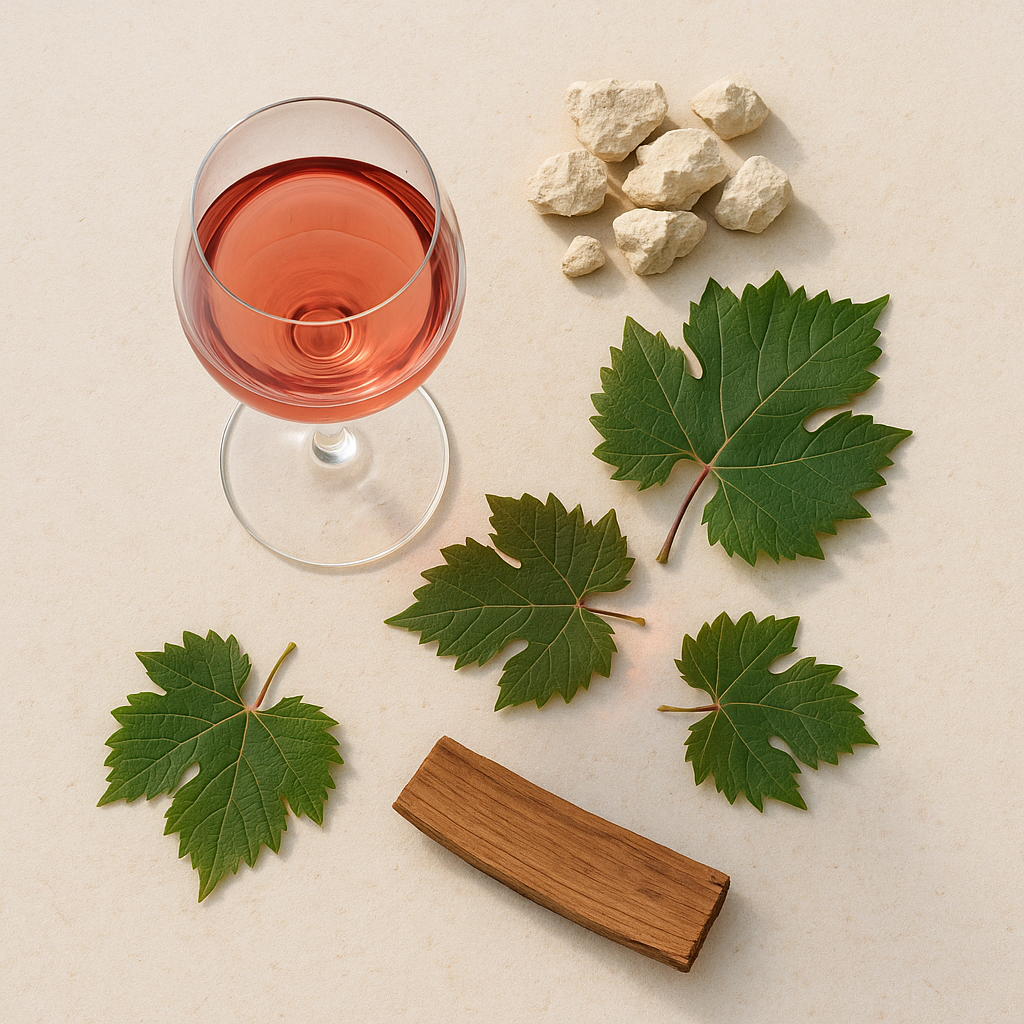
Meursault or a Montrachet: how the two actually compare
They sit a few hundred metres apart on the same slope and still land differently in the glass. Meursault tends to be full-bodied and powerful; Puligny-Montrachet, by trade consensus, leans more floral and concentrated; nobody’s entirely sure why, though soil and winemaking choices both play their part.
| Appellation | Grand cru? | Typical style | Rough price shape |
|---|---|---|---|
| Mâconnais / Côte Chalonnaise (incl. Montagny) | No | Fresh, more body and acidity than basic Bourgogne | Accessible |
| Chablis | Yes, at the top (7 named vineyards) | Steely, high acid, little or no oak | Accessible to mid |
| St-Aubin | No | Fresh, energetic, echoes of Puligny in warm years | Mid, good value |
| Meursault | No, but premiers crus rival grand cru | Full-bodied, powerful | Premium |
| Puligny-Montrachet | 2 whole, 2 shared | Floral, concentrated | Premium to very high |
| Chassagne-Montrachet | 2 shared | Similar family, once known more for reds | Premium |
| Grand Cru Montrachet family | Yes | The apogee — dense, ageworthy, powerful without heaviness | Collector territory |
Worth knowing: St-Aubin sits tucked between Meursault and Puligny and has quietly shifted toward white production over the past few decades. It borrows some of Puligny’s character at a fraction of the cost — my go-to tip for anyone who wants a taste of that neighbourhood without the neighbourhood price tag, and another spot where the official ladder undersells what’s in the glass.
What is a great white burgundy wine?
A great bottle balances ripeness with restraint rather than just piling on power — think ripe apple and peach fruit alongside a mineral edge, cream or marzipan character without ever tipping into heaviness. Cooler, later-ripening vintages often produce the most compelling examples, because the fruit arrives at lower sugar levels and higher natural acidity holds everything in shape. Trade tasting notes on recent top-scoring grand cru whites have flagged exactly this: full flavour landing at a lower alcohol than many warmer vintages manage, with the balance doing the impressive part.
Vintage matters more here than in most wine regions, because Burgundy’s climate sits right on the edge of what ripens Chardonnay properly. Recent trade commentary on vintages like 2019 and 2020 described one as generous and “hedonistic,” the other as more concentrated and structured for the cellar — useful to know if you’re buying to drink this year versus buying to forget about for a decade. And greatness doesn’t require a grand cru label: an excellent Meursault premier cru, or a well-chosen St-Aubin in a good year, regularly overdelivers against wines costing several times more.
It’s also worth knowing that Burgundy whites have become a serious collector category in their own right, with global demand for the best small vineyards keeping allocations tight and secondary-market prices historically high — though recent softening in the fine-wine market has reportedly opened a few doors for patient buyers. None of that changes what matters at home: buy what you’ll actually enjoy drinking, not what you think you ought to be laying down.
On the table: what to actually do with it
Meursault’s weight and texture make it a proper food wine rather than something to sip on its own. Trade pairing guides point it toward Roquefort and other rich cheeses, cod, turbot, lobster, mushrooms, seafood risotto and veal — anything with a bit of richness that a lean Chablis would simply disappear next to. It’s also the classic pour alongside a proper cream sauce, and it does no harm at all next to something steamed and finished with butter, which covers rather more Tuesday dinners than people give it credit for.
The general rule across Burgundy’s whites: match weight to weight. Save the grand cru Montrachets for the occasion that deserves them — a whole roast turbot, a proper lobster, the dinner you’ve been building up to — and keep a village Mâcon or St-Aubin on hand for the nights when you just want a good glass of white with the pasta.
Questions customers ask us
Can you get a white burgundy wine? Yes, across every price point — from easy-drinking Mâcon and St-Véran right up to the grand cru Montrachets. Availability gets noticeably tighter near the top, since the best vineyards are tiny and demand from around the world means allocations move fast.
Does white burgundy always mean oak? No — plenty of it, especially from Chablis and the Mâconnais, sees little or none. Oak use is a winemaking decision made village by village, sometimes producer by producer, not a rule of the region.
The merchant’s last word
I still think Burgundy’s white wines are the best argument going for why place matters more than the label of the grape on the bottle. A Chablis and a Meursault are both just Chardonnay, and yet they’ve nothing in common on the palate — that gap is the whole point, and — as Meursault’s missing grand cru proves — the official rulebook doesn’t always get the last word on which glass wins. It’s why I keep both on the shelf rather than picking a side. Come and browse the burgundy cellar and let’s find the one that fits your Tuesday, or your occasion.