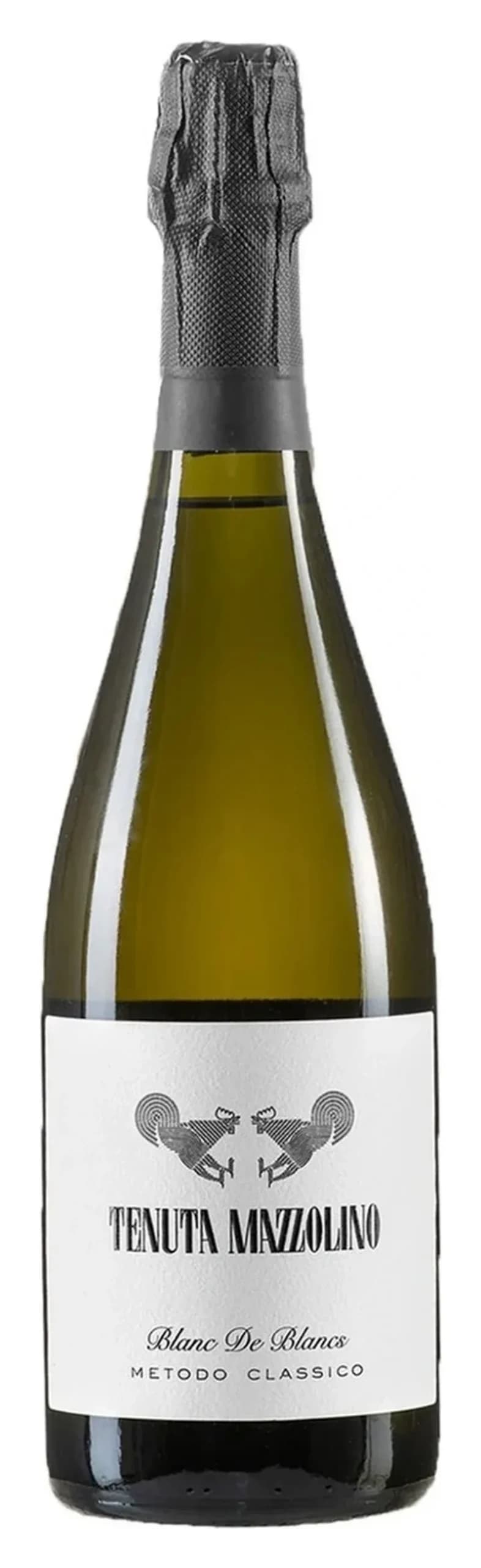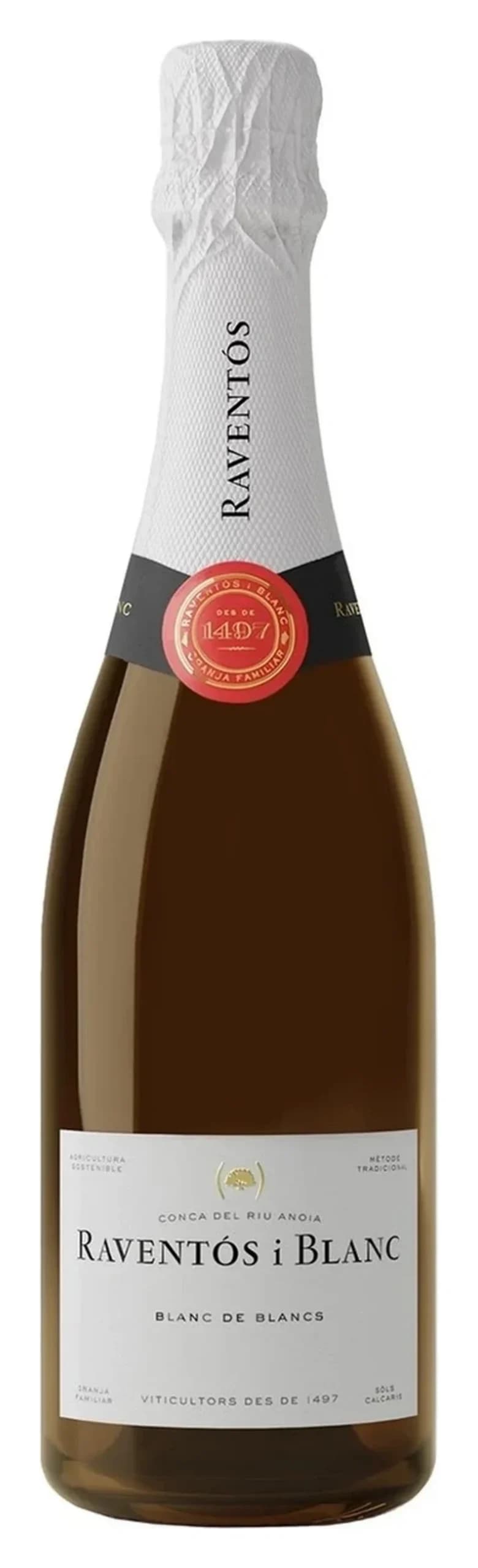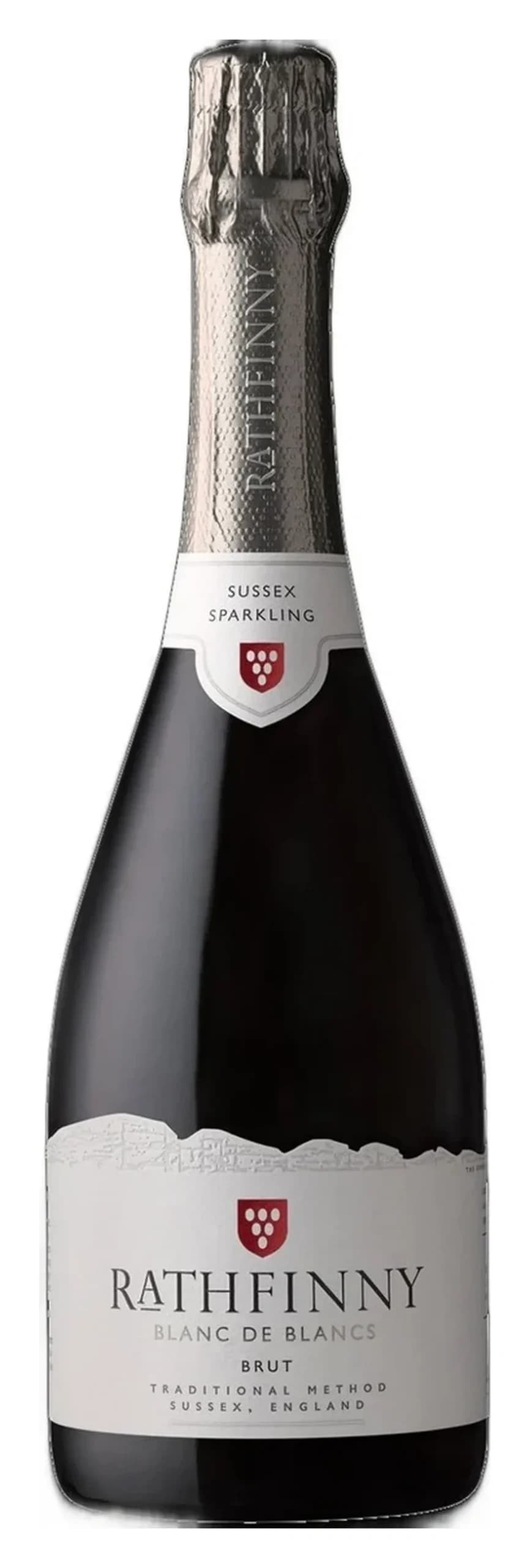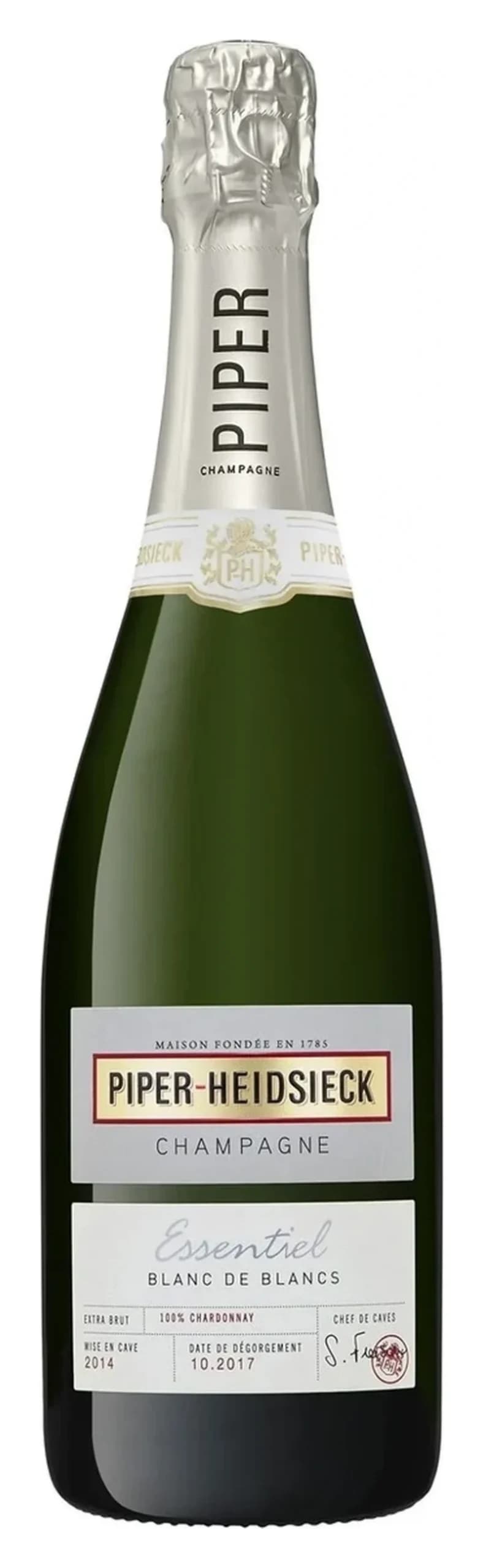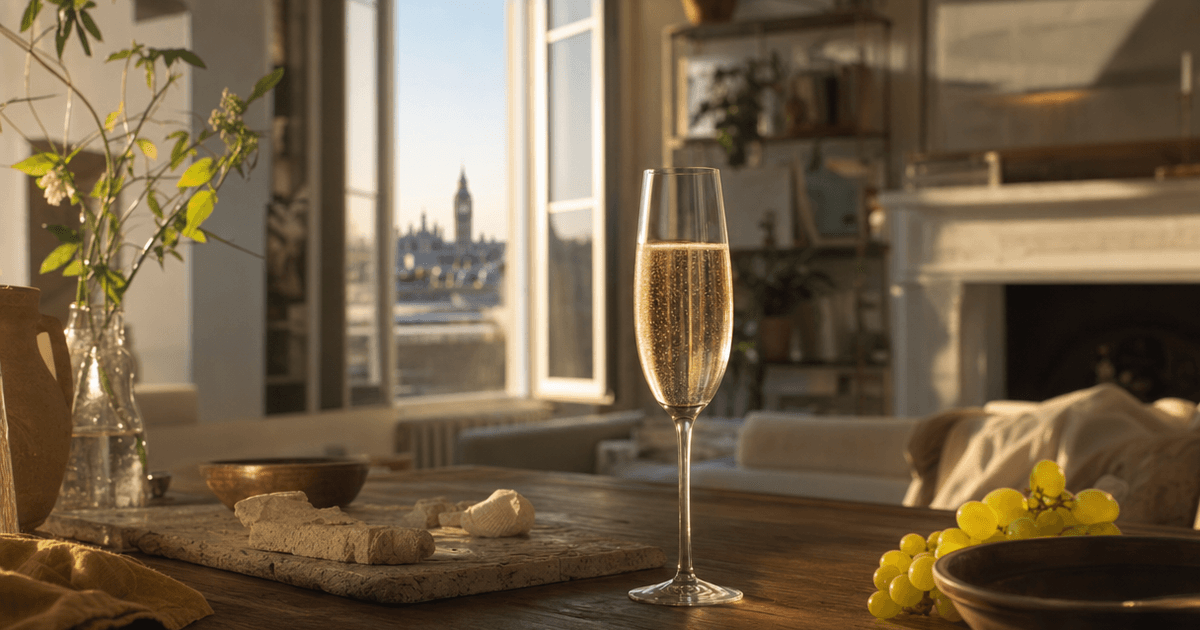
Champagne blanc de blancs is made entirely from Chardonnay. No Pinot Noir, no Meunier, nothing else in the blend. If one line settles it: blanc de blancs is the champagne defined by what’s left out — one grape, no blending of colours, nowhere for the winemaking to hide. That restraint is the thread running through everything below: what it actually buys you in the glass, how to choose a bottle that suits what you’re after, and when a standard blend will serve you just as well (sometimes better).
Blanc de blancs is French for “white of whites,” and on its own that phrase can describe any white wine made from pale-skinned grapes — most white wine, in other words. It only earns its keep as a term in sparkling wine, because most champagne is a blend of black and white grapes. When a bottle says blanc de blancs, it’s telling you something genuinely unusual has happened in the blending room: nothing happened, because there was no blending of colours at all.
Why it’s all Chardonnay, and why that matters
Chardonnay gets pressed gently, straight after picking, so the juice runs clear before the skins can do anything to it. That’s true of black grapes too in champagne generally, but with Chardonnay there’s no pigment to worry about in the first place — the wine starts pale and stays that way.
The classic engine room for this is the Côte des Blancs, south of Épernay: villages like Cramant, Avize and Le Mesnil-sur-Oger sit on a seam of chalk that the reference books single out for a particular kind of citrus-and-mineral clarity. Go south again to the Côte des Bar and the same grape turns rounder, more generous, less austere in youth. Same variety, different Tuesday, different wine.
What you’re buying, structurally, is texture and patience. Chardonnay in this style is famous for needing time — young blanc de blancs can be lean, even a bit stern, and it’s the ones that get cellared that show what the fuss is about.
| Style | Grapes | Typical body | Ageing |
|---|---|---|---|
| Blanc de Blancs | 100% Chardonnay | Leaner, more austere young | Best examples age exceptionally well |
| Blanc de Noirs | Pinot Noir and/or Meunier | Fuller, richer | Tends to develop faster |
| Standard blend | Chardonnay, Pinot Noir, Meunier | Balanced, house-dependent | Varies by house style |
If taut, chalky and patient sounds like your kind of glass, that’s a shelf worth asking for by name — the rest of this piece is about finding the right bottle on it.
How to choose one — the region tells you more than the label
I used to hand people a blanc de blancs the moment they said “something special” — the word just sounded right for the occasion. Took me a while to ask the better question instead, which is what you actually want that Tuesday evening: something taut and appetite-sharpening, or something with more flesh on it.
Non-vintage blanc de blancs has had real momentum in the trade over the past few years — several well-known houses now keep one in the regular range rather than saving the style purely for a prestige, once-a-decade release. That’s good news if you want to try the style without committing to a £100-plus vintage bottling.
A few things worth checking on the label or asking the person behind the counter:
- Village or region named — Côte des Blancs suggests the classic, chalky, citrus-driven version; Côte des Bar or Montagne de Reims can mean something rounder or more floral.
- Vintage or non-vintage — vintage blanc de blancs rewards patience and a decent cellar; non-vintage is built to drink now.
- Grand cru or premier cru on the label — a quality signal about where the fruit was grown, worth a small premium if you’re choosing between two similar bottles.
My standing steer, for what it’s worth: start with a non-vintage from a Côte des Blancs village if you want the classic chalk-and-citrus expression, and only step up to a vintage grand cru once you know the austerity is something you enjoy rather than endure.
English sparkling wine plays this game too now — a blanc de blancs from Sussex or Hampshire chalk follows the same all-Chardonnay logic on different soil. Worth trying if you want to see what the grape does without the Champagne postcode.
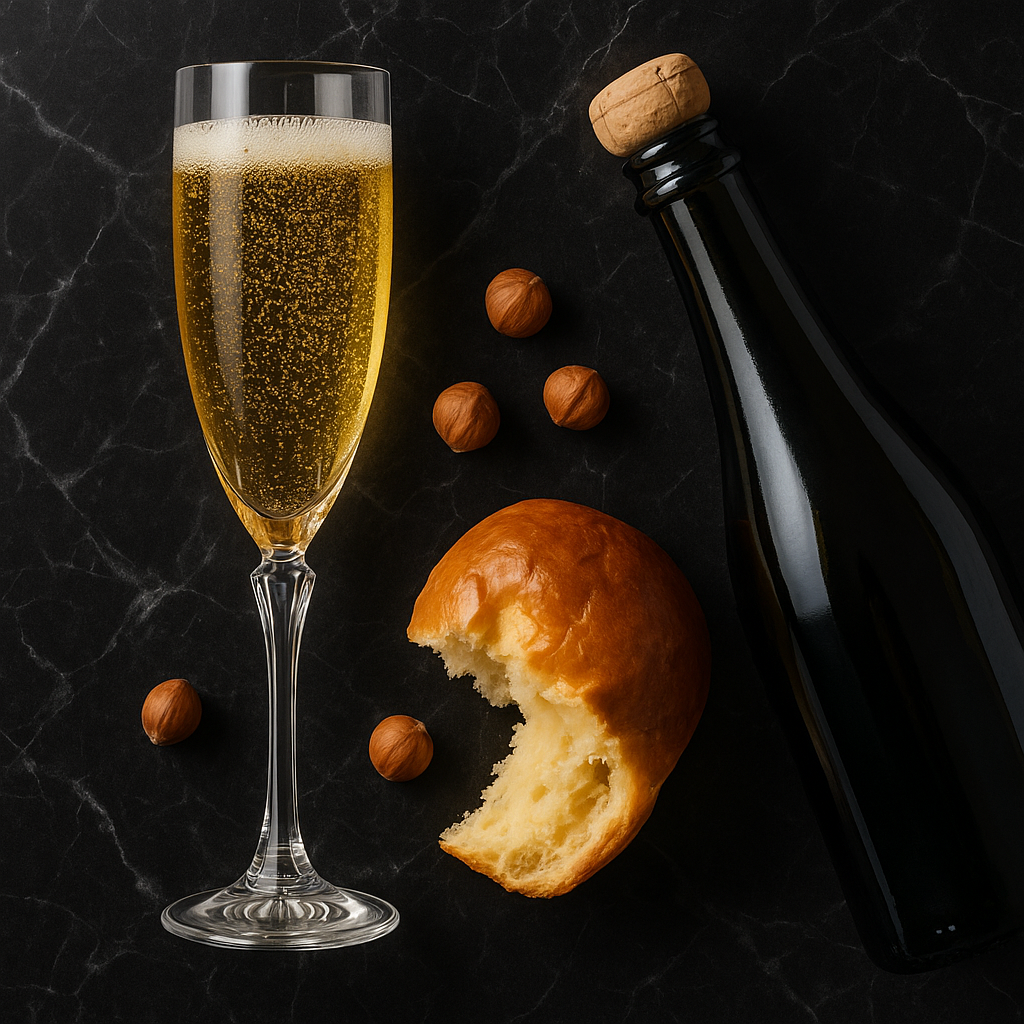
How do I judge whether a blanc de blancs is good?
Styles and vintages vary bottle to bottle, so rating one specific one for you would be a bit dishonest — what I can offer instead is the shape of it. The houses worth trusting in this style show consistency across releases — vintage after vintage tasting recognisably like themselves even as the years vary — and that consistency is itself the quality signal worth looking for.
Judging any blanc de blancs comes down to the same handful of things: is there real chalky minerality under the fruit, does the acid feel alive rather than just sharp, and does it have the structure to actually improve given a few more years in a cool, dark corner rather than sitting on a shelf under the kitchen strip light. Colour helps too — a deeper gold usually means more bottle age, more toast, more roundness. The rule of thumb worth keeping: pale and taut means wait; gold and toasty means drink. If you’re choosing between two bottles on the shelf, that one glance tells you which is tonight’s and which is next year’s.
Is blanc de blancs better than a classic house blend?
It’s less a question of better, more a question of which job you want done — they’re not really competing for the same one. A blanc de blancs sits with the all-Chardonnay, single-variety style; a classic house blend is built on a fuller, Pinot-led (or three-grape) style designed for consistency across years. Better is about what you want in the glass that evening, not which name looks grander on the label at a dinner party.
This is where it’s worth separating house style from grape style. A grand marque’s entry-level non-vintage tells you about their blending philosophy across three grapes and multiple years; a blanc de blancs from the same or a different house tells you what Chardonnay alone, from a specific patch of chalk, can do. Comparing across that divide is like comparing a blended whisky to a single malt — different aims, different pleasures, and no honest ranking between them. If you already know which pleasure you’re after tonight, you’re most of the way to the right bottle.
What’s actually special about blanc de blancs?
Nothing about any one house’s name is special — what’s special is the discipline of the style itself. Committing an entire cuvée to one grape, pressed gently and given time, is a harder, less forgiving way to make champagne than blending three varieties to smooth out a difficult year. Any house doing it properly is chasing purity and longevity over easy drinkability.
If you want to understand what unblended Chardonnay is actually capable of without the bubbles getting in the way, still Chablis is the cleanest comparison — same grape, same chalky instinct, no fizz to hide behind (our Chablis guide goes into that). And because top blanc de blancs is almost always made and aged without oak, it’s worth knowing what oak actually does to Chardonnay so you can spot its absence here — that’s covered in our piece on oaked Chardonnay.
Serving it, and what it costs in shape
Blanc de blancs wants a bit of air and a bit of warmth compared with a straightforward NV blend — pull it from the fridge fifteen minutes before pouring, and don’t drown it in a flute so narrow you can’t get a nose on it. It’s a wine for the first course — oysters if you’re doing it properly, good bread and butter if you’re not — or for drinking on its own, rather than for toasting through an entire evening.
On price: expect to pay a meaningful step above a house NV blend for a serious blanc de blancs, and well into three figures for mature vintage bottles as age and reputation stack up. Non-vintage blanc de blancs sits more accessibly, and is the sensible place to start if you’re curious rather than committed. For the fuller picture on how champagne styles and house price points fit together, our pillar guide to champagne is worth ten minutes.
Questions from the shop counter
Can blanc de blancs be rosé? No — by definition it’s white wine made entirely from white grapes, so it can’t be rosé. If you want pink fizz with real depth, look at a vintage rosé or a blanc de noirs instead, which get their colour and body from Pinot Noir and Meunier.
Is blanc de blancs always vintage-dated? No — and a good non-vintage blanc de blancs is built for a different job than a vintage one: drink it on release, no cellar required. Save the patience for the vintage bottlings.
Does blanc de blancs taste different from blanc de noirs? Yes, noticeably. Blanc de blancs tends to be leaner and more citrus-driven young — good with oysters or a simple fish course. Blanc de noirs, made from Pinot Noir and/or Meunier, is fuller-bodied and develops faster, and stands up better to richer food — roast chicken or a hard cheese rather than a starter.
Is blanc de blancs the “best” champagne style? Not inherently — it’s a different style, not a better one. Some of the finest champagne ever made has been a blend of all three grapes.
The merchant’s last word
I sold blanc de blancs wrong for years — pushing it as the posh option rather than explaining what it actually is. It’s not posh, it’s specific: one grape, one job, done properly. If that sounds like what you fancy this week, come and browse the champagne cellar and I’ll point you at the ones earning their price.