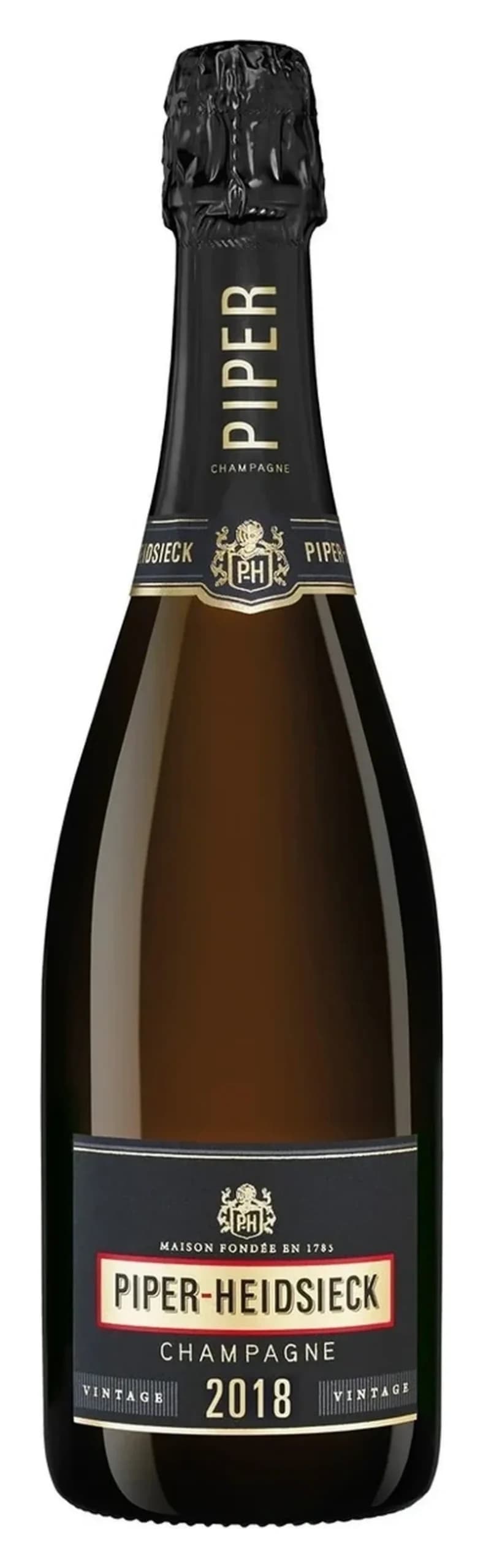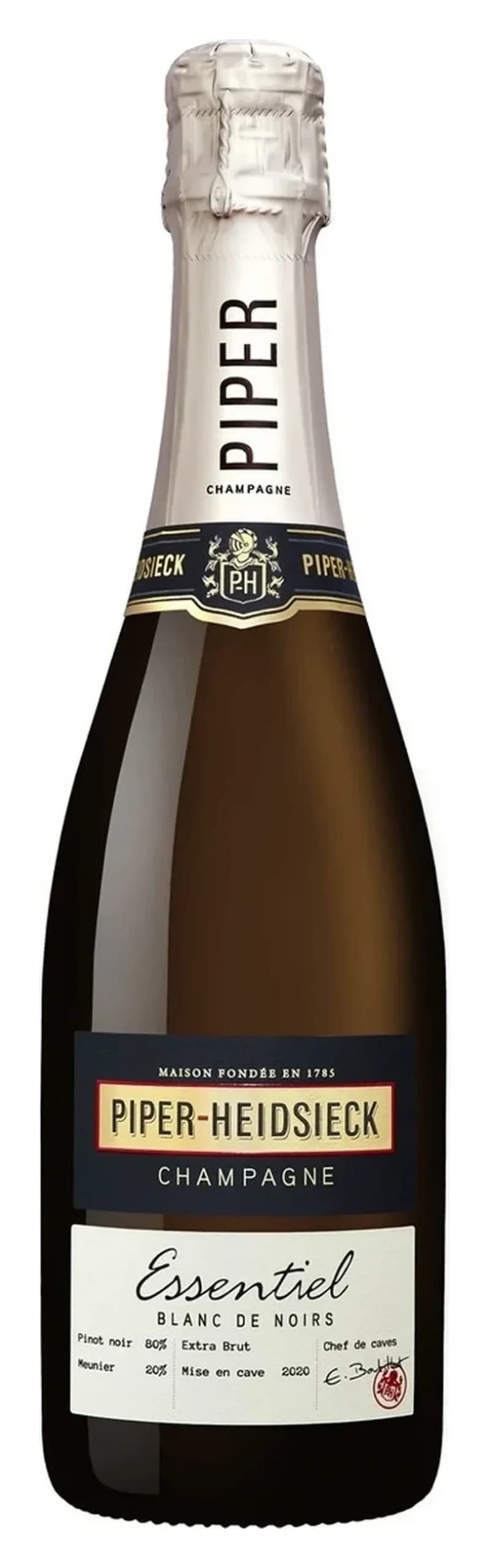
Vintage vs non-vintage Champagne is the first proper decision you get to make once you’ve moved past “I just want fizz” and started actually caring what’s in the glass. Two facts first, plain and citable: non-vintage Champagne (NV) is blended from several years’ harvests, usually built mostly around the most recent one with older reserve wines added in to smooth things out. Vintage Champagne is made entirely from a single year’s grapes — one harvest, stated on the label, and most houses only bother declaring it in years good enough to earn that year printed on the front. By the end of this you’ll know which one to reach for without a second thought, and which one earns its extra pound or two.
What’s the actual difference between vintage and non-vintage Champagne?
Non-vintage is a blend built for repetition — mostly this year’s wine, topped up with reserve wines from previous vintages to smooth out whatever the weather did. Vintage sets the blending across years aside entirely: one harvest, and that’s it. The rulebook backs this up — NV needs a minimum twelve months ageing on its lees (fifteen months total before release), vintage a minimum of three years, though most producers worth your money go well past both floors.
That reserve wine system didn’t start as a quality trick. It began as insurance — a way of putting aside better-year wine in case a future harvest came up short on volume. Over time it’s become the thing that actually raises the average quality of non-vintage Champagne, not just protects it. Some growers even run two tiers of NV: a basic entry blend, and a stricter, smaller-volume selection sold as their house’s top non-vintage — often better than plenty of vintage-dated wine costing more. If you fancy the wider map of styles and how houses differ, the pillar guide to Champagne is where I’d send you next.
Is vintage Champagne always the better bottle?
Not automatically — and this is somewhere I got it a bit wrong myself on the shop floor for years, nodding along as if vintage was simply NV-plus. It isn’t a promotion. It’s a different aim. Non-vintage exists to repeat a house’s signature, deliberately, year on year. Vintage exists to show you what one specific year actually tasted like, unfiltered by blending across seasons.
The best comparison I’ve come across treats a big house’s multi-vintage blend — sometimes built from a dozen or more years’ reserves — like a symphony orchestra: many components, one harmonious whole. A vintage-dated wine from a single harvest is closer to chamber music, a handful of voices. A single-vineyard cuvée narrows further still, a soloist. None of those is objectively “better” — they’re different instruments, and which one you reach for is really down to the evening you’re having.
Some years make the decision easy. In genuinely outstanding growing seasons — the reference books point to 2002 and 2008 as examples — nearly every producer in Champagne declares a vintage, because the fruit simply earned it. In lesser years, plenty of houses skip vintage altogether and pour everything into the NV blend instead. That’s also partly why vintage sits a bit awkwardly in the market right now: recent trade coverage suggests it’s being squeezed between the everyday non-vintage bottle on one side and the prestige cuvée on the other, without quite having its own identity. Non-vintage, meanwhile, still accounts for the overwhelming bulk of what’s shipped out of the region. For the harvest-and-weather side of all this — what a wet September actually does to a wine — Vintage variation: does the year on the bottle matter? goes further than I can here.
When should I actually reach for vintage over non-vintage?
Reach for vintage when you want the wine tied to something real — a specific year’s weather, a specific harvest, not a house’s ongoing signature. It’s also the one to buy if you plan to keep it a while, or if you’re simply curious what a single difficult or brilliant year tasted like once it made it into the glass.
There’s a lesser-known style worth knowing here too: late-release, or “recently disgorged,” wines. These are vintage Champagnes aged on their lees for far longer than usual, then disgorged and released just before sale. They taste more youthful at first than you’d expect for their age, then open out differently to a bottle of the same vintage disgorged and sold years earlier. It’s a genuinely different experience from the same harvest, not just an older bottle of the same thing.
| Non-vintage (NV) | Vintage | |
|---|---|---|
| Base wine | Blend of several years, reserve wines added | One single year only |
| Minimum lees ageing | 12 months (15 months total before release) | 3 years |
| What it’s built to do | Repeat the house’s style, bottle after bottle | Show the character of one specific year |
| Typical price tier | Entry-level to mid | Premium to super-premium |
| Reach for it when | No occasion needed, an easy Tuesday pour | Marking something, laying down, or curiosity about a year |
Does non-vintage Champagne age, or should I drink it straight away?
It’s not built for long cellaring the way vintage is, but that doesn’t mean it needs drinking the week you buy it. Dosage — the small addition of sugar at final bottling — behaves a bit like a preservative, so wines with more of it tend to hold longer than bone-dry styles. An upper-tier non-vintage, the kind built from a stricter selection, can genuinely reward a year or two tucked away in a cool, dark cupboard rather than the fridge door.
Oddly enough, some of the driest wines going — low-dosage or completely undosed Champagnes — still develop beautifully over time despite having none of that sugary cushion, provided the fruit going in was ripe and properly grown. And there’s a slow chemical process at work in all good Champagne worth knowing about: over years of ageing after disgorgement, a reaction similar to what happens when you brown butter in a pan builds those biscuity, toasted notes that no amount of clever winemaking can fake straight out of the gate. If cellaring wine generally interests you beyond Champagne, Which wines actually improve with age? is worth a read alongside this.
Questions from the shop floor
Why don’t most Champagne bottles show a year at all? Consistency, mostly. Champagne sits at the cold, marginal edge of where wine grapes can reliably ripen, so one bad storm can knock a harvest about — blending across years is how houses keep delivering the same bottle every single time.
What’s “multi-vintage” then — is that different from non-vintage? Not in substance, more in framing. It’s the same practice of blending several years together, but used by producers at the premium end who want to be upfront that skill and blending, not a single lucky year, made the wine.
Is prestige cuvée always vintage? Not always. Some of the best-known prestige cuvées are non-vintage blends drawing on a dozen or more years of reserves; others are strictly single-vintage, sometimes even single-vineyard. The “prestige” tier and the vintage/non-vintage question are two separate decisions worth untangling on their own.
Does blanc de noirs or rosé change any of this? Not really — it sits alongside, not instead of. Blanc de noirs is white Champagne made entirely from red grapes; rosé is usually a blend of red wine into white, sometimes made by skin contact instead. Either can be released as vintage or non-vintage.
The merchant’s last word
I’ll be honest — for years I pushed vintage on anyone spending over thirty quid, as if the year on the label was automatically the upgrade. It took me a while to ask the better question instead — what’s this actually for? Some of the best glasses I’ve poured this year were a proper grower’s non-vintage, no date in sight. Buy vintage when you want that one year’s story; buy NV when you want a house doing what it does best, reliably. Either way, come and browse the champagne cellar and I’ll point you at the right bottle for what you’re actually after.