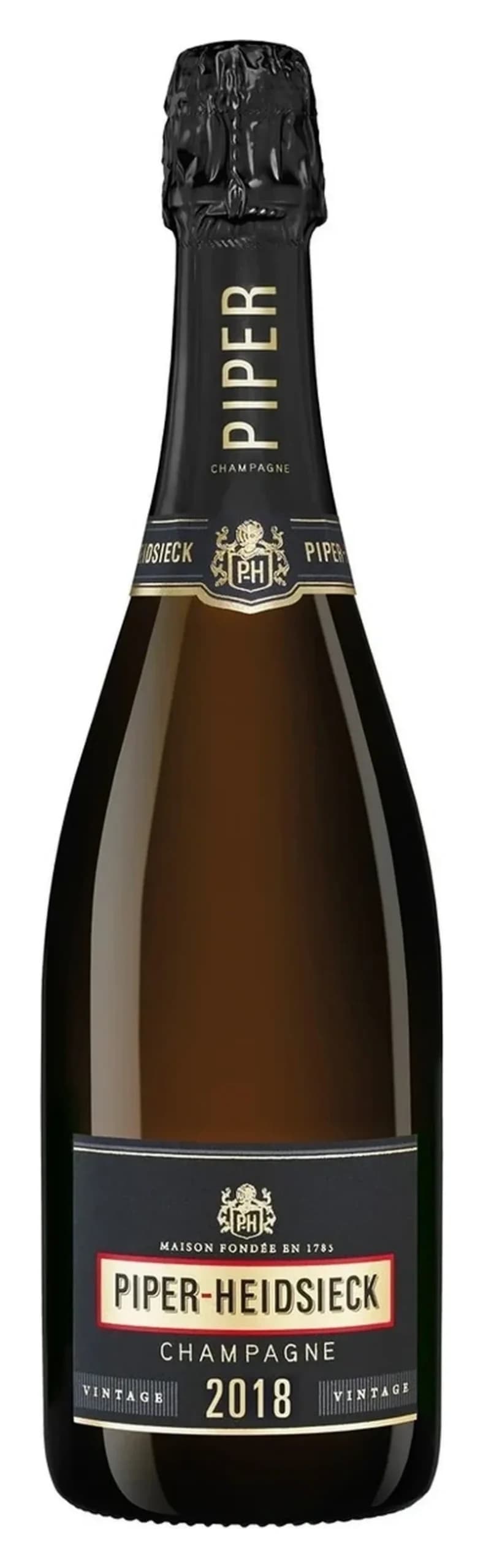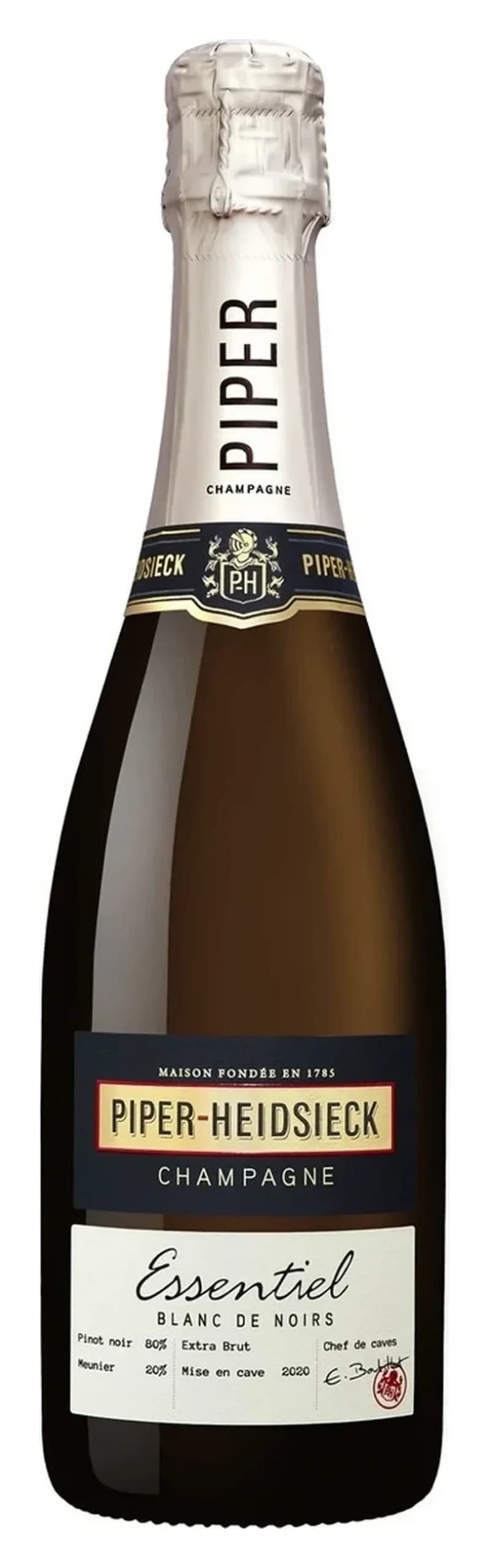
Sparkling English wine has stopped being a novelty in my shop and become a proper question — do you buy the local stuff, or stick with Champagne? I get asked this most in December, standing at the fizz shelf with someone who’s had a good bottle at a wedding and wants to know if it was a fluke. English sparkling wine is traditional-method wine made in England and Wales, mostly from Chardonnay, Pinot Noir and Meunier — the same three grapes Champagne is built on. Most of it sits in the premium-to-super-premium bracket, and almost none of it leaves the country. By the end of this you’ll know what to call it, how big the category really is, what to buy, and whether it genuinely rivals Champagne — or just borrows its methods.
What is English sparkling wine called?
There’s no single trade name for it, which trips people up. If it’s made by the traditional method from one of six approved grapes — Chardonnay, Pinot Noir, Pinot Noir Précoce, Meunier, Pinot Blanc or Pinot Gris — and meets the rules, it can carry the English Quality Sparkling Wine PDO. Sussex earned its own PDO in June 2022, for wines made predominantly from Chardonnay, Pinot Noir and Meunier grown within the region.
Anything made from other varieties — German crossings, hybrids bred for cold climates — gets a PGI instead, and is labelled using EU sweetness terms, most of it landing as Brut. That older style is a leftover from the industry’s post-war beginnings, when hardy crosses were planted because nobody was confident Champagne grapes would ripen here. That confidence only arrived in the late 1980s, when Champagne varieties went into the ground at a handful of estates in Sussex with the explicit aim of making traditional method fizz — and the early results were good enough to convince others to follow. If you want the fuller story of how still wine fits alongside all this, English still wine: beyond the bubbles covers the other side of the same vineyards.
How many English sparkling wines are there?
Not many, by world standards — but growing fast. Total plantings across England and Wales (covering still and sparkling together) sit around 4,200 hectares, having grown more than 120% in the decade to 2023. Chardonnay, Pinot Noir and Meunier now make up 68% of all plantings, and sparkling wine accounts for roughly 76% of total production.
Trade figures from the mid-2010s put the number of wineries at around 124, with about 60% of output sparkling. Annual production has swung wildly year to year — one comparison showed just over 4 million bottles in a good year against barely 1 million two years later, purely down to weather. That volatility is why most producers now try to hold four to five years of stock, so a poor harvest doesn’t leave the shelves bare. It also explains why so little gets exported: trade estimates put over 90% of English sparkling wine consumed right here in the UK, a third of it sold straight from the cellar door, with exports sitting at around 8% of sales. If it’s local character you’re after in a still glass too, English rosé: the new summer local? is worth a look. Scarcity cuts both ways, mind — when a bottle you love turns up on a shelf, that’s the moment to buy it; the next harvest may be a fraction of the size.
What’s the best English sparkling wine?
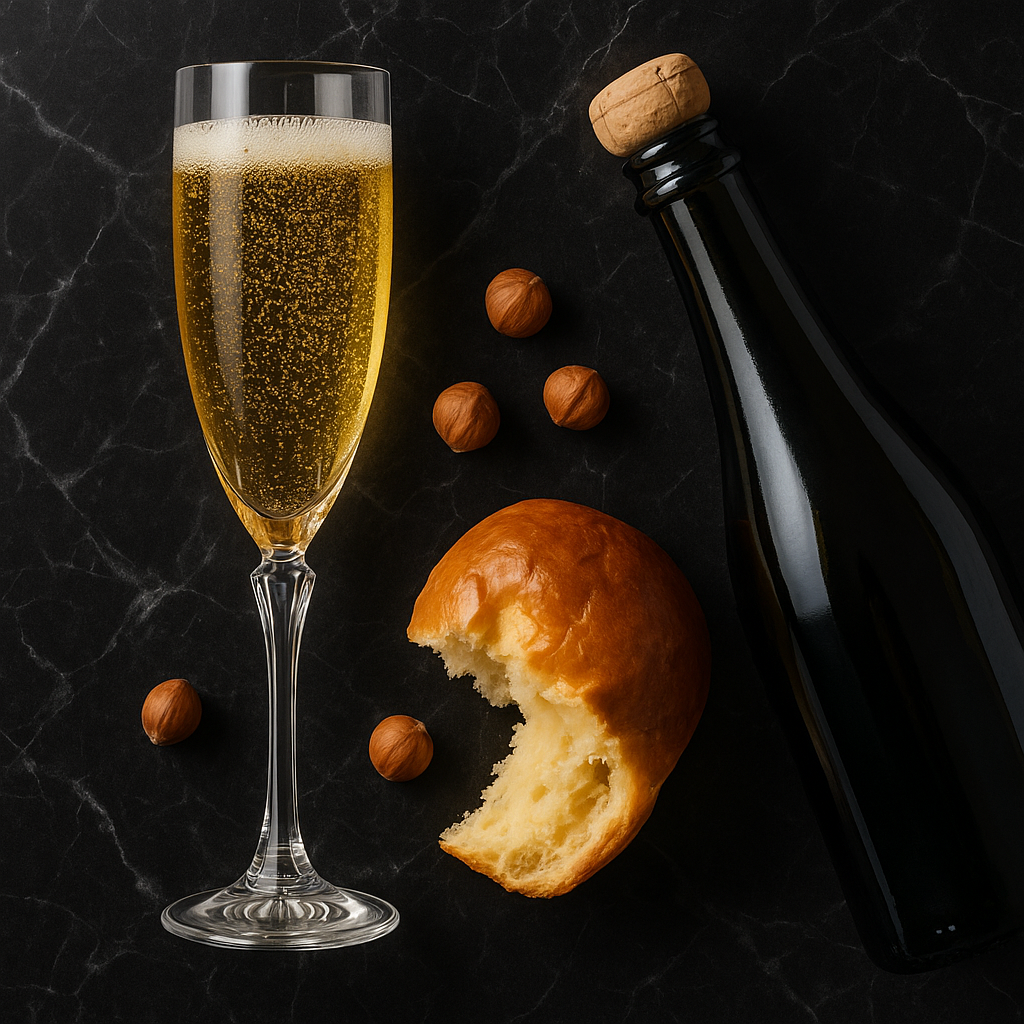
Honestly, “best” depends on what you’re pouring it for. A non-vintage blend suits a Tuesday worth marking; a vintage cuvée with real lees age suits the wine actually being the point of the evening. Style, price band and occasion matter more than chasing a single “top” bottle.
| Style | Character | Price band | Reach for it when |
|---|---|---|---|
| NV Brut blend | Apple, lemon, light autolytic note, high acid | Premium | Aperitif, everyday celebration |
| Blanc de blancs (100% Chardonnay) | Citrus, chalky, taut | Premium–super-premium | Seafood, fine dining |
| Rosé, traditional method | Red berry, firmer structure | Premium | Summer lunches, brunch |
| Vintage cuvée, extended lees | Riper fruit, more toast and depth | Super-premium (£40+) | Special occasions, comparing directly with Champagne |
A word on why English fizz tastes the way it does: cool-climate grapes here are frequently “just-ripe” rather than fully ripe, which keeps acidity high and alcohol modest — usually 9 to 11% in the base wine before a second fermentation adds another point or two. Malolactic conversion gets used widely to soften that acidity down to something drinkable. Most base wine is unoaked, though a few producers fold in a portion of old oak for texture. And because reserve-wine libraries are still young — many producers are only now building up enough stock to blend vintage to vintage — non-vintage English wines can vary more bottle to bottle than an equivalent NV Champagne. Ask whoever’s selling it what this year’s blend leans on. That’s a better question than asking for “the best one.” And if you’re starting from nothing, my honest steer is the NV Brut blend in the premium band — it’s the style the category does most confidently — then a blanc de blancs once there’s seafood on the table and you know you like that taut, chalky cut.
Is English sparkling wine as good as Champagne?
At the top end, yes — repeatedly, in blind conditions, it has beaten Champagne outright. In one widely reported 2016 blind tasting organised by British wine trade figures and judged by leading French tasters, English sparkling wine came out ahead in two of three flights and tied the third; several judges mistook the English wines for Champagne entirely.
Since then the comparisons have kept coming. A 2019 blind tasting comparing English and Champagne non-vintage wines found Champagne still edging ahead on average — but not in every glass, and the gap was narrower than most people expected. Trade opinion generally agrees the closest fight happens in the £25–£50 bracket, where the best English wines are now judged structurally different from Champagne rather than simply lesser: drier, more citrus-driven, leaner on the palate because of that high natural acidity, rather than trying to imitate Champagne’s riper style. Champagne still holds the edge in consistency across a full non-vintage range, partly because of a century’s head start on reserve stocks and blending experience — not because the fruit or the method is inherently better. If you want the fuller picture of how Champagne itself is built, styled and chosen, the pillar guide — Champagne, explained by a merchant: styles, houses and how to choose — is the natural next stop. Want to run the experiment yourself? The fairest match-up sits in that £25–£50 bracket: one English bottle against a non-vintage Champagne, labels covered if you can bear it — cheaper than a case of guesswork, and twice as convincing.
Where it’s sold, and what that means for your glass
Because over 90% of English sparkling wine stays in the UK, you’re mostly buying it through specialist shops, premium supermarkets, cellar doors, or by the glass in restaurants — not off a supermarket end-cap by the pallet-load, the way Champagne often is. That scarcity is part of why prices sit at premium and super-premium levels; low, weather-dependent yields on cool-climate land push costs up before you even get to the winemaking. It’s worth knowing this before you compare prices side by side with a big-house Champagne — you’re often comparing artisan-scale production against decades of economies of scale. Judge it as what it is — a small harvest from cool land, priced honestly — and the bottle makes a great deal more sense in the hand.
Questions customers ask us
Is English sparkling wine sweet? Mostly not. The great majority is labelled Brut under EU sweetness terms, in line with the dry style that’s dominated serious sparkling wine since the mid-1800s. Sweeter styles exist but they’re the exception here, not the rule.
Does English sparkling wine age well? The best vintage cuvées, aged longer on lees, can develop real depth and are built with ageing in mind. Most non-vintage bottles are made to be enjoyed on release rather than cellared for years.
Can I find English sparkling wine in supermarkets? Yes, particularly in premium ranges, though supply is tighter than Champagne’s because so little is made and so much stays close to home. Specialist merchants and cellar doors carry the widest range.
Is Sussex sparkling wine different from other English sparkling wine? Sussex Sparkling Wine PDO wines must be grown within the region and made predominantly from Chardonnay, Pinot Noir and Meunier by the traditional method — a slightly tighter rule than the broader England-wide PDO, similar in spirit to how Champagne protects its own name.
The merchant’s last word
I used to steer people straight past English fizz and towards Champagne out of habit more than judgement — force of stock, force of what I knew best. That was a mistake. The good English bottles now earn their place on the same table, not as an underdog story but as their own thing: leaner, chalkier, unmistakably cool-climate. Try one alongside a Champagne you already love and see which way your palate leans — then go and browse the champagne cellar for the comparison bottle.