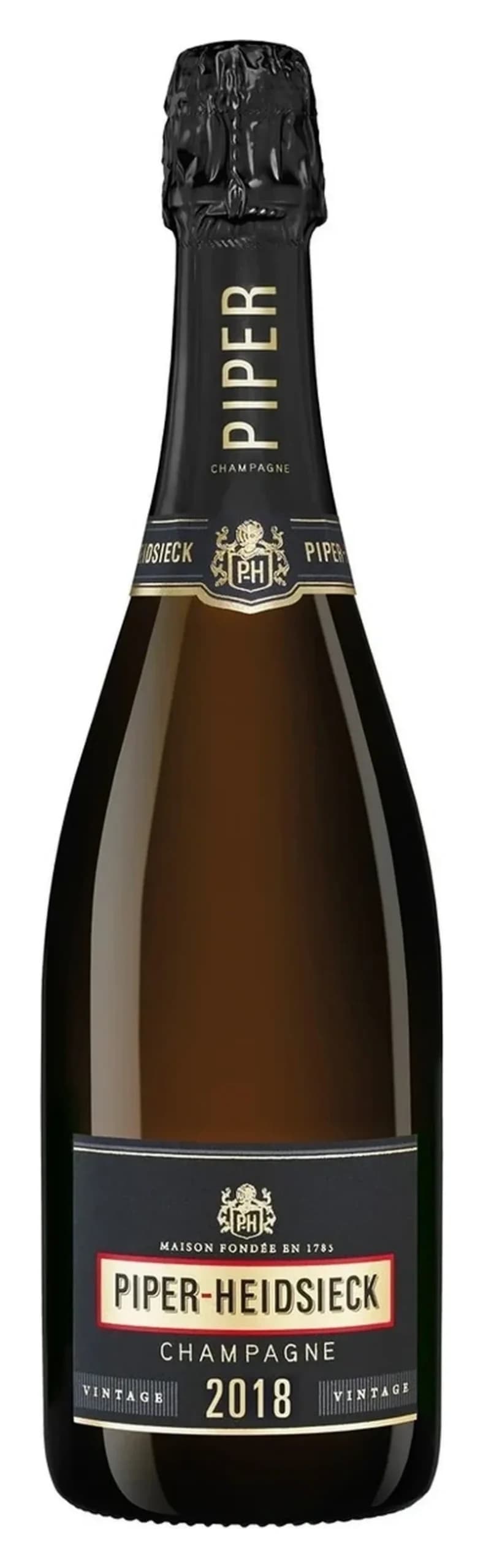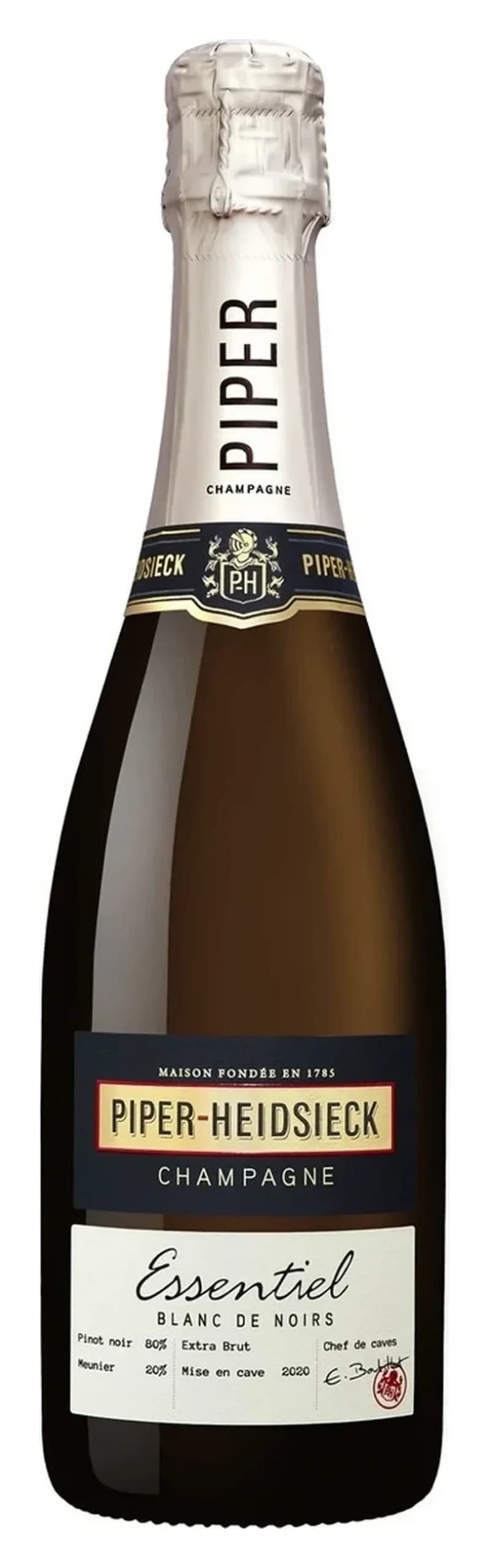
Here’s the answer nobody expects when they ask when to drink champagne: more often than you currently do, and on far less important days. Champagne is a wine — traditional-method sparkling from a chalky strip of northern France, made mostly from Chardonnay, Pinot Noir and Meunier — and it’s the only wine we ration by calendar. Nobody saves their Chablis for a wedding. Nobody keeps a Rioja back for “a special occasion” until it quietly dies of old age in a cupboard. The cork doesn’t know what day it is — that’s the whole argument of this page, and every section below is a different way of cashing it in. The houses, the dosage, how the bubbles get in: all of that lives on the pillar guide. What you’ll find here is the working week — Tuesdays, film nights, breakfasts — plus straight answers to the two questions I field most at the counter: old vintages, and whether 2006 was any good.
The everyday case for a proper bottle
Every December somebody comes into the shop for their one bottle of champagne — the annual bottle, the New Year’s Eve bottle — and every December I bite my tongue on the same question: what did the other fifty-one weeks do wrong?
I understand how we got here. For most of the last century champagne was marketed by brand rather than by place, and that did something quietly sad to it: turned a wine into an event. Weddings. Christenings. The second child, maybe, but not the third — nobody’s got the energy. I sold it that way myself for years, pushing the fancy box for the fancy day and steering everyone else toward “a nice Sauvignon” for actual dinner. It took me embarrassingly long to see how back-to-front that was.
Because the wine has no idea what it’s being opened for. The things that make champagne champagne — the sharp Chardonnay acidity, the Pinot depth, the scrub of the bubbles — work exactly as well on Friday’s fish and chips as they did at your sister’s wedding. Lift the fried food, cut through the fat, refresh the palate: that’s the job, and the job doesn’t check the diary first. The occasion was never in the bottle. It’s in the deciding.
So here’s the rule I’d print on every foil cap if anyone asked: if a wine is good enough for the best day of the year, it’s good enough for the best day of the week. Decide generously. The wine has already done its part.
Was 2006 a good champagne year?
Short answer: decent, not iconic. Reference books and trade chatter tend to place 2006 as a warm, generous vintage — riper, rounder, more immediately charming than a classic cool-climate year — and largely at or past its best now rather than one built for another twenty years in a cellar. If you’ve got one in the rack, stop saving it.
That “immediately charming” character matters for the occasion question. A 2006 vintage — including prestige cuvées from the bigger houses that year — isn’t the bottle you tuck away for a hypothetical future anniversary. It’s the bottle for something real and near: a parent’s retirement do, a reunion you’ve actually put in the calendar, the dinner where you want the wine already singing rather than still finding its feet. Younger, sharper vintages reward patience. A ripe year like 2006 rewards timing — get to it while the fruit’s still generous, before the wine tips from mature into merely old. If one comes your way, open it soon, and open it with people you’ll enjoy telling about it afterwards.
Can you drink 20 year old unopened champagne?
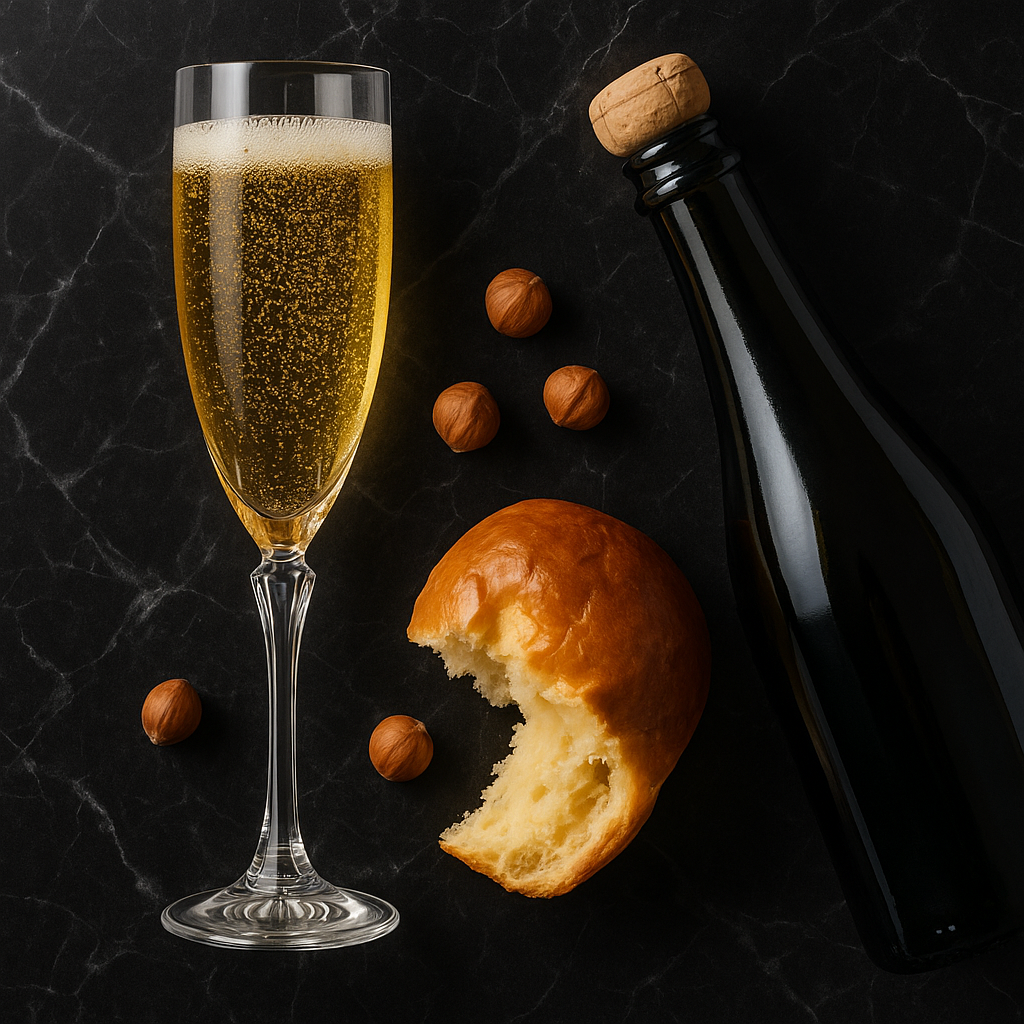
Often, yes — assuming it’s had a reasonably kind life (how it’s been kept is its own subject, and one I’ll leave for another article). Vintage champagne — made only in years a house thinks good enough to declare — is built with ageing in mind; non-vintage is a far more optimistic bet at twenty years, and may have tipped into flat, tired territory long before now.
The real question isn’t “can you” so much as “should you, tonight.” A twenty-year-old bottle is a finite thing — there’s no reordering it — so give it an occasion that’s actually happening rather than cracking it open on a random Wednesday just because it’s in the rack: the birthday with everyone finally in the same room, the “we did it” dinner after a genuinely hard year, the reunion that took three group chats to organise. Taste a splash before you pour for guests, too. If it’s gone past interesting into just tired, better to know before the toast than during it.
The Tuesday-night pour
Here’s the bit I believe in most: champagne earns its keep on the boring nights, not the big ones. A simple, youthful non-vintage brut — the dry, house-style bottling that most champagne on any shelf actually is — does something wonderful to an average Tuesday, no ceremony required. Fish and chips, a roast chicken, a bowl of buttery mushrooms on toast: all of it improves with something fizzy and acidic alongside, and none of it needs a special occasion to justify the cork.
The trick is refusing to treat it like an event. Pour it the way you’d pour anything else — into whatever glass is clean — and let the wine do the quiet work of lifting the evening. I’ve written a whole separate piece on exactly this mood: The Tuesday-night bottle: choosing wine for TV and takeaway, worth a look if that’s where your head’s at. A bottle of honest NV brut in the fridge door turns the whole philosophy into a standing option — and at the everyday end of the champagne shelf, the habit costs less than you’d fear.
Solo glass, film night
Champagne is wasted on toasts, if I’m honest. A toast gets thirty seconds of attention and a room full of people not really tasting anything. A glass drunk alone, in front of something you actually want to watch, gets the opposite: your full attention, no performance, and every one of those bubbles working for an audience of one.
That’s why I’ll defend solo champagne to anyone who raises an eyebrow at it. Half a bottle with a bowl of popcorn and something tense on the telly does more for a Friday than most “occasions” manage — and if a full bottle feels like too much commitment, half-bottles exist for precisely this moment, and a proper sparkling stopper will hold the fizz overnight for tomorrow’s glass. Nothing about the ritual needs anyone’s go-ahead.
There’s a whole art to matching what’s in the glass to what’s on the screen, covered properly in Wine and the sofa: pairing bottles with films and series — but the short version for tonight: one glass of something decent, drunk slowly and paid attention to, is its own small event.
Breakfast, brunch, and other unlikely occasions
This is the one people forget entirely. Champagne with eggs is genuinely lovely — the acidity cuts straight through the richness of yolk and butter, which is exactly why it turns up so often at brunch tables that know what they’re doing.
| Occasion | What works | Why it works |
|---|---|---|
| Brunch, omelette or frittata | A simple brut or blanc de noirs | Acid cuts the egg’s richness |
| Smoked salmon on toast | Blanc de noirs or a lean brut | Salt and smoke need a sharp partner |
| Oysters or a shellfish platter | A lean blanc de blancs | All-Chardonnay crispness loves the brine |
| Sushi night, home-rolled | A crisp non-vintage brut | Rice vinegar and bubbles get on well |
| Pastries and a slow Sunday | A demi-sec | A touch of sweetness meets the butter halfway |
| A “we survived the week” dinner | Whatever’s already open in the fridge | The occasion is the survival, not the bottle |
None of these need dressing up. If you’re picking for the table, one distinction covers most mornings: a lean brut or blanc de blancs where there’s salt, smoke or brine to cut; a fuller, Pinot-led blanc de noirs where there’s real richness; a demi-sec only where there’s actual sweetness on the plate. A Sunday morning with eggs and a glass of something dry and sharp is as legitimate a reason as any wedding toast — arguably more honest, since nobody’s watching. And if the fridge’s current occupant doesn’t match the menu, that’s as good a reason as any to restock.
Questions from the shop counter
Is rosé champagne only for special occasions? Not remotely — the classic “when in doubt” pairing rule for sparkling wine is rosé, precisely because it flatters almost anything on the table. Think of it as a safe, versatile choice for any dinner, not a once-a-year indulgence.
Does champagne need to be vintage to be worth drinking midweek? No — quite the opposite. The rule worth keeping: non-vintage is built for drinking now; vintage is built for choosing when. Non-vintage is consistent and ready on release, with no need to think about ageing at all. Save the vintage bottles for when you actually want to sit and pay attention.
What’s a good excuse to open champagne that isn’t a celebration? Genuinely, very little excuse is needed. A good meeting, a finished project, the first properly sunny Saturday — all of it counts, and none of it requires balloons.
The merchant’s last word
I sold champagne wrong for years — kept it behind glass, mentally, for the big days only, and watched customers do the same. Not anymore. The cork doesn’t know what day it is, and once you accept that, the question of when to drink champagne answers itself: whenever the eggs, the fish and chips or the film deserve it. Come and browse the champagne cellar — tell me which night of your week needs lifting, and I’ll point you at the bottle that does it.