Crémant turns up on my shelves more than almost anything else fizzy, and it still surprises me how often people walk straight past it hunting for a bigger name on the label. Crémant is France’s word for traditional-method sparkling wine made outside Champagne — same process (second fermentation in the bottle, not a tank), done under its own strict rules, across eight named regions. It isn’t one wine. It’s a style with eight different accents, from Alsace down to Bordeaux. By the end of this you’ll know which region plays closest to Champagne, when Crémant genuinely beats Prosecco, and which one to pour depending on whether it’s a Tuesday or someone’s wedding.
Is Crémant the same as Prosecco?
No — and it’s one of the loveliest mix-ups to clear up across the counter, because the answer opens the door to two really different styles worth knowing. Crémant is traditional method — a second fermentation happens in the same bottle you’re drinking from, and the wine sits on its lees (spent yeast) for a minimum of nine months before release. Prosecco ferments its second time in a big pressurised tank, then gets bottled. Different process, different result: Crémant tends to have finer, more persistent bubbles and a savoury, bready edge; Prosecco stays brighter and more straightforwardly fruity.
Neither one is “better” as a blanket rule — I’ve poured Prosecco that outshone a dull Crémant, and vice versa. But the texture difference is real and you’ll feel it in the mouth before you’ve even worked out why. There’s a Spanish version of this same story, if you fancy following the thread further — traditional method, often cheaper still. I’ve written that one up separately: Cava deserves better: Spain’s traditional-method sparkling.
Is Crémant as good as Champagne?
Legally, the two are closer than most people assume: whole-bunch pressing with a strict cap on how much juice can be squeezed from the grapes, similar sulphur limits, and a minimum of twelve months between bottling and release. Where Crémant tends to fall short is depth — Champagne producers generally push lees-ageing much further, and that’s where a lot of the toasty complexity comes from. So: same grammar, shorter sentence.
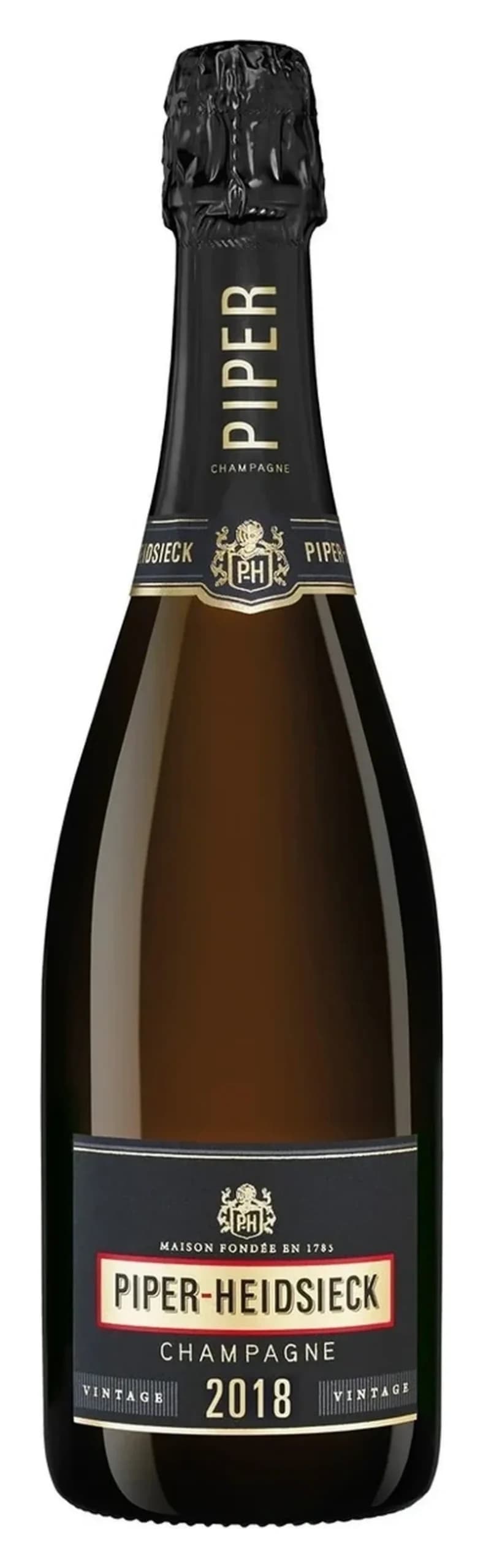
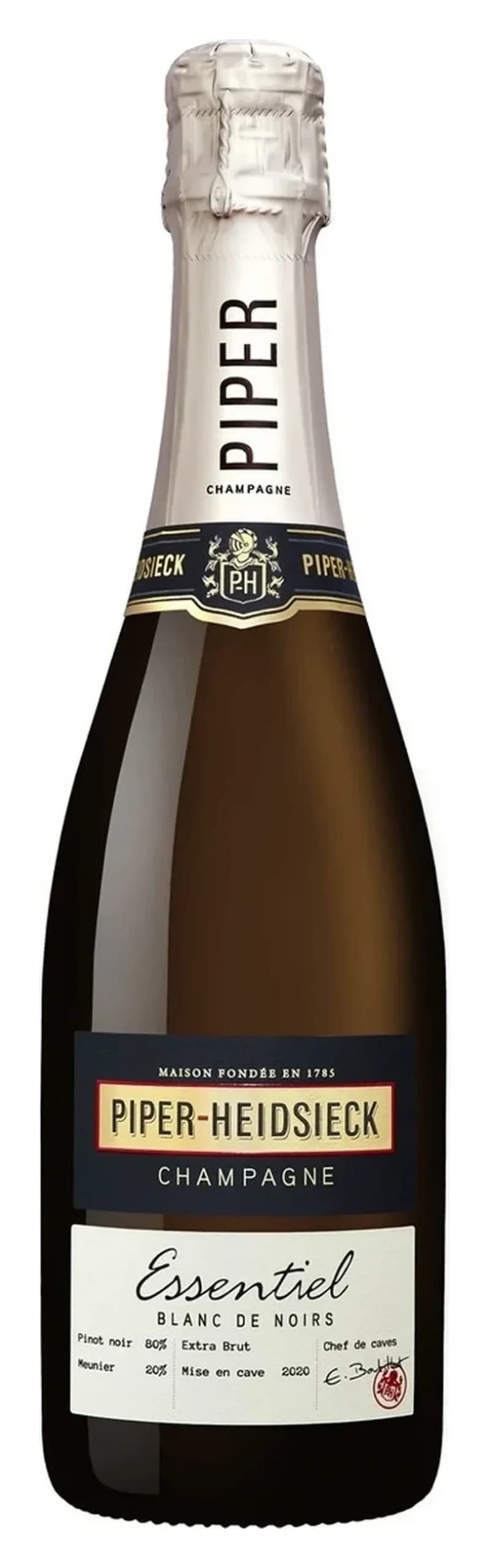
Of the eight, Crémant de Bourgogne sits nearest to Champagne in style, and it’s not an accident — it’s built from the same grapes, Chardonnay and Pinot Noir, grown not far south of the Champagne region itself. Grapes from the Côte d’Or are usually too valuable as still wine to end up in a Crémant blend, so most of it comes from the Côte Chalonnaise around Rully, and from Auxerre in the north — the southern wines fuller and softer, the northern ones leaner and crisper. I’ve poured a Blanc de Noirs Crémant de Bourgogne next to entry-level grower Champagne at a tasting and watched half the room guess wrong. That’s the party trick. For the fuller picture on Champagne itself — styles, how growers and houses differ, how to read a label without panicking — that’s a separate piece: Champagne, explained by a merchant: styles, houses and how to choose.
Know your region: Alsace, Bourgogne, Loire — and beyond
Getting to know the region first is the real trick here, more useful than hunting for a specific producer.
| Region | Main grape(s) | Typical style | Reach for it when… |
|---|---|---|---|
| Crémant d’Alsace | Pinot Blanc (plus Pinot Noir, Pinot Gris, Auxerrois, some Riesling) | Light body, high acidity, apple and pear, fine mousse | You want an easy, crisp aperitif — Friday, no food yet |
| Crémant de Bourgogne | Chardonnay, Pinot Noir | Apple to apricot fruit, brioche/biscuit notes, medium-plus to high acidity | You want the closest thing to Champagne without the Champagne price |
| Crémant de Loire | Chenin Blanc-led | Apple and citrus, toasty edge, ages well over 2–3 years into honeyed territory | There’s food on the table — it’s built to go with a meal |
Alsace is France’s biggest Crémant producer — among French sparkling wines only Champagne outsells it — and a substantial share of the region’s total wine output goes into it, made across a great many small growers who blend on a small scale — part of why quality holds up decently even at the cheap end. Crémant de Loire draws its fruit from a stretch of the river around Saumur, in Anjou and Touraine, with Sauvignon Blanc sensibly left out of the blend (its aroma has never quite worked in a fizzy dress).
Beyond the big three there’s Crémant de Limoux (Chardonnay and Chenin, in the cool foothills of the Pyrenees), Crémant du Jura (mostly Chardonnay, some lovely Savagnin blends from organic growers), plus Die, Savoie and a small, so-far unconvincing showing from Bordeaux. Each one’s a rabbit hole in its own right — that’s a different article, but it’s the same word on the label every time.
What is the best Crémant to buy in the UK?
There isn’t one best bottle — there’s a best fit for what you’re doing. For aperitif hour, Crémant d’Alsace Brut, light and citrussy, nothing to think about. For satisfying a Champagne-only relative at Christmas, Crémant de Bourgogne, ideally a Blanc de Noirs. For anything with food on the table — a roast chicken, a fish pie, a proper Sunday — dry Crémant de Loire has the acid and the weight to actually work alongside the plate rather than just sit near it.
On price: UK shelves generally see Crémant sitting well under Champagne, and the gap comes down to land, yield limits and scale more than anything mysterious about the wine itself — if you’d like that laid out properly, there’s a separate breakdown here: Why does wine cost what it costs? £8 vs £30, explained. Dosage on most Brut Crémant sits in a similar range to Champagne, so don’t expect it to taste sweeter just because it’s cheaper; it won’t.
Vintage vs non-vintage matters less here than in Champagne — most Crémant is NV and drinks well young, though a Loire or Jura bottle with a couple of years of bottle age is worth trying if you come across one.
Serving it so it earns its place
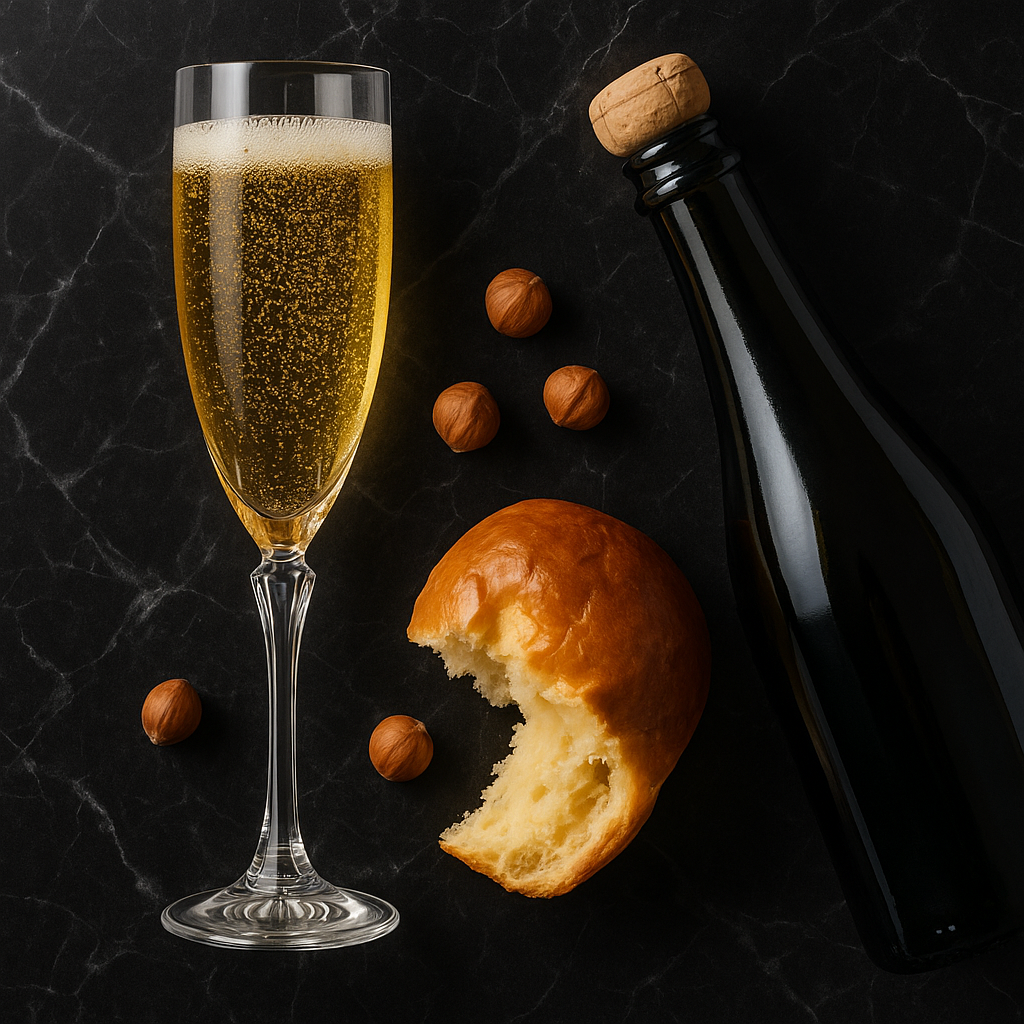
Cold, but not Prosecco-cold — around 8–10°C lets the brioche notes actually show, rather than freezing them out. A proper tulip glass beats a flute; you get more surface area for the aromatics to do something.
Food-wise, think regionally rather than generically. Alsace Crémant loves a plate of charcuterie or a simple tarte flambée. Crémant de Bourgogne can carry a creamy dish — a chicken vol-au-vent, a mushroom tart — the way Champagne would. A demi-sec Crémant de Loire alongside a fruit tart at the end of a meal is one of the more underrated pairings I know, and almost nobody in the shop asks for it.
Questions from the shop floor
Does Crémant improve with age, or should I drink it young? Store an unopened bottle lying down or standing up, cool and dark, away from light and temperature swings — a kitchen cupboard is fine, next to the oven isn’t. For drinking windows: Alsace and Bourgogne Crémant are built to be opened within a year or two of buying, while they’re at their freshest. Loire is the one region where a bit of extra time in the bottle tends to pay off (more on that in the table above).
Is rosé Crémant a thing? Yes, in most regions, with the rules varying region by region. Alsace rosé, for instance, must be entirely Pinot Noir, while other regions set a minimum proportion rather than demanding one grape outright. Worth treating rosé Crémant as its own small decision, rather than an afterthought.
What does Brut / Extra Brut mean on a Crémant label? It’s telling you how much sugar was added at the final stage, called dosage. Extra Brut is the driest you’ll usually find on a shop shelf — under 6g of sugar per litre. Brut is the default and covers a wider range than people assume, up to 12g/litre, which is why two bottles both labelled Brut can taste noticeably different in sweetness. Demi-sec is properly sweet by comparison, and it’s the one to reach for alongside that fruit tart mentioned above.
The merchant’s last word
I sold Crémant for years as the “cheaper Champagne,” and looking back, that undersold what’s actually in the glass. Alsace, Bourgogne, Loire: three different wines, three different Tuesdays. Get to know one properly, and it stops being a stand-in for something else and becomes its own reason to reach for the shelf. And if what you actually fancy tonight is Champagne itself, that’s no bad thing either — the two sit side by side on the shelf for good reason — browse our sparkling wines and start with whichever region matches your Tuesday.