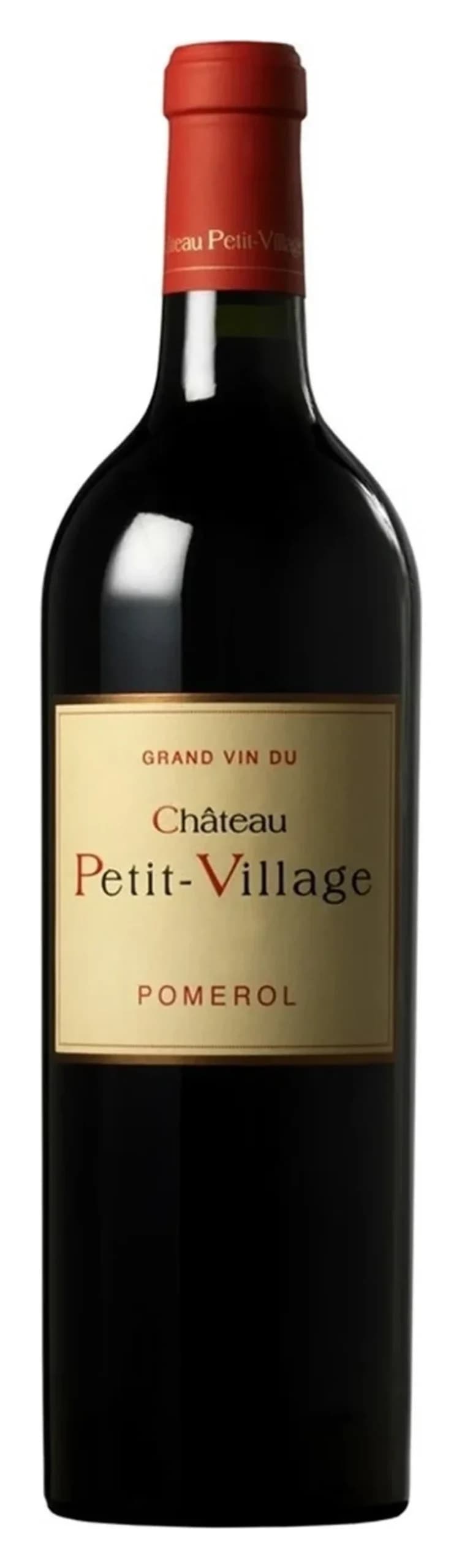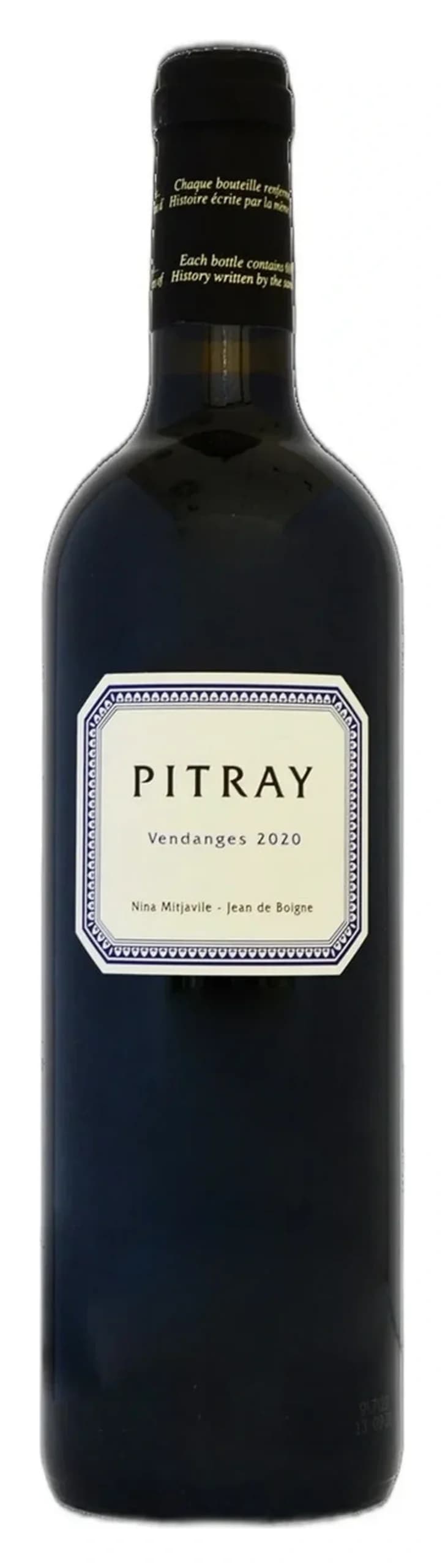
A red Bordeaux blend is a red wine built from a mix of grapes traditionally grown around the Gironde estuary — mainly Cabernet Sauvignon, Merlot, Cabernet Franc, Petit Verdot and Malbec, with the odd splash of Carmenère. There’s no single recipe, and that’s the idea this whole page hangs on: the blend is a decision made fresh every autumn, not a formula handed down. The mix shifts from château to château and from one vintage to the next, depending on what ripened well that year and what the winemaker had to work with. By the end of this you’ll know what’s actually in the bottle, how left bank differs from right, what the Brits have always called this stuff, and how to pick a decent one without needing a cellar full of famous names to do it.
What is a Bordeaux red blend?
A Bordeaux red blend is any red wine made from two or more of the grapes permitted in the region — Cabernet Sauvignon, Merlot, Cabernet Franc, Petit Verdot, Malbec and occasionally Carmenère. It isn’t a legal category with fixed percentages. Appellations such as Pauillac and Pomerol simply list which grapes may be planted, not how much of each has to end up in the bottle.
That freedom is the whole point. A winemaker tastes each grape’s wine separately after fermentation, then blends to cover for weaknesses — a bit more Merlot in a year when Cabernet struggled to ripen, a touch more Petit Verdot for colour and spice when the vintage allows it. Whatever doesn’t make the final cut often gets bottled under a second, cheaper label rather than binned. It’s less a fixed formula, more a decision made fresh every autumn — which, for you at the shelf, is quietly good news: it means even a modest château is actively balancing each vintage rather than bottling whatever came in, and that’s why honest Bordeaux at a fair price is easier to find than its reputation suggests.
If you want the fuller regional picture — communes, classifications, the lot — I’ve written Bordeaux without the intimidation: a merchant’s map. Here, we’re sticking to grapes.
What are the five red wines from Bordeaux?
Ask most people in the trade and they’ll reel off five names: Cabernet Sauvignon, Merlot, Cabernet Franc, Petit Verdot and Malbec. Between them these five make up around nine-tenths of the region’s red vineyard, with a handful of growers still keeping a little Carmenère going out of habit. Each one does a different job in the glass, which is exactly why they’re blended rather than bottled alone.
| Grape | What it brings | Where it shines |
|---|---|---|
| Cabernet Sauvignon | Blackcurrant, black cherry, menthol, high tannin and acidity, ripens late | Gravel soils of the Médoc and Graves |
| Merlot | Plum and softer tannin, ripens earlier, forgiving in cooler clay | Pomerol, St-Émilion, Entre-Deux-Mers |
| Cabernet Franc | Red fruit, high acidity, medium tannin, herbaceous edge in cool years | Both banks, key partner grape |
| Petit Verdot | Deep colour, spice, high tannin, used in small doses | Warmer pockets of the Médoc |
| Malbec | Once far more widespread, largely replaced by Merlot after the 1956 frosts | Small amounts, mostly left bank |
The bit that surprises people: Cabernet Sauvignon is the famous name, but Merlot is the workhorse. Recent figures put Merlot at around 66% of Bordeaux’s red vineyard — three times as much as Cabernet Sauvignon. So when you pour a glass of red Bordeaux blend, the odds are it’s Merlot doing most of the talking, even if Cabernet gets the credit on the label. Worth remembering next time a wine list tries to charge you extra for the word “Cabernet” — in Bordeaux, the quieter grape is usually the one filling your glass.
Left bank or right bank — how to choose
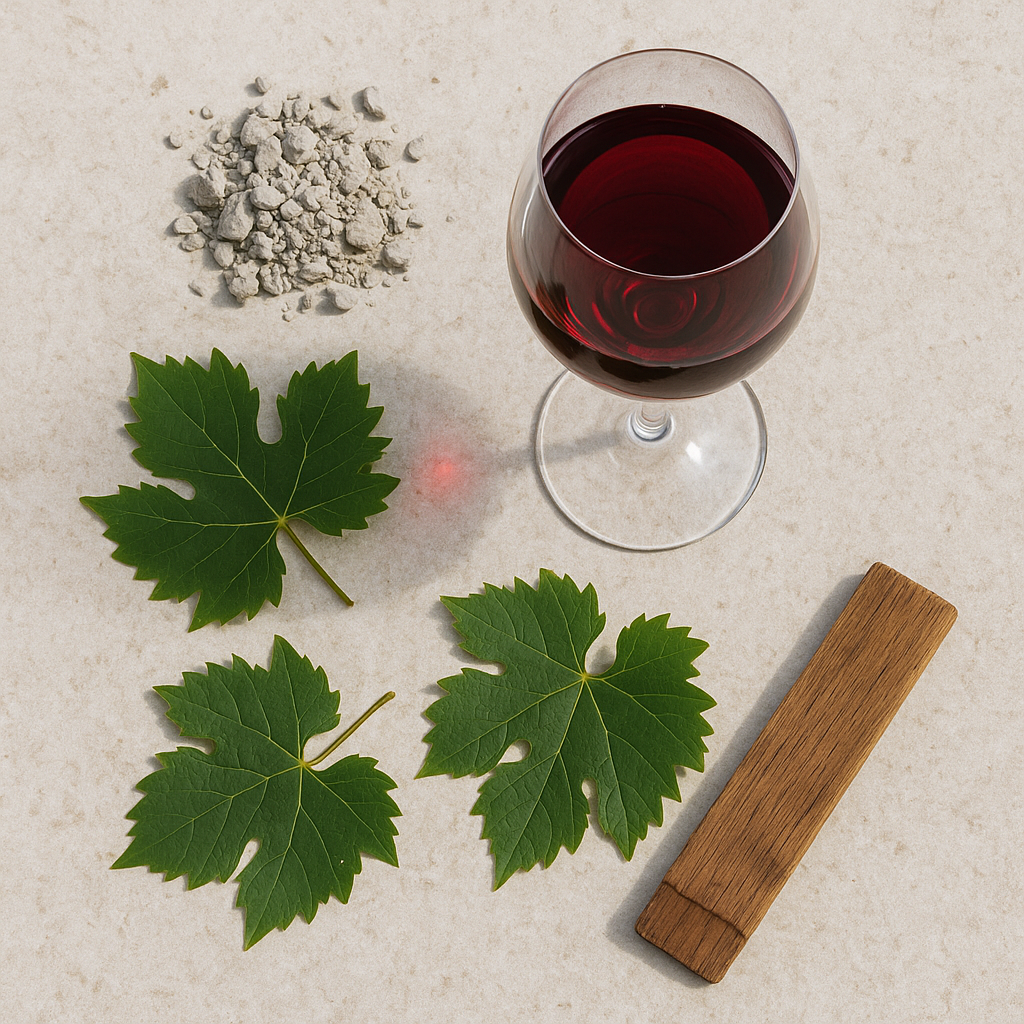
This is the bit worth actually remembering, because it tells you what you’ll get before you’ve opened the bottle — and notice it’s really the grapes talking again: the banks matter because they decide which grape leads the blend. Left bank Bordeaux — the Médoc, Graves, communes like Pauillac and Margaux — sits on gravel that drains fast and warms the soil, which is exactly what Cabernet Sauvignon needs to ripen properly. So those wines lean Cabernet-dominant: firmer tannin, blackcurrant, a structure built to soften with a few years in bottle.
Cross the Gironde to the right bank — Pomerol, St-Émilion — and the soil turns to clay, cooler and slower to warm. Cabernet struggles there. Merlot doesn’t. Right-bank wines are usually Merlot-led: plummier, rounder, often approachable sooner. Interestingly, Pauillac and Pomerol are allowed to plant exactly the same list of grapes. What separates them isn’t the rulebook, it’s the ground under the vines — which is a useful thing to know next time someone tells you Bordeaux is complicated for the sake of it.
If you’re after something with grip and patience, go left bank. If you want plum and generosity without the wait — the safer bet for tonight’s table — go right. Entre-Deux-Mers, in between, tends to be Merlot country too and is often where the best-value Bordeaux blend red bottles hide; it’s the corner of the map I point to most often when someone asks for a proper claret under everyday money.
What do Brits call Bordeaux reds?
Claret. It’s the word the British wine trade has used for red Bordeaux for a very long time, and it hasn’t gone anywhere — ask an old-school merchant for “a bottle of claret” and nobody blinks. It just means red Bordeaux; it doesn’t tell you which bank, which grape, or which vintage.
Where it gets useful is at the table. Claret was traditionally poured with beef, lamb, duck, and it still does that job better than almost anything else — the tannin in a Cabernet-led left-bank wine wants fat and protein to soften against, the way a good rib of beef or a lamb shoulder does. A softer, Merlot-led right-bank claret is more forgiving, happy alongside steak or even grilled salmon if you’re drinking it a touch cooler. If Sunday lunch is the occasion you’re buying for, that’s your steer: left bank for the beef, right bank for almost everything else.
Don’t overthink the word itself. Claret is just the British habit of naming the wine by its home rather than its grape — much the way we’d say “a Rioja” rather than “a Tempranillo.” If single-grape wines feel like an easier place to start than a five-grape blend, Tempranillo: one grape, many names and Nebbiolo: the grape that tastes of tar and roses tell their stories with just the one variety each.
Beyond Bordeaux: Meritage and the global copies
The Bordeaux blend didn’t stay in Bordeaux. In the US, a trademarked term called Meritage covers wines made from two or more of the five red grapes above (plus a couple of rarer permitted extras), with no single variety allowed to make up more than 90% of the finished wine — but only wineries that belong to the Meritage Alliance can put the word on the label.
California’s broader “red blend” category is a looser thing entirely, and worth knowing the difference. It might use Cabernet Sauvignon and Merlot as its base, same as Bordeaux, but it’s just as likely to bring in Zinfandel, Syrah or Petite Sirah — grapes Bordeaux has never grown. So “red blend” on a California label tells you almost nothing about what’s actually in the glass; you’d need to check the back label or the producer’s technical sheet to know for sure.
Further afield, the style has travelled properly — Bolgheri on the Tuscan coast, Hawke’s Bay in New Zealand, parts of South Africa and South America, all making Bordeaux-style reds from the same handful of grapes. A UK trade tasting of over 70 such wines from outside Bordeaux, all priced at £20 and above, found the quality consistently high across every region entered — a fair sign that the Bordeaux blueprint travels well, even when Bordeaux itself isn’t in the bottle. If you already love claret, those regions are the most rewarding sideways step your next £20 can take.
Questions customers ask us
Is a red Bordeaux blend always mostly Cabernet Sauvignon? No — across the region as a whole, Merlot is planted far more widely. Cabernet dominance is really a left-bank habit, driven by gravel soils that suit it, not a rule for Bordeaux as a whole.
Does the label have to say “blend”? Rarely. Bordeaux château labels almost never list grape percentages at all — the property name and appellation are doing the talking. You’re trusting the region’s reputation more than any printed detail.
What’s Carmenère doing in a Bordeaux blend? Historically more important than it is now — it fell out of favour after phylloxera and is barely planted in Bordeaux today, though it went on to become something of a signature grape in Chile.
Do I need to age it before drinking? Not always — it depends on the tannin, which comes largely from how much Cabernet Sauvignon and Petit Verdot are in the mix. A Merlot-led right-bank bottle is often happy young; a firm left-bank Cabernet blend rewards patience.
The merchant’s last word
I used to explain Bordeaux by starting with the appellations, and watched people’s eyes glaze over. Starting with the grapes instead — five characters, each with a job to do, recast every autumn — makes far more sense of what’s in the glass. Once you know Merlot softens and Cabernet structures, the rest of Bordeaux stops being a memory test. Go and browse the bordeaux cellar and see which side of the river suits your Tuesday — and if you’re torn, say so; settling exactly that question is the best part of this job.