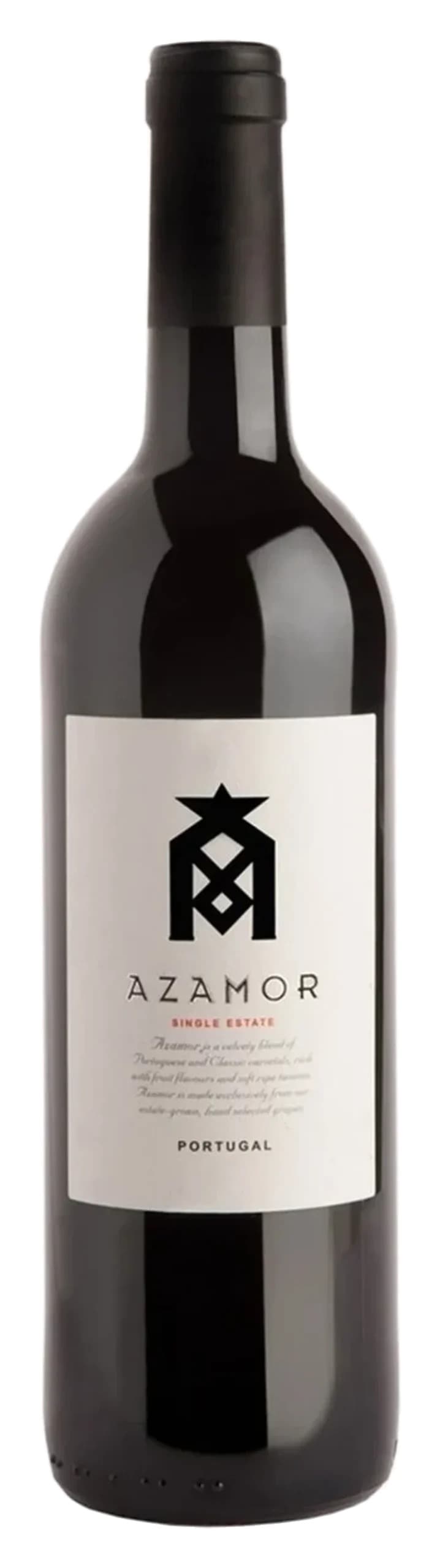
Azamor
2022
Vinho Regional Alentejano Tinto, Azamor
View details →£17.05
The SommPills Cellar
22 wines on the Petit Verdot shelf, chosen one at a time.
22 wines on the shelf
Azamor
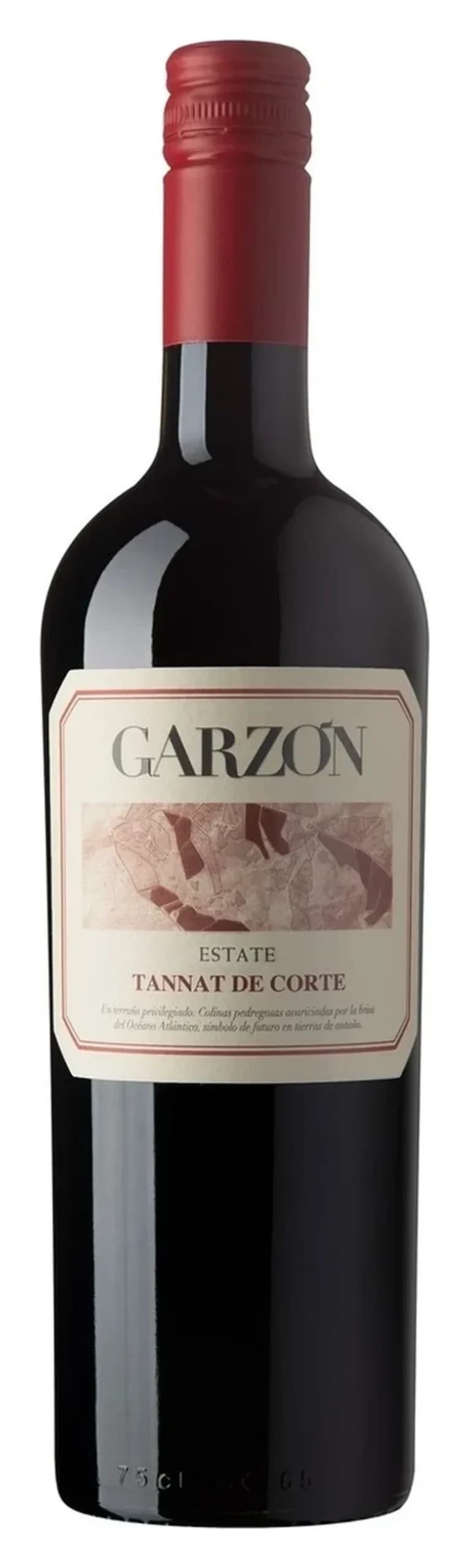
Bodega Garzon
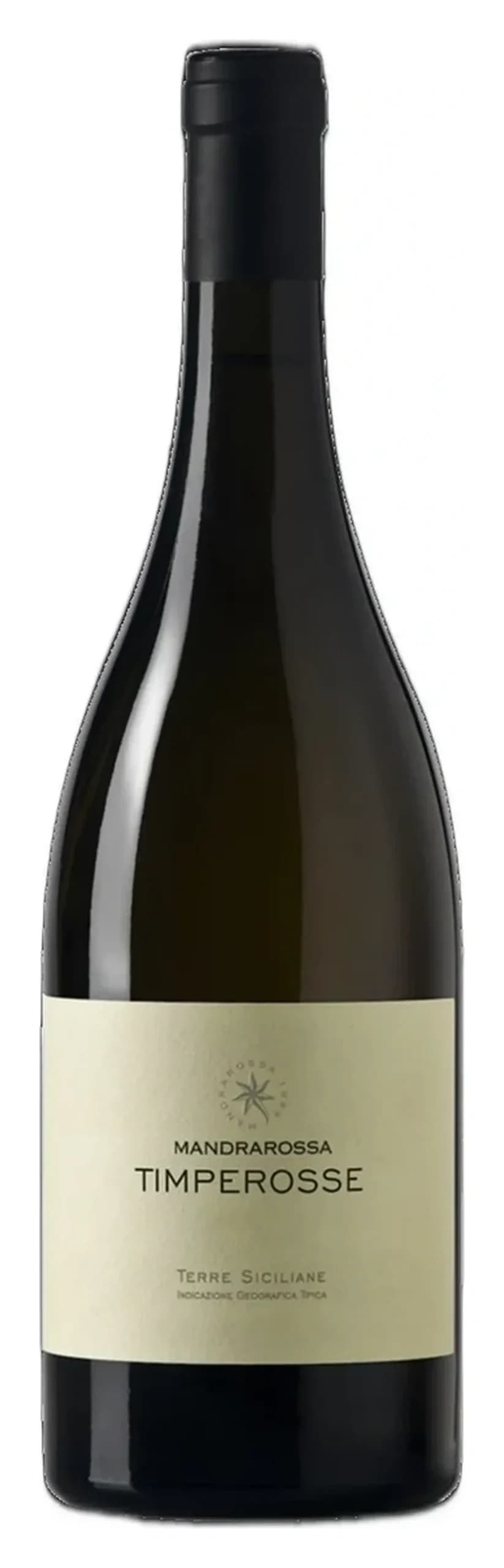
Mandrarossa
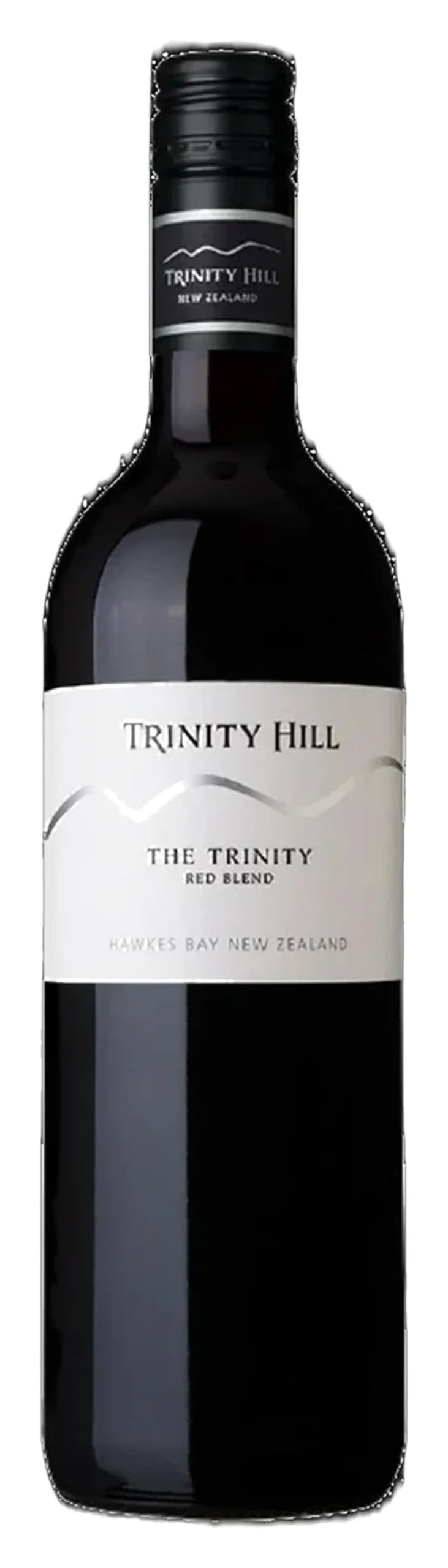
Trinity Hill Wines
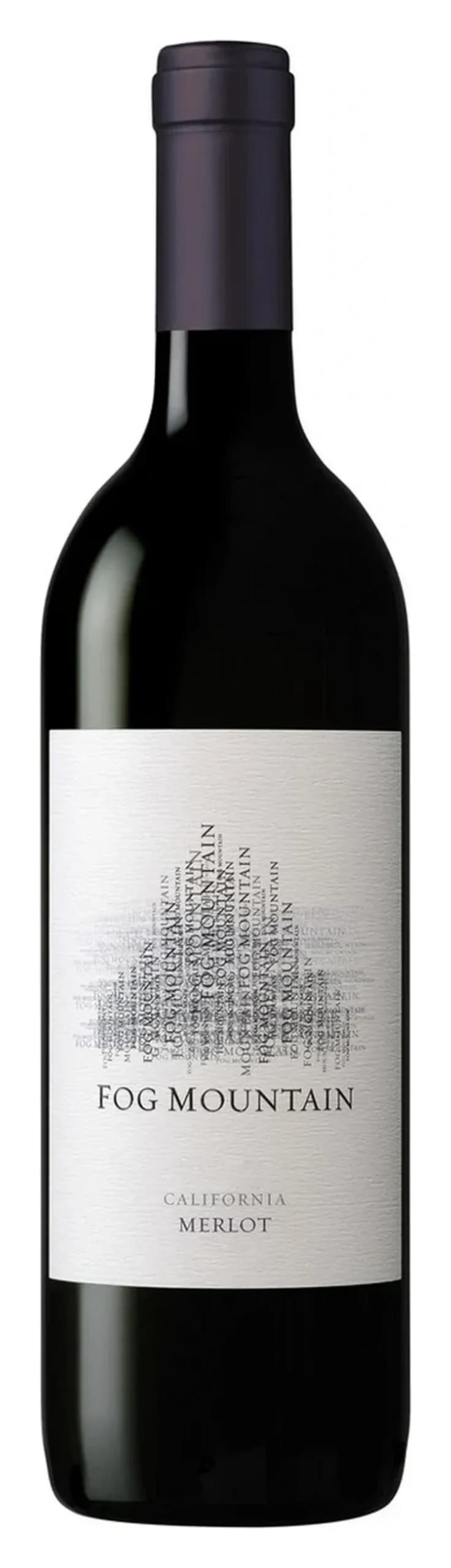
Fog Mountain
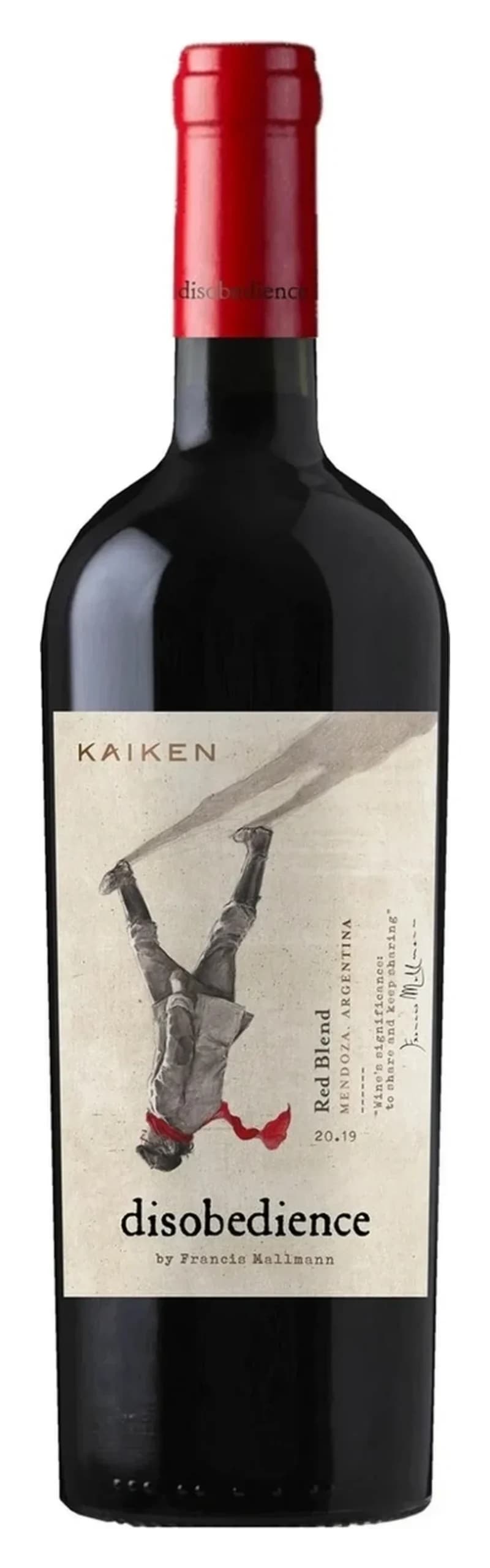
Kaiken
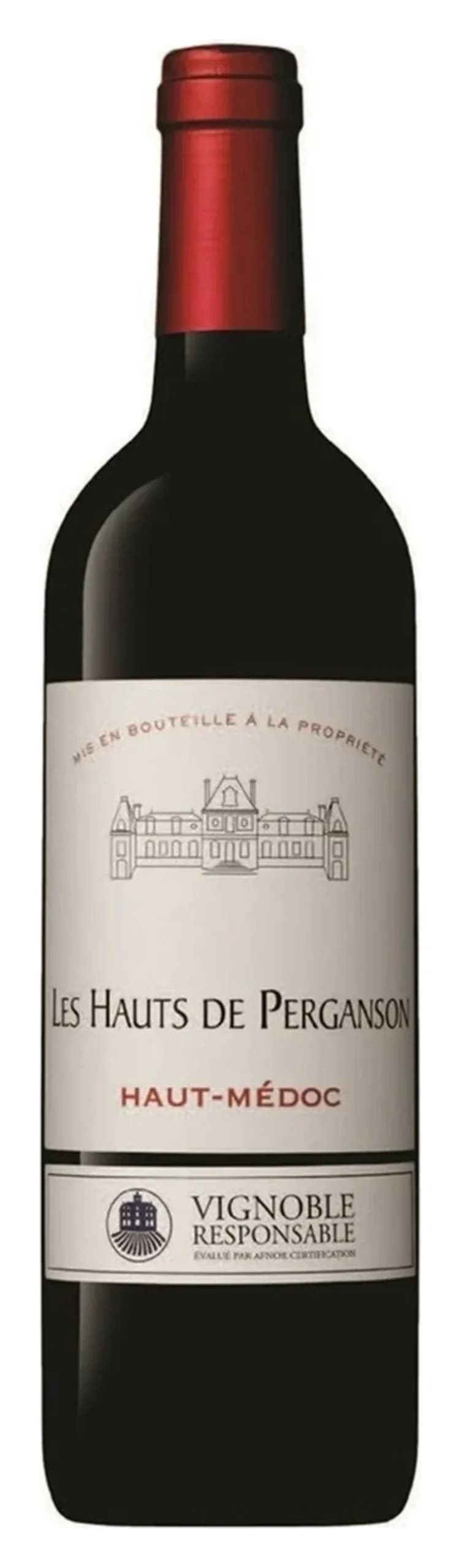
Domaine Perganson
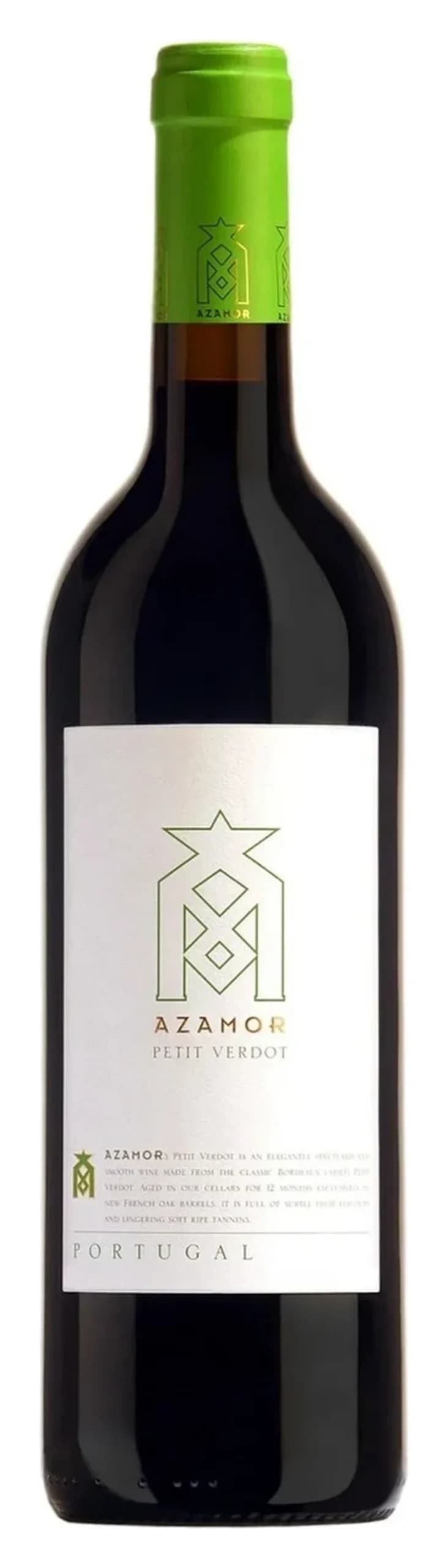
Azamor
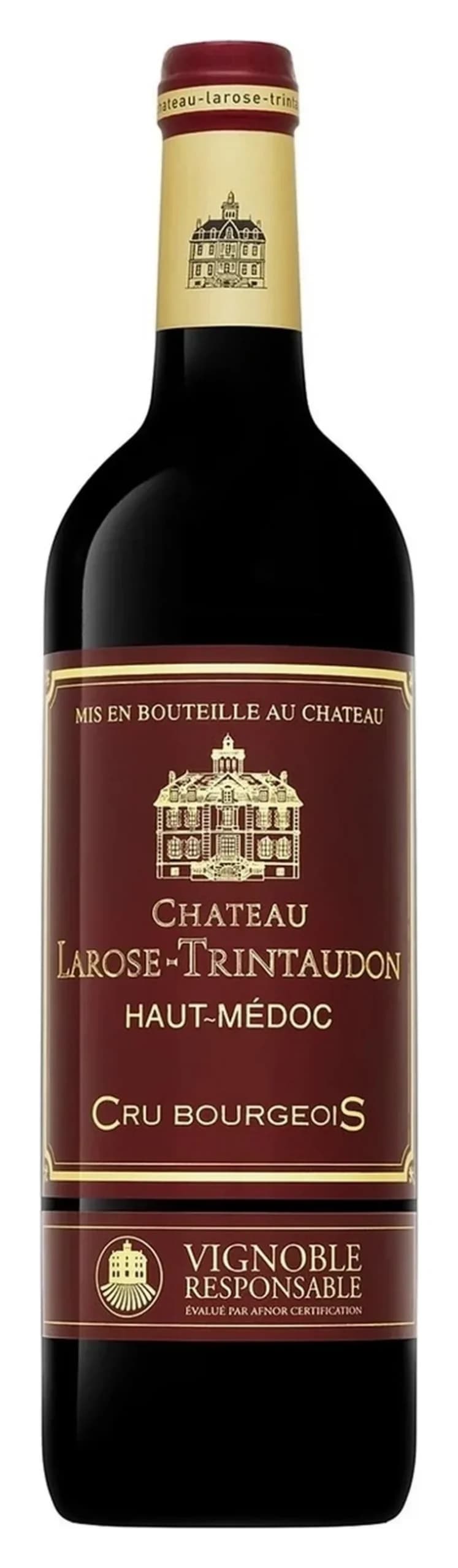
Chateau Larose Trintaudon
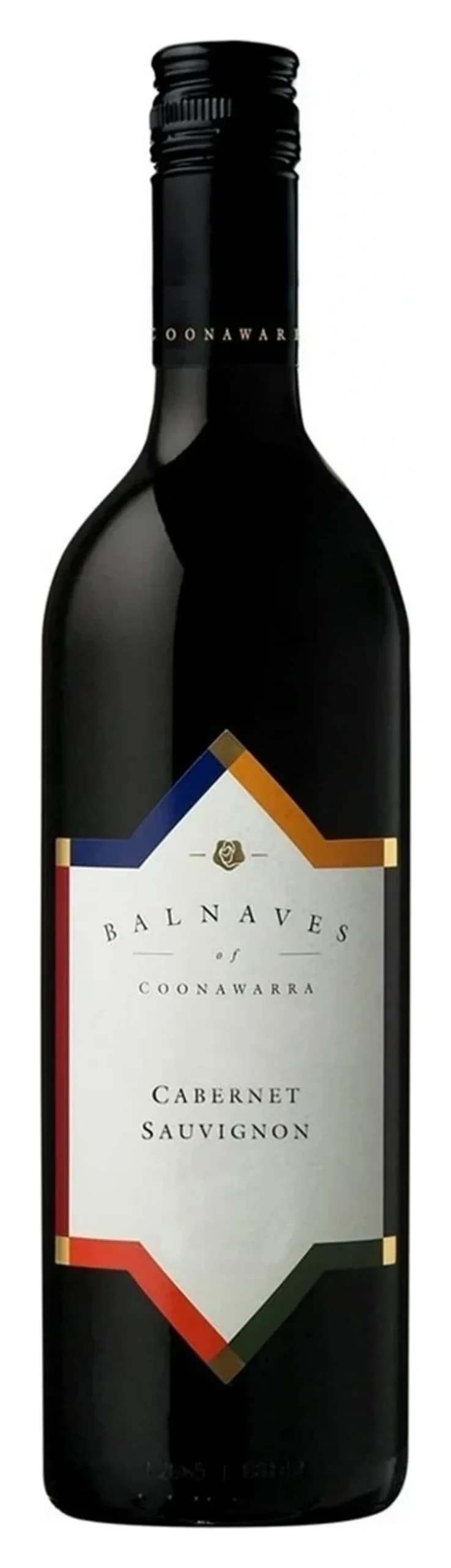
Balnaves of Coonawarra
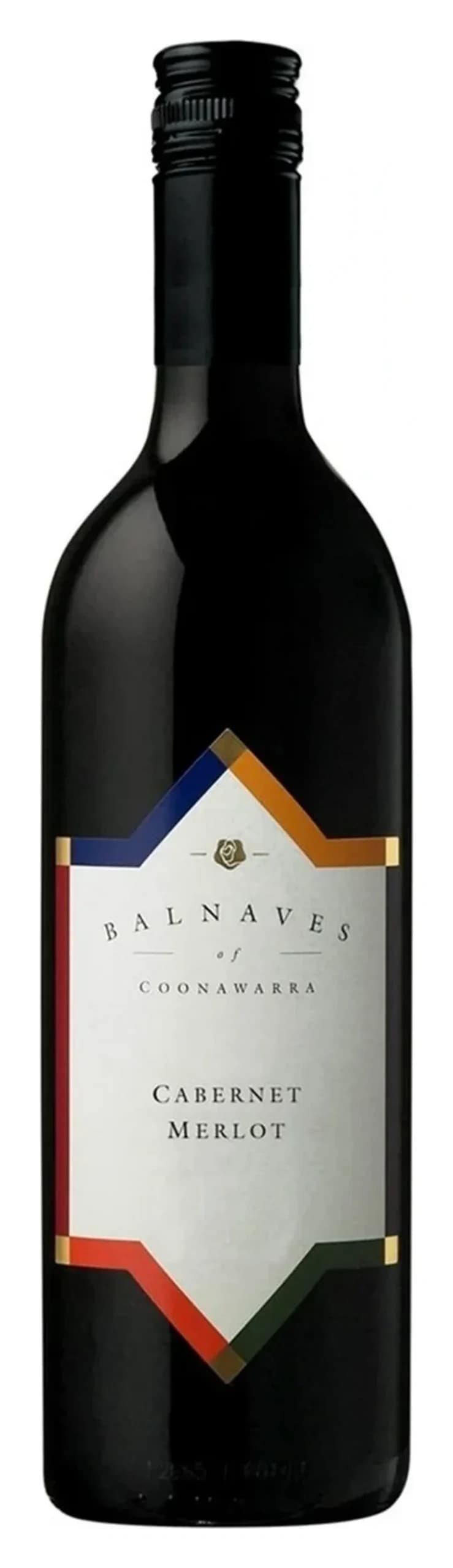
Balnaves of Coonawarra
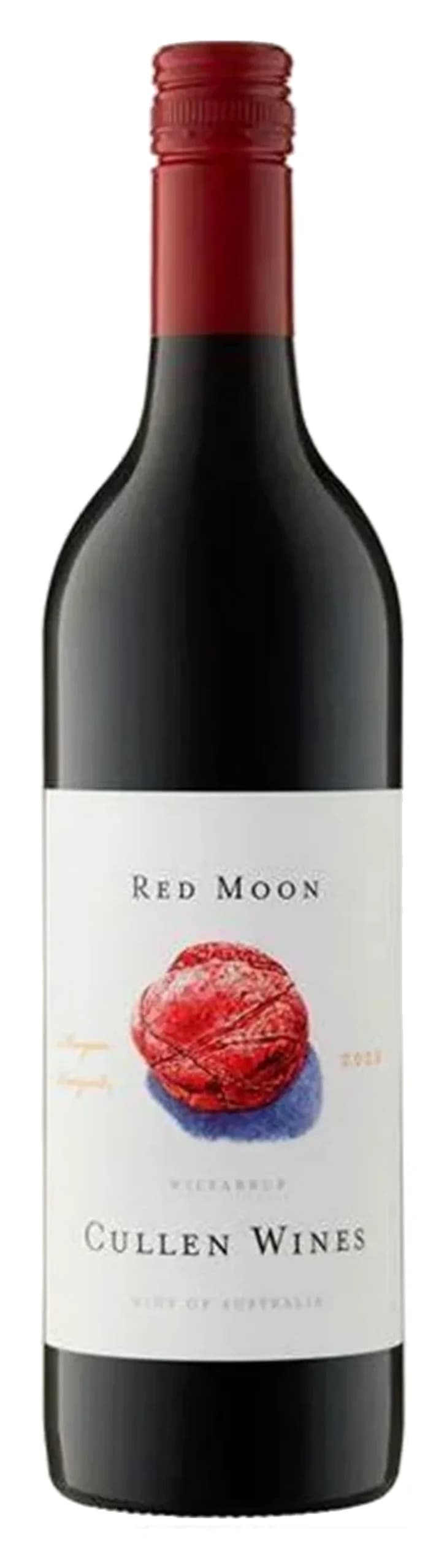
Cullen Wines
Petit verdot wine comes from a late-ripening Bordeaux grape that historically seasoned blends but now appears as standalone bottlings globally. When fully mature, it delivers concentrated, richly coloured, high-tannin wines with distinctive spice character and excellent ageing potential.
Petit verdot produces aromas and flavours ranging across a spectrum determined by ripeness and climate. Fully ripe examples show powerful concentration, pronounced spice notes, deep colour, firm tannins and solid alcohol (typically 13–14%+). The variety retains good acidity even in warm sites, building structure and age-worthiness.
In cool climates and earlier harvests, petit verdot can taste raw and underripe, contributing lean, herbaceous notes to blends rather than rich fruit. Conversely, warm-region and riper-fruit versions display plush dark plum, blackcurrant and violet aromas alongside supple tannins and fuller body. Oak maturation amplifies richness and softens edges; unoaked examples show pure fruit and mineral tension.
Bordeaux remains its heartland, though plantings nearly halved in the late twentieth century due to erratic ripening. Revival came with climate warming; the left-bank Médoc—Pauillac, Margaux, Pichon Lalande—shows its finest expression, contributing 1–5% of premium blends. By 2019, French plantings exceeded 1,615 hectares.
Spain embraced the variety after the 1990s; by 2020, over 2,200 hectares flourished across Castilla-La Mancha, where heat ensures reliable ripeness. Italy (Maremma, Tuscany) and Portugal (Alentejo) use it primarily for Bordeaux-style blends, though varietal versions emerge. Australia—particularly warm inland regions (Riverland, Murray Darling)—produces deeply coloured, dark-fruited, plum-forward varietal wines with floral violet notes. California (Napa, San Joaquin Valley) and Washington increasingly show varietal potential alongside Meritage blends. South Africa (Paarl, Stellenbosch) and Argentina also craft credible examples.
Most petit verdot remains a blending tool in Bordeaux and Meritage wines, adding colour, tannin and spice in small proportions. However, single-varietal expressions—from Spain, Australia, California and South Africa—now dominate newer regions. European varietals tend toward medium body with bright acidity and savoury spice; New World versions (especially Australian) often display riper, plumper body and sweeter fruit.
Quality spans good to outstanding; prices range mid-range to premium depending on region and ageing potential. Bordeaux blends with petit verdot command premium pricing; standalone bottles from established producers (e.g. L'Aventure, Paso Robles; South African estates) justify mid-to-premium prices. Early-drinking styles emerge from modest producers; age-worthy reserves demand cellaring. The variety suits both oak-matured (fuller, richer) and unoaked (purer, mineral) expressions, though oak is standard for premium examples.
Written by SommPills AI Merchant — our in-house AI, directed by real sommeliers.