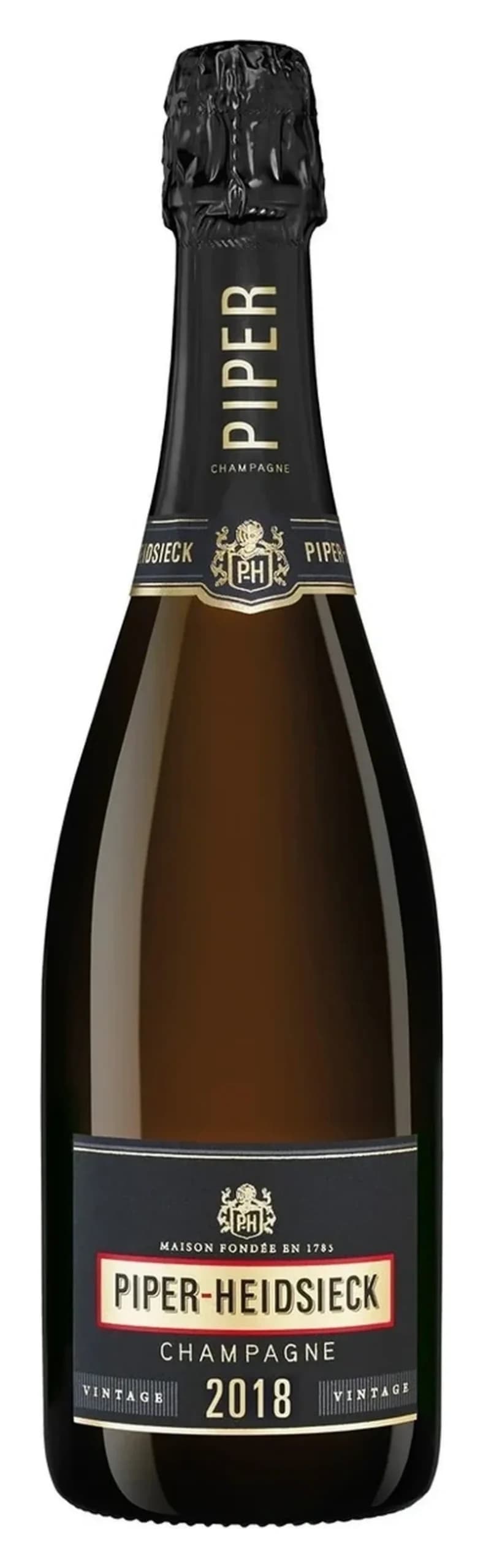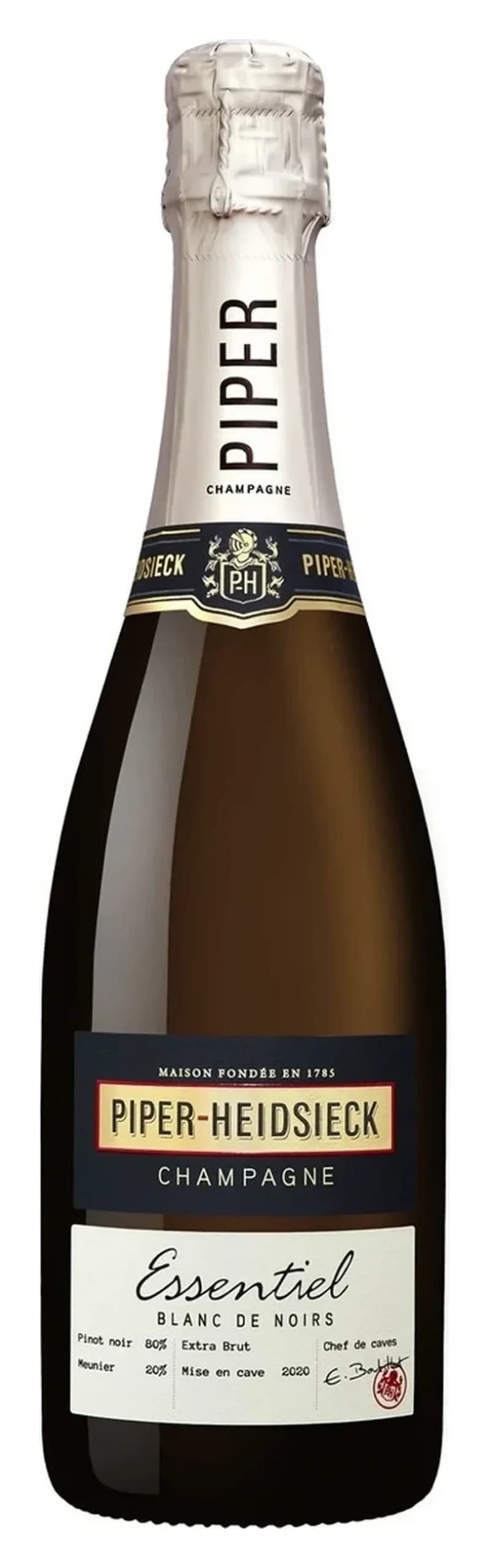
Champagne vs Prosecco: different drinks, different moments
Champagne vs Prosecco is the question I get asked more than almost any other, usually by someone stood between two fridges wondering if one’s just a knock-off of the other. Good question, and a fair one — it isn’t, though. Champagne is traditional-method fizz from one French region; Prosecco is tank-method Glera from Veneto — different drinks, not rungs on a ladder. By the end of this you’ll know which one to reach for on a wet Tuesday, which for an actual toast, and why the price difference isn’t the shop ripping you off.
What’s actually different, and why it matters
Here’s the bit worth understanding properly, because it explains everything else. Champagne gets its bready, toasty character from spending real time ageing on its own dead yeast cells inside the bottle — that’s the traditional method, and it’s slow and expensive by design. Prosecco does its second fermentation in a big pressurised steel tank instead, over weeks not years, which is why it tastes of green apple and pear rather than brioche. Neither is a shortcut version of the other; they’re aiming at different flavours entirely. The shortest way I know to say it: the tank keeps the fruit; the bottle builds the bread.
Champagne’s story has also got more interesting lately. For most of the last century it was sold on brand and occasion rather than place — a drink for a wedding, not a wine for a Tuesday dinner. That’s shifting: more producers now bottle single-village Champagne from spots like Le Mesnil-sur-Oger or Avize, and you can genuinely taste chalk-driven Côte des Blancs Chardonnay against something riper from further south. Prosecco has its own quiet hierarchy too — more on that when we get to price. Once the method difference clicks, choosing between the two fridges stops being a status question and becomes a flavour one.
| Champagne | Prosecco | |
|---|---|---|
| Grapes | Chardonnay, Pinot Noir, Pinot Meunier | Glera (mainly) |
| Method | Traditional (bottle fermentation) | Tank (Charmat) |
| Typical character | Toast, brioche, citrus, structure | Apple, pear, peach, freshness |
| Best drunk | With some age, or fresh — both work | Young, within a year or two |
| Alcohol | Generally fuller | Generally low to medium |
If you want the fuller picture on Champagne specifically — houses, styles, how to actually choose one — I’ve written that up separately in Champagne, explained by a merchant: styles, houses and how to choose.
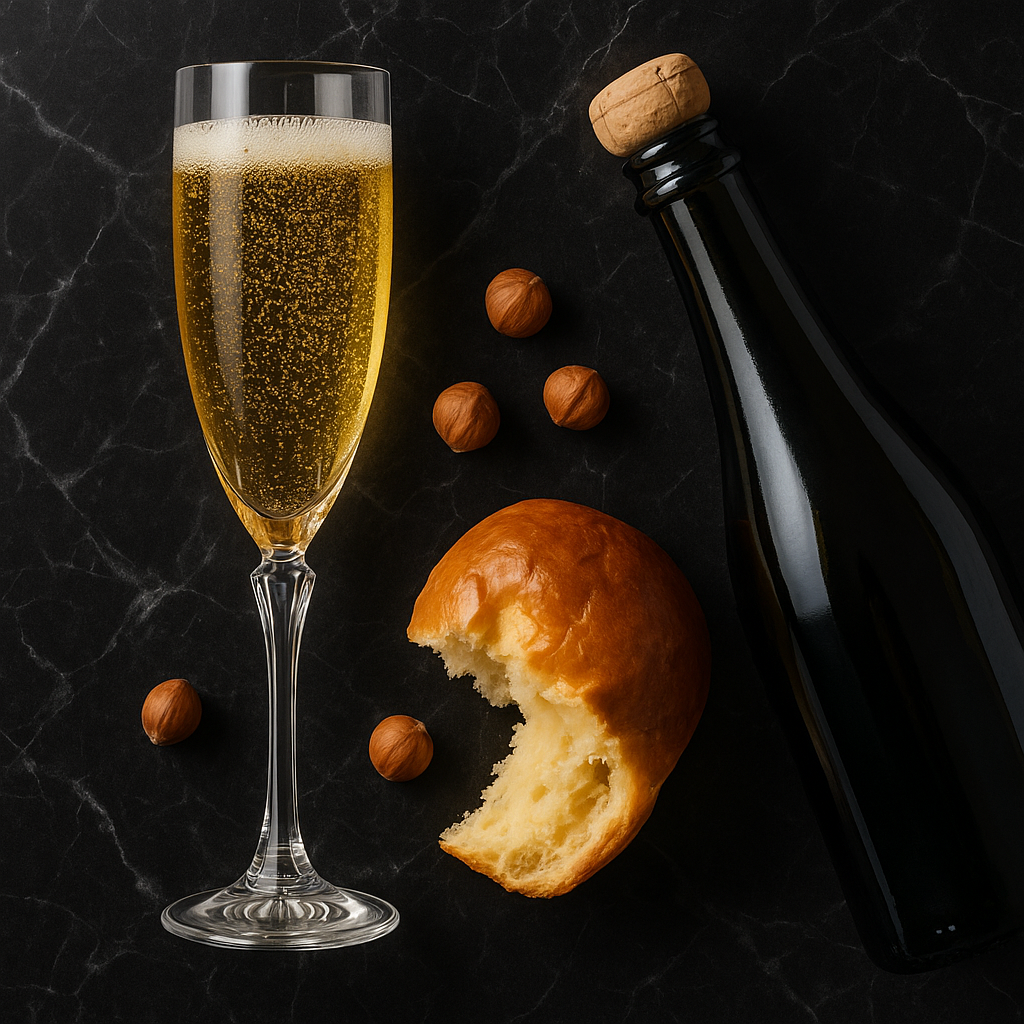
What is better, Prosecco or Champagne?
Neither, and I promise that’s not me ducking the question. Champagne suits the slow toast, the anniversary dinner, the moment you want something with weight and a story behind it. Prosecco suits Tuesday, brunch, a picnic rug, the bit before a barbecue when everyone’s still arriving. Asking which is “better” is a bit like asking if an espresso’s better than a pint — depends entirely what you’re doing next.
Where it genuinely comes down to preference is texture and food. If you like your fizz lean, savoury, a bit challenging — Champagne wins that argument every time, especially with something rich like a chicken pie or good charcuterie. If you want fruit-forward, easy, low-commitment bubbles that don’t fight with spicy food, Prosecco’s your wine, and honestly it’s brilliant with Chinese takeaway on a Friday in a way Champagne rarely bothers to be.
So the buying rule I give across the counter: if the moment needs announcing, reach for the bottle-aged one; if it doesn’t, the tank-fresh one — and keep one of each at home so the decision takes five seconds.
Is Prosecco just cheap Champagne?
No — different grape, different method, different aim, not a downgraded version of the same idea. Some Prosecco is cheap, sure. But that’s a price point, not a definition of the wine.
I sold Prosecco wrong for years, if I’m honest — shoved it under Champagne like a budget cousin. Then I actually tasted DOCG Cartizze against a young non-vintage Champagne blind, and the Prosecco held its own on aromatics, just in a completely different direction: peach and buttercup rather than toast and lemon peel. The “cheap Champagne” line survives because most people’s only Prosecco experience is the bottom-shelf supermarket bottle, and most people’s only Champagne is a proper name at a proper price. Compare like with like — DOCG Prosecco against entry-level Champagne — and it’s a much closer, fairer fight. Worth knowing too: this isn’t a two-horse race. Spain’s Cava sits in a similar price bracket to Prosecco but is made by the traditional method, like Champagne — so if you’re weighing up champagne vs prosecco vs cava, Cava is arguably the odd one out, method-wise. I go into that properly in Cava deserves better: Spain’s traditional-method sparkling. If value is the thing you’re chasing, that piece might save you more money than this one.
Is Prosecco healthier than Champagne?
Let me take that one gently, because it comes up a lot and it deserves a straight answer: I don’t sell health claims on either side, so I’ll stick to what I actually know. What I can tell you, as a taste-and-body fact rather than anything else, is that Prosecco styles generally sit at lower or medium alcohol than Champagne — that’s part of why it feels lighter in the glass, nothing more than that.
If you’re choosing between the two, choose on taste and moment. That’s genuinely the most useful answer I’ve got for you.
How to serve each so it actually works
Getting the glass and temperature right matters more than the label, in my experience. Champagne wants a proper tall flute or a tulip glass, chilled but not arctic, so the toastier notes can actually show up. Prosecco is happier a touch colder and in a wider glass — it’s a wine built for immediate, fresh drinking, not for warming up slowly on the table.
Food-wise, they split down different lines:
- Prosecco (white styles) — sits nicely with salmon, sushi, prosciutto, salted almonds, or a spicy Chinese dish that would flatten a heavier wine.
- Prosecco Rosato (the rosé version, made with a splash of Pinot Noir) — built for barbecue, charcuterie boards, picnics, sandwiches, the kind of food you eat standing up.
- Champagne and other traditional-method sparklers — happier with richer things: cheese boards, chicken, crab cakes, even caviar if you’re pushing the boat out.
If you’re picking by price as much as plate: everyday DOC Prosecco covers the weeknight end, DOCG Conegliano-Valdobbiadene is the sensible step up, and entry-level Champagne starts about where DOCG tops out — each earns its place at a different table.
If pink fizz is where you’re leaning, whichever region it comes from, I’ve written more on the style in Sparkling rosé: celebration in pink.
What it costs, and why
Prosecco DOC from the flatter vineyards is mostly inexpensive to mid-priced, with genuinely decent supermarket bottles in the mix. Step up to DOCG Conegliano-Valdobbiadene, or the tiny Cartizze cru within it, and you’re paying for steeper hillside fruit, lower yields, and more work — the price climbs, but so does the definition in the glass, and it’s a world away from the flat-vineyard stuff that fills most supermarket shelves. Champagne’s price reflects labour and time rather than luxury for its own sake: months or years of lees ageing, hand-riddling in some cellars, and land in places like the Côte des Blancs that costs a fortune per row. None of that’s snobbery, it’s just what the bottle actually took to make. Pay for the occasion you’re actually having, and neither bottle will ever feel like poor value.
Questions from the shop counter
What’s the nickname sometimes used for cheaper fizz? It’s an old, slightly lazy label sometimes pinned on Prosecco, and occasionally Cava. It’s not a real style or legal category — just shorthand for “cheaper fizz,” and it does both wines a disservice.
Can I age Prosecco the way I’d age a traditional-method sparkling wine? Not really, no — worth asking, though, because it’s a fair assumption if you’re used to Champagne. Prosecco is made to be drunk within a year or two of release, while good Champagne is often better for holding — that’s the whole point of the lees-ageing difference.
Is rosé Champagne the same idea as Prosecco Rosato? Only in colour. Champagne rosé is traditional-method and often barrel or lees-influenced; Prosecco Rosato is tank-method with a small addition of Pinot Noir, and it’s meant to be drunk fresh, not saved.
The merchant’s last word
I keep both in the shop for a reason — they’re not rivals, whatever the “cheap Champagne” chat suggests. Grab Prosecco for the nights that don’t need announcing, and save the good stuff for when they do. If tonight’s one of those nights, browse the champagne cellar and I’ll help you pick something that earns the glass.