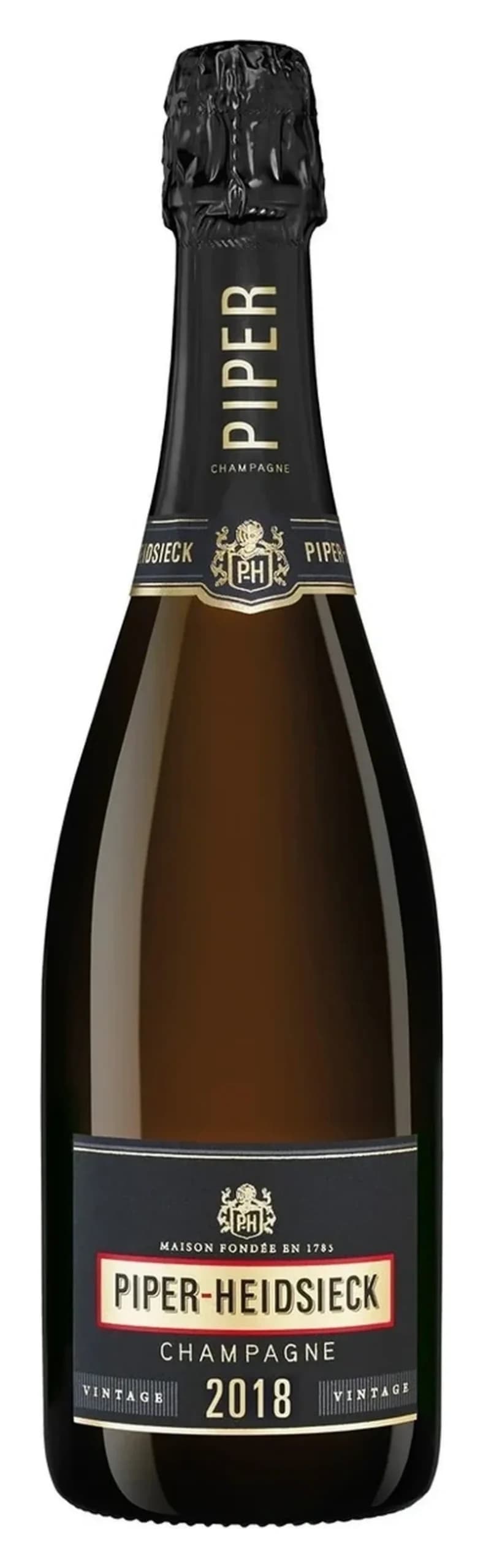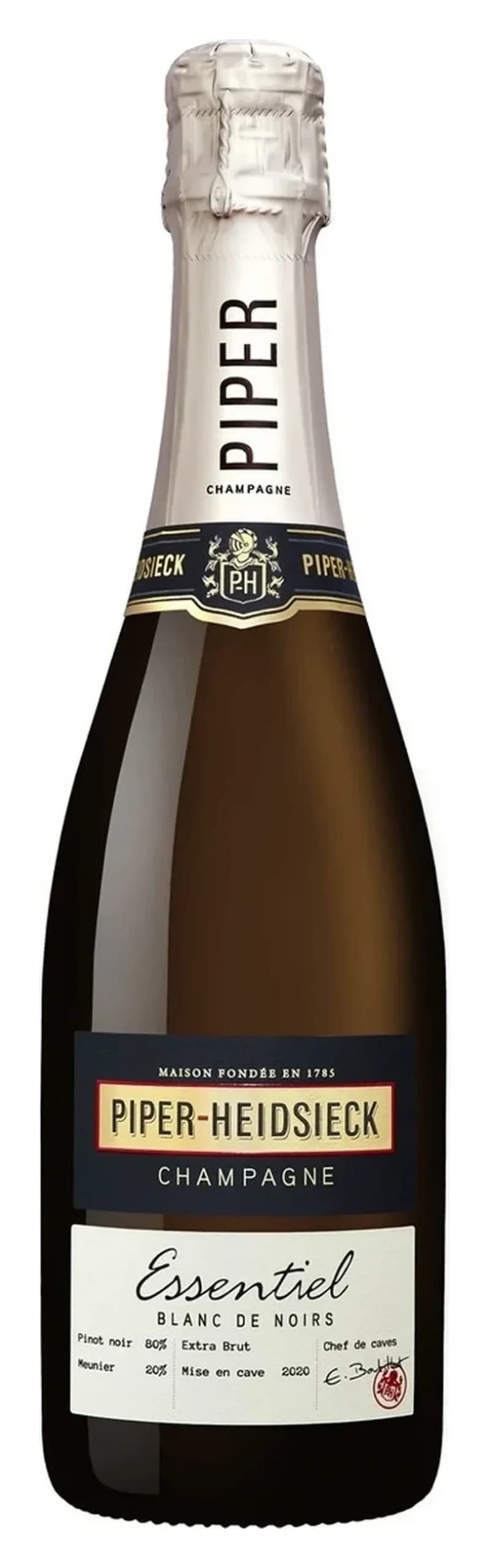
Grower champagne is a phrase that gets thrown around a lot in wine shops lately, and it can land like you’re supposed to already know what it means. You don’t need to — by the end of this you’ll be able to read the small print on any Champagne label, name the codes, and know what’s in your hand — a house blend or a single grower’s own wine.
Two very different answers hide in two letters of small print.
What is a grower champagne?
A grower champagne comes from someone who farms the vines and then makes the wine themselves, almost entirely from fruit off their own land. On the label this shows up as RM — récoltant manipulant. No middleman buying grapes, no blending in fruit trucked in from three villages over.
That matters because it changes what’s in the glass. A grower’s wine tends to taste of one place — sometimes one parcel in Le Mesnil-sur-Oger or Oger — because the person making it only has that patch of chalk to work with.
It’s also, often, a small operation. Stainless tanks instead of vast cellars, a handful of hectares, sometimes barrel fermentation because that’s what fits the scale. A good number lean toward organic or low-intervention farming, which is worth a look if that’s your thing — we’ve written more on that in What is natural wine, honestly?
How to tell if Champagne is grower?
Turn the bottle round, and look near the producer’s registration number — in type so small you’ll want your glasses — for a two-letter code. That little code tells you a lot.
RM — récoltant manipulant, the grower-made code from above. NM means négociant manipulant — a house buying grapes, must, or finished wine to make and sell under its own label; every big brand you’ve heard of falls here. CM is coopérative de manipulation, a co-operative making and selling wine under its own name from members’ grapes. And RC — récoltant-coopérateur — is a grower who hands grapes to a co-op, gets finished champagne back, and sells it under their own name, which is a slightly odd hybrid but common enough to know.
None of this is hidden information, just tucked away in small print. For the rest of what a label legally has to tell you — vintage, dosage, disgorgement dates — it’s worth reading Reading a wine label: the five things that matter, because Champagne labels pack in more codes than most.
What is the difference between Champagne and grower champagne?
All grower champagne is Champagne. Not all Champagne is grower. The real difference sits in who owns the risk and who’s chasing what.
Houses own only a modest slice of the vineyard between them, yet between them they sell the majority of all Champagne shipped each year — which means constant, large-scale buying from growers and co-operatives just to keep the presses running. Growers, who between them own most of the vines, mostly sell that fruit onward rather than bottle it themselves; only a minority go the extra distance of making and marketing their own wine.
| Grande marque (house, NM) | Grower (RM) | |
|---|---|---|
| Grapes | Bought from growers across the region | Mostly their own vineyards |
| Priority | Consistency of house style, vintage to vintage | Expression of a specific site or year |
| Scale | Large, often exporting worldwide | Small, sometimes barely leaving France |
| Marketing spend | Substantial | Usually minimal |
| Price shape | Brand premium built in | Often better value for the quality in the glass |
That last row is the one worth sitting with. Less spent on advertising tends to mean more of your money actually went into the bottle.
What are the best grower champagnes?
Rather than chase a name, it’s worth chasing a village — the site tells you more than any label award. In the Côte des Blancs, Cramant and Avize give you chalky, precise blanc de blancs (100% Chardonnay); the grand cru villages here are small enough that a grower’s plot can genuinely be one hillside. In the Montagne de Reims, Ambonnay and Bouzy do serious, structured pinot noir, with Verzenay and Mailly-Champagne not far behind for the same grape grown cooler and later. Aÿ, on the Marne, has long been prized for pinot noir with a touch more warmth.
Then there’s the Côte des Bar, further south — historically overlooked, now where a lot of grower champagne value sits, often meunier or pinot-led, often farmed with a lighter hand.
If you’re after the best grower champagne for a specific moment rather than a specific pedigree, here’s a way to think about it:
- A quiet Tuesday supper: a village-level blanc de blancs from Avize or Oger, no vintage needed.
- A proper occasion: a single-vineyard or single-village wine — Champagne’s version of Burgundy’s parcel-by-parcel thinking has grown fast over the last decade or so.
- Curiosity about a grape you don’t usually meet: a meunier-heavy bottling from the Vallée de la Marne or Côte des Bar.
Grower or grande marque: which one for which Tuesday
I’ll be honest — I sold Champagne a bit narrowly for years, always steering people toward the brand they’d recognise because it felt like the safe recommendation. It is safe. It’s also not always the better bottle.
Reach for a grande marque when you want a style you already trust, repeated reliably — a wedding, a big table, a gift for someone who wouldn’t know Avize from Aÿ and doesn’t need to. The consistency is the whole point, and there’s real craft in blending across dozens of villages to hit the same note every year.
Reach for a grower champagne when you’re drinking to think about it a bit. Single village, sometimes single parcel, and the year shows through more plainly — a warmer vintage tastes riper, a cooler one leaner, in a way the big blends are built to smooth over. Neither is the “correct” choice. They’re just answering different questions.
If you want the fuller picture — styles, dosage, how vintage works, the lot — the pillar piece is here: Champagne, explained by a merchant: styles, houses and how to choose
Questions from the shop floor
Is RC the same as RM? Not quite — same vineyard owner, different hands on the press. With RC the co-op made the wine; RM made it themselves. If the site is what you’re chasing, RM gets you a touch closer to it.
Does a grower always mean better quality? Not automatically — grower tells you the business model, not the skill. There are excellent houses and average growers, same as anywhere.
Is grower champagne always cheaper? Often, not always. Tiny production and a queue of restaurants chasing the same few sought-after growers can push some bottles well past house prices.
Do grower champagnes list a vintage more often? Not necessarily more often, but many growers make both non-vintage and vintage wines, and the vintage bottling is usually where the site really speaks.
The merchant’s last word
I’ll still sell you a grande marque without blinking — some of them are genuinely brilliant, built by people who know their craft. But if you’ve never tried a grower champagne, you’re missing a version of this wine that tastes like a place rather than a brand. Come and have a look — browse the champagne cellar and I’ll point you at a few worth your Tuesday.