Does Pinot Noir age well? Some of it, brilliantly — but which bottle, and for how long, depends entirely on where it’s from and what shelf it sits on in the hierarchy. Red Burgundy is Pinot Noir grown on the limestone slopes of eastern France, sold under village, vineyard or cru names rather than the grape (a Volnay or a Gevrey-Chambertin is Pinot Noir, it just doesn’t say so on the label). By the end of this, you’ll know whether that ten-year-old bottle at the back of the rack is past it, at its peak, or years from waking up — and what to actually do with a seven-year-old one tonight.
Does Pinot Noir age well?
Pinot Noir sits in a small club of grapes — alongside Cabernet Sauvignon, Syrah, Nebbiolo and Tempranillo — capable of genuinely improving in bottle for decades, according to wine science. That’s the exception for the variety worldwide, not the rule. Most Pinot Noir, wherever it’s grown, is made to be opened within a couple of years, fresh and unfussy.
Burgundy is where the exception becomes the norm at the top end. Its tannins run lower than Cabernet’s or Nebbiolo’s, which is exactly why young red Burgundy is so seductive early — soft, perfumed, already drinking well. What lets the good stuff go the distance anyway is the acidity and concentration underneath that early charm, plus, in many cellars, a proportion of whole-bunch fermentation that lends structure and freshness alongside the fruit.
I sold a grand cru at four years old once, telling a customer it was “ready.” It wasn’t — it was just pretty. Took me a good few years in the trade to learn the better question isn’t “is it drinkable” but “is it done changing.” It’s worth deciding the same thing before you spend: whether you’re paying for tonight’s charm or for what the bottle becomes — they’re different purchases, and the second one rewards choosing on purpose.
How long should you age Pinot Noir?
As a rough guide, allow four to twenty years for red Burgundy depending on where it sits in the pecking order — village wines toward the shorter end, premier and grand cru toward the top. Outside Burgundy, most Pinot Noir is built for four to ten years. Vintage, site and winemaking all shift that window, so treat any number as a starting point, not a deadline.
| Pinot Noir style | Typical drinking window |
|---|---|
| Red Burgundy (village to grand cru) | roughly 4–20 years from vintage |
| Pinot Noir grown outside Burgundy | roughly 4–10 years from vintage |
| Central Otago Pinot Noir (top examples, good vintages) | often hits its best around 6–8 years |
Two things push a Burgundy toward the longer end of that range. One is quality tier: grand cru fruit tends to carry a touch more tannin than village-level, and often sees a higher proportion of new oak during the 12–20 months it typically spends in barrel before bottling — both add structure that needs time to resolve. The other is simply the vintage: a warm, generous year gives a wine more raw material to work with than a lean one.
Worth saying plainly: the bulk of wine sold anywhere, red or white, is designed for drinking within a year or two of release. Fine Burgundy is the deliberate exception, not the template for every bottle in your rack. Which is quietly liberating when you’re buying: most bottles want drinking, and only the ones you choose deliberately need patience budgeted in alongside the price.
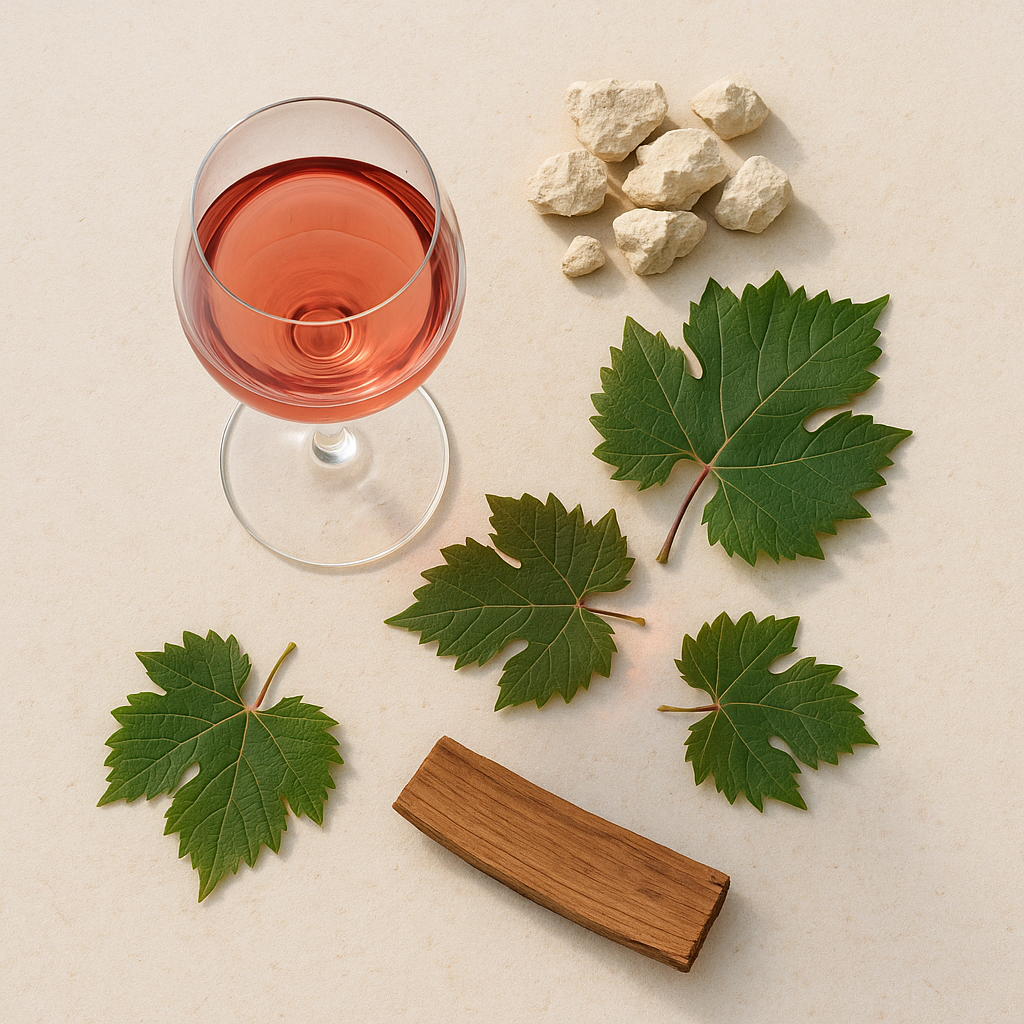
Can you drink 10 year old Pinot Noir?
Yes, and for a lot of good red Burgundy, ten years is just the wine finding its feet. Village wines are often at or past their best by then; premier and grand cru are commonly still climbing. Whether year ten is a delight or a letdown depends heavily on which vintage is in the bottle and how it’s been stored.
Fine wines go through a genuinely odd phase somewhere in their life — closing up, going quiet, losing their youthful aroma before they’ve gained anything to replace it. Trade writers call it the dumb phase, and it can land anywhere from a few months to several years after bottling, unpredictably. A wine tasting flat and sulky at year seven can turn round completely by year eleven.
The 2005 vintage is a good real-world case. It was warm and ripe, generous even at entry level — but critics were clear that the top village, premier cru and grand cru wines needed at least ten years of bottle age to show their full complexity, while the simpler wines were drinking well from around three years after harvest. Same vintage, wildly different clocks.
And here’s the thing that makes Burgundy different from Bordeaux or Barolo: because it’s approachable so early, the honest question for red Burgundy usually isn’t “is it ready” — it’s “is it at its best.” Those are different questions, and worth sitting with before you pull a cork on something special.
Is a 7 year old Pinot Noir still good?
Quite possibly the best it will ever be — or right in the middle of that sulky dumb phase. Seven years catches different Burgundies at very different points: a village wine from an early-drinking vintage could be gently fading, while a grand cru from a structured year might have barely started to open up. Pull the cork and taste. That’s the only answer that doesn’t lie to you.
What to look for once it’s in the glass: young red Burgundy smells of fresh strawberry, raspberry and red cherry. With age, that shifts to baked fruit — cherry pie rather than fresh cherries — and eventually toward dried fruit, the kind of note you’d associate with Christmas pudding. Texture matters too: astringency recedes, the mouthfeel softens, and if it’s hit its stride the whole thing feels balanced rather than sharp-edged or tired.
If it smells reticent and shut when you first pour it, give it twenty minutes in the glass before writing it off — that can be the dumb phase talking, not a fault. If it’s genuinely flat, brown-edged and stewed, that’s your answer: drink it, don’t cellar it further. And if you simply prefer fresh, fruity Pinot Noir to the tertiary stuff — that’s a perfectly legitimate preference, not a wrong answer. Ageing potential only matters if you want the aged version. If you don’t, buy the village wine, drink it in the flush of its fruit, and put the difference toward a second bottle — no cellar, no guilt.
What changes in the glass as it gets older
Beyond fruit character, the biggest shift is aromatic complexity — florals and other secondary notes layering in alongside the fruit as the wine settles into its “true” stage, the one that comes after the dumb phase has passed. Reds at this point often show more length on the palate too, which is part of why a great mature Burgundy can feel like it’s saying more with less.
Closure matters more than people expect. A cork-sealed bottle tends to develop more slowly than the same wine under screwcap, so two bottles from an identical vintage can genuinely taste like different ages of wine. If you’re buying old Burgundy at auction or from a specialist, check the cork’s condition (a weeping or badly sunken cork is worth asking about) before you commit real money to a bottle you can’t taste first.
None of this is exact science, whatever the label promises. Even controlled cellar conditions don’t remove the variability — how a wine tastes to you on a Tuesday depends on more than the number printed on the vintage.
Questions customers ask us
Does Pinot Noir age as well as Cabernet or Syrah? In the varieties capable of long ageing at all, Pinot Noir sits alongside Cabernet Sauvignon, Syrah, Nebbiolo and Tempranillo, per trade reference on ageing potential. It gets there by a different route — lower tannin, more reliance on acidity and aromatic concentration — but the top end genuinely rivals them for longevity.
Should I decant an older red Burgundy? Older bottles can throw sediment, so standing the bottle upright for a day beforehand and decanting off the sediment gently is sensible. If the wine smells closed on opening, some air in a decanter or simply time in the glass helps it show itself properly.
What’s the difference between village, premier cru and grand cru for ageing? Broadly, quality tier tracks tannin and oak: grand cru sites tend to carry a touch more structure and new oak influence than village wines, which is part of why they sit toward the longer end of Burgundy’s four-to-twenty-year window. It’s a tendency, not a rule for every producer.
Is there ever a “wrong” time to drink red Burgundy? Less so than with Bordeaux or Barolo, according to trade writers, because Burgundy is unusually drinkable young. The sharper question is when it’s at its best rather than merely ready — and that’s a matter of vintage, tier and your own patience.
For the fuller picture on why Burgundy costs what it does by village and cru, our guide Burgundy, decoded: villages, crus and why it costs what it costs goes into that properly. If you’re weighing Pinot Noir against other age-worthy reds, Which wines actually improve with age? covers the wider field, and if Bordeaux’s on your rack too, When to drink your Bordeaux: vintage windows explained simply runs the same exercise for Cabernet-based wines.
The merchant’s last word
I still open Burgundy too early more often than I’d like to admit — it’s just so charming young that patience feels like a waste. But the bottles I’ve held back have taught me more about what this grape can do than any tasting note ever did. Buy a couple to drink this year, and a couple to forget about. You’ll thank yourself later. Do have a browse the burgundy cellar while you’re deciding.