Best value Bordeaux isn’t a contradiction in terms — it’s an arithmetic exercise, and the arithmetic leans your way once you know where to look. Strip a bottle of claret back to what it costs to make and the gap between an everyday label and a classed growth turns out to be nothing like the gap on the price tag; much of what you pay at the top is land, tiny yields and pedigree, and pedigree is the one part you’re allowed to decline. By the end of this you’ll know where the region’s fixed hierarchy sits, which side of the river suits your table, and which appellations quietly do the same job as the famous names for a fraction of the outlay.
What is considered the best Bordeaux wine?
Ask ten merchants and most will point to the 1855 classification — a ranking of Médoc (plus one Graves estate) into first through fifth growths, still governing prestige and price nearly 170 years later. It’s a fixed social order more than a taste test. “Best” for drinking well, rather than for bragging rights, is a different, more useful question.
Here’s the number that changed how I sold Bordeaux: trade estimates put the production cost of a bottle of everyday Bordeaux AOC at around £0.50, a solid Médoc estate wine at around £2, and a classed growth at around £14 — before land, interest, or a single penny of profit. That gap is barrel ageing, tiny yields, and land prices, not a tenfold jump in what’s actually in the glass. I’ve written more on that arithmetic in Why does wine cost what it costs? £8 vs £30, explained, because it explains an awful lot of what follows here.
The crus classés — those 60 grand estates — make up roughly a quarter of the Médoc’s total wine by volume. The other three-quarters is where this whole article lives. If Bordeaux still feels like a locked door, I’ve mapped the whole region, communes and classifications included, in Bordeaux without the intimidation: a merchant’s map.
What are the big five Bordeaux wines?
The “big five” are the five first-growth estates named in 1855 — four sit around Pauillac and Margaux, one stands alone out in the Graves at Pessac-Léognan. They’ve headed the classification for over 150 years, and only one estate has ever been promoted into their ranks since — a single change in a century and a half tells you how locked the system is.
That permanence is exactly why chasing “the best” is the wrong question for anyone buying to drink rather than to invest. These five sit at the top of a pyramid with 59 other classed growths beneath them, then several hundred Cru Bourgeois estates, then thousands of small family-run properties the French call petits châteaux — modest in size and reputation, never grand, often terrific.
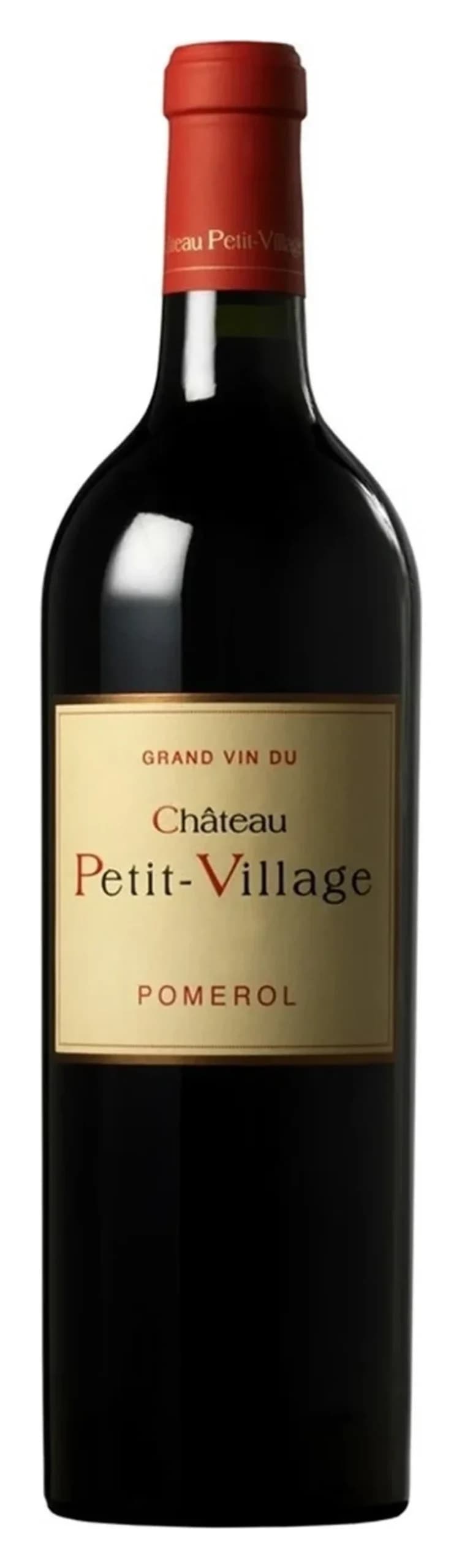
Some of the region’s most conscientious value hunting happens at exactly that petit château level: family estates without a smart label or a classification to lean on, just decent fruit and honest winemaking, with most of the money you hand over going into the glass rather than the name. They’ll never be a big five. They don’t need to be.
Is left bank or right bank Bordeaux better?
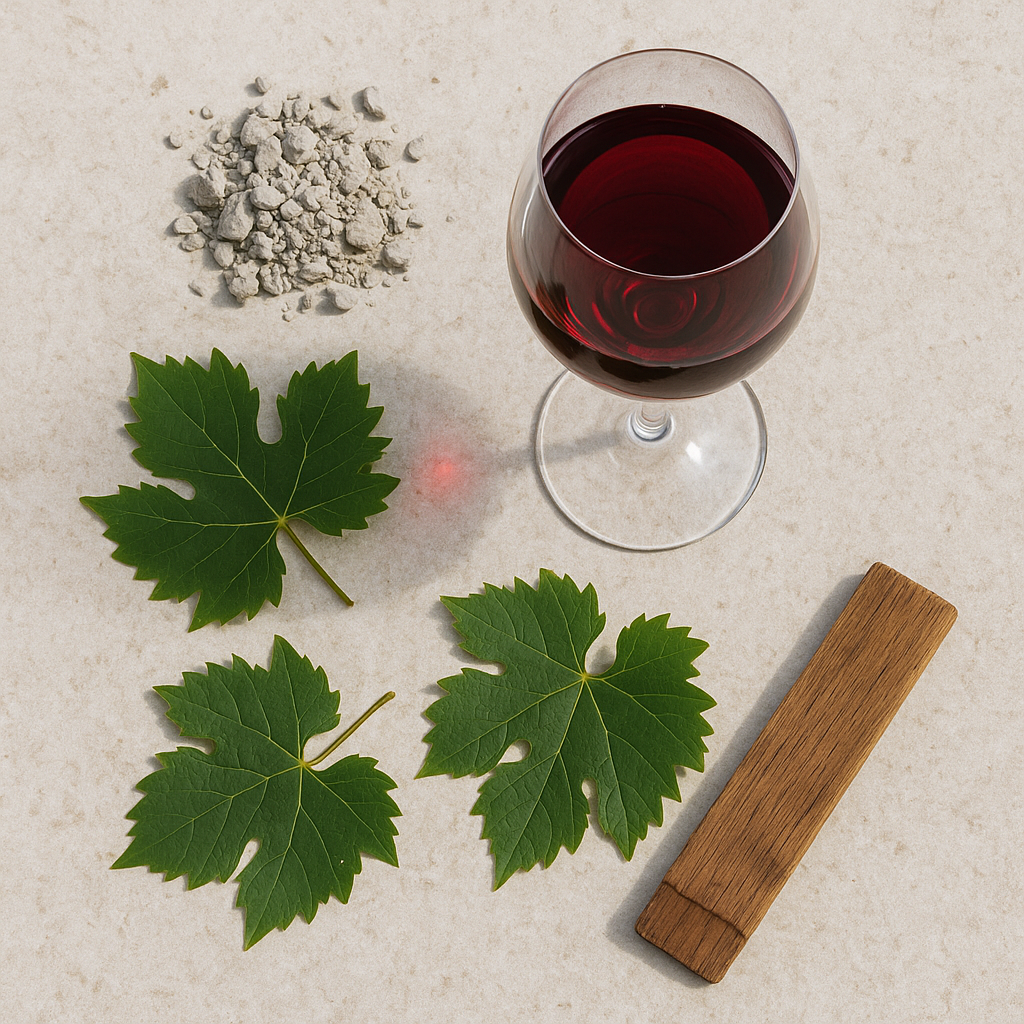
Neither is objectively better — they’re built from different grapes on different soil, aimed at different moods. Left bank claret (Médoc, Graves) leans on Cabernet Sauvignon grown on gravel and wants time to soften; right bank claret (St-Émilion, Pomerol) leans on Merlot grown on clay and limestone and gives pleasure sooner. Pick left bank for a Sunday roast you’re planning weeks ahead, right bank for Tuesday’s pasta with mushrooms.
Old trade guidance, going back decades, put it simply: drink right bank claret from around seven years old, left bank from around ten, with Cru Bourgeois and above as the quality benchmark. Winemaking has moved on since — riper picking, gentler tannin management — so plenty of modern claret drinks well younger than that. But it’s a decent starting rule if you’ve got an empty cellar and no idea where to begin.
| Left Bank | Right Bank | |
|---|---|---|
| Dominant grape | Cabernet Sauvignon | Merlot |
| Key communes | St-Julien, Pauillac, Margaux, St-Estèphe | St-Émilion, Pomerol, Lalande-de-Pomerol |
| Typical soil | Gravel | Clay and limestone |
| Character | Structured, firmer tannin | Plusher, earlier charm |
| Rough drinking guide | From about 10 years | From about 7 years |
Worth knowing: St-Julien has no first growths at all, yet it holds five second growths and several more fourth growths within its small boundary — arguably the most reliable, underrated commune in the whole Médoc. If you want left-bank structure without left-bank swagger pricing, that’s where I’d point you first.
Where the real value actually hides
Cru Bourgeois is the category sitting directly below the classed growths in the Médoc — created in 1932, reworked in 2010, and since 2018 reassessed every year across three tiers (Cru Bourgeois, Supérieur, Exceptionnel). Any Médoc property can apply, and some, like the largest estate in the whole Médoc, are anything but small operations. It’s not a marketing gimmick; it’s a genuine quality baseline.
Then there’s the Côtes de Bordeaux family — Cadillac, Castillon, Blaye, Francs, Ste-Foy — right-bank-adjacent appellations along the Garonne and Dordogne making concentrated, Merlot-based reds with real character, if sometimes without the ageing stamina of the famous names. Lalande-de-Pomerol, just across the Barbanne stream from Pomerol itself, grows on similar clay, sand and gravel and offers a genuine echo of that lush style for a fraction of the price. Trade coverage of recent vintages keeps returning to the same shortlist for easy, characterful drinking: Fronsac, Lalande-de-Pomerol, Castillon, Côtes de Bourg, Blaye, Entre-deux-Mers.
Here’s the trick I wish someone had told me years ago rather than me learning it the slow way: you don’t have to leave the famous communes to find affordable Bordeaux either. Even within Margaux, St-Julien, St-Estèphe and Pauillac, there are properties making wines that capture the commune’s structure, power or perfume without the top-tier price — approachable younger, and genuinely reflective of where they’re grown. Decanter’s own cut-off for “value” Bordeaux sits at roughly £20 a bottle, and there’s a great deal of honest, appellation-true wine under that line if you’re not fixed on a famous name.
If it’s old-world value you’re after more broadly, Bordeaux isn’t the only address — I’ve made the case for Old vines, old ways: why Spain is Europe’s best value too.
Vintages worth chasing: 2009, 2010, and knowing when to pour
Vintage matters more in Bordeaux than almost anywhere else in France, thanks to a genuinely marginal, maritime climate. 2009 and 2010 are still spoken of as benchmark years — ripe, structured, built to last — and because prices on top names spiked hard after those vintages, some of the best value 2009 Bordeaux and best value 2010 Bordeaux now sits at Cru Bourgeois and petit château level, mature and ready, while the famous names from the same years are only just entering their proper drinking window.
More recent vintages tell the same story on repeat. The 2022 growing season was generous enough that even sites which usually struggle for ripeness got there comfortably, meaning value picks turned up in every appellation, not just the usual suspects. Forward, fruit-led styles — St-Émilion typically among them — drink earlier than tougher, more tannic wines from Pauillac or a firm vintage; that’s worth knowing before you open your best bottle on a Tuesday out of impatience.
The honest habit, and one I’ve had to relearn more than once: buy a bottle or two from a vintage you like the sound of, open one a year or two ahead of “schedule” to see where it’s at, and let that first glass tell you when the rest are ready. Better that than guessing from a chart.
Questions customers ask us
What’s a satellite appellation? It’s trade shorthand for smaller appellations bordering a famous one and sharing its soils and grapes — Lalande-de-Pomerol next to Pomerol, or the Côtes appellations near St-Émilion. Same neighbourhood, same style, usually a much gentler price.
Does Pomerol have a classification like the Médoc? No — it’s the one major appellation without one, which is part of its mystique. Reputation there is built estate by estate through word of mouth and track record, not a fixed 1855-style ladder.
Is Entre-deux-Mers worth buying? For whites, yes — it’s Bordeaux’s largest white-only appellation, light and refreshing, and typically inexpensive to mid-priced. Good for a weeknight glass; not built for ageing.
Should I trust the St-Émilion classification? Treat it as one opinion among several rather than gospel. It’s been revised repeatedly and challenged in court, and a few well-known estates have walked away from it entirely in recent years.
The merchant’s last word
I’ve spent years watching customers assume good claret means a scary price tag, then watching their faces when a Cru Bourgeois or a Castillon does exactly the job they wanted. The best value Bordeaux was never really a secret — the arithmetic has been sitting in plain sight all along; it just doesn’t shout the way a first growth does. Come and browse the bordeaux cellar and I’ll point you towards the bottle that suits your Tuesday, not just your dinner party.