Fortified wine is any wine that’s had spirit added to it — and once you understand that one move, three whole categories of drink stop being confusing and start being useful. It’s wine with grape spirit stirred in at some point in its making, which lifts the alcohol and, depending on timing, decides whether the result ends up bone dry or lusciously sweet. By the end of this you’ll know which of the four broad families suits your Tuesday night, which suits Christmas pudding, and how to keep a bottle going for weeks rather than days once it’s open.
What is a fortified wine?
A fortified wine is a wine that’s had spirit — nearly always neutral grape spirit — added to it during or after fermentation, to stop the yeast working and raise the strength well past what fermentation alone could manage. Most sit somewhere between 15% and 22% alcohol. That one addition is the whole trick behind sherry, port, madeira and their cousins.
Here’s the bit I got wrong for years explaining it in the shop: I used to say “fortified wine is strong wine with brandy in it,” which is close enough to be dangerous. The truth is more precise, and more interesting. Yeast and most spoilage bacteria simply can’t function once the alcohol gets much past 16–18%, so adding spirit isn’t really about strength for its own sake — it’s about switching the wine off at a chosen moment, mid-story, and locking it there.
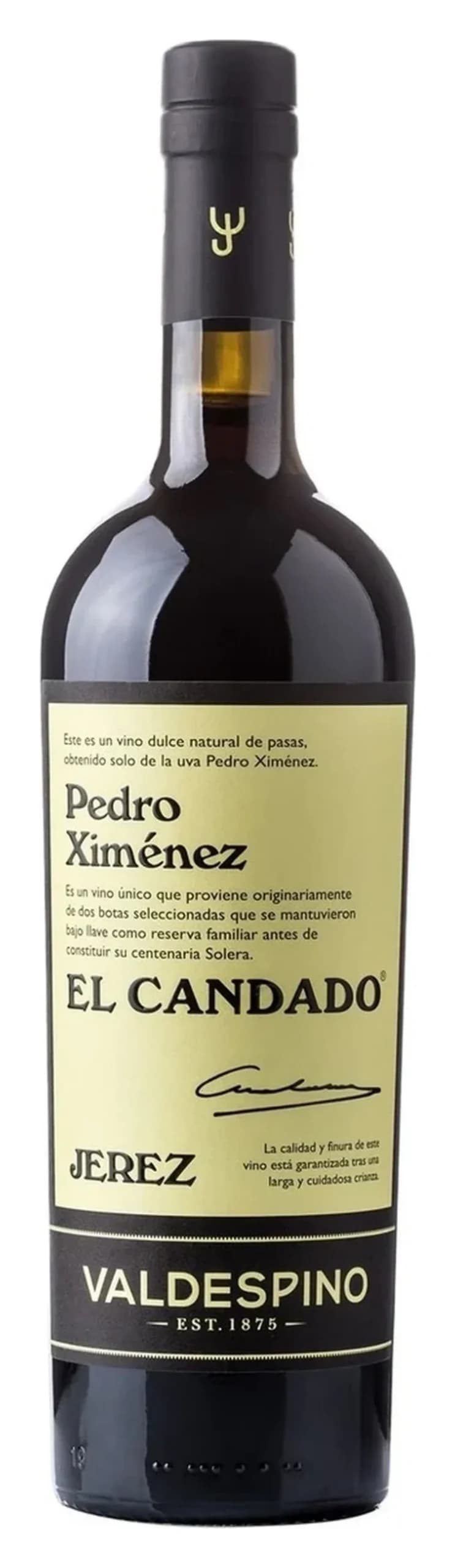
That moment is everything. Add the spirit early, while there’s still plenty of sugar left unfermented, and you get a sweet wine — the yeast never got the chance to eat through it. Add it late, once fermentation has run its course and the sugar’s gone, and you get a dry wine with all the alcohol but none of the sweetness. Same technique, opposite outcomes, purely down to timing.
One nuance worth knowing, because it trips people up at tastings: not everything that tastes fortified technically is. Pineau des Charentes and similar drinks are made by blending spirit into grape juice that’s barely fermented at all, rather than into an actual wine — properly, these are called vins de liqueur, not fortified wines. It’s a fine distinction, but it’s the kind of thing that separates a merchant who knows his stock from one reciting a script.
What kind of wines are fortified?
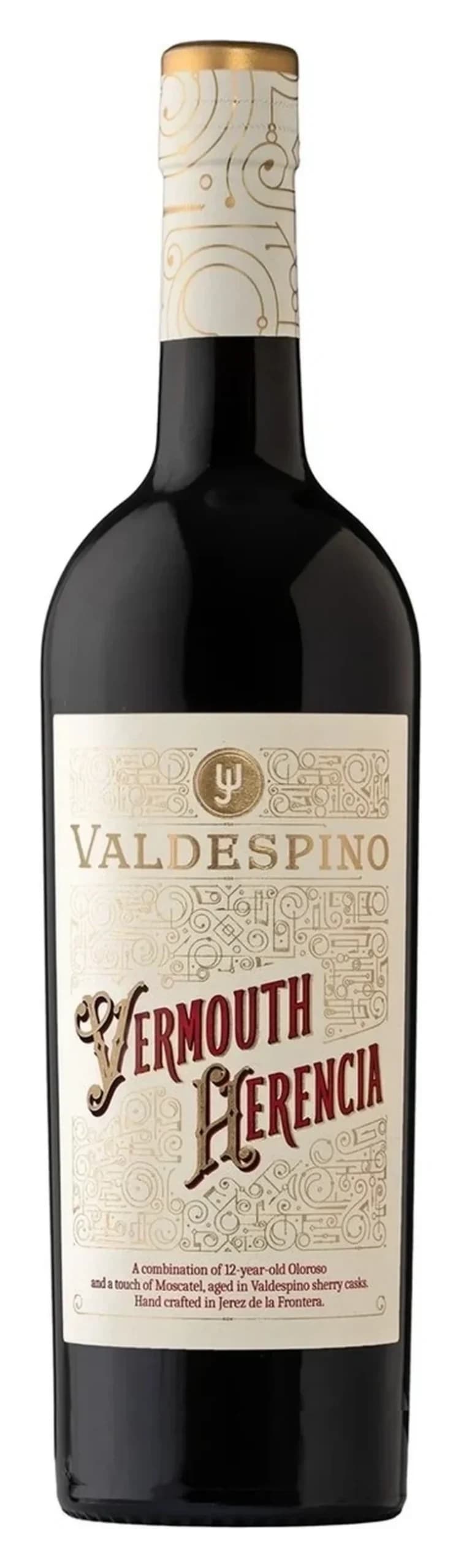
More than most people expect. Sherry, port and madeira get all the attention, but the fortified world also runs to vermouth, marsala, málaga, Rutherglen muscat, vins doux naturels from southern France, and a handful of strictly local specialities you’ll mostly meet on holiday. Nearly every warm wine region on earth has had a go at making something in the image of port or sherry, even where EU rules mean they can’t borrow the name.
The heartland is southern Europe, and that’s not an accident. Fortified styles mostly took shape over the last two or three centuries in places hot enough to ripen grapes hard and, often, to age wine in warehouses that get properly warm in summer — Jerez, the Douro Valley, the island of Madeira, Sicily for marsala, and Turin for vermouth’s herbal, aromatised cousin. There’s a wry old trade observation that anywhere hot enough to make great fortified wine is usually too hot to be the ideal climate for drinking it — which is why so much of it ships off to cooler countries.
Spain alone covers more ground than most people realise. Sherry proper now legally means wines from the Jerez region in Andalucía, but the same techniques and grapes turn up under other names nearby — Montilla-Moriles, Málaga, Condado de Huelva — all often lumped together as “sherry-style” for convenience. If that kind of regional sprawl interests you, it’s worth reading Rioja and beyond: Spain for people who love flavour — Andalucía isn’t Rioja, but Spain’s habit of quietly containing multitudes runs right through both.
New World versions exist too — Australia, South Africa, California and Cyprus all make wines built on the same port and sherry blueprint, usually under their own regional names since the originals are protected within Europe.
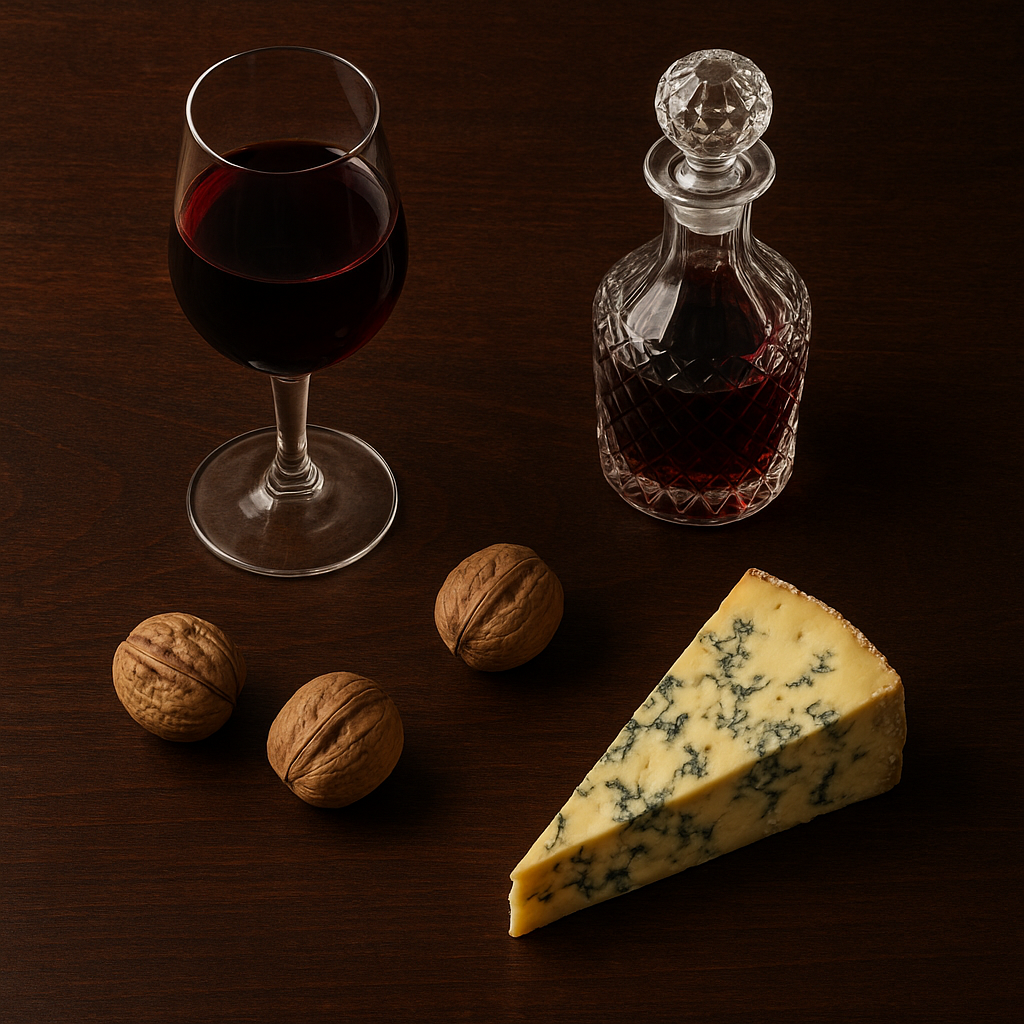
What are the four types of fortified wine?
The clearest way to sort the whole family isn’t by country, it’s by style — and the trade broadly groups fortified wines into four camps, based on flavour and how they’re made, before you even get to the aromatised outliers like vermouth. Knowing which camp a bottle sits in tells you more about what’s in the glass than the region name ever will.
| Type | Character | Familiar names | Best drunk |
|---|---|---|---|
| Sherry-like | Dry to nutty, often pungent, low acidity but sharp on the palate anyway | Fino, Manzanilla, Amontillado, Oloroso | Before a meal (dry styles) or after (Oloroso, Cream) |
| Port-like | Rich, fruit-driven, from black grapes for colour and body | Ruby, Tawny, Late Bottled Vintage, Vintage Port | After a meal, or with cheese |
| Madeira-like | Deliberately oxidised, tangy, high acid, remarkably long-lived | Sercial, Verdelho, Bual, Malmsey | After a meal, or sipped slowly on its own |
| Muscat-based | Grapey, intensely sweet, from aromatic Muscat grapes | Rutherglen Muscat, some Setúbal styles | With or instead of dessert |
A fifth strand — vermouth and other aromatised wines — gets fortified the same way but then flavoured with herbs, roots and spices, which is why it behaves more like an ingredient than a drink on its own. Worth knowing it exists, less useful to dwell on here.
Within port specifically, colour comes from choosing black grape varieties like Touriga Nacional and Sousão, and how deep or pale the base wines are decides whether you end up with an everyday Ruby or a Vintage Port built to sit in a cellar for decades. Sherry runs the opposite way — it’s white grapes only, chiefly Palomino, and the character comes almost entirely from ageing method rather than grape colour.
How to choose a bottle that actually suits you
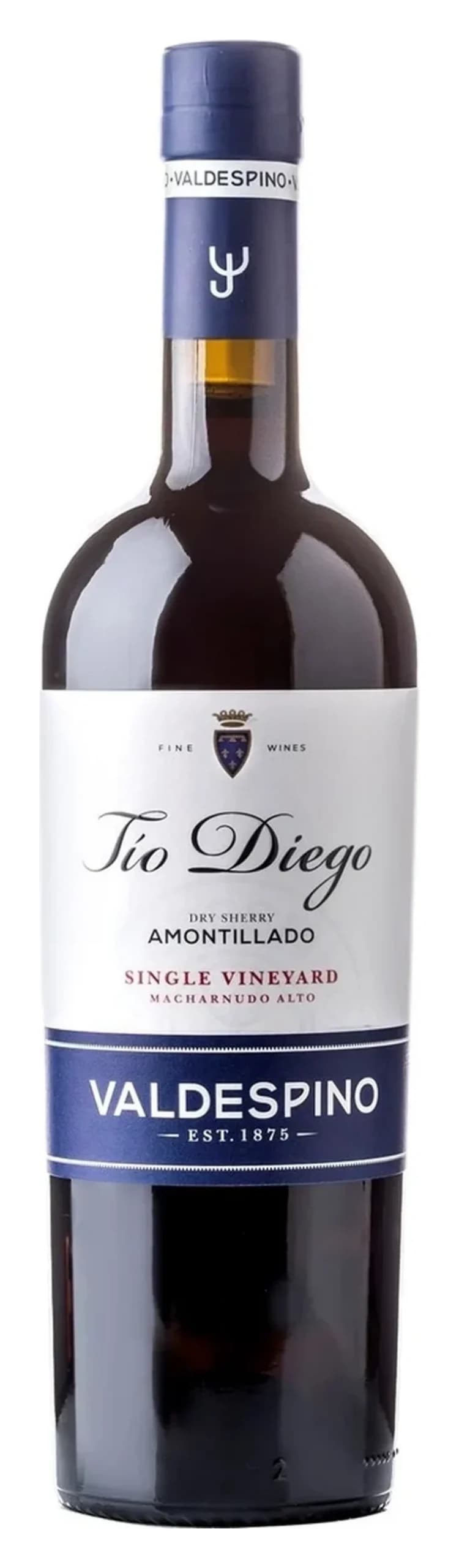
If you’ve never bought a fortified wine on purpose, start with the question “before the meal or after it?” — it does more work than any tasting note. Dry, pale styles like fino and manzanilla sherry, or white port, are built to sharpen the appetite; sweeter, richer styles like Oloroso, Tawny Port, Malmsey Madeira and most marsala are built to follow a meal, alongside or instead of pudding.
Beyond that, think about patience. Late Bottled Vintage Port is bottled ready to drink, no cellar required. Vintage Port is the opposite — it’s released young, tannic and concentrated on purpose, precisely so it can spend years in bottle turning fresh fruit into something drier and more layered. If you’re not planning to wait a decade, buy the LBV and thank me later.
Trade conversation over the last few years has settled into a fairly consistent shape: overall volumes across sherry, port and madeira have been falling for decades, but the top end is doing something more interesting. Cheap, sweetened styles — bulk Cream and Medium sherry especially — have lost ground, while quality-focused Fino, Manzanilla and premium Tawny have held up better, and Port’s average price has actually been climbing as drinkers trade up rather than out. Translation: this is a genuinely good moment to buy well rather than buy big.
If working out what “buying well” even means for a category you don’t know feels daunting, that’s exactly the gap How to buy wine like a merchant: labels, ratings and value is written to close — the same value logic that applies to a bottle of Rioja applies here.
And if you like the idea of a wine built for a specific moment in an evening rather than an all-purpose glass, it’s worth remembering Champagne, explained by a merchant: styles, houses and how to choose works on a similar logic — a dry fino before dinner does roughly the job a good Blanc de Blancs does, just with a different accent.
How to serve it so it actually shows well
Small glass, small pour — that’s the whole secret, and it’s the bit people skip. Fortified wines carry real intensity, so a full glass does them no favours; even madeira, poured properly, only wants a glass filled an eighth to a quarter full. A standard white wine glass does the job better than the pretty little tulip glasses sold on the island itself, and far better than a brandy balloon, which warms the wine up too fast and flattens it.
Temperature matters more than people expect. Dry sherry styles want a proper chill, almost like a white wine. Vintage Port and richer madeiras are better a touch below room temperature, not warmed in the hand like a spirit.
Storage after opening is where the four types genuinely diverge, and it’s worth knowing before you buy a bottle for “just the odd glass”:
- Tawny Port, richer Madeiras and Oloroso sherry have already been aged oxidatively for years — they’ve made their peace with air, and a re-corked bottle will happily sit in a cool cupboard for weeks.
- Fino and Manzanilla sherry are the opposite — lighter, fresher, more fragile — and go into the fridge, best finished within a handful of days.
- Vintage Port is built to be decanted young and finished within a day or two once poured off its sediment, precisely because all that structure that rewards years in bottle doesn’t reward days in an open bottle.
None of that is a reason to avoid these wines — quite the opposite. It just means buying a half bottle of fino for a solo Tuesday makes more sense than opening a full 75cl bottle of Tawny hoping to finish it that night. Small glass, right style, right week.
Questions customers ask us
Is sherry the same thing as fortified wine generally? No — sherry is one family within the fortified wine world, specifically from the Jerez region in Spain. People used the word loosely for decades, which is exactly why the sherry trade fought to have the name legally protected.
Why do some fortified wines taste burnt or nutty on purpose? That’s deliberate oxidative ageing, often in small wooden casks that let air in gently over years. It’s the technique behind aged Tawny Port, most Madeira, and Oloroso sherry — the “burnt sugar” and toasted-nut character is the point, not a flaw.
Can fortified wine age for decades in the bottle? Some can, remarkably so — old vintage Madeiras from the nineteenth century are still being opened and tasted today, kept alive by high acidity and the oxidative style they were made in from the start. Not every fortified wine is built for that; ask before you buy one to lay down.
What’s the difference between port and sherry in one line? Port is red-grape-based, fortified partway through fermentation to lock in sweetness, and mostly from the Douro Valley in Portugal; sherry is white-grape-based, fortified after fermentation is complete, and mostly from Jerez in Spain.
The merchant’s last word
I spent years treating this whole shelf as “the stuff nobody asks about” — tucked at the back, dusted off at Christmas for the trifle. That’s a shame, because a good fino before dinner or a proper Tawny after it does something no ordinary glass of wine quite manages. Have a proper look — browse the fortified wine cellar and see what catches your eye.