Ask ten people to name the different types of sherry wine and you’ll get ten answers — half of them twenty years out of date, most involving a dusty bottle at the back of a granny’s cupboard. Sherry is a fortified white wine from the Jerez region of southern Spain, made almost entirely from one grape, Palomino. What separates one bottle from the next isn’t the grape at all — it’s what happens to the wine afterwards, aged either under a living blanket of yeast or fully exposed to the air. By the end of this you’ll know which family you’re holding, and how to pick a bottle that suits what’s actually on the table.
What are the two driest styles of sherry?
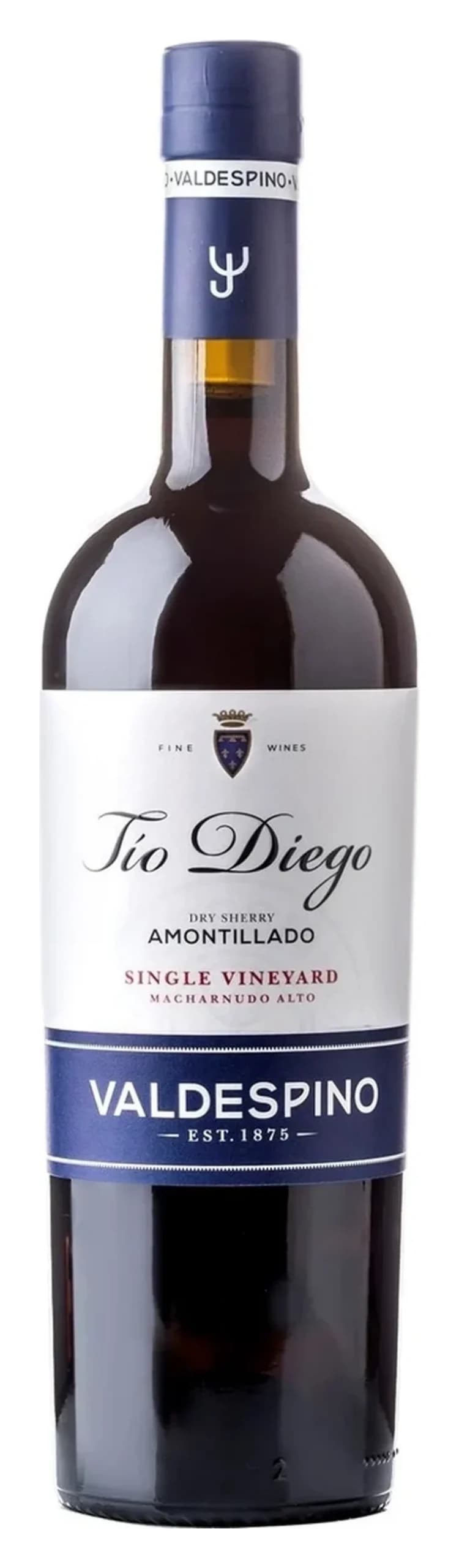
Think of Fino and Manzanilla as siblings raised in different climates rather than separate wines. What unites them is flor, that curious veil of yeast which forms naturally on the surface of the wine in barrel, blocking out oxygen and preserving a pale colour, a bone-dry finish, and roughly 15% alcohol. The difference comes down to postcode: age that same base wine in Sanlúcar de Barrameda, with its cooler, sea-damp air rolling in off the Atlantic, and it becomes Manzanilla instead of Fino.
That coastal detail matters more than it sounds. Sanlúcar’s milder, damper climate lets the flor grow thicker than it does inland in Jerez, and the resulting wine tends to be lighter, saltier, and slightly lower in alcohol than a Jerez-made Fino. I used to think Manzanilla was just “a bit of a Fino” — it took me a while to taste them side by side and clock how much that sea air actually does.
Both wines age biologically, meaning the flor is doing the work, not the oxygen. Expect bread dough, almonds, a whiff of green apple — never fruit-forward, always dry. If a bottle says “en rama” on the label, that’s a Fino or Manzanilla bottled with less filtering than usual: more texture, more punch, and it doesn’t hang about once opened.
From dry to sweet: the full spread
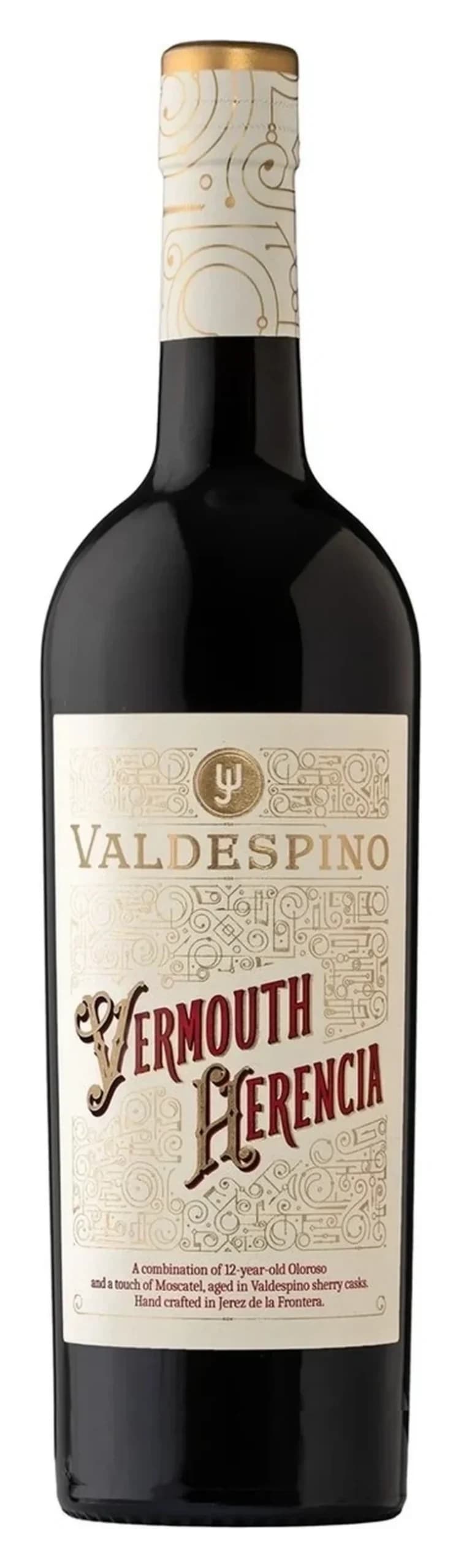
Fino and Manzanilla are only the start. Once flor dies off or is killed by extra fortification, the wine starts ageing oxidatively instead — exposed to air, deepening in colour and character. That’s how you get Amontillado (an aged-on Fino, turning amber and nutty), Palo Cortado (rarer, a wine that loses its flor early and takes its own path — arguably the best of both worlds), and Oloroso, which never had flor’s protection at all and ages fully oxidatively into something dark, rich, and higher in alcohol.
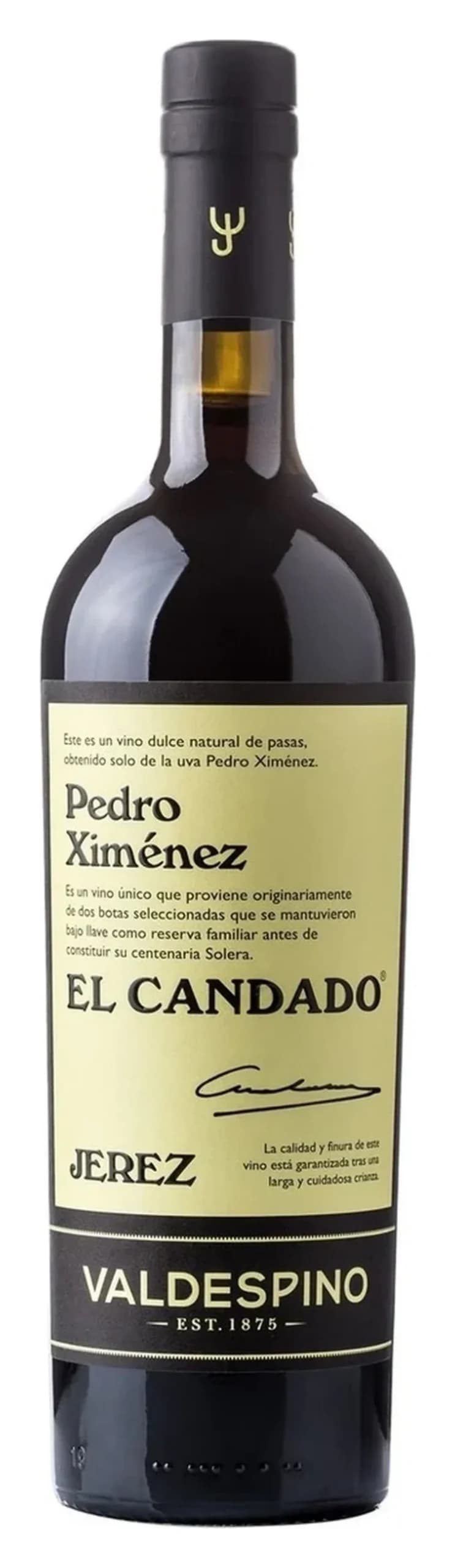
Then there’s the sweet end, made from grapes dried in the sun before fermentation: Pedro Ximénez (PX) and Moscatel, both raisiny, syrupy, low in acidity. Most “cream” style sherries aren’t a separate grape story at all — they’re a dry oxidative base sweetened with PX or Moscatel, sold as Pale Cream, Medium Cream, or Cream depending on how much sugar goes in.
| Style | Residual sugar | In plain terms |
|---|---|---|
| Fino / Manzanilla | up to 4 g/l (dry) | bone dry, saline, bready |
| Amontillado / Palo Cortado / Oloroso | up to 4 g/l (dry, before any sweetening) | nutty to rich, no sugar |
| Pale Cream / Medium Cream / Cream | roughly 45–140 g/l | sweetened blends, gentle to properly sweet |
| Moscatel | 160 g/l and up | grapey, aromatic, sweet |
| Pedro Ximénez (PX) | 212 g/l and up, often 450–500 g/l | thick, dark, molasses and raisin |
Worth knowing: a dry sherry aged more than 12 years is allowed slightly more sugar (up to 9 g/l) and still counts as dry — a small technical wrinkle, not a loophole for sweetness to sneak in unnoticed.
What are the different versions of the name sherry?
Sherry is simply the English mangling of Jerez, the Andalusian town the wine is named for. The French call the same wine Xérès. All three versions appear together — Jerez-Xérès-Sherry — on the paper seal the consejo regulador puts on every genuine bottle, a small guarantee of where it actually came from.
There’s a cousin worth knowing too: Montilla-Moriles, further inland near Córdoba, makes wine in a similar way — flor, soleras, the lot — but the inland heat means the flor grows thinner and the wines have less finesse than true sherry. Around half of Montilla-Moriles wine isn’t even fortified, which is one reason it’s cheaper on a shelf where duty’s charged by strength.
None of this is trivia for its own sake. Sherry sales have been sliding for a quarter of a century — production was down to around 400,000 hectolitres a year by 2021 according to trade figures — and historically Britain and the Netherlands have been its two biggest markets outside Spain itself. We didn’t just discover sherry recently. We half-forgot it, which is a different problem, and a more fixable one. For the fuller picture of how sherry sits alongside Port and Madeira, there’s more in Port, Sherry, Madeira: the wines time forgot (your gain).
How to serve each style without ruining it
Fino and Manzanilla want a proper wine glass, not the thimble your gran used — you want room for the aroma to do something. Serve them properly chilled, and treat an opened bottle like a loaf of bread, not a bottle of squash: drink it within a few days, because the freshness that makes it interesting doesn’t last once the flor’s protection is gone.
Amontillado and Oloroso are more forgiving once opened, since they’ve already been through oxidative ageing — a slightly warmer serve, nothing chilled to numbness, suits them. PX is almost a pudding in a glass: a small measure, over ice cream if you fancy it, or alongside dark chocolate.
If you’ve never matched a bone-dry Fino against a plate of jamón or fried fish, that’s the pairing that converts sceptics faster than anything else in the shop — I’ve watched it happen at the counter more times than I can count. There’s a whole piece on exactly that here: Dry Sherry with dinner: Fino as a food wine.
What are some good sherry wines?
The honest answer is: it depends what you’re doing with it, not which bottle has the prettiest label. Chilled Fino or Manzanilla before a meal to sharpen the appetite; Amontillado with roast chicken or mushrooms; Oloroso alongside stew, game, or anything with a good dark sauce; PX or Moscatel at the very end, with chocolate or poured straight over vanilla ice cream.
If you want to go further, look for VORS on a label — sherries with a guaranteed minimum age (typically well over two decades), the result of slow fractional blending through a solera system rather than a single vintage. Quality across sherry runs from good to genuinely outstanding, and price follows suit — inexpensive PX and Moscatel exist alongside proper premium bottlings, so don’t assume sweet means simple. In recent years a handful of specialist bottlers have taken to buying up exceptional old individual barrels from long-established bodegas and releasing them in small runs — worth seeking out if you want to taste sherry at its most serious. And if PX or Moscatel is new territory, Sweet wines for people who think they hate sweet wines is worth a read before you write the whole sweet end off.
Questions customers ask us
Is sherry always sweet? No — quite the opposite. Fino and Manzanilla are among the driest white wines made anywhere, and Amontillado, Palo Cortado, and Oloroso are dry too unless deliberately sweetened. The sweet reputation comes mostly from PX, Moscatel, and cream styles, which are genuinely just one part of a much wider spread.
How strong is sherry? Fino and Manzanilla usually sit around 15% abv. Oxidative styles like Oloroso are fortified further and can reach the low twenties once blended for stability, so there’s a real range depending on the style in the glass.
What type of sherry is a cream sherry? Cream sherry is typically a dry, oxidatively aged base sweetened with PX or Moscatel — one of the gentler types of Spanish sherry to start with if the drier styles feel like a stretch too far on a first try.
The merchant’s last word
I sold sherry badly for years — shoved to one shelf, one style, one occasion (Christmas, briefly). It deserves better than that, and so do you. Once you know your Fino from your Oloroso, the whole category opens up: an aperitif, a dinner wine, a proper dessert pour, all from one region. Come and browse the fortified wine cellar and let’s find the bottle that fits your Tuesday, not just your Christmas.