Sherry fino is the bottle I reach for on a Tuesday when there’s a bit of ham in the fridge and no time to fuss. It’s a fortified white wine from Jerez de la Frontera in southern Spain, aged under a living blanket of yeast called flor. That biological ageing is what makes it the palest, driest sherry style going, usually landing at 15–15.5% alcohol. Most people who’ve only met sherry as a sticky thing in a tiny glass at Christmas have never actually tasted this. The family tree gets its own pages on this blog; this one is the dinner-table case — by the end of it you’ll know what fino actually is, how dry it really is, what it tastes like, and how to pour it so it does its job — feeding you, not just sitting there looking Spanish.
What does Fino mean in sherry?
Fino simply means “fine” in Spanish, but in the sherry world it’s become the name for a whole style — the lightest, driest sherry, the commercial result of a base wine that’s developed a thick, healthy layer of flor. Without the capital letter, fino also describes that underlying wine type, before it’s finished and bottled. Two words, doing two related jobs.
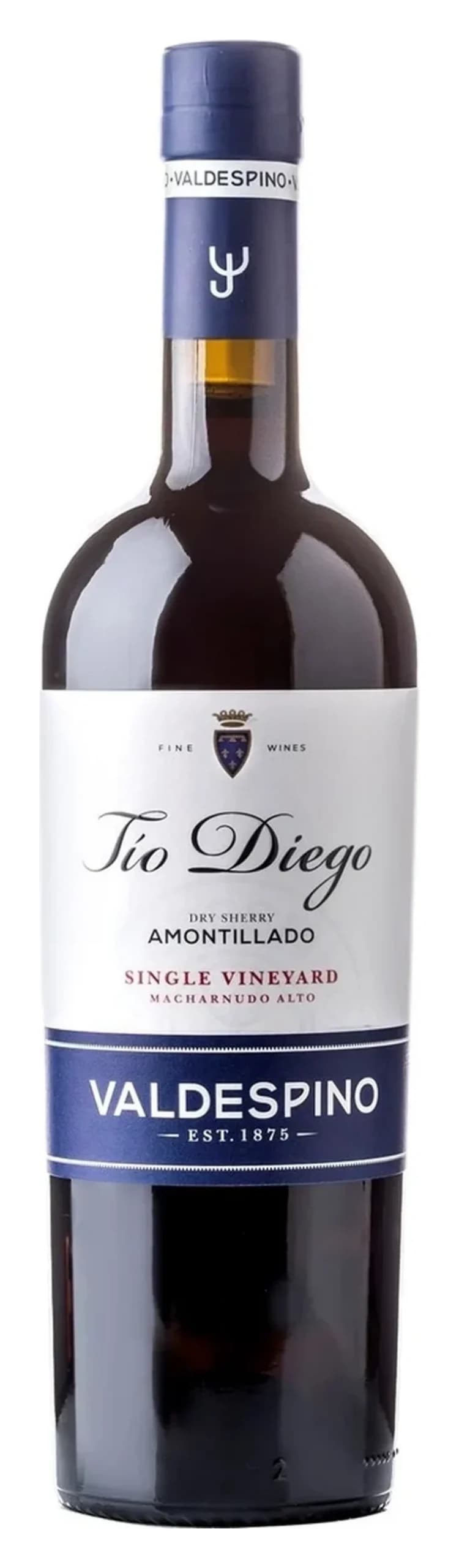
Most Fino you’ll see on a UK shelf is Fino de Jerez, made in and around the town of Jerez de la Frontera. But it’s also produced in Chiclana, Chipiona and Trebujena, and further afield in Montilla-Moriles and Condado de Huelva. If the same style is aged nearer the coast, in Sanlúcar de Barrameda, it gets its own name — manzanilla — thanks to the cooler, damper sea air that keeps the flor working differently. Same idea, different postcode, slightly different result.
The flor itself is the whole point. It’s a film of yeast that forms on the surface of the wine in barrel and protects it from oxygen, in the same family as the yeast that did the original fermentation. If you remember one line from this page, make it this: no flor, no fino — everything the wine tastes of, the yeast put there. Without it you’d just get a heavier, oxidised style instead, which is really where oloroso comes from. If you want the wider map of this — Port, Madeira, the lot — I wrote Port, Sherry, Madeira: the wines time forgot (your gain) to cover the whole family in one go.
Is fino sherry dry or sweet?
Fino is dry. Properly, bone dry — trade opinion generally puts it as the driest white wine style made anywhere, full stop. There’s no residual sugar hiding in there, no soft landing. If you’ve been served a sherry that tasted of raisins and treacle, that wasn’t fino — it was something further down the family tree.
Sherry runs on a scale from dry to very sweet, and it’s worth knowing where fino sits, because the name alone won’t tell you if a bottle in a shop is a pudding wine or an aperitif:
| Style | Sweetness | Character |
|---|---|---|
| Fino / Manzanilla | Dry | Pale, light, flor-driven |
| Amontillado | Off-dry as usually sold | Aged fino, nuttier, darker |
| Oloroso | Varies — often sweetened as sold | Oxidised, deeper colour |
| Cream | Sweet | Blend of sweet and dry |
| PX | Very sweet | Rich, dessert style |
Manzanilla sits right alongside fino on dryness — it’s essentially the same style, aged under flor at Sanlúcar de Barrameda rather than inland at Jerez. Amontillado is where things start to soften and darken; it’s an aged fino that’s lost its flor partway through and picked up oxidative character, which nudges it off-dry rather than properly sweet. So when a customer asks me for “a dry sherry,” I always ask one follow-up question first: fino, or are you happy going as far as amontillado? If dry is what you’re after at the start of a meal, fino is the safest word you can say across any wine counter — and, pound for pound, one of the least expensive serious wines we stock.
What flavour is fino sherry?
Fino tastes of green apple skins and salted almonds, with a bready, yeasty edge straight from the flor — a bit like the smell of a bakery crossed with a bowl of Marcona almonds. There’s no fruit sweetness to speak of. Instead you get a tangy, savoury sharpness, largely from a compound called acetaldehyde that the flor produces, finishing bone dry and almost saline.
Nearly all sherry, fino included, is made from Palomino — a grape that’s naturally low in acid and not much to look at on its own. It’s the flor, not the fruit, doing almost all the interesting work here, which took me a while to properly get my head round; I used to sell sherry on the grape and wonder why customers looked unmoved. The yeast feeds on glycerol as it grows across the wine’s surface, which is part of why fino feels lighter on the tongue than its 15% alcohol would suggest — no oily richness, just a clean, dry snap.
Age matters too. A younger fino straight out of the earliest stage of the solera system (the system of stacked barrels sherry is aged and blended through) tends to taste brighter and more appley. Let it sit longer under flor and you get more of that bread-dough, almond-skin depth — the flavour a lot of people don’t expect from something so pale in the glass. Once you know the flavour’s coming from the yeast rather than the fruit, choosing gets easy: you’re shopping for freshness, not vintage.
Pairing fino sherry with dinner
This is where fino stops being a curiosity and starts earning its keep. Manzanilla and fino are the sherries built for the start of a meal, or for eating right through it alongside salty, fried, briny things — not the ones you sip alone after pudding.
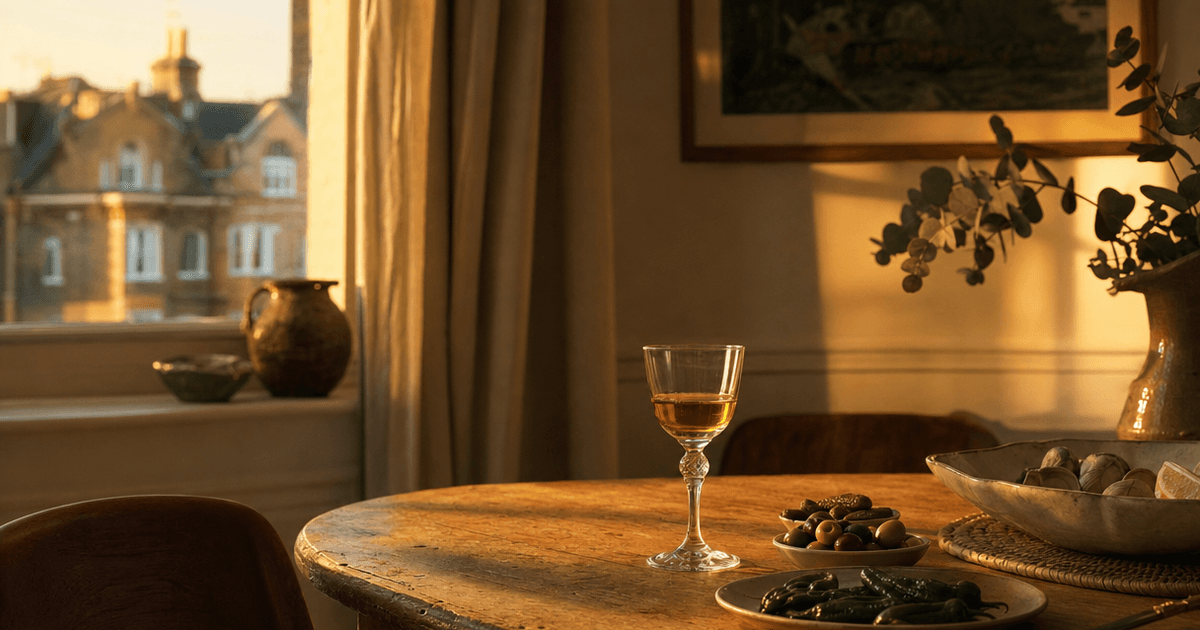
Jamón serrano or ibérico is the classic match, and for good reason: the wine’s dry, nutty tang cuts straight through the fat. Green olives, salted almonds, fried fish (think calamari or a plate of boquerones), piquillo peppers, oysters and other shellfish all sit happily next to it too. A splash of dry sherry stirred into a bowl of consommé or gazpacho is an old trick worth stealing, and it works precisely because fino has enough savoury backbone not to disappear into the soup. If you’re buying your first bottle for this job, keep it simple: a young Fino de Jerez for the ham-and-almonds end of things, or a manzanilla if the plan leans towards shellfish.
Where it struggles is anything sweet or creamy-rich — save that for oloroso or cream sherry instead. If you want the fuller Spanish table picture beyond just fino, Spanish wine with tapas: pairing the Spanish way goes through the rest of the lineup, and How wine cultures eat: Italy, Spain and France at the table is worth a read if you’re curious why Spain treats a dry sherry as the opening act of a meal rather than the closing one — it’s a habit worth borrowing on a Friday night.
How to drink sherry fino?
Serve it properly chilled, in an actual wine glass rather than the tiny sherry glasses your gran might have owned — a small white wine glass or a copita lets the aromas show without you needing to bury your nose in a thimble. Pour it generously, treat it like a table wine, and drink the bottle down within a day or two of opening; flor-aged sherry fades fast once air gets in, nothing like the months you might get away with on a bottle of port. My whole serving advice fits in one line: buy it fresh, chill it hard, finish it fast — fino rewards impatience like no other wine in the shop. It’s also why a fresh bottle from a busy shop beats an older one from a quiet one, every time.
Fridge-cold is right, colder than you’d chill a Chardonnay. Once it warms up in the glass, that crisp, appley snap softens and the wine starts to feel a bit flat and tired — so top up little glasses often rather than nursing one large pour all evening.
It’s also worth knowing fino has a life beyond the dinner table. Recent trade coverage has been pushing it as a lower-alcohol base for cocktails — a Bloody Sherry, built from fino and tomato juice in place of the usual vodka, is a genuinely good use of an open bottle on a Sunday. And that soup trick from earlier works the other way round too: keep a bottle specifically for cooking, separate from the one you’re drinking, since a fino past its best in the glass is still perfectly fine simmered into a broth.
Questions customers ask us
Is manzanilla just fino by another name? Near enough — same biological ageing under flor, same dry, light style, but manzanilla is aged specifically at Sanlúcar de Barrameda, where the cooler, more humid coastal air gives it a slightly saltier edge.
Can I cook with sherry fino? Yes — it’s a classic addition to consommé and gazpacho, and a splash stirred into a pan sauce or soup right at the end does a similar job to a squeeze of lemon, only savoury.
Does an open bottle keep as well as normal wine? No — drink it down within a day or two. Fino loses its freshness quickly once the flor’s protection is gone and air gets into the bottle.
Is all fino the same strength? Broadly yes, sitting around 15–15.5% alcohol, though the exact figure and depth of flavour shift a little depending on how long a particular wine has spent under flor.
The merchant’s last word
I sold fino badly for years — stuck it on a shelf near the ports and let it gather dust, because nobody asks for “a dry aperitif sherry” by name. Then I started pouring it alongside jamón for customers to try, and it never went back on the shelf quietly again. Chill it properly, drink it within a day or two, and it’ll do more for a plate of olives and ham than most white wines twice the price. Go and browse the fortified wine cellar and I’ll point you to the bottle worth starting with.