LBV Port — Late Bottled Vintage — is the bottle I reach for when someone wants vintage Port’s story without vintage Port’s patience or price tag. It’s Port from a single named harvest, bottled between four and six years later rather than the two to three years vintage Port spends in wood, and it’s built to drink now, not to wait in a cellar for your grandchildren. By the end of this you’ll know when to pick LBV over a properly declared vintage, how it stacks up against a bottle of tawny sitting next to it on the shelf, and which label word — filtered or unfiltered — actually changes what’s in your glass.
What is the difference between LBV and vintage Port?
Both come from a single harvest, but that’s where the similarity ends. Vintage Port is bottled two to three years after harvest, from a producer’s best casks, and needs decades in bottle to soften; it’s only declared in years judged good enough. LBV is bottled four to six years after harvest, usually from a notch below vintage Port’s best fruit, and sold ready to drink. No cellar required.
Every year, a shipper’s cellar master tastes through the casks from that harvest and decides whether any are good enough to become a declared vintage — the full mechanics of that decision are in our piece on Vintage Port: what ‘declaring a vintage’ means. In a year that does get declared, the finest casks go into that single, expensive bottling. In the many more years that don’t, that same base of good — sometimes very good — wine goes instead into LBV, Single Quinta Port, Crusted Port, or Tawny. LBV isn’t second-best vintage Port so much as a different destination for grapes that, in most years, were never going to become vintage Port anyway. It also matures differently: big old wooden vats or stainless steel rather than small barrels, keeping oxidation low and the fruit fresher.
The category has a tidy origin story worth knowing. Late Bottled Vintage was officially sanctioned by the Portuguese wine authority in the mid-1960s, and one long-established Douro shipper held the rights to the name for a while afterwards — its LBV from the 1965 harvest is generally credited with launching the style in English-speaking markets, where the word “vintage” has always sold well. Every major Douro shipper makes one now.
What is the difference between tawny and LBV Port?
Tawny is aged oxidatively — years, sometimes decades, in smaller old casks that let air in — until the colour fades from ruby to amber-brown and the fruit turns to walnut, fig and toffee. LBV is a single-vintage wine matured for a set four-to-six-year stretch in large vessels that protect it from oxidation, so it keeps its darker colour and red-fruited character. One’s a style built by time in wood; the other’s a snapshot of one year.
You’ll spot the difference on the label before you even pull the cork: tawny carries an average age statement — 10, 20, 30, even 40 years — while LBV states one specific harvest year, plain and simple. There’s a practical knock-on too. Because tawny has already done its ageing before it ever meets a cork, a glass poured next week from an already-opened bottle tastes much like one poured tonight, which is why some drinkers keep a bottle going for weeks in the fridge. LBV hasn’t been through that same slow oxidative process, so treat it more like a still red once opened: best within a few days, kept somewhere cool. If you’re curious how Sherry and Madeira fit into this same oxidative-versus-fresh picture, our Port, Sherry, Madeira: the wines time forgot (your gain) guide covers the wider family.
Filtered or unfiltered — the label word that actually matters
Look at the back label before the front. Most LBV on the shelf has been fined and filtered before bottling, which strips out sediment and makes it soft and approachable, ready to pour straight from the bottle with no decanter needed. A smaller, sometimes better, band of LBV is bottled unfiltered instead — fuller-bodied, closer in weight to a young vintage Port, and it will throw sediment in bottle over time, so it wants standing up for a day and pouring with a steady hand.
The word “traditional” used to appear on these unfiltered bottles; it’s no longer an officially recognised term, so look instead for “unfiltered” or “bottle matured” — the latter meaning the wine has had at least three years’ ageing in bottle before release, and it’s usually worth the extra pound or two if you find it.
| Filtered LBV | Unfiltered LBV | |
|---|---|---|
| Body | Lighter, softer | Fuller, more tannin |
| Decanting | Not needed | Recommended |
| Further ageing | Drink on release | Can improve for 5+ years |
| Closest in style to | An easy-drinking ruby | A young vintage Port |
Serving LBV Port well
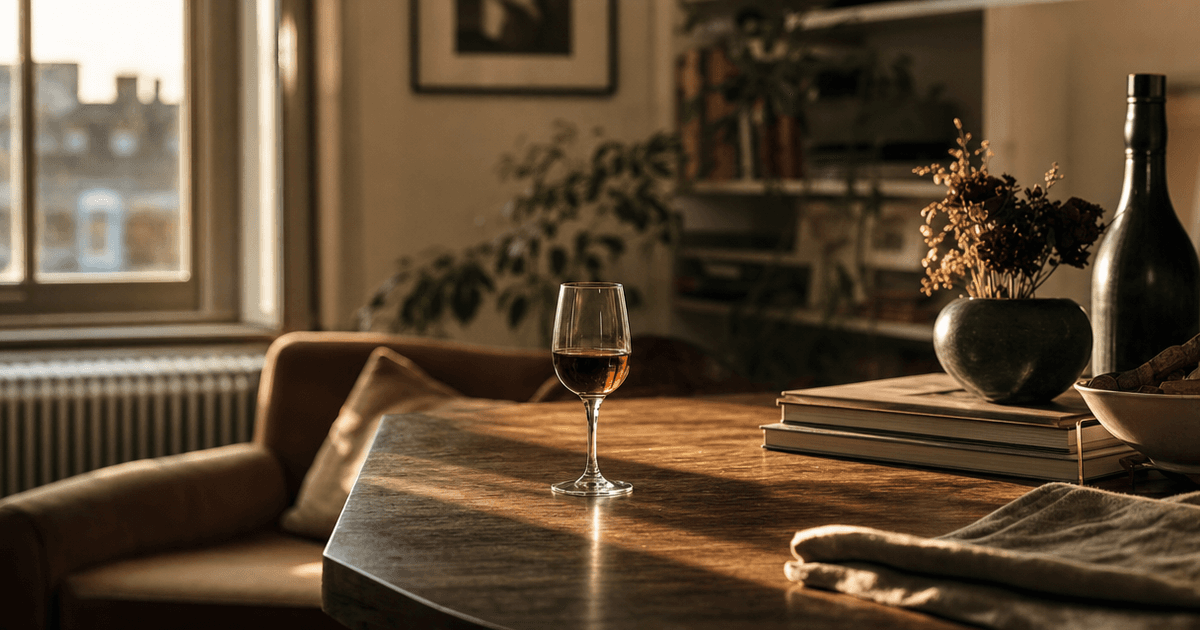
Pour it into an ordinary wine glass — a tulip-shaped white wine glass does the job far better than a tiny sherry schooner, because it gives the aromas somewhere to go. A slight chill helps, especially in warmer months; think cellar-cool rather than fridge-cold, and there’s no rule saying LBV only belongs by a fire in December — trade writers have made the case for Port as a drink for every season, poured lightly chilled after a summer supper as happily as beside a Christmas cheeseboard.
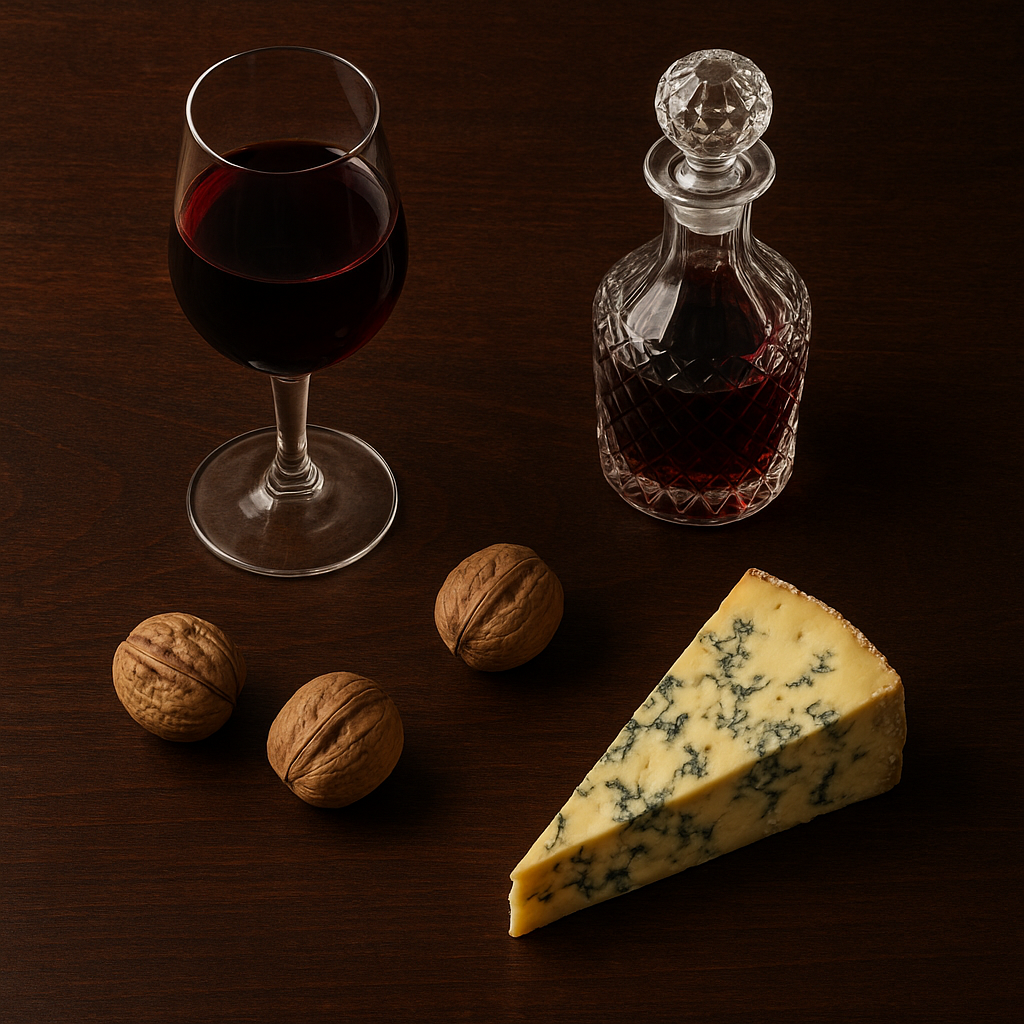
On the food side, LBV’s dark fruit and gentle spice sit well against a wedge of Stilton, a square of dark chocolate, or a bowl of walnuts and dried figs after Sunday lunch — the kind of pairing that needs no ceremony at all.
What LBV Port costs, and why
LBV sits in the middle of the Port price ladder — above ruby and ruby reserve, below vintage Port and aged tawny — and trade commentary over the years has flagged it as genuinely good value, precisely because it needs no long cellaring and carries none of the risk of a declared vintage falling flat. That value has a cost, though: supermarket price wars on LBV have squeezed margins hard enough that trade voices have warned it’s becoming difficult to make properly at the cheap end. A suspiciously discounted LBV probably skipped a step somewhere in that four-to-six-year maturation. If you want the fuller story on why one bottle costs £12 and another costs £35, we’ve laid it out in Why does wine cost what it costs? £8 vs £30, explained.
Questions customers ask us
Does LBV Port need decanting? Filtered LBV — most of what’s on the shelf — doesn’t; pour it straight from the bottle. Unfiltered LBV benefits from standing upright the day before and a careful pour, since it can throw sediment like a young vintage Port.
How long does LBV Port keep once it’s open? A few days to a week, kept somewhere cool, is the safe window for filtered LBV — it hasn’t been through tawny’s slow, deliberate exposure to air, so it doesn’t have the same resilience.
Is one house’s LBV different from another’s on the shelf? Not by law — every major Douro shipper makes an LBV under the same rules on harvest year and bottling window. House style, and whether it’s filtered or unfiltered, is what actually varies bottle to bottle.
Can LBV Port age further in bottle? Filtered LBV is built to drink now and won’t improve much from here. Unfiltered, bottle-matured LBV is the exception — it can genuinely gain depth over five or more years, which is worth knowing before you tuck one away.
The merchant’s last word
I used to sell LBV as “vintage Port for people in a hurry,” which sold bottles but undersold the wine — it’s its own thing, not a shortcut. Buy filtered for a Tuesday night with cheese, unfiltered if you fancy playing the long game a little. Either way, you’re getting genuine single-vintage character without the wait. Come and browse the fortified wine cellar and I’ll point you to the right bottle for what you’ve actually got planned.