Madeira wine is the strangest bottle on my shelf, and I mean that as the highest compliment I have. It’s a fortified wine made on the Portuguese island of the same name, out in the Atlantic roughly 625 miles from the mainland, and it’s built to survive almost anything — heat, air, decades of being forgotten at the back of a cellar. By the end of this you’ll know how to tell a Sercial from a Malmsey, whether it’s kin to port, and how to treat a bottle once it’s open (short version: not gently — more like an old dog that’s seen worse).
Is Madeira wine the same as port wine?
No. Both are Portuguese and both are fortified, but that’s where the family resemblance stops. Port comes from the Douro Valley on the mainland; madeira comes from the island itself, nearly a thousand kilometres out into the Atlantic. Port is typically fortified with grape spirit at around 77% strength; madeira gets hit with spirit closer to 96%, which is one reason it can taste so much more taut and steely even at similar sweetness levels.
The bigger difference is philosophy, not chemistry. Port houses “declare” a vintage together, a whole trade event with a shared year everyone agrees was special. Madeira doesn’t work that way at all. Shippers on the island quietly set aside small lots — a cask here, a demi-john there — and let them sit, sometimes for a century, before anyone decides they’re ready to be bottled and sold. There’s no press release. A cask laid down in the 1920s might simply reappear in bottle in 2015, because someone finally opened the door of that particular lodge and thought: yes, now.
If you’ve typed “madeira port wine” into a search bar assuming they’re basically twins, I don’t blame you — I made the same lazy assumption for years in the trade before someone corrected me over a glass of old Bual. They’re cousins, not siblings. For the fuller family tree, including sherry, our pillar guide lays out how all three fortified styles actually relate.
What are the 4 types of Madeira wine?
Sercial, Verdelho, Bual (also spelled Boal) and Malvasia (usually sold as Malmsey) are the four noble white grapes, running from bone-dry to properly sweet. They’re grown at different altitudes on the island’s volcanic slopes, and altitude does a lot of the sweetness talking — Sercial likes it cool and high, Malvasia likes it warmer and lower. Together the four occupy only around 120 hectares on Madeira, a fraction of total plantings.
| Style | Sweetness | What it tends to taste like |
|---|---|---|
| Sercial | Dry | Tangy, high acid, almost saline |
| Verdelho | Medium-dry | Nutty, tea-leaf, orange marmalade |
| Bual (Boal) | Medium-sweet | Figs, dates, toffee, a touch of coffee |
| Malvasia (Malmsey) | Sweet | Honey, bolo de mel (the island’s honey cake), molasses |
The grape that actually fills most bottles isn’t on that list. Tinta Negra, a pale red variety, covers well over 200 hectares — nearly double the noble four combined — and does the heavy lifting for entry-level madeira, most of it aged fast using estufagem, a heating process that fakes the effect of decades in a hot lodge. The good stuff, aged the slow way in wooden casks under the island’s own warm air (vinho do canteiro, they call it), is where the noble grapes tend to end up. Worth knowing before you pick a bottle off a shelf and wonder why two “Malmseys” taste nothing alike.
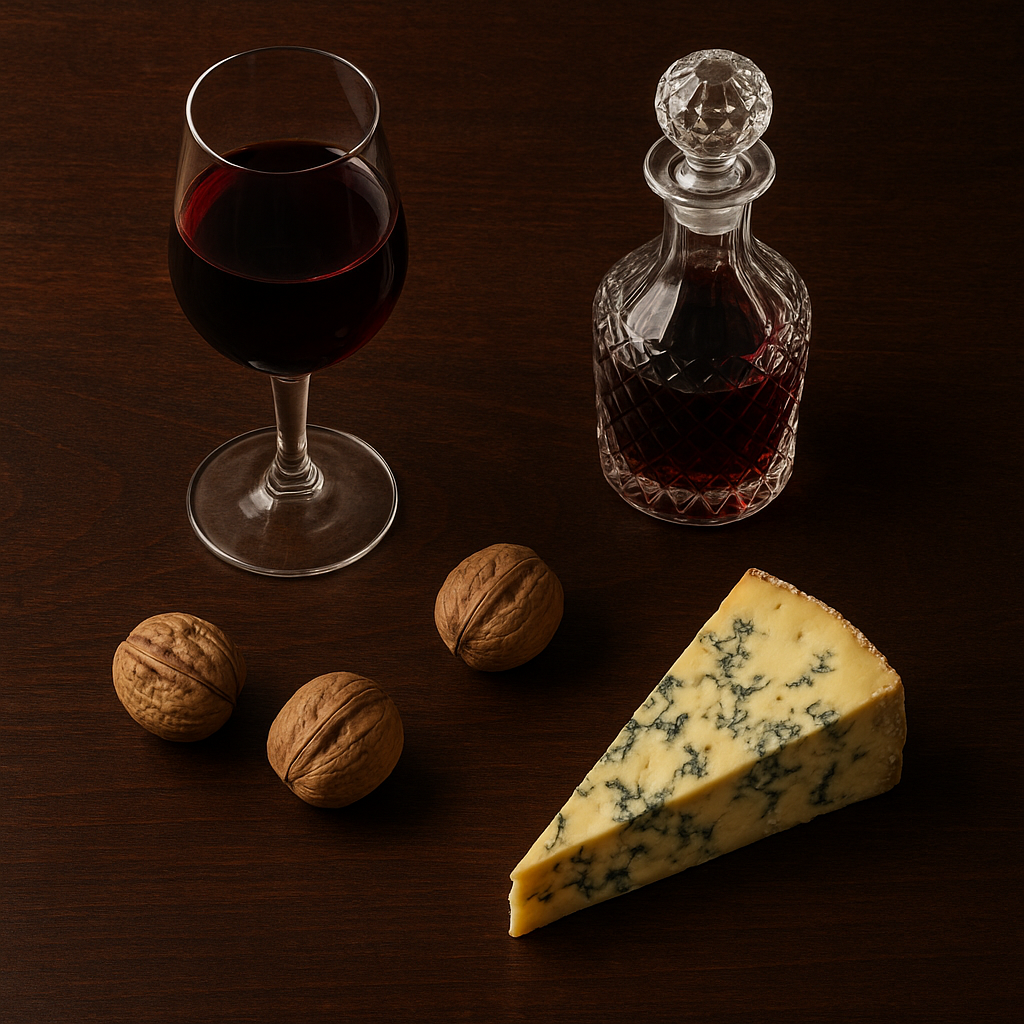
How to keep an opened bottle of madeira wine alive
Here’s the bit that genuinely surprises people. Once you’ve pulled the cork, madeira doesn’t rush to fall apart the way most wine does. I’ve had customers come back a year later, still working through the same bottle a glass at a time, and it’s tasted better, not worse, for the wait. The high acidity and alcohol that define the wine also protect it once air gets in — the opposite of what happens to a bottle of ordinary white left open on a Tuesday.
That said, a couple of practical points worth knowing. Blended, non-vintage madeira sealed with a stopper cork is best drunk within about five years of bottling — it’s made to be ready, not to improve further. Proper vintage or colheita madeira, on the other hand, can sit in bottle for a very long time once bottled correctly, no rush at all. And if you’re holding onto an old one for years, the cork itself is the weak point, not the wine: cork trees don’t grow on the island, so historically corks there were often short, recycled, and prone to crumbling. Trade advice is to recork any bottle you’re cellaring seriously roughly every twenty to thirty years — not something most of us think about with a bottle of wine, but madeira asks for a different kind of patience.
Serve it at a cool room temperature, not fridge-cold. A glass of Verdelho alongside baked ham is an old and genuinely good pairing, and if sweetness is more your evening, Malmsey next to something like parkin or a dense honey cake (bolo de mel, if you can find it) does something rather lovely.
What you’re actually paying for
The price tag on an old madeira isn’t really about the label — it’s about how much wine simply vanished before it got there. Casks ageing slowly in warm lodges lose volume to evaporation every year, trade estimates putting it anywhere from 2% to 6% annually depending on how and where the wine is stored. Add that up over twenty years and a shipper can lose more than half the original cask before a single bottle is filled. That’s not marketing. That’s just what heat and time do to liquid in wood.
Madeira is also rarely racked — moved from cask to cask — the way other fortified wines often are. Left undisturbed for years, sometimes decades, in the same vessel, it develops a character that’s hard to fake quickly, which is exactly why the truly old bottles (some casks on the island reportedly trace back to the early 1800s) command the prices they do. Recent trade figures suggest the category as a whole is a modest but steady one — global sales in the low single-digit millions of litres, values ticking up gently year on year — which tells you this isn’t a wine chasing fashion. It’s a wine that outlasts fashion.
If longevity in the glass interests you generally, not just in madeira, our piece on which wines actually improve with age is worth a read — and if sweet, oxidative wines are your thing, Sauternes sits in an oddly similar corner of the shelf, unloved for reasons that have nothing to do with what’s in the glass.
Questions customers ask us
Is Madeira a sherry or a port? Neither, exactly, though it borrows a little from both worlds. Sherry comes from Jerez in Spain and ages under flor yeast or in a solera system chasing consistency; madeira ages oxidatively on its own island, prizing the character of a single year surviving decades rather than a house style repeated forever.
What is the best port wine in Portugal? Honestly, there isn’t one answer — styles and houses vary too much for that. Vintage port from the Douro Valley is the one to reach for if ageing potential is what you’re after; our fortified wine guide covers the port side of the family properly.
The merchant’s last word
I sold madeira badly for years — tucked it on a dusty shelf, called it “sherry’s cousin” and left it at that, which does the wine no favours at all. It deserves better: it’s honest, it’s patient, and it forgives you for forgetting about it in a way almost nothing else on my shelves does. Pick a Verdelho if you’re unsure where to start. Go and browse the fortified wine cellar and see what’s open.