Port tawny and ruby Port start life from the same grapes on the same steep terraces of the Douro, then part ways completely — one chases oxygen and patience, the other guards its freshness like a secret. Tawny is red Port aged in wood until oxidation strips the colour to amber and turns primary fruit into dried fruit, walnut and caramel; ruby is Port kept in large, near-airtight vessels to protect its deep colour and blackberry punch. By the end of this you’ll know which bottle earns a Tuesday, which deserves a proper dinner, and why the number on a tawny label isn’t quite the promise it looks like.
What is a Port tawny?
A Port tawny is red Port that’s been aged oxidatively in old wood — not new oak, that matters — until the colour fades from purple to amber-brown and the flavour shifts from fresh fruit toward dried fruit, coffee and walnut. Not every bottle wearing that label has actually done the work, though. Plenty are built to look aged rather than be aged.
That split runs right through the category. A basic tawny might be made from paler, lighter grapes grown in the cooler Baixo Corgo, drained early off the skins to limit colour, or simply blended from ruby and white Port to fake the hue — it can sit in wood for barely longer than a basic ruby and cost about the same. A genuinely aged tawny is a different animal: casks of 620 to 640 litres, small enough that oxygen gets in steadily, racked and topped up over years as the wine slowly evaporates, tannins soften and the wine takes on that silky, polymerised texture port lovers go on about.
I used to tell customers the number on the label — 10, 20, 30 Year Old — was a minimum guarantee. Took a correction from an importer over a tasting glass to put me right: it’s an approximate average character the blend is built to hit, not a floor everything must clear. Houses build these blends continuously, folding younger reserves into older ones year after year to hold a consistent house style, which is why the number reads as a style promise more than a stopwatch. If you want the fuller picture of how this sits alongside sherry and Madeira, our fortified wine guide covers the family properly.
Reading the label: basic, Reserve, aged, colheita
Four words do most of the work on a tawny label, and they mean genuinely different things.
| Label term | Wood ageing | Character | Best for |
|---|---|---|---|
| Basic Tawny | Similar to basic Ruby (short) | Pale brick, soft, little complexity | Everyday sipping, mixers |
| Reserve Tawny | Roughly six to seven years minimum | Rounder, first hints of walnut and caramel | A step up without the ceremony |
| 10 / 20 / 30 / 40 Year Old | Approximate average of the blend | Increasing dried fruit, coffee, walnut, softening tannin | Matching the occasion to the number |
| Colheita | Single vintage, long cask ageing | Same oxidative profile, but tied to one harvest year | Birthday or anniversary bottles |
A handful of shippers have gone further still, releasing tawnies with no age number at all because they’re simply too old to fit the usual bracket — some genuinely past a century in wood. These sit at the rare, expensive end and aren’t really a starting point; think of them as the family’s museum piece, not the house wine.
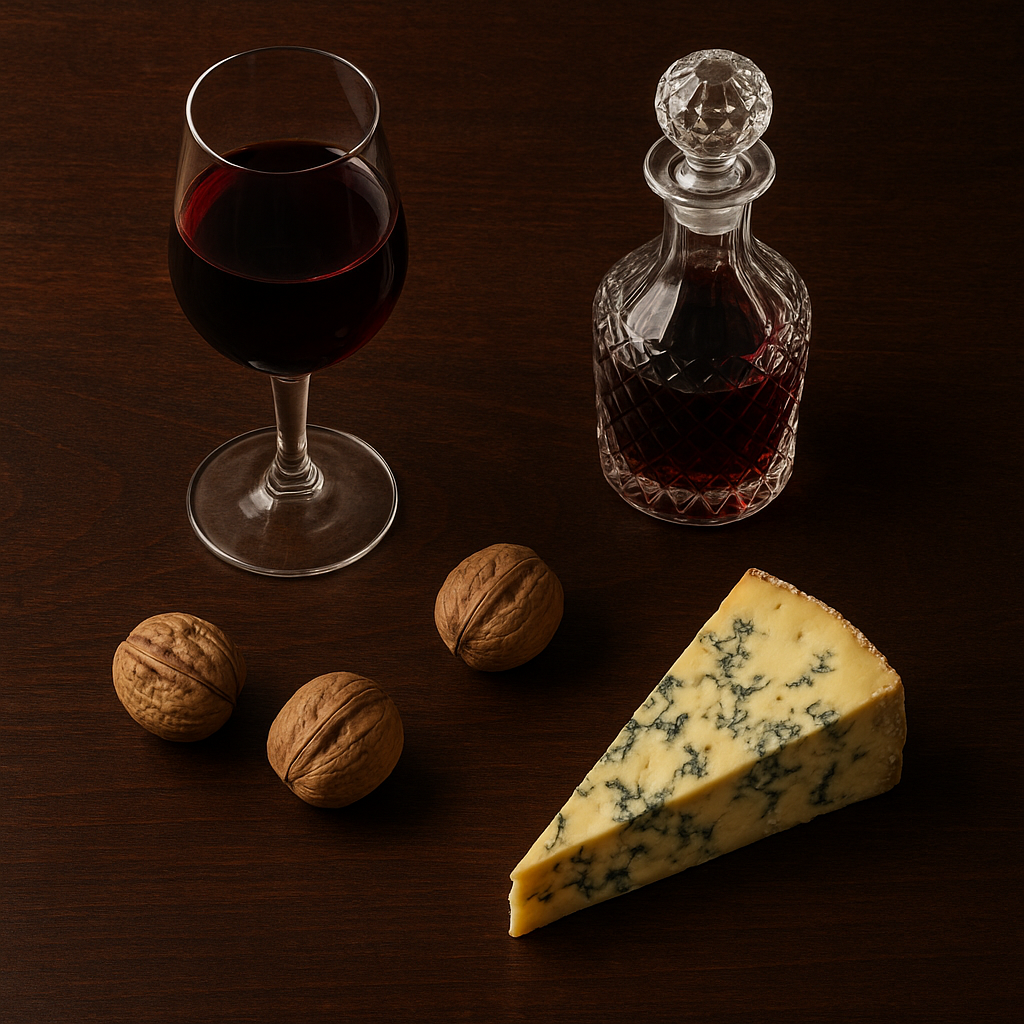
Is tawny sweet or dry?
It’s sweet. Fortification stops fermentation early and locks in natural grape sugar, exactly as it does for ruby. Long ageing doesn’t remove that sugar chemically — it just changes what sits alongside it.
That’s the trick worth knowing: a young tawny tastes plainly sweet, all raisin and toffee up front, while a 20 or 30 Year Old carries the same sugar wrapped in dried fig, coffee and walnut, with tannins so softened and alcohol so integrated that the sweetness reads as balance rather than a sugar hit. It’s less a change in dryness and more a change in company. If you’re weighing this against other wines that reward patience in a cellar rather than a fridge door, our piece on wines that actually improve with age is worth a look before you commit to buying ahead.
Is Tawny a good Port?
Yes — particularly if you want a fortified wine that actually lives in your kitchen rather than waiting for a big occasion that never quite arrives. Aged tawny needs no decanting, keeps well for weeks once opened, and served cool from the fridge works as a proper hot-afternoon aperitif rather than a fireside-only indulgence.
Producers in the Douro will often tell you they reach for a tawny over any other style of Port themselves — some even pour a good 20 Year Old after a heavy dinner as a kind of palate reset following richer vintage Port. That tells you something about how this style is meant to be used: not saved, not fussed over, just poured. There’s no crust to worry about, no need for the ceremony that a vintage bottle demands (our guide on serving Port properly walks through when decanting genuinely matters and when it’s just theatre).
Is a bigger number always better? Not really. A 20 Year Old is often held up as the sweet spot for balance, combining fresh Douro fruit with real oxidative complexity — but that’s one taster’s ranking, not a law. A 10 Year Old chilled in July does a job a 40 Year Old, poured warm after Sunday lunch, simply can’t.
What tawny costs, in shape
Young, basic tawny and basic ruby often sit at the same price point — no real premium for the tawny hue if the wood ageing behind it is thin. That’s worth knowing before you assume “tawny” automatically means “aged” or “better.”
The cost genuinely climbs once you get to age-indicated bottles, and for honest reasons: small casks need constant racking and topping up as the wine evaporates over years, and a shipper has to plan stock decades ahead — reportedly looking forty years into the future to make sure there’s enough old wine set aside when demand catches up. Recent trade coverage has both aged tawny’s popularity and its prices rising together, as older stocks shrink and a style that used to be a quiet Douro habit gets discovered properly by drinkers elsewhere. If you’re buying with half an eye on the future, that’s the shape to plan around: cheap tawny buys you very little extra; the money genuinely does something from ten years onward.
Questions customers ask us
Which country drinks the most Port? There’s no single clean figure in the trade record, but France is repeatedly flagged as a major market specifically for tawny, while British buying habits have historically leaned harder toward vintage and ruby styles.
Is tawny Port the same as ruby just aged longer? Not necessarily. Plenty of commercial tawny is made from paler grapes or lighter extraction rather than genuine extra ageing, so it can be no older than the ruby sitting next to it on the shelf — the ageing story only really kicks in with Reserve and age-indicated bottles.
Do I need to store an opened bottle carefully? Not urgently — aged tawny’s oxidative style means it’s already made peace with air, so it holds up over weeks rather than days once uncorked, unlike a bottle-matured vintage Port.
The merchant’s last word
I’ve poured a lot of tawny over the years to customers who thought Port only meant a heavy vintage bottle saved for Christmas. Watching someone’s face change over a chilled glass on a warm evening, realising it’s actually a summer wine, never gets old. Come and browse the fortified wine cellar and let’s find the one that suits your Tuesday, not just your Christmas.