Pinot noir wine spent the best part of a century being introduced the same way everywhere it grew: as an attempt at Burgundy. That habit is dying, and this piece is about why that’s good news for your table — the most interesting thing happening to the grape right now is how many regions have stopped auditioning for the Côte d’Or and started sounding like themselves. The grape itself holds steady wherever it’s planted: thin-skinned, early-ripening, pale, light-bodied, high in acidity — that’s the starting shape. Burgundy, in eastern France, remains its ancestral home and the reference point everyone else once queued to be measured against. By the end of this you’ll know what actually separates a Burgundy Pinot Noir from a New World bottle, when to reach for one over the other, and how to stop chasing “best” and start choosing what suits your Tuesday.
Is Pinot Noir a dry or sweet wine?
Pinot Noir is dry — full stop. From a modest village Bourgogne rouge right up to grand cru, it ferments out with no meaningful residual sugar left behind. The confusion usually comes from somewhere else entirely.
Ripe, sun-soaked fruit in a warmer spot — parts of California, some Australian regions — can taste almost jammy, and that reads as sweetness on the tongue even though the wine is bone dry underneath. High alcohol amplifies the effect; it coats the fruit and makes it feel fuller and richer than a cooler-climate example.
What keeps Pinot Noir from ever feeling cloying, wherever it’s grown, is acidity. It runs high across the board — from Burgundy through Alsace to Sancerre in the Loire — and that’s the backbone that keeps the wine feeling fresh rather than heavy, even when the fruit itself is generous.
Burgundy against the rest: the flavour map
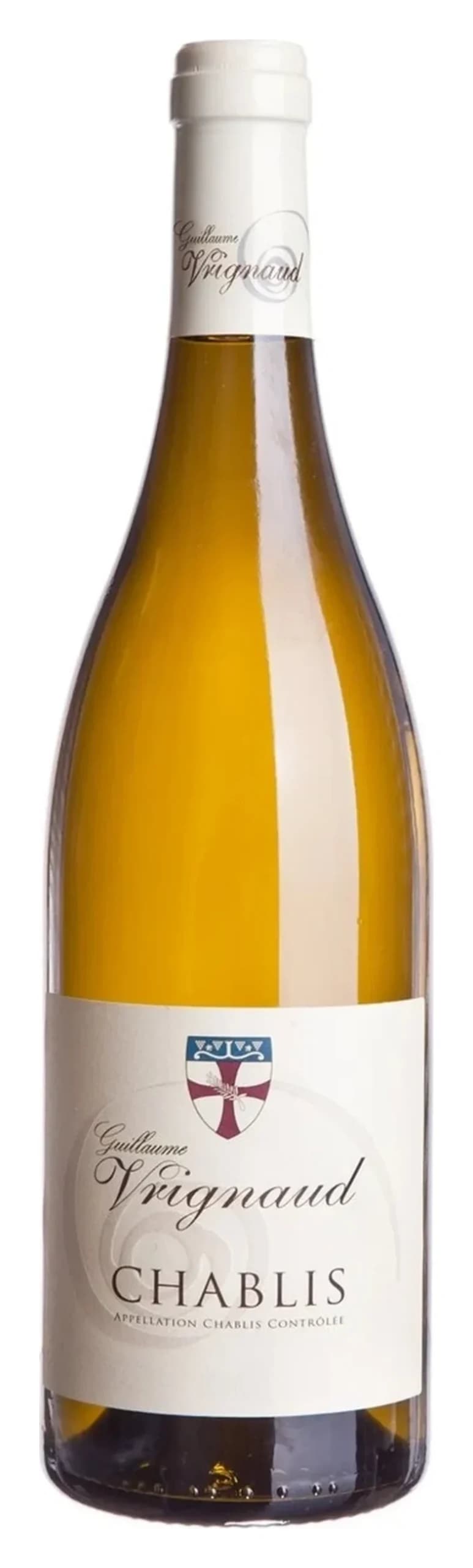
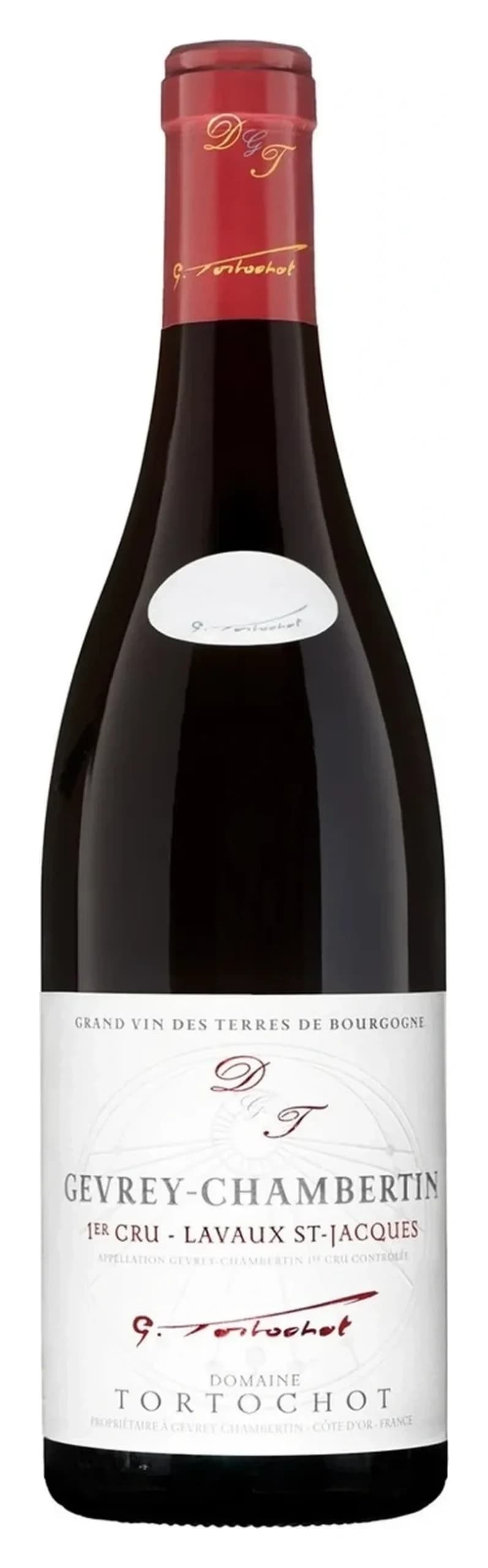
Burgundy splits broadly into the Côte de Nuits, known more for its reds thanks to steeper slopes and limestone soils, and the Côte de Beaune, which leans towards its whites on shallower, marlier ground. Village-level Pinot here gives you strawberry, raspberry and red cherry, with a touch of oak-derived smoke or clove; grand cru wines carry firmer tannin and, given a few years in the bottle, start showing earth, game and mushroom. That’s the yardstick everyone else gets compared to — and it’s worth saying, not everyone wants to be compared to it any more. Producers in places like Central Otago and Martinborough in New Zealand have grown confident enough in their own identity that Burgundy comparisons are heard less at their trade events than they were fifteen years ago. Fair enough — a Martinborough Pinot doesn’t need to apologise for tasting like Martinborough.
Here’s roughly how the map plays out, region to region:
| Region | Typical fruit & aroma | Body & tannin | Price shape |
|---|---|---|---|
| Burgundy (Côte de Nuits, Côte de Beaune) | Strawberry, raspberry, red cherry; earth, game, mushroom with bottle age | Light–medium body, low–medium tannin (firmer at grand cru) | Village upwards to genuinely eye-watering |
| Central Otago & Martinborough, New Zealand | Ripe red and dark cherry, floral lift | Medium body, silky tannin | Mid to premium |
| Sonoma & Russian River, California | Riper red fruit, occasionally jammy, gentle vanilla oak | Fuller body, riper tannin, higher alcohol | Entry-level to premium |
| Baden, Germany (Spätburgunder) | Red cherry, restrained spice, cooler-climate lift | Medium body, fine tannin, closer in spirit to Burgundy than California | Mid-price, strong value |
| Elgin & Walker Bay, South Africa | Red fruit with a savoury edge | Medium body, better structured since Dijon clones replaced older plantings | Mid-price, strong value |
South Africa’s story is a useful one: the grape arrived there as early as 1910, but the original imported clone was low in tannin and meant for sparkling wine, so quality sat still for decades. It was only once modern Dijon clones went in — from the 1970s onwards — that the wines gained the structure to be taken seriously.
If the “strong value” rows of that table catch your eye, trust the instinct — a Baden Spätburgunder or an Elgin bottle is how I’d start anyone building a Pinot Noir habit without spending grand cru money.
Is Pinot Noir considered a good wine?
Among people who taste wine for a living, Pinot Noir is often held up as the grape that best translates soil, slope and season into the glass — more faithfully, arguably, than anything else planted. But “good” here is doing a lot of work, because a grape this fussy in the vineyard produces an enormous gap between an ordinary bottle and the finest example you’ll ever put in a glass.
Some of that gap comes down to winemaking choices as much as the vineyard. Should the fruit go into the vat as whole bunches or destemmed first? Burgundy leaned one way, then the other, through the 1980s and 90s, and both camps still argue the point today — whole-bunch tends to add structure and a savoury, stemmy lift; destemmed fruit gives purer, more direct fruit. Neither is wrong. It just changes what’s in the glass.
Worth saying too: Burgundy’s reputation doesn’t mean every bottle from there is a masterpiece. I’ve had a basic village red in a bistro in Beaune that tasted thin and a bit sour — proof that the label alone guarantees nothing, and that Pinot Noir rewards the careful producer far more than the famous postcode. Recent competition results back up the wider picture — recent trade coverage of blind-tasted international awards found top-medal Pinot Noir coming from eight different countries, not just the one.
The buying lesson sits right there: back the producer rather than the postcode — a carefully made bottle from an unfashionable region beats a lazy one from a famous address every time.
Which is better, Merlot or Pinot Noir?
There’s no universal winner here, only a better fit for what’s on the table tonight. Pinot Noir is lighter-bodied, higher in acidity, gentler on tannin, and leans towards red fruit and earthy, savoury notes. Merlot runs fuller-bodied, riper and darker in fruit — think plum rather than cherry — with softer tannin than something like Cabernet but more weight overall than Pinot.
Reach for Pinot Noir with something delicate: roast chicken, mushroom risotto, salmon off the barbecue. Merlot suits heartier, richer plates — a lamb shoulder, a proper beef stew — where you want a wine with a bit more shoulder to it.
If you want to go even further from Pinot’s delicacy, in the opposite direction entirely, that’s where Nebbiolo: the grape that tastes of tar and roses comes in — high tannin, high acid, built for patience rather than an easy Tuesday.
Choosing a bottle: price, oak and what your money buys
Burgundy’s pricing follows its own internal ladder, and it’s steep: regional Bourgogne rouge at the bottom, village wines above that, then premier cru and grand cru climbing fast from there. If you want the full shape of that hierarchy — why a wine from one side of a village road costs three times a wine from the other side — that’s exactly what Burgundy, decoded: villages, crus and why it costs what it costs is for.
If grand cru prices make your eyes water, there’s a lesser-known Burgundy option worth knowing: Bourgogne Passetoutgrains, a blend of at least 30% Pinot Noir with Gamay, often rustic when young but genuinely rewarding with a couple of years on it as the Pinot character comes forward.
Outside Burgundy, value is easier to find. Sancerre in the Loire makes light, high-acid, strawberry-scented Pinot Noir alongside its famous Sauvignon Blanc — mid-price rather than premium. Alsace, historically a bit thin and lean for Pinot Noir, has been lifting its game as the climate warms; it’s the only black grape permitted there, and quality has genuinely improved. South Africa’s Elgin and Walker Bay offer real structure now for a fraction of grand cru money — and if you’re in that part of the wine world, it’s worth a look at South Africa’s Chenin Blanc renaissance too, since the same growers rewriting the Pinot story there have done remarkable things with Chenin. Any of those routes — a Passetoutgrains with a couple of years on it, a Loire Pinot from Sancerre, an Elgin bottle — puts honest Pinot Noir on the table for a fraction of what the Côte d’Or asks.
Questions customers ask us
What brand of Pinot Noir is the best? Styles vary bottle to bottle rather than by one crowned “best” name. If you’re picturing a soft, easy, fruit-forward, medium-bodied everyday Californian style, use that as your reference point for weight and fruit — not as gospel for the grape as a whole.
Should Pinot Noir be served chilled? A light chill — a bit cooler than room temperature, a touch warmer than fridge-cold — suits most styles well, letting the fruit and acidity show without the alcohol feeling hot.
Does cheaper Pinot Noir taste different from expensive Pinot Noir? Usually, yes — cheaper bottles often come from higher-yielding vines and see less careful sorting, so the fruit’s thinner and the finish shorter. It doesn’t mean cheap can’t be enjoyable, just that the ceiling is different.
The merchant’s last word
I’ve sold Pinot Noir badly for years by only talking about Burgundy — as if everywhere else was a consolation prize. It isn’t. Some of the most honest, drinkable bottles I stock come from Elgin and Central Otago, not the Côte d’Or. Tell me what you fancy tonight and I’ll gladly point you the right way — or take the slow route and browse the burgundy cellar, where the old benchmark itself lives.