Rosé brut, answered plainly first: it’s dry sparkling pink wine — “brut” is the sparkling world’s word for dry, meaning no more than about 12 grams of sugar per litre, and it appears on Champagne, crémant and cava labels alike. But after years of selling it, I’ve noticed something about the people who ask for it by name: they’re not really asking for bubbles. Brut is a taste, not a technology — a taste for pink wine with no sweetness and some seriousness about it — and that taste has a still-wine capital. It’s called Tavel: an appellation on the west bank of the Rhône, just south of Lirac, that makes rosé and nothing else — no red, no white, not even a rule that allows it. One of the first half-dozen appellations d’origine contrôlée created in France, back in 1936, and darker and drier than almost any pink wine on a supermarket shelf. By the end of this you’ll know what that brut-level dryness looks like without the fizz, what to check on the label, how to serve it, and whether it earns a place at your table.
What type of wine is Tavel?
Tavel is dry, deeply coloured and built for the table rather than the sun-lounger — every bit as bone dry as the brut on a sparkling label, but it gets there through skin and fermentation rather than dosage. Grenache leads every blend, with Cinsault doing much of the supporting work — trade figures put it at close to a fifth of plantings — alongside a wider list of permitted grapes that can include Syrah, Mourvèdre and even white varieties like Clairette.
The rules insist Grenache be part of every blend, and no single grape can make up more than 60% of it. The colour is deliberate, not an accident of a bad batch. Grapes macerate cold on their skins for twelve to forty-eight hours before pressing — long enough to pull out colour, flavour and a touch of soft tannin — then the wine finishes fermenting much as a white would, all the way to dry. That’s why Tavel in the glass can look pink-orange, occasionally almost red, rather than the pale blush most of us default to on a Friday night. It’s written into the appellation rules themselves, not a stylistic accident. One line worth keeping from all this: Tavel is the Rhône appellation locked to pink by its own rules — and locked to dry by its own habits.
Is Châteauneuf in the Côte du Rhône?
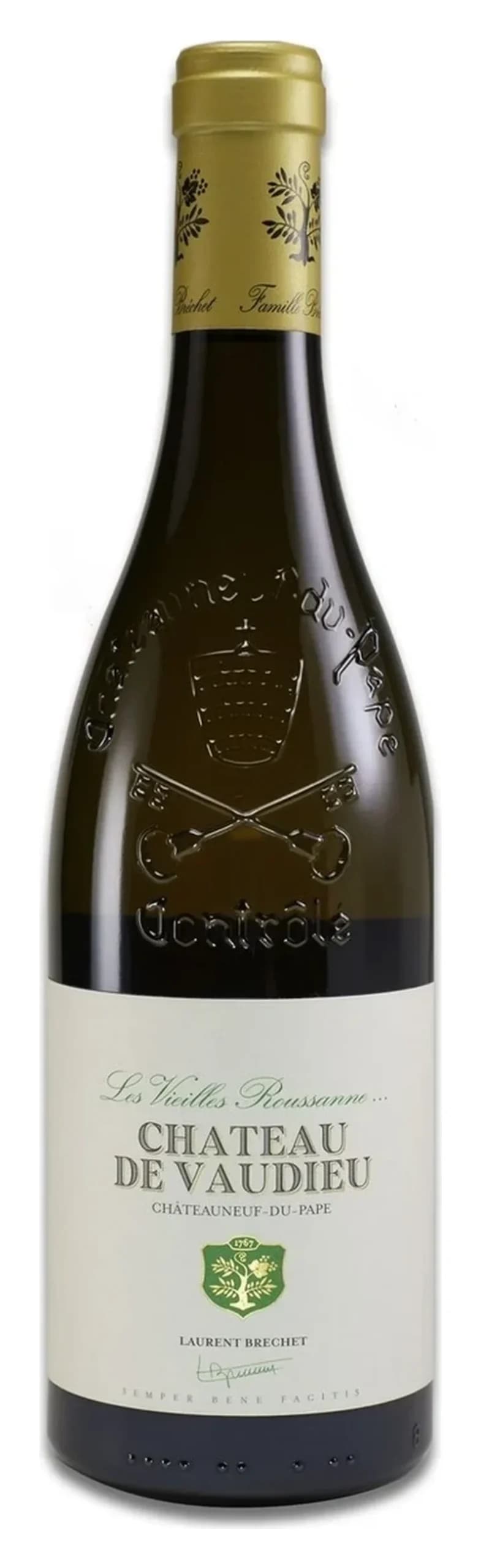
Not quite. Châteauneuf-du-Pape is its own appellation, one of the historic “Crus” that sit above everyday Côtes du Rhône and Côtes du Rhône-Villages in the region’s pecking order. Geographically the two are close neighbours, though: Châteauneuf sits on the river’s east bank, Tavel faces it from the west, with Avignon roughly marking the point where the southern Rhône, Provence and the Languedoc all meet.
Both were there at the very start — among the first appellations recognised in France, in 1936. Just north of Tavel sits Lirac, a wine appellation that makes red, white and rosé (unlike Tavel, locked into pink by its own rules), and for a long stretch Châteauneuf, Lirac and Tavel were the only three independent appellations worth naming in the southern Rhône. Worth filing away when you shop, that: if you like the Tavel style of pink but want a red and a white from the same bank of the river for the table, Lirac is the neighbouring name to look for. If Châteauneuf’s reds lean on the trio behind the GSM blend, decoded properly, Tavel takes many of the same grapes and points them at rosé instead. And if the whole ladder of Rhône appellations — villages, named villages, Crus — still feels like a blur, our pillar guide to the Rhône and the French South walks it top to bottom.
How to choose a bottle of Tavel
For years Tavel was sold on reputation alone — genuinely regarded as France’s finest rosé for a couple of centuries, before paler Provençal styles stole the spotlight. A newer generation of growers has since pulled the appellation back toward the deep-coloured, structured wine that earned that old reputation in the first place, so the shelf isn’t uniform. A few things worth checking before you buy:
- Colour — darker pink-orange points to the classic, structured style; a paler blush suggests a producer leaning towards Provence’s lighter ambitions.
- Ageing vessel — steel or concrete keeps things fresh and fruit-forward; a portion aged in old oak barrels adds texture and can take a little longer to show its best.
- Vintage character — warm, dry years give riper, more concentrated wine with real intensity of colour; cooler, wetter years give something lighter and more refreshing.
If it’s that austere, no-sugar seriousness you love in your brut fizz — minus the bubbles — look for the classic, deeply coloured style rather than anything described as delicate or pale. In practice that means shopping the Rhône shelf, not the Provence one: a steel-aged Tavel does the everyday job with freshness to spare, and an oak-aged cuvée is the bottle to pick when the meal deserves a step up. Bring me the menu and I’ll tell you which of the two to carry home.
Serving Tavel
Chill it, but don’t bury it in ice — ten minutes out of the fridge before pouring and you’ll taste far more red-berry fruit than at fridge-cold. This isn’t a beach-towel rosé; it wants a plate in front of it. Roast chicken with plenty of garlic, a saffron-laced fish stew, grilled lamb or a firm sheep’s cheese all suit its weight and structure better than a bowl of crisps ever will. If you’re choosing for the table, let the pan decide the style: the fresh, steel-aged sort for the fish stew, the oak-aged cuvée for the lamb — same appellation, two different dinner plans.
That’s worth remembering next to a brut rosé from Champagne, which does a similar dry, structured job but through bubbles rather than skin contact — different mechanism, same instinct: dry pink wine treated with the seriousness usually reserved for red or white. Keep both in the house and you’ve covered the aperitif and the main course with one colour.
What is the prettiest wine region in France?
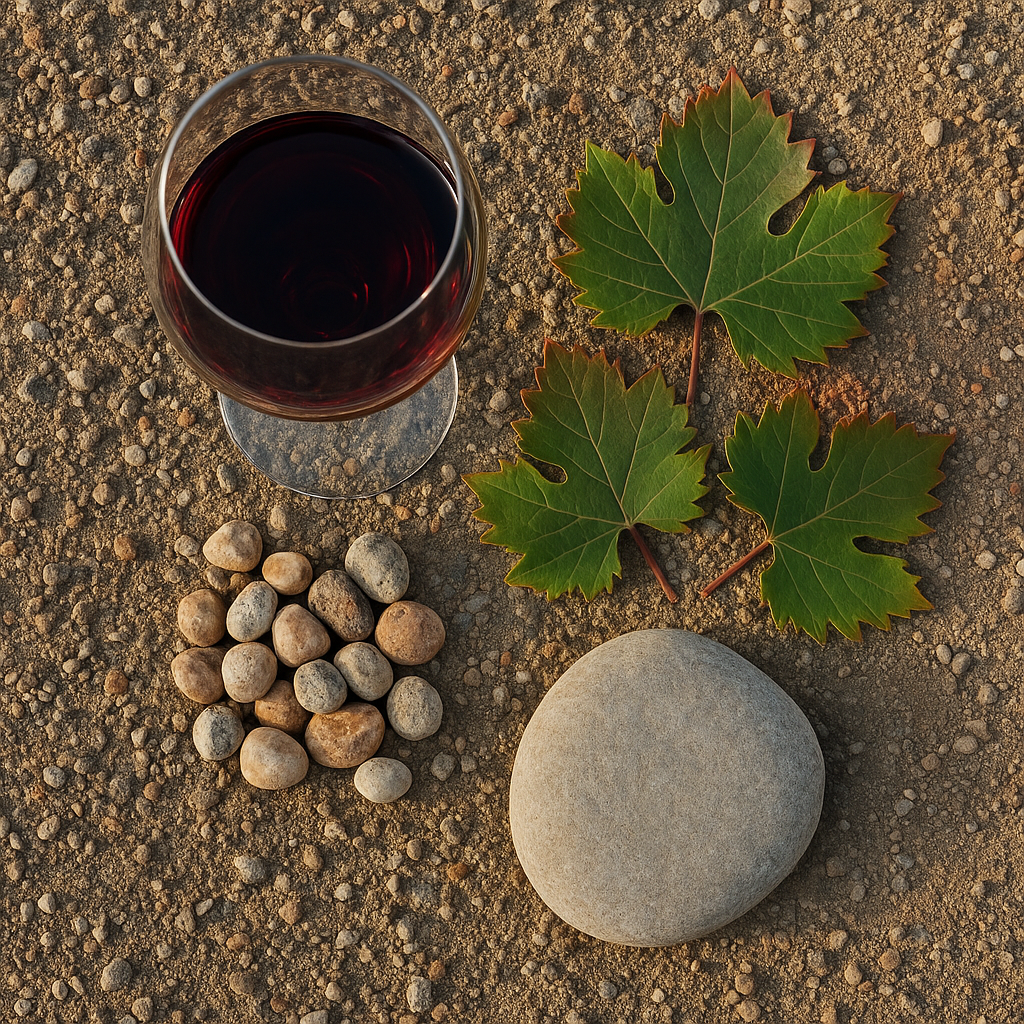
There’s no official ruling — the INAO doesn’t stamp beauty on a label — but press me and I’ll say it: the west bank of the southern Rhône, right through Tavel’s own Malaven valley, is hard to beat. And unusually for wine-country scenery, the view here is buying information. Pale limestone scree, called lauses locally, covers the western part of the appellation; smooth round stones known as galets roulés take over as you get closer to the river in the east. Those two soils feed genuinely different wines — the scree tends toward freshness and lift, the stones toward weight and ripeness — which is part of why no two Tavels taste quite alike even from neighbouring plots. Customers sometimes ask me why two bottles from the same small appellation taste so different at the same price; more often than not, the answer is under the vines.
If you fancy a rival for prettiest, look to the Loire, where Savennières wine comes from vineyards dropping in dry-stone terraces straight down to the water — a different grape, a different colour, but an equally serious claim on the view. Alsace makes its own case too, with terraced hillsides behind villages that also happen to grow Gewürztraminer, and the pairing question it answers. Pretty places, all three — but only one of them pours pink.
Questions customers ask us
What does brut mean on a rosé label? Dry — it’s the sparkling world’s term, capped at roughly 12 grams of sugar per litre. You’ll only see it on fizz; a still rosé like Tavel never carries the word, because its dryness comes from fermenting to the end, not from how little sugar gets added back.
Is Tavel sparkling? No. It’s a still wine, made by short skin maceration then fermented like a white. If you want Rhône bubbles you’re in the wrong appellation entirely — but if you want brut-level dryness in a still pink, you’re in exactly the right one.
Does Tavel age well? Trade opinion generally favours drinking it within a handful of years of the vintage, though sturdier, oak-aged cuvées can hold on longer than the fresh, steel-aged style.
Is Tavel expensive? It sits mid-to-premium in price terms — not cheap supermarket rosé, but not Châteauneuf money either.
The merchant’s last word
I sold rosé for years assuming pale meant serious and dark meant careless — took me a while, and a fair few bottles of Tavel, to unlearn that. Brut is a taste, not a technology, and this is that taste poured still: a proper wine, dry through and through, that just happens to be pink. If that sounds like your kind of glass, come and browse the Rhône Valley cellar — tell me what’s on the table this weekend, and I’ll have the right Tavel open before you’ve finished describing the main course.