Côtes du Rhône Villages is the rung of the Rhône ladder where tomorrow’s Cru hides at today’s price — and this page is about the ladder itself, not any single famous name on it. We’ve written about Gigondas, about Châteauneuf, about the north-south divide; what none of those pages tells you is how the rungs actually work, and where on them your money buys most. Here’s the short version of this rung: it’s a step up from basic Côtes du Rhône with stricter grape rules, lower yields, and — for about half its villages — the right to put a place name on the label. By the end of this you’ll know when trading up from plain Côtes du Rhône is worth the extra few pounds, when a named village or Cru earns its price, and when you’re better off just grabbing the cheapest bottle on the shelf.
What is the difference between Côtes du Rhône and Côtes du Rhône Villages?
Côtes du Rhône Villages must contain at least 50% Grenache, against 40% for plain Côtes du Rhône, with Syrah and Mourvèdre making up another 20% between them. Yields are capped lower, minimum alcohol runs marginally higher, and the qualifying area is far smaller — 95 communes rather than 171. Most tasters, doing this side by side, find a real jump: more concentration, more shape, less of the thin, jammy style that gives basic Côtes du Rhône a bad name in some circles.
Some of that comes down to method, not just rules. A good chunk of everyday Côtes du Rhône leans on carbonic maceration — the Beaujolais trick for producing something forward and fruity fast — while Villages tends toward more conventional winemaking. That alone changes the texture in the glass.
There’s also a quieter story about alcohol. Trade figures from 2010 put average Côtes du Rhône (Villages included) at 14.2%, Gigondas at 14.5%, Châteauneuf-du-Pape at 14.7%. That climb is a leftover from decades when ripeness was the only proof of quality anyone trusted. It’s not really the marker it once was — plenty of good winemakers today are chasing freshness over power, and I’d say that’s the right instinct.
Geographically, Côtes du Rhône runs a genuinely long way — from Vienne down to Avignon, some 180km, though the bulk of it sits south of Montélimar. Around two-thirds is made by cooperatives, which is exactly why it stays affordable; we’ll come back to that. If you want the fuller map of the whole valley, north and south, The Rhône and the French South: a merchant’s guide from Côte-Rôtie to the Med lays it out properly. At the shelf, though, the working rule is short enough to carry: if the label says Villages, the bottle has already cleared a higher bar — and that’s a pound or two well spent.
What are the villages in the Côte du Rhône?
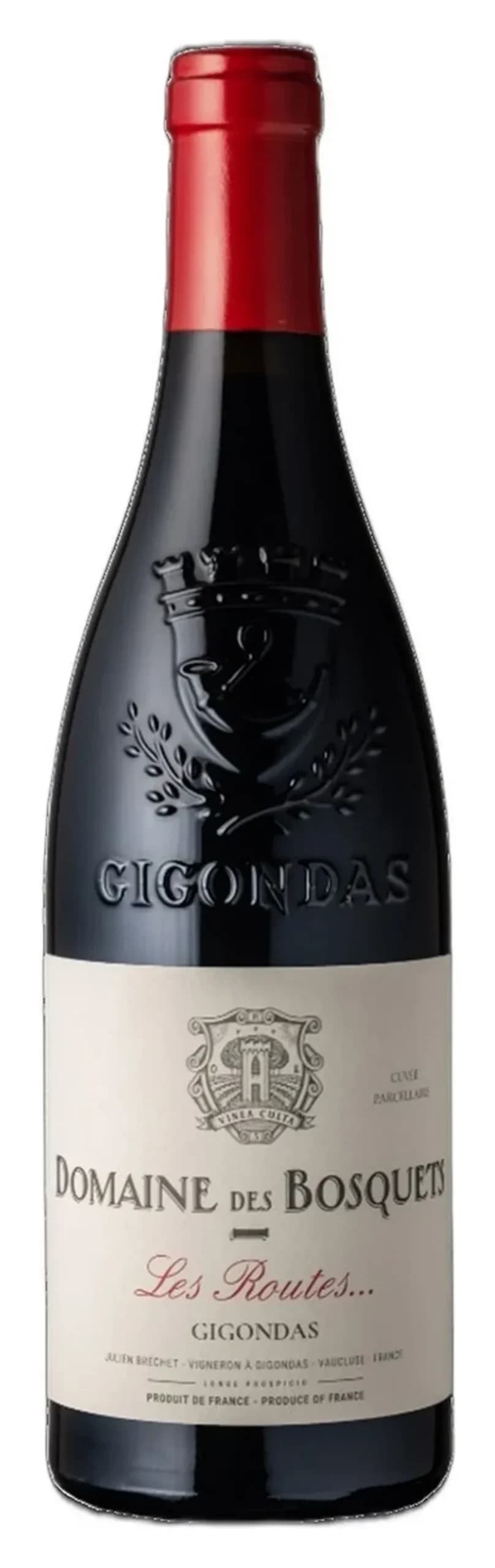
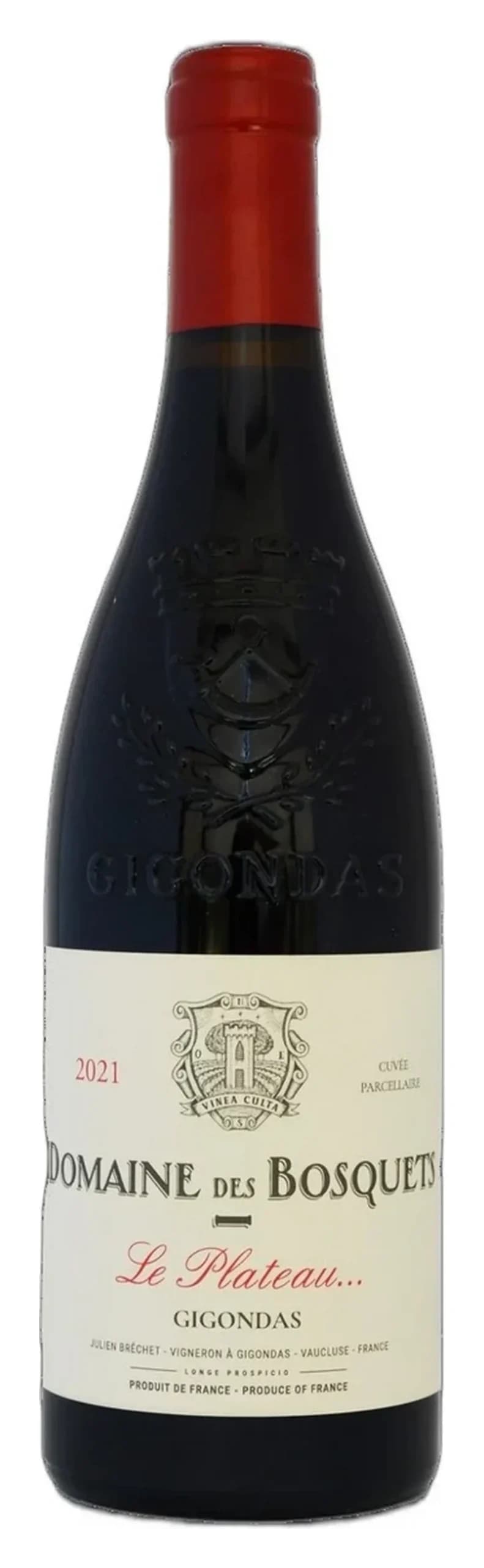
Around half the communes entitled to call themselves Côtes du Rhône Villages can also add their own name to the label — currently 22 of them, places like Séguret, Sablet, Vinsobres, Chusclan and Nyons (the newest addition, confirmed in 2020). Above that sit the Crus: Gigondas, Vacqueyras, Beaumes-de-Venise, Rasteau, Cairanne and, since 2024, Laudun — each promoted out of the Villages system entirely into its own full appellation.
Here’s the ladder laid out flat:
| Tier | What changes | Examples |
|---|---|---|
| Côtes du Rhône | 171 communes, minimum 40% Grenache, generous yields | — (regional blend) |
| Côtes du Rhône Villages | 95 communes, minimum 50% Grenache plus 20% Syrah/Mourvèdre, lower yields | blended, no place name |
| Villages + named village | one of 22 named communes, place name on label | Séguret, Sablet, Vinsobres, Chusclan, Nyons |
| Cru | own standalone appellation, strictest rules of all | Gigondas, Vacqueyras, Beaumes-de-Venise, Rasteau, Cairanne, Laudun |
Gigondas was first through the door, promoted to Cru in 1971 — the vineyards climb the limestone Dentelles de Montmirail to around 500m, and the soil complexity there (often credited to a geological fault line running underneath) is unusual even by southern Rhône standards. Vacqueyras followed in 1990, mostly flat and sun-baked on the Garrigues Plateau below. Rasteau and Cairanne share the same hill of marl and pebbles, just opposite flanks of it, promoted in 2010 and 2015 respectively. Laudun is the newest, confirmed in 2024 after growers had been pushing for it since 2013 — the first new Cru in nine years, and proof this ladder is still moving.
Trade coverage around the last couple of Christmases has made the same point this page opened with: the named villages are the inside track. Laudun spent decades on that tier before it made Cru. There’ll be another — and if you fancy playing scout yourself, the way in is a named-village bottle like a Séguret or a Vinsobres tasted alongside a Gigondas. The family resemblance, at a friendlier price, is the whole game.
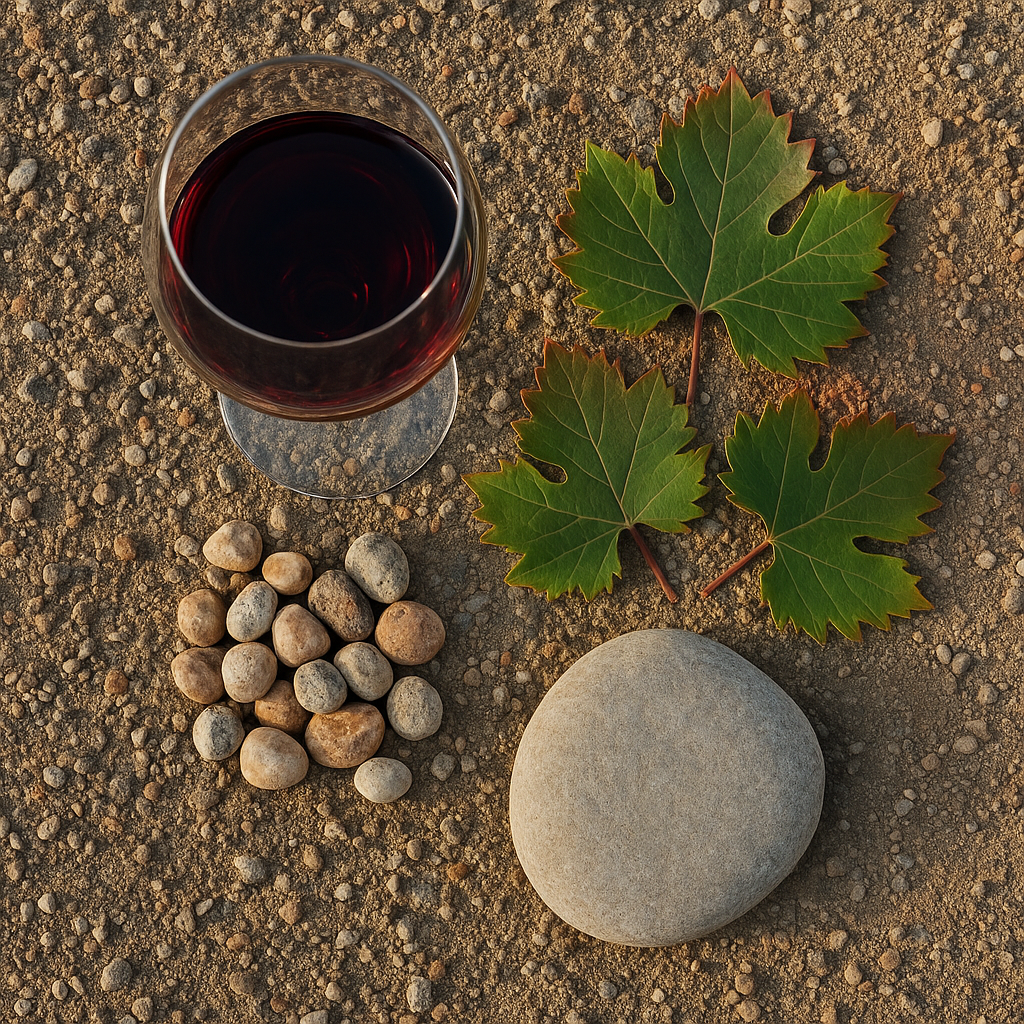
On the table: serving Côtes du Rhône Villages red wine
This isn’t a wine that needs fussing over. Pull the cork half an hour before you eat, serve it a little below room temperature — a spell in the fridge door does it — and let it do its job alongside a roast chicken, lamb shoulder, or a proper cheese board. It’s the bottle trade tasters have flagged more than once as the multi-purpose option for a big festive main, and I’d back that; it’s built to sit through a whole meal without fighting the food.
Named villages and Crus can take slightly heavier company — a lamb shoulder with rosemary, a beef stew, that sort of thing — simply because there’s more structure to match. Don’t bother decanting the everyday stuff; it’s not built for it and you won’t gain much. If Sunday’s menu is already written, in other words, that’s your cue for the step up the ladder; if it’s Tuesday and the pan’s already on, the plain Villages bottle was made for exactly that.
Is Côtes du Rhône cheap wine?
Most of it is inexpensive by design, not by accident. This is a genuinely enormous appellation — trade estimates put production around 150 million bottles a year, close to half of everything the Rhône Valley makes under an AC label, and two-thirds of it comes through cooperatives built for consistency at volume. That scale is what keeps the everyday bottle affordable.
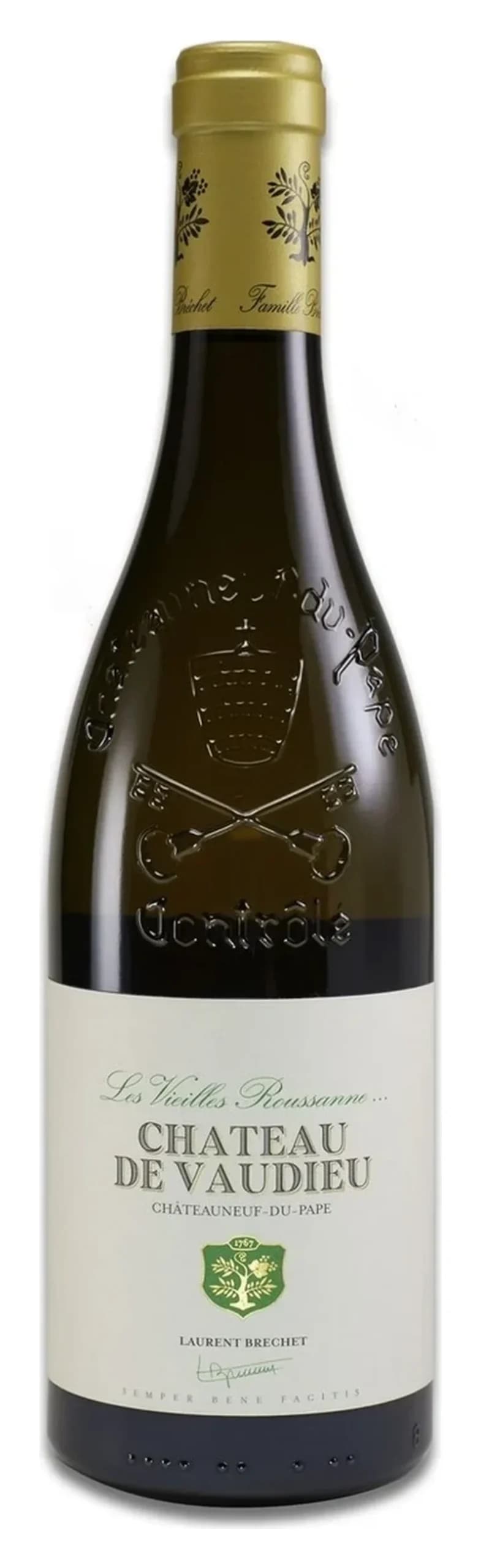
Don’t mistake low price for low ambition, though. A fair chunk of the finest Côtes du Rhône on shelves today is quietly made by Châteauneuf-du-Pape estates, who reserve their finest plots for the grand label and channel the rest — younger vines, outlying parcels — into the humbler regional appellation. It’s the same logic behind a Bordeaux château’s second wine, and if that comparison intrigues you, Second wines: how to drink a great château without the grand vin price walks through it in detail. Little wonder, then, that trade critics keep flagging Côtes du Rhône bottles priced north of £20 — and those estate-made regional bottles are exactly what to ask for when you want Châteauneuf thinking without Châteauneuf money.
So the honest shape of it: plain Côtes du Rhône is cheap and cheerful, Villages costs a little more for a genuine step up, named villages sit higher again, and Crus like Gigondas or Rasteau price alongside serious Châteauneuf-du-Pape. The ladder and the price tag climb together, mostly — which is exactly why the rung just below a promotion is the canny place to stand.
Is Côtes du Rhône Villages a good wine?
Yes — reliably so, in the way a good village-level wine from any serious region tends to be. It’s honestly made, usually shows real concentration next to a basic Côtes du Rhône, and rarely disappoints for the money. Whether one particular bottle sings has more to do with the producer’s choices than the exact commune on the label, since tasting panels find genuine gains stepping up the ladder but far less consistency from one named village to the next.
That’s not a knock on any of them — differences between, say, Séguret and Sablet often come down more to house style than to soil. One taster’s note found Sablet gave the finest impression across a big tasting, but I’d not bank the house on that; producer choices move the needle more than the postcode at this level. In the shop, the Villages shelf is where I steer anyone who’s just flinched at a Châteauneuf price tag — same grape family, same sunshine, a fraction of the money, and most midweek tables never miss the difference. If you want the general rules for reading any label with confidence, not just Rhône ones, How to buy wine like a merchant: labels, ratings and value is worth a read — and if ladders like this are your thing, Rioja climbs one too: Rioja Crianza, Reserva, Gran Reserva: the ageing ladder.
My own rule of thumb behind the counter: buy plain Côtes du Rhône Villages as your default Tuesday red, and save the named village or Cru bottle for the Sunday roast, or the dinner where the wine actually needs to hold its own.
Questions customers ask us
Do supermarkets sell Côtes du Rhône Villages? Most major supermarkets regularly stock a Côtes du Rhône Villages red, and it’s exactly the kind of reliable, mid-week bottle the appellation was built for. Check the back label for the grape mix rather than assuming — quality does shift by vintage.
What food goes with Côtes du Rhône Villages? Roast chicken, lamb shoulder, a cheese board, or a big festive roast — it earns its keep as a proper all-rounder at the table.
Should I decant Côtes du Rhône Villages? Not necessary for most bottles. A named village or Cru wine with a few years behind it can enjoy twenty minutes in a jug, but don’t feel obliged.
Is Côtes du Rhône Villages the same as Châteauneuf-du-Pape? No — Châteauneuf-du-Pape is its own Cru appellation with its own separate rules, sitting above the whole Villages tier entirely.
The merchant’s last word
For a long time I let customers assume Côtes du Rhône was just Côtes du Rhône — a mistake, because the region’s actually built like a staircase — one still gaining steps — and where you stand on it changes what’s in the glass. A Villages bottle suits the Tuesday-night table; step up to a named village, or better still a Cru, when you want the wine to do more of the talking. Have a browse the Rhône Valley cellar and tell me which rung the occasion calls for — finding the step that fits is the part of this job I like best.