Every Rhône bottle runs on a clock, and the whole trick of ageing Rhône wine is learning to read the one on yours. The Rhône isn’t one wine, it’s a valley with at least half a dozen different personalities, and they all age at different speeds. A basic Côtes du Rhône is a supper wine, built for this year, not for a christening in 2040. Hermitage, by contrast, can sit quietly in a cellar for decades and only start showing its hand after year ten. By the end of this you’ll know which clock your bottle is on, how to read a vintage without panicking, and how to give an old red the twenty minutes it needs before you decide whether it’s any good.
Does Côtes du Rhône age well?
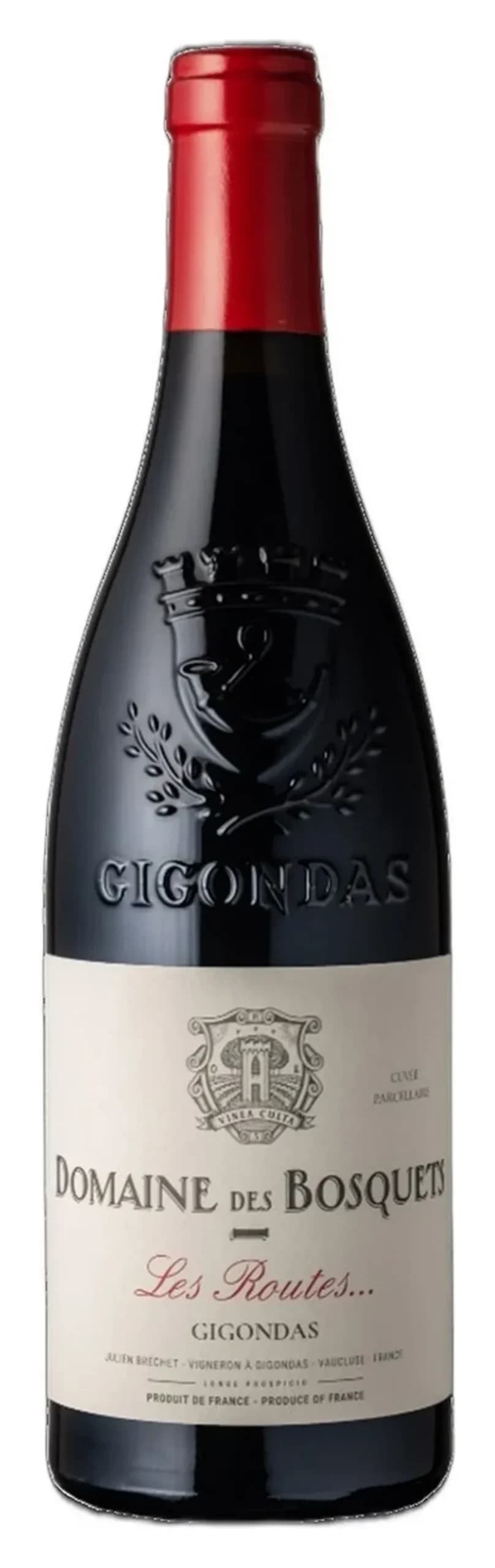
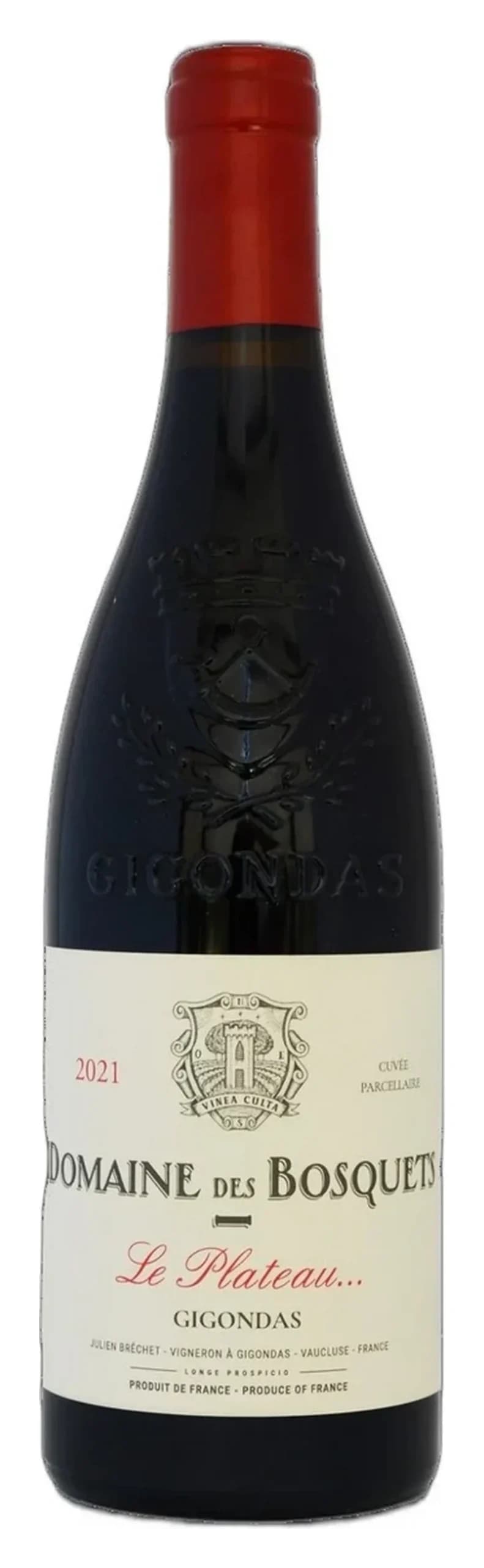
Plain Côtes du Rhône, the everyday bottle under a tenner, is made to drink within one to three years — trade consensus puts most of it there, and there’s no shame in that. But step up to Côtes du Rhône Villages, especially bottles carrying a named village like Cairanne, Rasteau, Séguret or Vinsobres, and the clock resets: more structure, more fruit concentration, and a genuine capacity to hold five to eight years, sometimes longer. A rough rule I give customers at the counter: each step up the Rhône ladder roughly doubles the ageing window — generic bottle one to three years, named village five to eight, cru wines longer still.
Some of this comes down to how the wine is handled in the cellar before it ever reaches you. Grenache, the backbone of most southern Rhône reds, oxidises easily and loses colour fast if it’s over-exposed to air, so careful producers ferment and age it in concrete or steel rather than old, leaky barrels. Get that right and you get a wine with real staying power, not just alcohol and jam. Get it wrong and you get something that’s tired by its third birthday. That’s why, when a customer asks me for a Rhône to keep, I steer them to a named-village bottle from Cairanne or Rasteau before anything generic, however handsome the label.
If you want the full lay of the land, region by region, our pillar guide to the Rhône and the French South walks the whole valley properly — this piece is just about the clock.
What wines can age for 20 years?
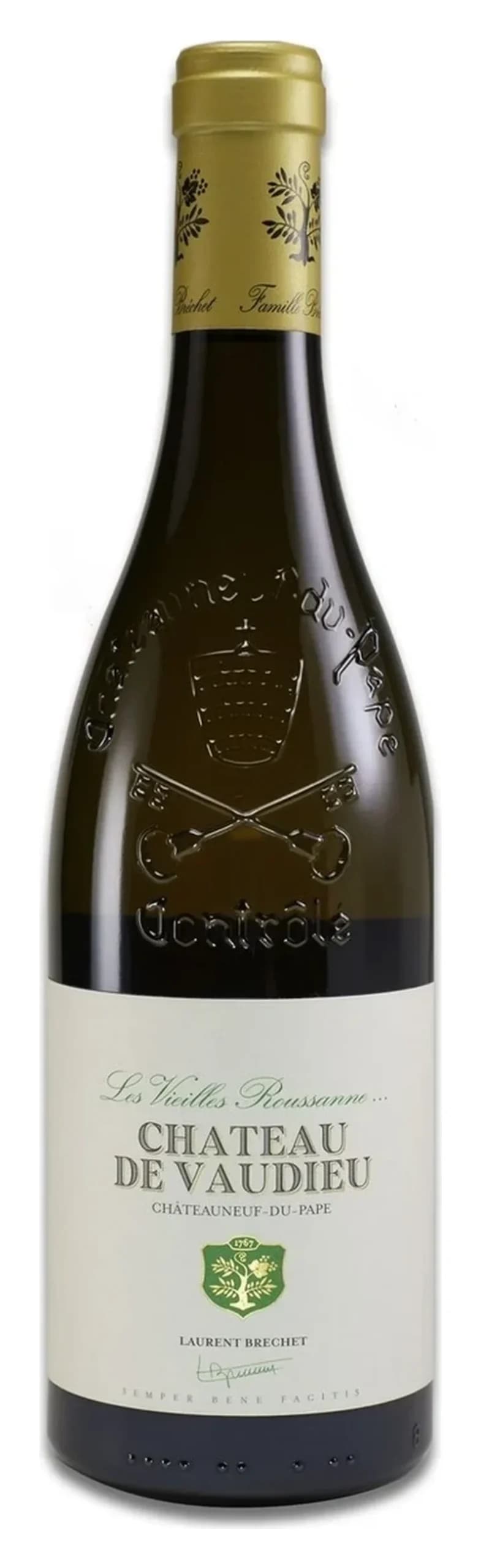
Red Hermitage is the headline act here. It can be genuinely stern as a youngster — closed, tannic, a bit of a scowl — before it opens into something savoury, almost Bordeaux-like, after a decade, and the best examples keep developing for twenty years or more. White Hermitage isn’t far behind; several northern Rhône winemakers reckon it may actually outlast the reds, with twenty years being unremarkable for a well-made bottle built from old-vine Marsanne.
Cornas, just south of Hermitage on the same steep granite, rivals it for sheer structure — small production, robust Syrah, built to last. Côte-Rôtie’s top single-vineyard bottlings, matured in barrel for three years or so, are cut from the same cloth. And in the south, Mourvèdre-heavy Châteauneuf-du-Pape has real staying power too: recent trade tastings of the strongest 2021 and 2022 vintages gave drinking windows stretching into the 2050s. One long-established Châteauneuf estate, known for minimal intervention, still has bottles from the mid-1980s drinking beautifully by trade accounts — proof that patience, more than price, is often the deciding factor.
So if you’re buying with a twenty-year clock in mind, the shortlist is short: Hermitage red or white, Cornas, top Côte-Rôtie, and Mourvèdre-led Châteauneuf. If this is the point you start thinking about laying wine down properly rather than just buying to drink, our guide on starting a cellar for £200 is worth a read before you commit any shelf space.
What is the best vintage of the Northern Rhône?
There isn’t one “best” vintage — there’s a best vintage for drinking now, and a different one for laying down, and they’re not the same thing. Trade opinion currently points to 2015 as a genuinely great northern Rhône year, though top Côte-Rôtie and Hermitage from that vintage may need until the mid-2030s to show their best. 2010 gets similar praise for structure and patience required.
If you’d rather drink than wait, 2014, 2011, 2008 and 2004 are generally considered ready now, or close to it. Recent en primeur reports on 2021 and 2022 both rated very highly across the board, with several wines scoring in the high 90s and drinking windows stretching decades out — though that’s a promise for the cellar, not the table.
Worth knowing: a great northern year and a great southern year don’t always line up. 2013, for instance, was tricky for southern Grenache (a flowering problem cut yields), while the north that same year was described as classically fresh and elegant. Vintage charts are a useful shorthand, but they’re a starting point, not gospel — the producer’s own hand in the cellar still counts for a great deal. In practice: buying an off-year bottle from a careful grower beats a famous-year bottle from a careless one, and a good merchant will tell you which is which.
What is the 20 minute rule for red wine?
Simple version: pour the glass, then leave it alone for twenty minutes before you judge it. Young, tightly wound reds — Cornas, Côte-Rôtie, Hermitage in its stern early years — often taste closed or even a bit gruff straight from the bottle. Give them air and time and the fruit starts to show through the tannin.
It’s not the same job as decanting a genuinely old bottle, though, and that distinction matters. A twenty-year-old Hermitage with sediment wants gentleness — stand it upright for a day beforehand, then a slow, careful pour rather than a vigorous splash-decant that can blow out what little fruit is left. If you’ve ever handled an old Nebbiolo you’ll recognise the caution; our piece on serving an aged Barolo covers much the same ground, and the two grapes reward similar patience even if they taste nothing alike. Twenty minutes of patience is free, and it has rescued more bottles in this shop than any gadget we sell.
Where Rhône sits against Bordeaux and Burgundy
Here’s the shape of it, roughly, drawn from how the trade generally talks about ageing potential by category:
| Style | Typical ageing window |
|---|---|
| Everyday reds under £10 | 1–3 years |
| Southern Rhône (Châteauneuf, Gigondas, Vacqueyras) | 3–10 years |
| Northern Rhône (Côte-Rôtie, St-Joseph, Crozes-Hermitage) | 4–15 years, Hermitage longer |
| Burgundy | 4–20 years |
| Bordeaux, Madiran | 5–25 years |
So the Rhône, north and south, sits comfortably in the middle of that pack rather than at either extreme — not as quick as basic supermarket reds, not as glacially slow as top Bordeaux. You’ll see similar spreads quoted at most big online merchants, because this isn’t proprietary knowledge — it’s just how Syrah, Grenache and Mourvèdre behave in barrel and bottle. The practical upside for a buyer: the Rhône is where serious ageing potential starts at an unserious price.
Not every country leaves this to trade judgement, either. Spain codifies it by law with Crianza, Reserva and Gran Reserva categories — our piece on how Spain’s wine ageing law actually works is a useful contrast — but in the Rhône, producers make that call themselves, vintage by vintage, with no label category to lean on.
Questions customers ask us
Is Côtes du Rhône the same thing as Châteauneuf-du-Pape? No — Châteauneuf is its own appellation within the southern Rhône, generally with stricter rules, older vines and a good deal more ageing potential than plain Côtes du Rhône.
Does Crozes-Hermitage age as well as Hermitage? Not usually. Crozes is the much larger, more varied appellation surrounding Hermitage, and most of it is made for drinking within a handful of years rather than decades.
Should I buy Rhône wine en primeur to age it? You can, and top vintages are sometimes offered that way, but it ties up money for years before delivery — fine if you’re patient and organised, less fine if you just fancy a bottle for Friday.
The merchant’s last word
I used to tell people Rhône reds all needed years in a rack, and I was wrong more often than right — half of what’s on the shelf is meant for this month, not 2040. Ask which end of the valley a wine’s from, and which rung of the ladder it sits on, before you decide to wait on it. If you’d like a hand picking one for tonight and one for the cellar — honestly, the best way to learn the clocks is to buy both — browse the Rhône Valley cellar and I’ll point you the right way.