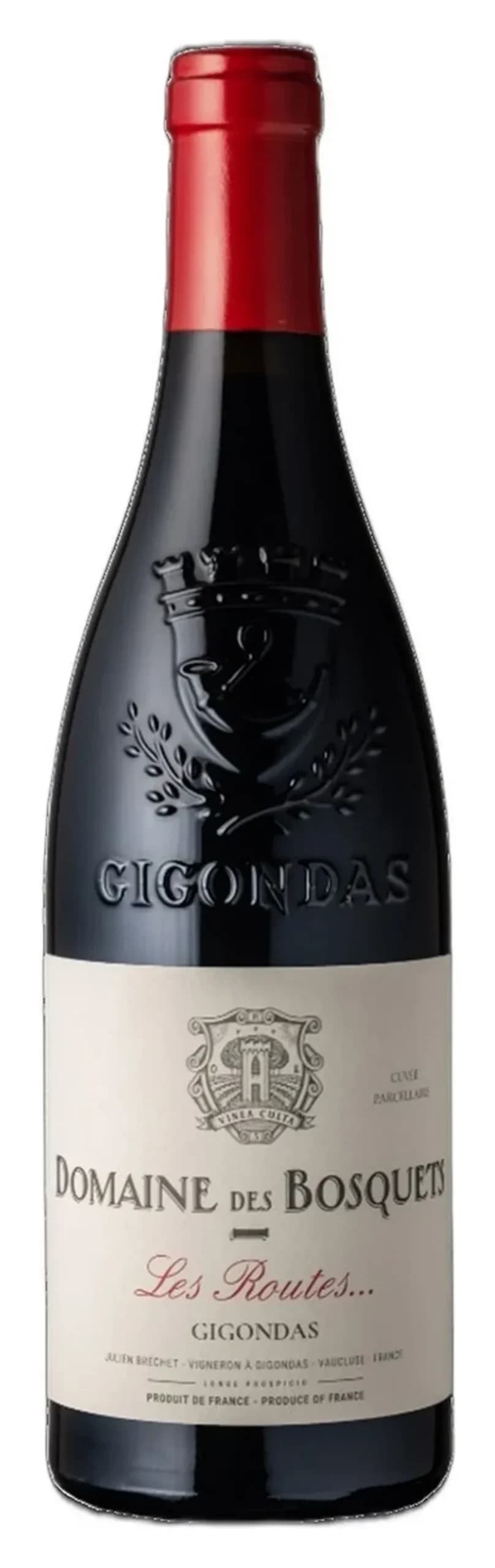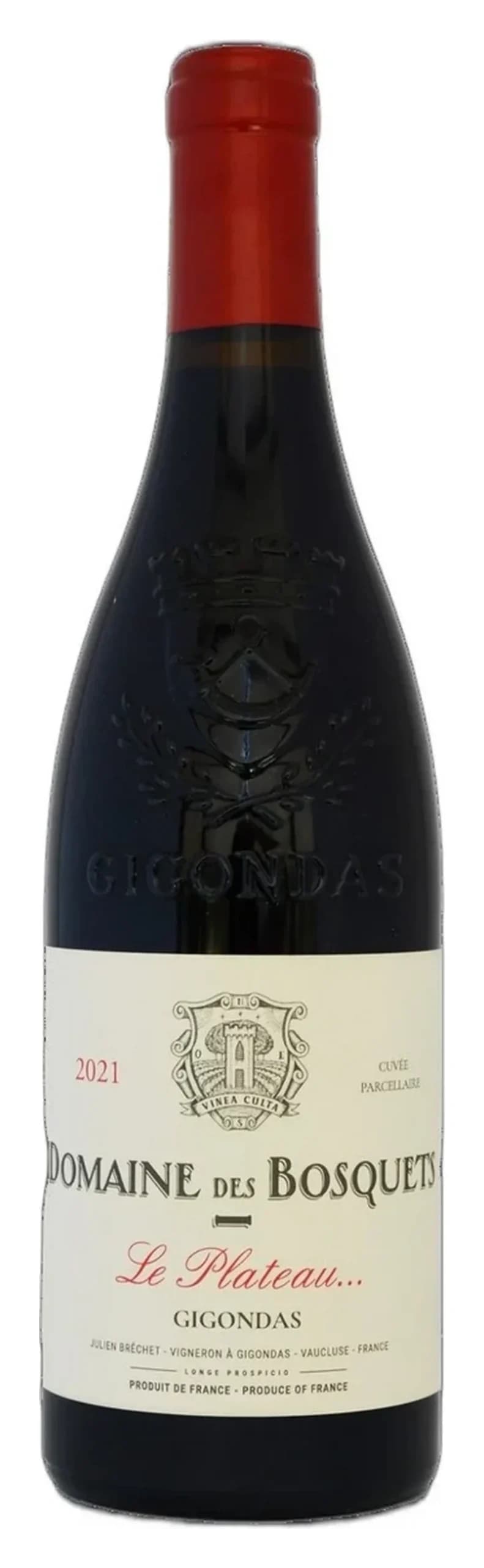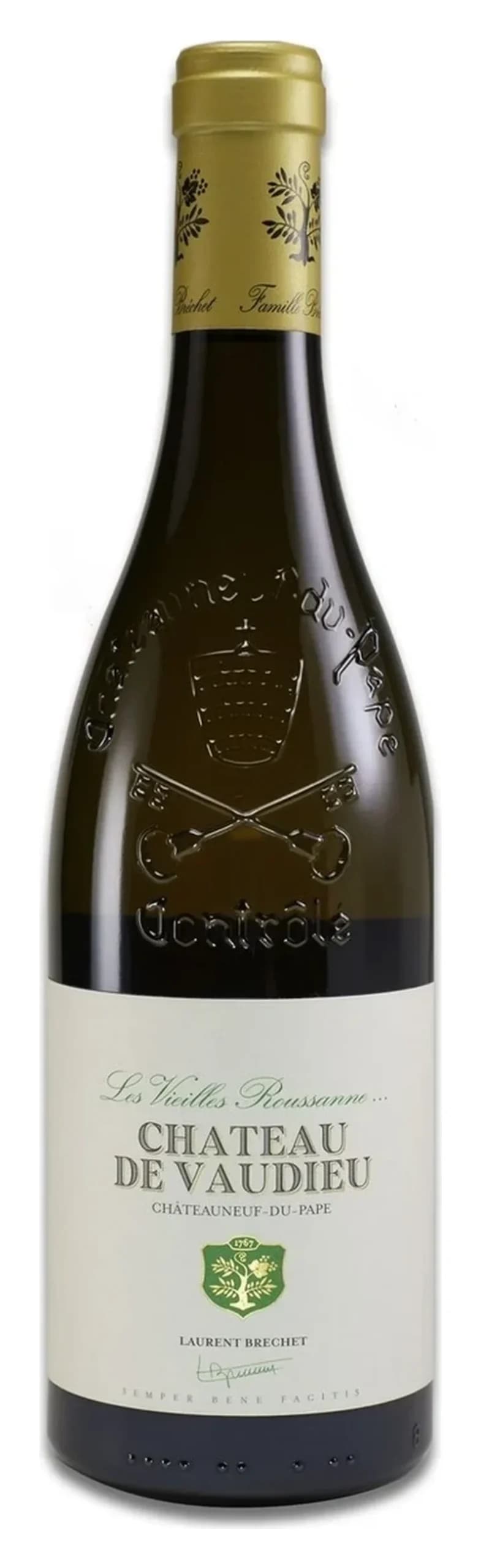
Ask me for the best Côtes du Rhône wine and I won’t reach for the grandest label in the shop. I’ll hand you one of two bottles: a Côtes du Rhône-Villages from a grower who farms their own vines, or a plain Côtes du Rhône made by a Châteauneuf-du-Pape producer — same hands, same cellar, a fraction of the price. That’s this page’s one rule, and no tier chart will teach you it: in this appellation the maker matters more than the rung on the label. Blind trade tasting keeps finding exactly one jump worth paying for — plain Côtes du Rhône up to Côtes du Rhône-Villages — and past that rung extra money mostly buys a change of style, not a step up in quality. Côtes du Rhône itself is the southern Rhône’s big, everyday appellation: red, white or rosé grown across 171 communes running roughly from north of Montélimar down to Avignon, built mainly on Grenache with Syrah or Mourvèdre alongside. Is it good? Yes — most of it decent, some of it properly serious. By the end of this you’ll know why the second rung is where your money works hardest, who actually makes the bottles worth chasing, and why the most interesting wines in the appellation right now carry its humblest name.
Is Côtes du Rhône a good wine?
Yes, and more consistently than its reputation as a supermarket workhorse suggests. By most trade accounts around two-thirds of it comes through cooperatives, which keeps quality dependable rather than thrilling. The jump in concentration from plain Côtes du Rhône up to Côtes du Rhône-Villages shows up flight after flight in trade tasting — and it’s the last jump the glass can reliably prove. Hold onto that; it’s the spine of this whole page.
It helps to know how the wine actually gets made, because that’s where the maker rule starts earning its keep. Most growers sell fruit to a cooperative, which explains the reliable-but-rarely-thrilling character of a lot of everyday bottles. A fair slice of the rest comes from negociant houses. A negociant, in one line, is a merchant who buys in grapes, juice or finished wine and blends it under their own name — often working across several appellations at once rather than farming one patch of vines. And since getting on for seven bottles in every eight the appellation makes is red, when someone asks me for the best Côtes du Rhône red wine, they’re really just asking the question this whole page answers.
Here’s the thing that took me a while to clock properly: some of the best Côtes du Rhône around comes from producers whose main business is Châteauneuf-du-Pape. A parcel outside the boundary, or young-vine fruit that doesn’t make the grand cuvée, often gets bottled as plain Côtes du Rhône instead — same hand, same cellar, a fraction of the price. It’s the same trick as a Bordeaux second wine: the top table’s know-how, sold under a humbler name. Spot a serious Châteauneuf name on a plain Côtes du Rhône label and you’re not looking at a downgrade — you’re looking at the shortcut, and I’d buy it before anything else on the shelf.
Are Côtes du Rhône Villages better than Côtes du Rhône?
In blind trade tasting, yes, reliably. Villages draws from only 95 of the appellation’s 171 communes, chosen for better sun exposure than the flatter plain, with slightly higher minimum alcohol and a lower yield cap. What tasting doesn’t find is a further step up once a named village — Sablet, Séguret, Cairanne — is added to the label. So here’s the rule worth quoting back at me: pay for the step from plain Côtes du Rhône to Villages; past that, you’re paying for a change of style, not proven quality.
Add a named commune and you’re in a tighter tier still, with a lower yield cap again and rules that read stricter on paper. But side by side, the trade doesn’t consistently find further improvement past plain Villages — what changes is style more than substance. Differences between one village and the next seem to owe more to the grower’s hand than to the ground itself — the maker again, not the rung — though the named villages do sit on better slopes than most of basic Côtes du Rhône.
Cairanne shows how young this hierarchy is — it only became its own named appellation fairly recently, sitting between the steep drama of Gigondas and the warmth of Rasteau, and leaning towards fruity, approachable reds on a Grenache base with Syrah or Mourvèdre alongside. Sablet gets mentioned by trade tasters more often than most for the finest overall impression among the named villages, though nobody treats that as a fixed rule. If you want a practical first buy out of all this, a Villages from Sablet or Cairanne with a grower’s name on the label is the bottle I’d put on your table tonight.
| Tier | Communes allowed | Max yield | Average alcohol* |
|---|---|---|---|
| Côtes du Rhône | 171 | — | 14.2% (whole-tier average) |
| Côtes du Rhône-Villages | 95 | 44 hL/ha | — |
| + named commune (e.g. Sablet) | 22 | 41 hL/ha | — |
| Gigondas (Cru) | 1 | 36–38 hL/ha | 14.5% |
| Châteauneuf-du-Pape (Cru) | 1 | 35 hL/ha | 14.7% (14.9% special cuvées) |
*figures reflect trade tasting and reporting rather than any single vintage — treat as a shape, not a promise.
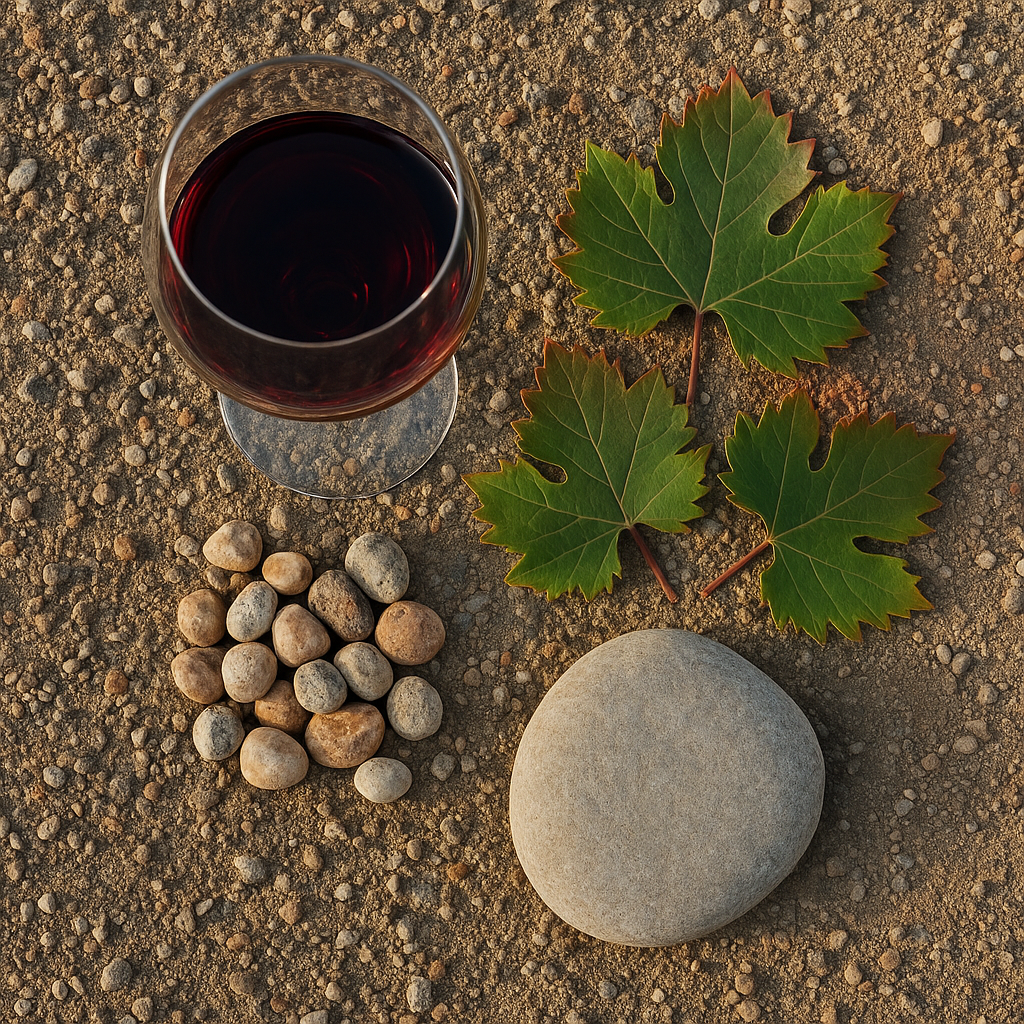
Named villages and the Crus: where the step-up stops paying off
Climb past Villages into the Crus — Gigondas, Vacqueyras, Châteauneuf-du-Pape — and you leave Côtes du Rhône behind entirely; these are separate appellations, not a further sticker you bolt on. Yield caps keep tightening as you go, down to Châteauneuf-du-Pape’s notably tight limit.
One pattern is worth knowing before you spend Cru money: average alcohol climbs the tiers too, from about 14.2% for Côtes du Rhône up to nearly 15% for Châteauneuf-du-Pape’s most concentrated cuvées. That’s a leftover from an older idea of quality, when reaching ripeness at all was the struggle and higher alcohol got read as a mark of success. It doesn’t automatically mean a better glass today — it just means a bigger one.
Not every good bottle follows the tiers upward, either. Growers working higher ground on the western side of the valley, nearer the Cévennes foothills, sometimes make a Côtes du Rhône fresher than the appellation’s reputation suggests — altitude and mistral exposure doing more for the wine than any label tier could. If that fresher, high-ground style appeals, ask for a western-edge Côtes du Rhône by name; it’s the appellation’s quiet bargain. And if you want the northern half of the valley too — Syrah country, Côte-Rôtie, Hermitage, Cornas — that’s a different grape and a different conversation; our pillar guide to the Rhône covers it properly rather than as a footnote here.
Cooperative, negociant or grower: reading the label like a buyer
None of the tiers above tell you who actually made the wine, and on this page that’s the whole game. A cooperative wine is stitched together from many growers’ grapes into something consistent and fairly priced — reliable rather than remarkable, no shame in it. A negociant wine is bought in as grapes, juice or finished wine and blended under a merchant’s name — a genuinely old model in the Rhône, not a shortcut — and the biggest houses can turn out everyday Côtes du Rhône and single-vineyard wines from the same address. A grower-domaine bottle comes from someone farming their own vines and putting their name behind it: more character, usually more expense, and increasingly likely to come in several cuvées from one small property, worth watching since the base and top wines from the same door can taste like different animals.
If you’re choosing for someone else’s table rather than your own, that last point matters — a grower-domaine bottle with a name and a farm behind it tends to land better as a gift than a supermarket cooperative blend, whatever the tier on the label. Our wine gift guide goes further into picking for other people.
What a step up actually costs
The everyday end of Côtes du Rhône sits exactly where you’d expect: cheap, cheerful, built for a Tuesday, and there’s no dishonour in buying it that way. Villages usually asks a little more and, on the tasting logic above, generally earns it.
What’s shifted lately is the top end. Trade coverage has started picking out premium Côtes du Rhône — not Villages, not named-commune, just plain Côtes du Rhône — retailing above £20, made by growers treating a supposedly humble appellation like a serious one. The ceiling is moving, even while the everyday end stays put — one more sign that in this appellation it’s the maker, not the rung, that decides what’s in the glass.
If you’re not sure which rung to commit a full case to, buying a mixed case across the tiers — a plain Côtes du Rhône, a Villages, maybe one named commune — is the sensible way to taste the tiers yourself before deciding where your money lives. Our piece on whether mixed cases are good value walks through judging one properly.
Questions customers ask us
Which wine is best for diabetics?
That’s a medical question, not a wine one, and it deserves an answer from a doctor or dietitian rather than a shop owner. Come back once that conversation’s had and I’ll happily help with style, grape or region instead.
Are Côtes du Rhône-Villages and a Rhône Cru the same thing?
No. Villages is still Côtes du Rhône, just a stricter tier of it. A Cru such as Gigondas or Vacqueyras is a separate appellation entirely, with its own rules, sitting above Villages in the pecking order.
What are the best books on Rhône wine for going deeper?
The serious regional studies and major wine encyclopedias are worth owning once you’re hooked — they go far beyond any shop page. For day-to-day buying, though, a shortlist like this one plus a merchant you trust gets you most of the way there.
The merchant’s last word
I sold Côtes du Rhône badly for years — treated it as the wine you buy when you can’t be bothered to think. It isn’t complicated once you know where the real jump in quality sits: go straight to Villages, back the maker over the rung, and save the named communes and Crus for when you fancy paying for the view. Browse the Rhône Valley cellar and I’ll show you where I’d start — there’s usually a grower’s Villages under my thumb before you’ve finished asking.