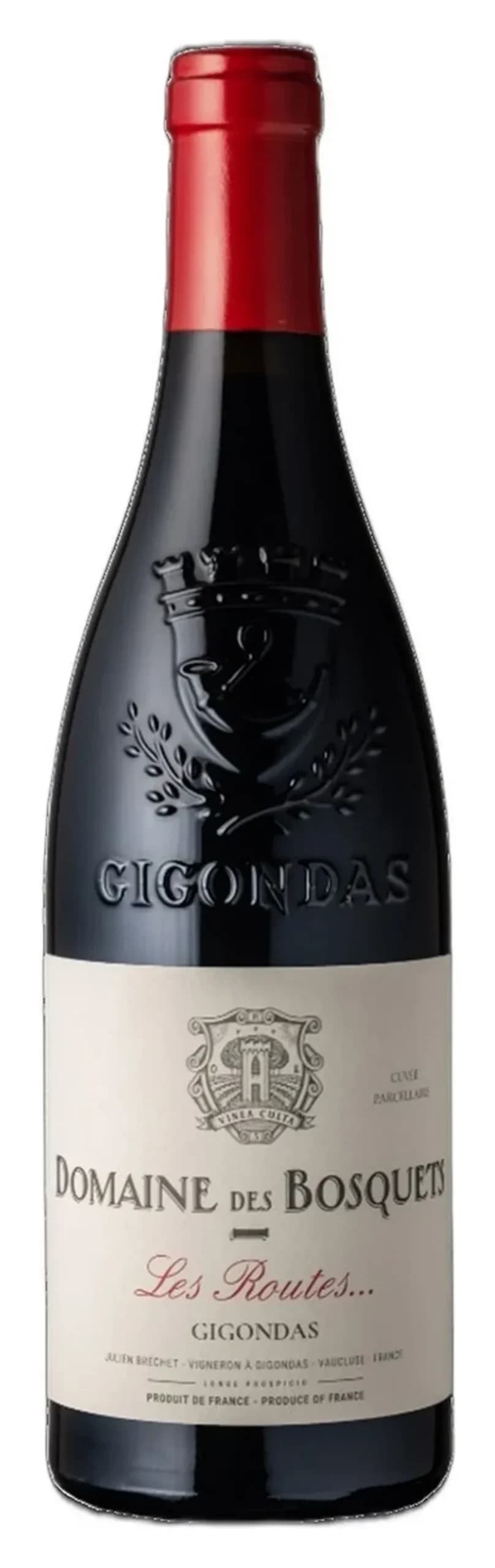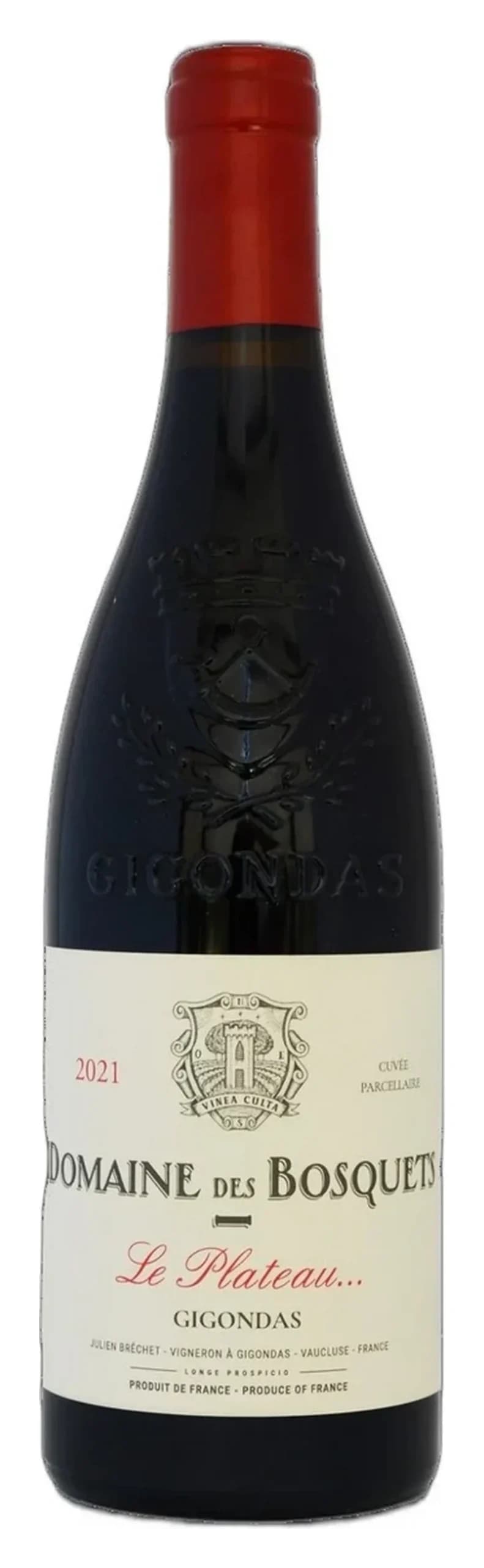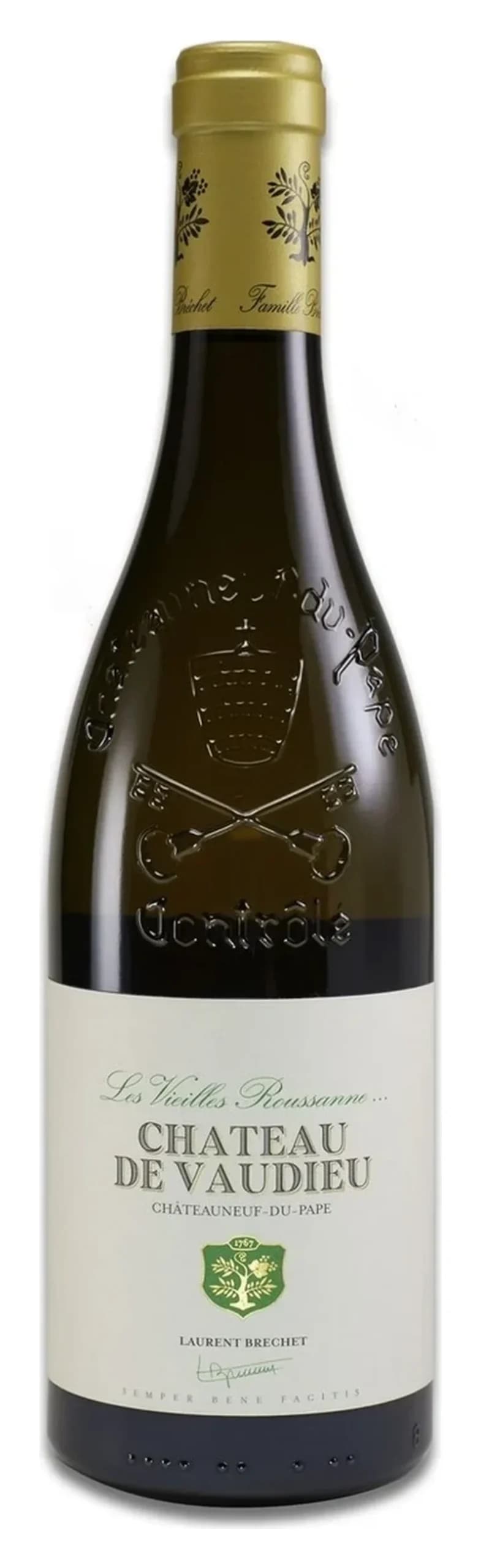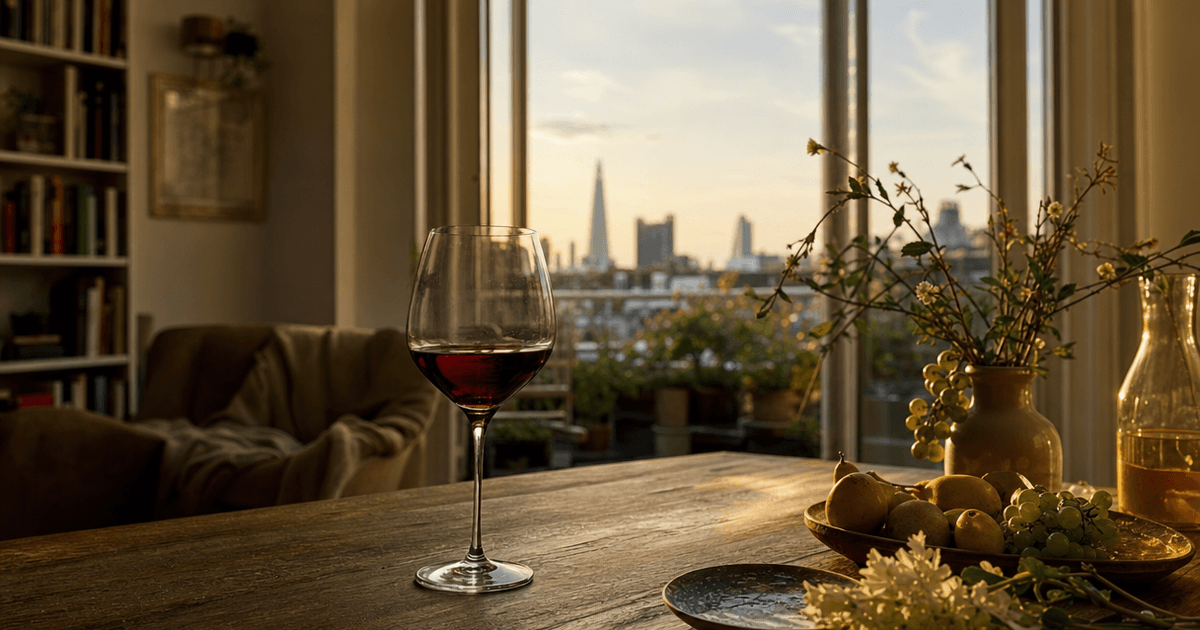
Condrieu is the white that plays a trick on you: it smells sweet and drinks dry. Viognier Condrieu is the phrase most people type into a search bar when they mean the grape, the wine, or both — because here they’re almost the same thing. Condrieu is a small appellation in the northern Rhône making white wine, and only white wine, from Viognier grown on steep granite above the river. That nose-versus-palate trick is the key to everything else about it — the confusion, the food matches, even the price — and by the end of this you’ll know what’s actually in the bottle, why it costs what it does, whether to expect dry or sweet, and what an old bottle tastes like. So you can pick the right one for the right Tuesday, not just the prettiest label.
What type of wine is Condrieu?
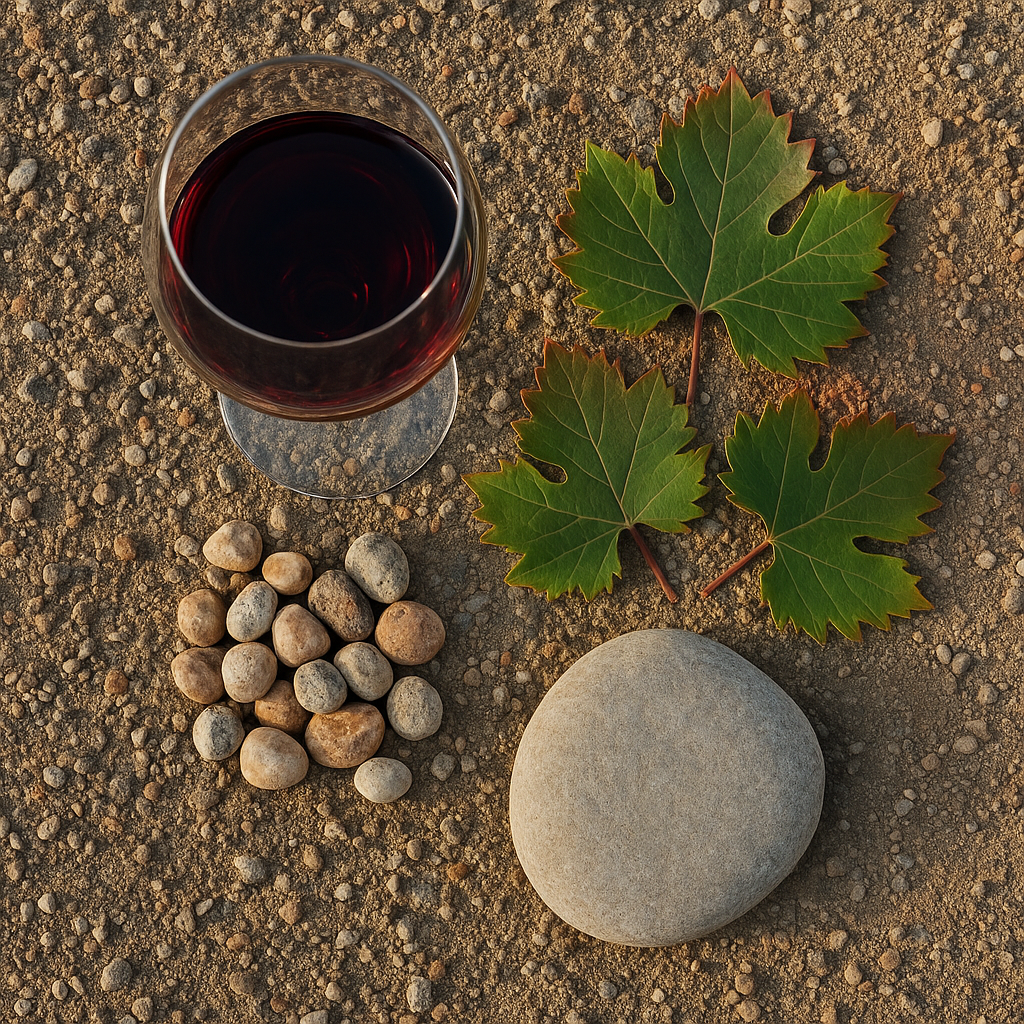
Condrieu is 100% Viognier — full stop (the appellation doesn’t permit blending, which sets it apart from most of its Rhône neighbours). It’s a dry-to-off-dry white, full-bodied, low in acidity, with a nose that leans hard into jasmine, honeysuckle, peach and apricot. It comes from seven communes on a short stretch of river just south of Côte-Rôtie, spanning three départements — Rhône, Loire and Ardèche. If you want the one-line version for your notebook: Condrieu is dry white Viognier from steep granite — one grape, one colour, no blending.
Vines have grown on these slopes since Roman times, and the wine travelled down to the popes in Avignon in the Middle Ages, so this isn’t some 1980s invention dressed up in old clothes. What nearly finished it off was the mid-20th century: by the mid-1960s the appellation had, by local accounts, shrunk to a scattering of hectares, the wine barely known outside local restaurants. A slow revival from the 1980s brought it back, helped by tightening the appellation boundary to exclude the higher, poorer-sited land — smaller, but better placed. Even today, well under half the permitted vineyard area is actually planted, which tells you there’s still room to grow, if anyone’s brave enough to work those slopes.
If you want the wider map — where Condrieu sits next to Côte-Rôtie, Hermitage and the rest — our guide to The Rhône and the French South: a merchant’s guide from Côte-Rôtie to the Med lays it out properly. But if it’s the perfume you’re after, this page is the one that matters.
Is Viognier sweet or dry wine?
Viognier is a dry wine most of the time, and so is most Condrieu. What confuses people is the aroma — all that ripe peach and apricot reads as sweetness to a nose that isn’t expecting it, when the sugar level tells a different story entirely. Our shop rule: with Viognier, trust the finish, not the nose. Condrieu does run the full range from bone dry through off-dry to the occasional late-harvest sweet wine, so a label alone won’t always tell you which you’ve bought — one more reason to ask before you pay.
Style also shifts by geography within the appellation, and this is a genuinely useful buying handle: if you like your whites tighter and more mineral, ask for the southern villages; if you want the full floral, apricot-drenched experience people come to Condrieu for, the northern end delivers it. Winemaking choices matter too — whether the wine goes through malolactic fermentation (it softens any green, vegetal edge that under-ripe Viognier can show) and how much new oak, if any, touches it. Some of the region’s most respected growers are firmly against new oak here, arguing it smothers the grape’s own perfume rather than adding to it; others use barrels deliberately for the gentle oxidation they bring. Neither approach is wrong — it’s a genuine stylistic fork, and worth knowing before you buy.
If you want the fuller picture on what oak actually does to a white wine — Viognier or otherwise — Oak in Chardonnay: what ‘oaked’ really tastes like covers it well. And if the appeal here is a distinctive grape stepping out of a bigger region’s shadow, Burgundy has its own version of that story in Aligoté: Burgundy’s other white grape, finally taken seriously.
Getting the best from a bottle
Condrieu is a rich, full-bodied aperitif wine before it’s anything else — pour it a little too cold and you mute the very aromatics you’re paying for. Room-cool rather than fridge-cold is the move: that perfume is the whole point of the purchase, so don’t refrigerate it into silence.
At the table, it’s genuinely good with foods that trip up most whites:
- Roast chicken, pork with fruit, or foie gras
- Crab, lobster, salmon and richer seafood preparations
- Curries and dishes built around mango or apricot
- Asparagus and artichoke, both notorious wine-killers elsewhere
- Even, unusually for a white, a fillet steak served with a citrus hollandaise
It struggles more with very salty or very earthy dishes, where the perfume just gets lost. Plant Viognier somewhere cooler and windier than the Rhône and you get quite a different animal — for that contrast, see Coastal Chile: why cold Pacific air makes such fresh whites. If you’re planning a menu around one of the dishes above, one good bottle of Condrieu does more than two safe ones — this is a wine that wants the occasion built around it.
Why is Condrieu so expensive?
Condrieu is expensive because there simply isn’t much of it, and what there is costs a fortune to farm. Viognier flowers unevenly and sets fruit badly (growers call it coulure), so yields are low and unpredictable even in a good year, and the appellation caps them further. Add steep, terraced, granite slopes that resist any machine, and you’ve got a wine that’s labour-intensive from bud to bottle.
Fashion did the rest. Viognier’s revival in the 1990s coincided with the northern Rhône becoming genuinely modish, and scarcity plus reputation is always a pricing story. Within Condrieu sits an even smaller anomaly: Château-Grillet, a single-owner appellation of about 3.5 hectares, entirely surrounded by Condrieu vineyard, that’s been a byword for rare and costly Viognier since long before the wider region came back into fashion. It changed hands in 2011 after generations in one family, and its wines are traditionally built for the cellar rather than for drinking on release — a genuinely different animal from most Condrieu, even though it’s made from the same single grape.
| Condrieu | Château-Grillet | New World Viognier | |
|---|---|---|---|
| Where | 7 communes, northern Rhône | 3.5ha single estate inside Condrieu | California, Australia, southern France |
| Style | Dry to off-dry, floral, apricot | Restrained, built to age a decade+ | Riper, sometimes higher alcohol |
| Price shape | £££ | ££££ | £–££ |
The honest buying advice hiding in that table: if the Condrieu price stings, a southern-French Viognier gives you most of the perfume at a fraction of the cost — and once you know you love the grape, the granite original is waiting.
What does aged Condrieu taste like?
Aged Condrieu is honestly a mixed bag, and any honest merchant will tell you that rather than sell you a fairy tale. The bright, floral, blossomy aromatics that make young Condrieu so recognisable fade with time — and what comes to replace them isn’t guaranteed to be as good. Some bottles find something richer and more savoury; others just go quiet. Which is why our standing advice is simple: buy Condrieu for this year’s table, not the cellar.
Château-Grillet is the exception that proves the rule: it’s traditionally considered a wine that shouldn’t be opened young at all, wanting a decade minimum before it shows its proper character — a patience most Condrieu doesn’t ask of you or reward. There’s also a live conversation in the region right now about climate: winemakers are adjusting technique to keep freshness in the wines as growing seasons change, which may well affect how the next decade of bottles age. Worth remembering if you’re tempted to lay one down rather than drink it this year.
Questions customers ask us
Is Condrieu the same as Château-Grillet? No. Château-Grillet is a separate, tiny appellation entirely surrounded by Condrieu, made by a single estate from the same grape — but it’s traditionally a different, longer-lived style.
Does Condrieu improve with oak? Opinion is genuinely split among serious growers. Some see new oak as smothering Viognier’s natural perfume; others use barrel ageing deliberately for texture. Neither camp is wrong — it’s a style choice worth checking on the label.
Can I get Viognier outside France? Yes — it’s now planted widely in California, Australia and the south of France, generally in a riper, more overtly fruity style than the Rhône original.
The merchant’s last word
I sold Condrieu for years as “posh Chardonnay” before I actually understood it — it isn’t, and that comparison does it no favours. It’s its own thing: the white that smells sweet and drinks dry — perfumed, generous, occasionally maddening, always worth the conversation before you buy. Come and have that conversation with me, or browse the Rhône Valley cellar and see what’s actually on the shelf this week; if a bottle of apricot-scented granite sounds like your Saturday, I’ll happily point you at the right one.