Aligoté wine has spent the best part of a century in Chardonnay’s shadow, and most of that was unfair. Aligoté is a white grape native to Burgundy, a natural cross of Pinot and Gouais Blanc — which makes it, genetically, Chardonnay’s sibling, not its poor relation. It turns up in Burgundian records by the end of the 18th century and has clung on ever since in the coolest, least fashionable corners of the region’s slopes. By the end of this you’ll know what’s actually in the glass, where the good bottles come from, and whether it’s worth the money you’ll save over a basic white Burgundy.
What kind of wine is Aligoté?
It’s a light, high-acid dry white, traditionally unoaked and made to drink young rather than cellar. In a cool year it can be genuinely tart — sharp enough that it built its old reputation as the base for Kir, the blackcurrant liqueur cocktail. In a warmer year, off decent limestone, it turns into something with real backbone.
That swing in character comes down to where it’s planted. Aligoté is a vigorous vine with a yield that varies enormously by site, and for most of the 20th century it got shoved onto the vineyards nobody else wanted — the exposed tops of slopes and the damp, frost-prone bottoms, while Chardonnay took the prime middle ground. On the rare occasions it does get a decent slope, in a ripe year, growers reckon it can produce something with more nerve than most Chardonnay from the same vintage. A loose collective of growers, formed in 2018, exist more or less to prove that point. Warmer vintages generally are doing the grape a favour it never asked for.
What is the difference between Chardonnay and Aligoté wine?
They share the exact same parents, so the difference isn’t genetic — it’s geography and ambition. Chardonnay gets the best middle slopes and the winemaking attention that comes with prestige; Aligoté gets the leftovers and, traditionally, none of the oak. The result is a wine that’s leaner, sharper, and almost always cheaper.
| Aligoté | Chardonnay | |
|---|---|---|
| Parentage | Pinot × Gouais Blanc | Pinot × Gouais Blanc |
| Typical site | Slope tops or bottoms, poorer soil | Prime mid-slope limestone |
| Acidity | High, often sharp | Rounder, more generous |
| Oak | Rare, sometimes none at all | Common at village level and above |
| Ageing | Mostly drink young | Often built to hold |
| Appellation | Bourgogne Aligoté, Bouzeron | Village, premier and grand cru names |
Recent figures put total Aligoté plantings across greater Burgundy at just under 2,000 hectares, with a little over 600 of those in the Côte d’Or — a fraction of the region’s Chardonnay total. It’s genuinely a minority grape there, which is part of why so few drinkers ever meet it properly. For the fuller picture of how Burgundy’s hierarchy actually works, our Burgundy, decoded: villages, crus and why it costs what it costs guide covers the ground this article doesn’t.
What is Aligoté wine similar to?
Trade opinion tends to place it somewhere between Chardonnay and Sauvignon Blanc — fresh, citrus-forward, with a lively acidity and usually no oak to soften it. It’s closer in spirit to a lean, unoaked white than anything rounded or buttery, and it’s built to be opened this month, not laid down for a decade.
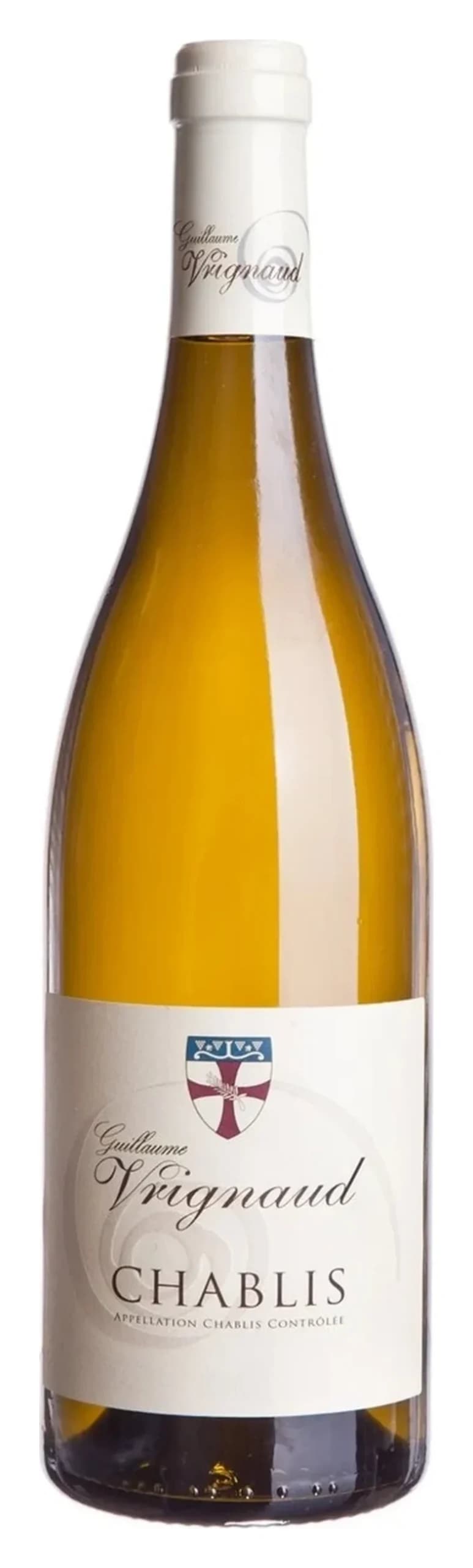
If you’ve come across Aligoté filed on one of those potted cheat-sheets as simply “cheap Chardonnay’s cousin,” that undersells it — and it also misses a genuinely confusing sideshow. There’s another Burgundian grape called Sacy, sometimes nicknamed Aligoté Vert, that historically got mistaken for the real thing and gave true Aligoté a worse reputation than it deserved. If you want the reference point that’s easiest to hold onto: it sits in similar freshness territory to unoaked Chablis, without quite that grape’s minerally intensity. Our Chablis: the purest Chardonnay? piece is the natural next stop if that comparison interests you.
Where to look for the best bottles
Bouzeron, a village in the Côte Chalonnaise, is the one place in Burgundy with an appellation reserved entirely for Aligoté — production there has roughly tripled since 2012, which tells you something about where confidence in the grape is heading. Look also to Chitry in the Yonne, and Pernand-Vergelesses over in the Côte de Beaune, both long-standing homes for it.
A few things worth knowing before you buy:
- Bouzeron is the benchmark village — regarded by most as the finest expression of the grape, and it can also use an old golden-berried selection called Aligoté Doré.
- Marsannay, in the Côte de Nuits, has seen growers produce single-parcel Aligotés aged longer than their own Chardonnay — a sign of how seriously the best sites are now being taken.
- Bourgogne Aligoté on a label just means Aligoté from somewhere in Burgundy generally, rather than a named village — it’s the entry point, and often the best value.
For context on how the wider region’s more affordable corners work, Affordable Burgundy: does it exist? An honest answer is worth a read, as is The Mâconnais: where white Burgundy stops being scary money if you’re building out a broader shopping list.
Serving it right — chill point, glass, and what to eat with it
Give it a proper chill, colder than you’d take a village Chardonnay, closer to how you’d treat a Muscadet or a young Chablis. A standard white wine glass is fine; you’re not trying to open it up so much as keep it tight and bright.
Food-wise, think seafood before anything else: oysters, clams, shrimp, chilled shellfish of any kind. The acidity that made it useful for Kir is exactly what makes it work at a table full of lemon and salt. It’s not a wine for a heavy sauce or a long-simmered stew — save that for the Chardonnay.
What Aligoté costs — and why that’s the point
Ask anyone who buys Burgundy for a living about Aligoté and value is the word that keeps coming up. It sits well below village-level Chardonnay from the same region, and a long way below anything premier or grand cru — while, from a good site in a good year, it can still show real complexity. Single-vineyard Bouzeron will cost more than a basic Bourgogne Aligoté, naturally, but even at the top end you’re rarely near Chardonnay prices for equivalent quality.
That gap is exactly why it’s said to be a favourite pour among American wine exporters who’ve spent careers working the region — reached for at their own table over Burgundy’s grander names. It’s the wine people who know the region actually drink on a Tuesday.
Questions customers ask us
Is Aligoté similar to Pinot Blanc? Not really — Pinot Blanc runs softer and rounder, closer to a gentle Chardonnay. Aligoté keeps its acidity sharper and its frame leaner; they’re often shelved near each other but they don’t taste alike.
Does Aligoté age well? Most bottles are made to be drunk within a year or two, but that’s shifting. Ambitious single-vineyard versions, particularly from Bouzeron and Marsannay, are now built to hold for longer.
Is Bourgogne Aligoté the same thing as Aligoté? Bourgogne Aligoté is simply the legal appellation name — Aligoté from anywhere in Burgundy. Bouzeron is the sole exception, with its own standalone name reserved just for this grape.
The merchant’s last word
I ignored Aligoté for years, honestly — filed it mentally as the wine you use to make Kir and moved on to the Chardonnay shelf. That was a mistake I’ve since corrected on my own list. Chilled hard, poured with oysters or just on its own after a long day, it does something a lot of pricier white Burgundy can’t: it’s simply, unfussily good. Go and browse the burgundy cellar and see where it takes you.