Spätburgunder Pinot Noir is Germany’s answer to the grape that built Burgundy’s reputation — and it’s a better answer than most people expect. A customer asked me last month whether it was “a cheap knock-off” and I had to stop him gently: it’s the same vine, just grown a few hundred miles north. Spätburgunder is 100% Pinot Noir, full stop (the name is simply German for it, and you’ll also see Blauburgunder used in Austria and Switzerland). By the end of this you’ll know whether a Baden Spätburgunder deserves a spot next to your Volnay — and where to actually find one worth opening.
Is Pinot Noir the same as Spätburgunder?
Yes, entirely. Spätburgunder is the standard German name for Pinot Noir, no different grape, no local variant with its own DNA — just a translated label. The vine arrived via the same 13th-century Cistercian monks who were busy planting it in the Côte d’Or, with a particular foothold in the Rheingau around Assmannshausen.
Where it gets interesting is the family around it. Frühburgunder is a genuine mutation of Spätburgunder — same grape, different clock, ripening about two weeks earlier, mostly seen on the Ahr’s slate and Franken’s red sandstone. Domina is something else again: a deliberate cross of Portugieser and Spätburgunder, bred for yield and colour rather than the real thing’s finesse. Neither is what you’re buying when a label says Spätburgunder plain and simple. Trade sources put total German plantings at roughly 3,400 hectares in 1980, climbing past 11,000 by 2003 and to around 11,660 by 2020 — a genuine boom, not a fad.
What type of wine is Spätburgunder?
It’s a dry red, these days almost always fermented fully dry rather than the pale, faintly sweet style that used to dominate the Ahr. Expect real structure: better clones, careful canopy management and, increasingly, whole-bunch fermentation, which lends tannin from the stems without leaning on new oak to do the job.
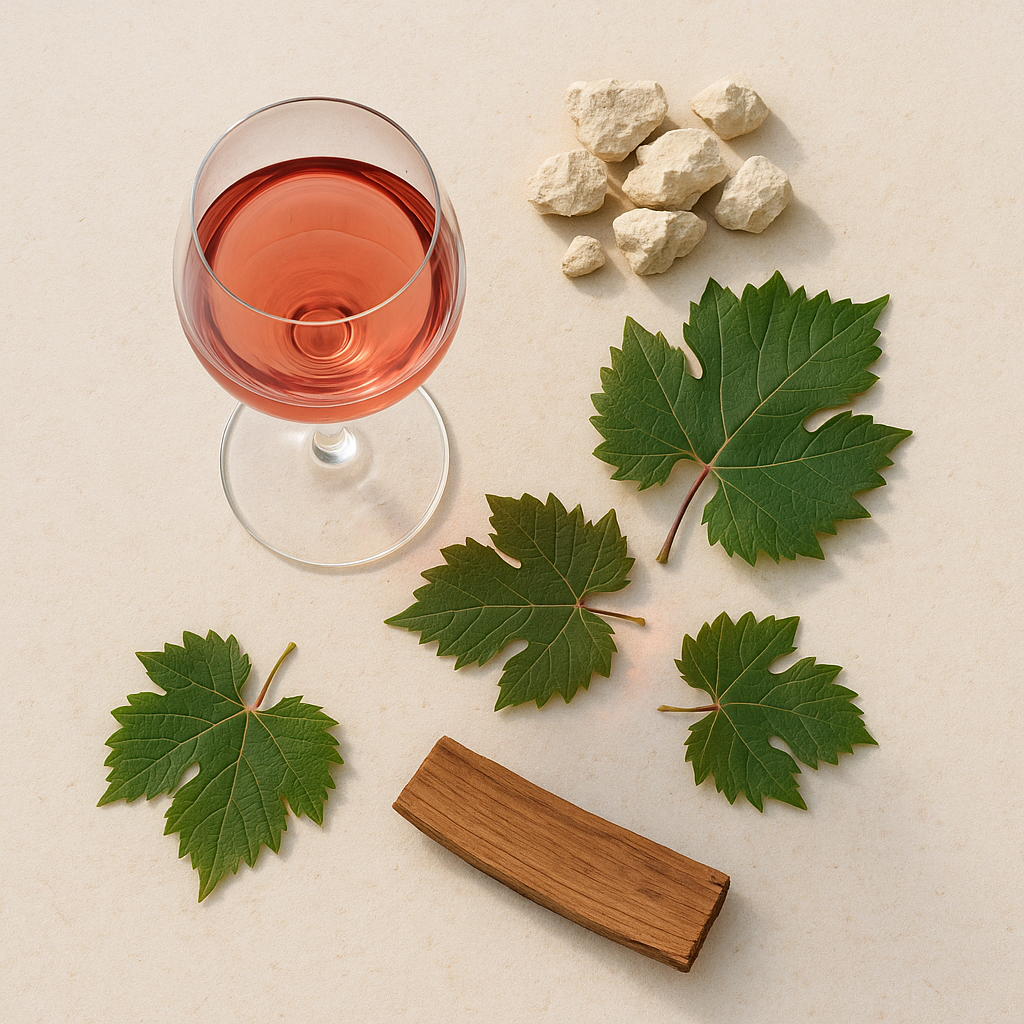
Style varies more by soil than by region, which surprised me when I first started buying it. Slate on the Ahr and Mosel holds daytime heat and releases it overnight, useful at those northerly latitudes. Limestone pockets turn up here and there and tend to sharpen the wine’s edges. In Baden, Pfalz and Rheinhessen, Spätburgunder shares vineyard land with Weissburgunder and Chardonnay, often on the same warm, sheltered sites. Alcohol can run high in a warm Ahr vintage — over 14% isn’t unusual on the steepest, most sun-baked plots — while cooler sites keep things leaner. Oak use has actually pulled back over the last decade or two: more large, older vessels, less new wood, less obvious toast. If “structured but never oaky” is the red you keep hoping to find, that’s reason enough to give this grape a spot in your next order.
Why is it called Spätburgunder?
“Spät” means late in German — the grape ripens later than Frühburgunder (“früh”, early), its own two-week-quicker mutation. “Burgunder” is simply the German suffix for “of Burgundy”, stuck onto the whole Pinot family: Weissburgunder is Pinot Blanc, Grauburgunder is the drier German style of Pinot Gris. Once you know that suffix, half of a German wine list stops being mysterious.
It’s worth knowing the naming quirk goes further, too. Domina — that Portugieser cross I mentioned — borrows Spätburgunder’s ripeness and tannin without the name attached, because genetically it isn’t the same vine, just a descendant of one. Names in German wine are precise about lineage in a way English labelling rarely bothers with.
Choosing by region: where Spätburgunder shows its best
Region isn’t destiny with this grape quite the way it is in Burgundy — a 2017 Decanter piece on the subject made the point well: geology tends to matter more than the label’s region. Still, some patterns hold up at the shop counter:
- Baden — Germany’s warmest, sunniest, driest red-wine region, stretching over 400km from Franken to Lake Constance. Spätburgunder is its most-planted grape and its best-known style: rounder, riper, often oak-aged, sometimes the closest German answer to a good Côte de Beaune.
- Pfalz — cooler, French-influenced history (it swapped hands with Alsace more than once), quality increasingly concentrated in small estates and co-operatives rather than volume producers.
- Ahr — small, steep, dramatic: vineyards hugging a gorge-like stretch of river, over two-thirds of the vine surface on slopes past 30 degrees. Historically pale and sweet, now some of Germany’s most sought-after serious Pinot.
- Rheinhessen and Franken — Spätburgunder shares space with Silvaner and Dornfelder here; less a signature style than a solid, improving supporting act.
- Württemberg — mostly light, fruity reds for the home market from co-operative production, though small estates on the Neckar’s terraced slopes are starting to change that story.
If that list leaves you hovering at the shelf, here’s the shortcut I give in the shop: make your first bottle a Baden estate wine — the ripest, most Côte de Beaune-shaped of the five — and graduate to an Ahr bottling when you’re ready for the steeper, slate-grown style.
What is the best Pinot Noir from the UK?
If you’re after English-grown Pinot Noir, that’s a genuinely promising, separate story — one for another day. More often, though, this question means: what’s the best German Spätburgunder you can actually buy here in the UK? And the honest answer is that the trade’s opinion of it has shifted hard in the last decade.
Decanter’s own judging tells the story in numbers: a Baden Spätburgunder took the International Trophy for Pinot Noir over £10 back in 2015, and by the 2020 Decanter World Wine Awards, German reds picked up a record run of Platinum medals. A more recent panel tasting of 58 Spätburgunders scored two as Exceptional and six as Outstanding, with thirty rated Highly Recommended — a strike rate most regions would be pleased with. On UK merchant lists you’ll increasingly spot serious Baden estate wines sitting confidently near Burgundy, not tucked away as a curiosity. That’s not an accident; it reflects a generation of winemakers who trained partly on quality Burgundian technique rather than volume. In other words, sterner judges than me have done the vetting — all that’s left is picking a bottle and seeing if you agree.
How it stacks up against red Burgundy — in the glass and on the price
Style-wise, good Spätburgunder tends to sit closer to red Burgundy than to the fatter, riper Pinot you’ll find from parts of the New World — lighter frame, brighter acid, less overt fruit. If you want to see how far Pinot Noir travels from that Burgundian template, our guide to Central Otago Pinot Noir: the world’s southernmost great red is a useful contrast, and cool-climate Australia’s new wave is worth a look too.
On price, top German Pinot no longer behaves like a bargain-bin alternative — the best Baden and Ahr bottles now sit close to a decent village-level red Burgundy. Where the value case still holds is a level down: much the way second wines let you drink a great château without the grand vin price, a solid regional Spätburgunder gives you the Burgundian shape — that savoury, structured, food-ready style — without needing a Burgundy budget. That middle tier is exactly where I’d point a weeknight Pinot drinker first. If you want the full picture of why Burgundy itself costs what it costs, our pillar guide to Burgundy’s villages and crus lays that out properly.
Questions customers ask us
Is Spätburgunder sweet? Old-style Ahr Spätburgunder could be pale and faintly sweet, but that’s largely history now. Modern German Pinot Noir, across nearly every region, is made dry — the sweeter style is the exception, not the rule.
Does Germany make much Pinot Noir? Yes — it’s Germany’s most-planted black grape by a good margin, and trade estimates put Germany among the world’s top three producers of Pinot Noir by volume, alongside France and the US.
Is Blauburgunder the same as Spätburgunder? Same grape, different country’s habit: Blauburgunder is what Austria and Switzerland call Pinot Noir, while Germany almost always says Spätburgunder.
The merchant’s last word
I used to keep German Pinot on a back shelf, filed under “interesting if you’re curious.” I was wrong for years — good Spätburgunder Pinot Noir, especially from Baden and the Ahr, earns its place next to proper Burgundy, not beside it as an afterthought. Pour it blind for a friend who swears by the Côte d’Or and see what happens. If that’s tempted you, go and browse the burgundy cellar and put the two side by side yourself.