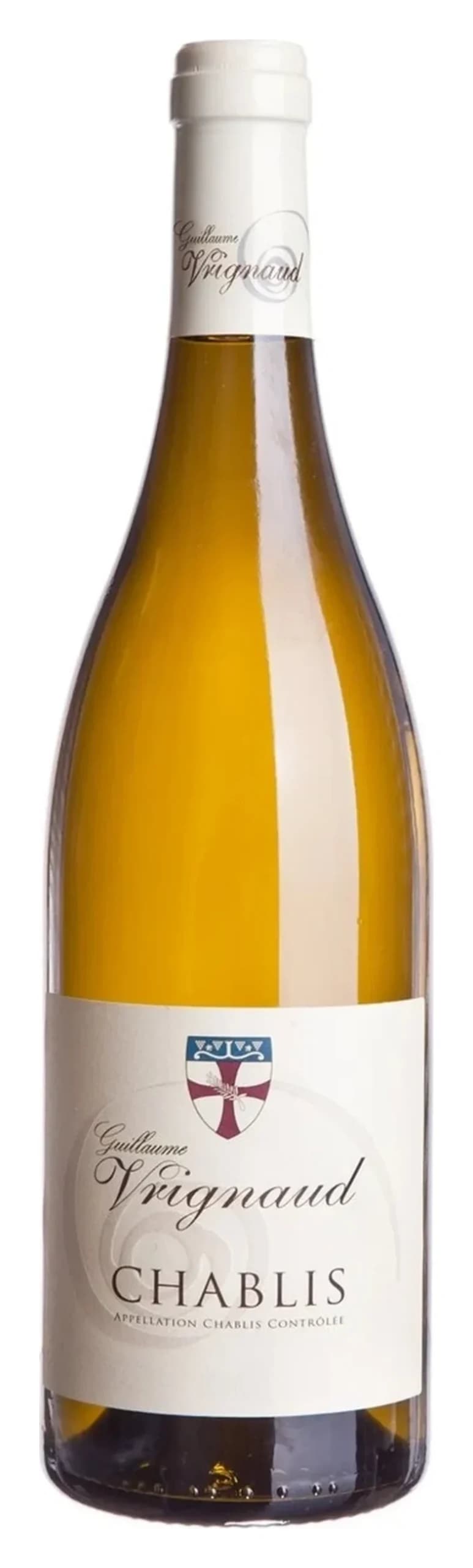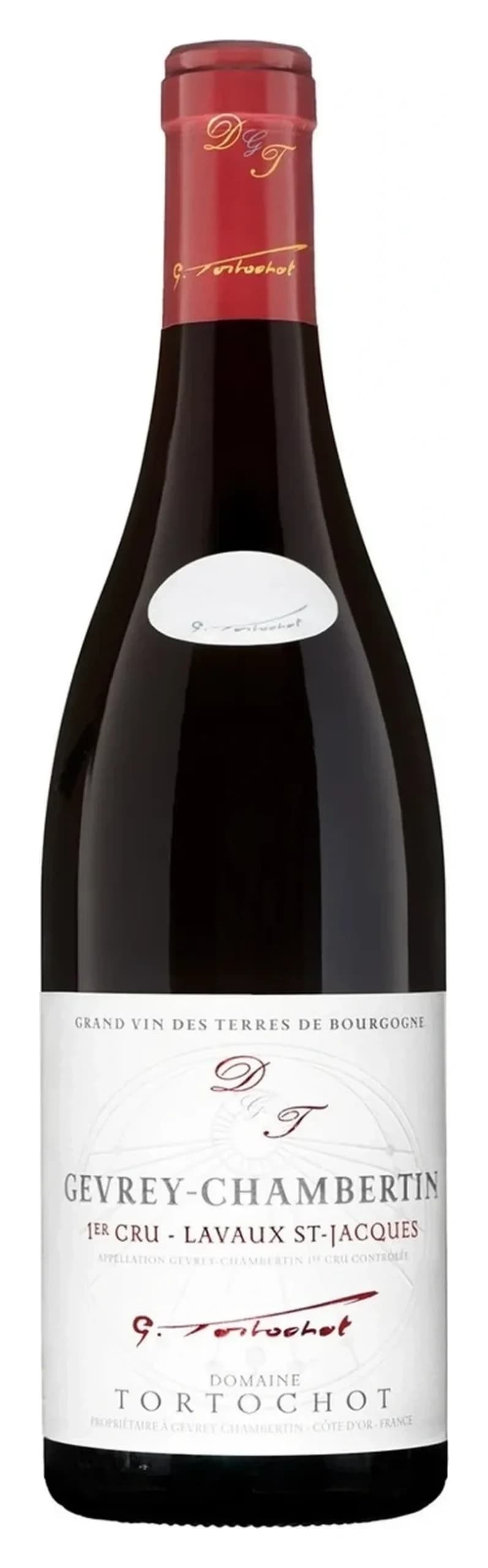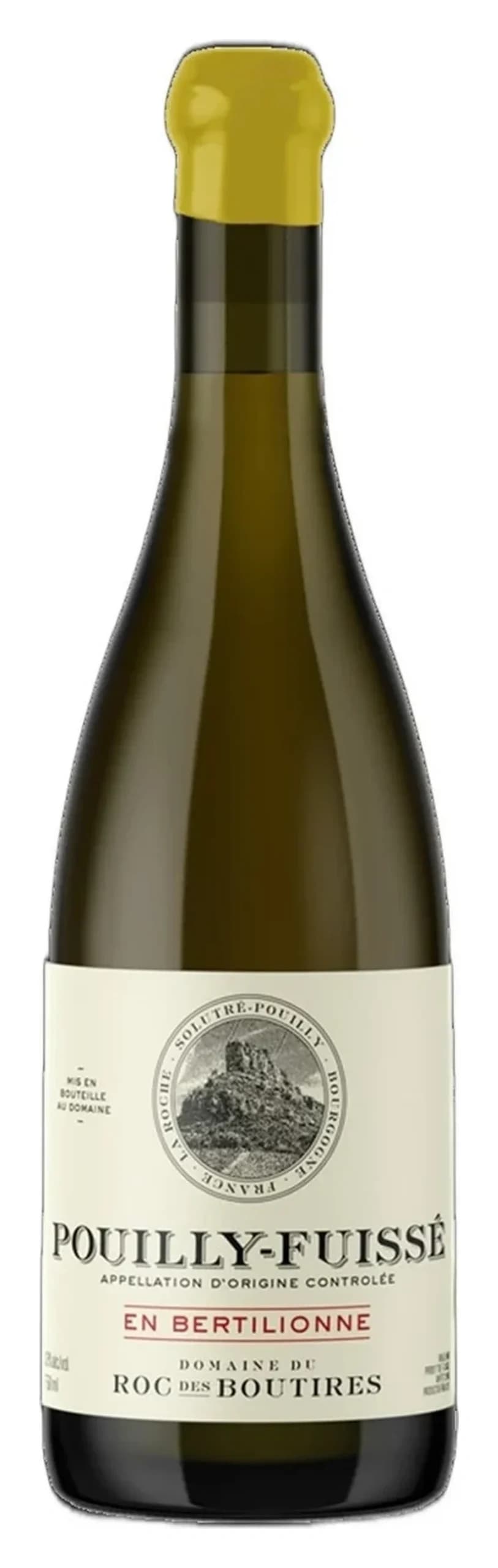
Right, if you’ve ever picked up a bottle of Burgundy and felt your eye slide off the label like it’s written in code — you’re not alone, and it’s not you being thick. How to read a Burgundy wine label really comes down to one habit: read it in the right order. A label here names three things — the village, the vineyard, and the producer — and the whole trick is knowing which one is doing the talking. By the end of this you’ll be able to glance at any bottle and know roughly what tier it sits at, and what that’s likely to mean for your glass.
How to read a Burgundy label?
Read it top to bottom in order of geography, not alphabetically. Look first for a village name — Meursault, Volnay, Gevrey-Chambertin. Then look for a vineyard name sitting near it, often smaller type — Perrières, Les Charmes, Clos des Ducs. Then the producer, usually at the bottom. The narrower the place named, the smaller the plot of land behind it, and generally the steeper the price.
Here’s the bit I got wrong for years in the shop: I assumed a named vineyard meant one owner, one style, done. Not in Burgundy. A single vineyard — a climat, in the local term — has often been split and re-split for generations, thanks to French inheritance law insisting every child gets a share. One tiny plot can have dozens of different growers each farming a row or two of vines. So two bottles both labelled “Meursault Perrières” can come from neighbouring rows and taste genuinely different, because they’re not from the same hands at all.
There’s also a quiet bit of history hiding in the village name itself. Back in the late 1800s, many Côte d’Or villages tacked their most famous vineyard’s name onto their own — plain old Vosne became Vosne-Romanée, Puligny became Puligny-Montrachet. So a hyphenated village name is really a boast from over a century ago, worn like a badge.
What are the 4 levels of Burgundy wine?
Think of Burgundy’s hierarchy as a pyramid built on one idea: terroir trumps everything else, a principle locked in since the 1930s. There’s no room for marketing flair or celebrity winemakers to jump the queue. Four rungs make up the ladder — regional, village, premier cru, grand cru — and each step up shrinks the vineyard down to something more precise. Oddly enough, the label follows suit: less text, fewer words, as the wine itself becomes more singular.
| Tier | What the label shows | Roughly how many appellations | Share of volume |
|---|---|---|---|
| Regional | Bourgogne, Bourgogne Côte d’Or, Bourgogne Aligoté | 7 | 52% |
| Village | Meursault, Gevrey-Chambertin, Volnay | 44 | combined 47%* |
| Premier cru | Meursault Perrières, Volnay Clos des Ducs | within village appellations | combined 47%* |
| Grand cru | Chambertin, Montrachet, Richebourg | 33 | 1% |
*Village and premier cru together account for that 47% — trade figures don’t split them further, which tells you something: most of what you’ll actually drink from Burgundy sits in that middle band, not at the extremes.
A couple of things worth knowing before you go shopping. The Côte Chalonnaise and the Mâconnais stop at premier cru — there’s no grand cru down there, so don’t go hunting. And in the Côte d’Or, each grand cru is its own appellation in its own right, which is why the label can drop the village name altogether (more on that next). Chablis does it differently — all its grand crus sit under one single appellation, with the individual vineyard (Valmur, say) named alongside.
Recent trade coverage has also flagged a newer regional category, Bourgogne Côte d’Or, added in 2017 — a sign that even the bottom of the pyramid is being subdivided further, mostly to give more accessible bottles a clearer sense of place.
How to identify Burgundy wine?
Two grapes carry almost the whole region: Pinot Noir for red, Chardonnay for white (a little Aligoté and Gamay turn up in the generic tier, and there’s Passetoutgrains, a red blend of the two reds). So if the label says Bourgogne, Meursault, or a grand cru name and it’s not one of those two grapes, something unusual is going on — check the back label.
Here’s a labelling quirk worth knowing: grand cru status actually erases the village name from the bottle. Buy a Musigny or a Clos de Vougeot and you’ll search in vain for “Chambolle-Musigny” or “Vougeot” printed anywhere — the wine has effectively graduated beyond needing its village’s name for credibility. Chablis, though, plays by different rules: its grand crus keep “Chablis Grand Cru” printed alongside the climat name rather than dropping the regional reference altogether.
One more label habit worth knowing: if a premier cru wine is blended from more than one premier cru vineyard within a village, it’s labelled simply as Village + “Premier Cru,” with no vineyard name at all. No shame in that — it just means the winemaker mixed sites rather than bottling them separately.
You’ll also spot regional wines with a place tacked on for extra colour — Bourgogne Hautes Côtes de Beaune, or Mâcon Verzé, where Mâcon is followed by a village name. It’s the region’s way of saying “generic, but from somewhere specific,” which is a nice middle ground if you want a sense of place without the premier cru price tag.
Reading style into the label, not just rank
Once you can place a wine on the ladder, the village name starts telling you about character, not just price. Volnay is generally the elegant, perfumed one; its neighbour Pommard tends to be more robust and tannic — same stretch of the Côte de Beaune, genuinely different personalities. Further along, a good Chorey-lès-Beaune is often compared to a lesser Aloxe-Corton or a village Savigny-lès-Beaune; Auxey-Duresses echoes Volnay and Meursault next door, but leaner, more austere.
The producer’s name matters just as much as any of this, sometimes more. A highly regarded domaine’s village-level wine can comfortably out-price a premier cru from a lesser-known producer in the very same village — the grower’s reputation is doing as much work as the vineyard classification. That’s exactly why our piece on négociant vs domaine: who actually made your Burgundy? is worth ten minutes of your time before you spend real money on a bottle with an unfamiliar name at the bottom.
What it costs in shape
Grand cru is roughly 1% of everything Burgundy makes, and some individual vineyards produce only a few hundred cases a year for the entire world. That scarcity is baked into the price before quality even enters the conversation — there simply isn’t much to go round.
If that puts you off the top tier, don’t let it put you off the region. A well-chosen village wine — Volnay has a decent trade reputation for reliability even from lesser-known growers — gives you real Burgundian character without grand cru money changing hands. It’s the same logic that makes second wines worth knowing in Bordeaux: you’re buying the house style at a friendlier number. Our guide to second wines: how to drink a great château without the grand vin price covers that idea from the Bordeaux side, but the thinking transfers neatly.
Want to know why a Volnay costs half what a Gevrey-Chambertin does, or how a single hillside gets carved into dozens of classifications? Our pillar guide, Burgundy, decoded: villages, crus and why it costs what it costs, unpacks the whole story behind the label.
Questions customers ask us
How do I read the wine label? Check the region or appellation, the producer, the vintage, and the grape or style — that’s true of any bottle from anywhere. Burgundy just adds extra layers of place-name detail on top of those basics; our guide to the five things that matter on any label is a good starting point if Burgundy feels like a special case.
What’s the difference between a climat and a lieu-dit? Both are named plots of land, but they’re not interchangeable — a lieu-dit is an official named place that hasn’t necessarily been ranked, while a climat carries its own recognised character and, often, a classification. Don’t assume every unfamiliar vineyard name on a village wine is a hidden premier cru; sometimes it’s just a nice bit of land with a name.
Does a more expensive Burgundy label always taste better? Not automatically — a top domaine’s village wine can outshine a mediocre producer’s premier cru from the same postcode. Rank on the label tells you about the land; it doesn’t tell you who farmed it or how carefully.
The merchant’s last word
I still remember the first time I opened a Meursault next to a Puligny-Montrachet side by side, expecting them to taste like cousins, and being properly surprised by how different two neighbouring villages could be. That’s the whole appeal of this place, once the labels stop being a wall and start being a map. Come and browse the burgundy cellar — I’ll happily point you to something that matches what you’re after, tier by tier.