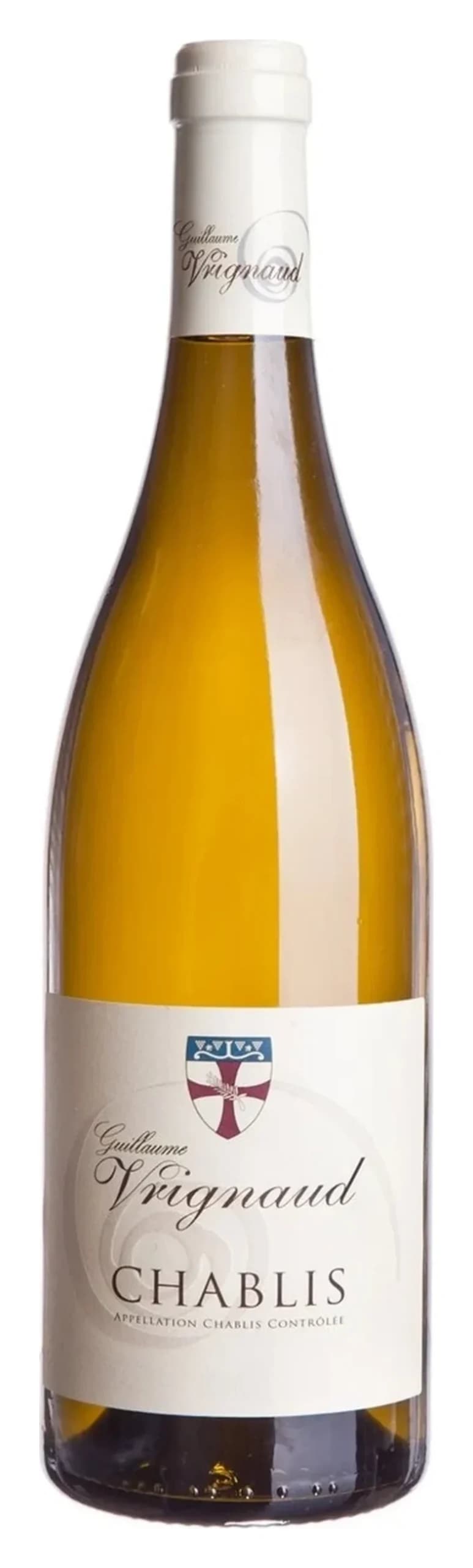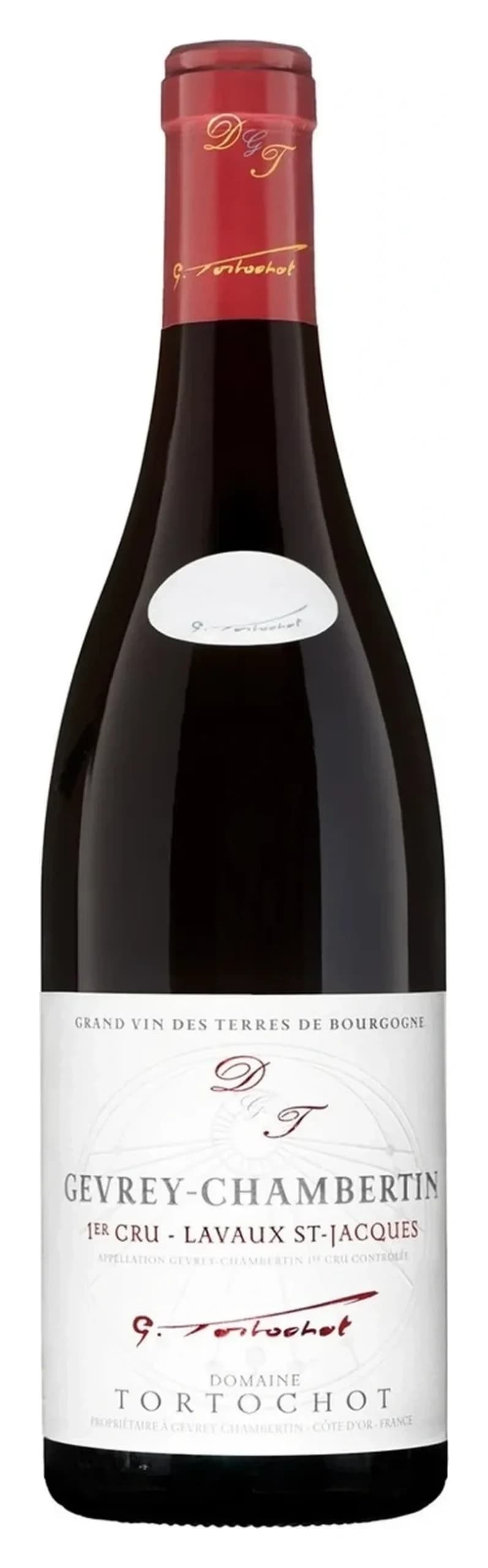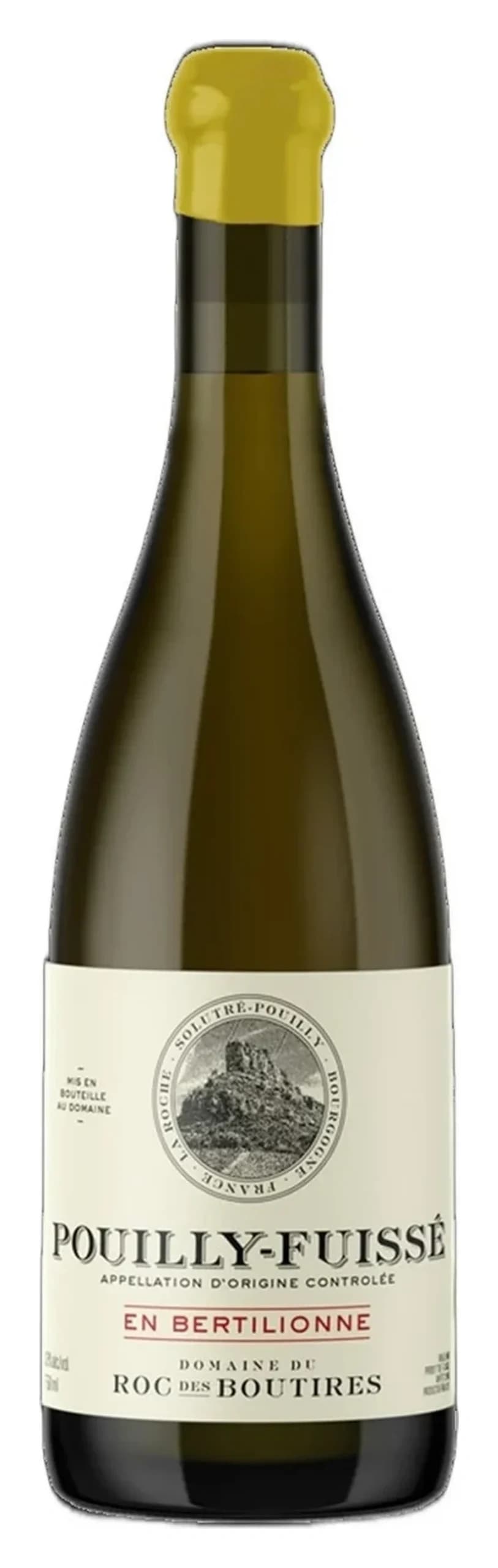
Négociant vs domaine, answered plainly: a domaine grows the grapes and bottles the wine from vineyards it owns or leases, start to finish, one roof. A négociant buys in grapes, must or finished wine from growers scattered across the region, then blends, ages and bottles it under its own name. In four words each: a domaine bottles what it grows; a négociant bottles what it buys. Neither is automatically the better bet — and that’s the first real fork in the road once you start spending proper money on Burgundy, because every other clue on the label (village, cru, vintage) tells you about the land, while this one tells you about the hands. By the end of this you’ll know which questions to ask before you buy a bottle labelled either way, and when the hands matter less than the vintage or the village underneath them.
Négociant vs domaine: what the words actually mean
A domaine, put simply, is a grower who bottles what they grow. A négociant is a merchant — historically clustered around Beaune — who buys in grapes, must or finished wine from growers scattered across dozens of tiny parcels and turns it into something you can actually buy a case of.
Neither model is a shortcut to bad wine, whatever the old snobbery suggests. Some of the Côte d’Or’s biggest vineyard holders trade as négociant houses rather than domaines, buying in fruit on top of what they already grow themselves. A fair number of small growers now run a second, négociant-style range from bought-in grapes too, sold under a near-identical name with one word changed. Look closely, and that one word matters.
Domaine bottling is younger than most people assume — by most trade accounts, barely a century old as standard practice. It only really took hold from the 1930s, when a handful of growers started bottling their own wine instead of selling it off in barrel, and it’s generally reckoned that domaine-bottled wine didn’t reach roughly half of all Côte d’Or production until around 1990. Before that, almost everything went out through the merchants. So if anyone tells you négociant wine isn’t “real” Burgundy, remember: for most of Burgundy’s history, it was the only Burgundy anyone outside the region ever drank.
For the fuller picture of how village, vineyard and bottler interact, our Burgundy, decoded: villages, crus and why it costs what it costs guide is the deeper read — this one stays focused on who actually made the wine in your glass. For now: check whether the label reads Domaine or Maison, or simply a surname followed by “Père et Fils”. That tells you whose hands the wine passed through before it reached yours — and it’s the cheapest piece of due diligence you’ll ever do at a wine shelf.
What are the 4 levels of Burgundy wine?
Burgundy’s pyramid runs four levels — regional (Bourgogne AOC), village (Gevrey-Chambertin, say), Premier Cru and Grand Cru — ranked by the reputation of the vineyard site, not by who bottled it. A grand cru can come from a domaine or a négociant equally; the hierarchy sits on the label alongside the producer’s name, not instead of it. Chablis runs a parallel version of the same idea: Petit Chablis, Chablis, Premier Cru, Grand Cru, with permitted yields tightening as quality rises.
That’s worth knowing here for one reason, and it’s the rule I’d have you leave with: the cru tells you whose land; the front of the label tells you whose hands — and a Burgundy price only makes sense once you know both. One of Chablis’s larger co-operatives is reported to handle something like a quarter of the whole appellation’s output, across every one of those levels — a reminder that co-operatives aren’t a lesser option so much as a different one.
For village-level detail once you’ve settled on a tier, Gevrey, Chambolle, Vosne: telling Burgundy’s great villages apart by taste is worth a read next.
If your budget sits around £15–20, stay regional or village and let the vintage do the talking. Save premier and grand cru for the bottles you’re prepared to give an hour before you pour.
How to choose: reading a Burgundy label for the tell-tale clues
Behind a bottle of Burgundy sit roughly four kinds of business: growers who bottle their own domaine wine, négociants who buy and blend, micro-négociants who buy small parcels from named top sites and make the wine themselves, and co-operatives who pool members’ grapes. Trade opinion suggests the average négociant business runs many times the size of the average domaine, which is often under eight hectares — a useful clue to how differently the two operate.
| Type | Grapes come from | Typical scale | What it tells you |
|---|---|---|---|
| Domaine | Own or leased vineyards only | Often under 8ha | Vineyard-specific character, full control |
| Négociant | Bought grapes, must or finished wine, blended | Several times average domaine size | Consistency, house style, wider availability |
| Micro-négociant | Bought fruit from named top sites | A few barrels per cuvée | Single-vineyard character without owning land |
| Co-operative | Members’ grapes pooled | Can cover a quarter of an appellation | Reliable quality across every level |
Younger winemakers, often better trained and more widely travelled than the generation before them, are pushing quality up across all four categories — this isn’t a hierarchy of talent, just of business model. You’ll see domaine and négociant Burgundy sitting side by side at the big high-street wine chains, the larger mail-order merchants and smaller independents like us, which tells you the distinction is standard trade shorthand, not a niche one.
Ask (or check the back label) whether a wine is estate-grown or bought-in fruit before you pay premier cru money for it. The answer won’t tell you if it’s good — but it tells you what kind of good to expect: site character from a domaine, polish and consistency from a good négociant. Torn between two bottles at the same price? My steer: take the domaine at village level, or the négociant one tier up — the négociant’s buying power usually stretches further up the pyramid than your money would alone.
What is Johnny Depp’s favourite wine?
Honestly? There’s no reliably sourced answer here — celebrity wine preferences make good pub trivia and poor buying advice, since they’re rarely verified and never tell you what’s actually in the glass.
We’d rather teach you to read a label than send you chasing a name. It’s a trap I fell into myself for years, recommending things because of who’d apparently been photographed with a glass of it, rather than what was in the bottle. Our guide Reading a wine label: the five things that matter covers what’s worth checking instead.
Buy on vineyard, vintage and who bottled it — the land and the hands — not on whose glass it turned up in.
What is poor man’s champagne?
It’s a nickname the trade and journalists reach for whenever a cheaper sparkling wine is made the same way as Champagne — traditional method, second fermentation in the bottle — usually pointing at Cava or Crémant. It’s affectionate rather than precise, and it undersells some genuinely lovely bottles.
Crémant is traditional-method sparkling from eight named French regions, and Crémant de Bourgogne is the one that speaks directly to this article — the same Pinot Noir and Chardonnay coming off Burgundian soil, often at a fraction of a village red’s price. If you’re curious how growers and big houses differ in Champagne itself, Grower Champagne vs Grande Marque: what the label tells you walks through a very similar dynamic to négociant vs domaine — same fork, different region.
If you love Burgundy’s grapes but want a lighter Tuesday option, try Crémant de Bourgogne before you spend Champagne money on the real thing.
What it costs in shape: land prices and why négociant wine can be the smart buy
Vineyard land in the Côte d’Or has gone somewhere near mad. Trade reporting from around 2021 put average Côte d’Or land at well over £600,000 a hectare, blending every quality level together. At the top end, individual grand cru sites have reportedly changed hands for startling sums since 2014 — a monopole vineyard in Morey-Saint-Denis for more than £10m a hectare, a slice of the grand cru hill of Corton for over £15m, and the Clos de Tart monopole itself for more than £32m a hectare.
That matters at the till, not just to whoever’s buying the land. When a hectare costs that much, owning one is out of reach for most young winemakers — so a growing number start as micro-négociants instead, buying grapes or must from growers they trust and doing the winemaking themselves. Work a harvest for someone else, find a backer, buy some fruit, prove yourself one small cuvée at a time. It’s a hard road, but it’s a real one.
Don’t write off a négociant name because it isn’t an old established domaine. Some of the best-value single-vineyard Burgundy on shelves right now comes from someone who chose to buy the grapes because they couldn’t buy the land — and that’s not a compromise, it’s just a different route to the same glass. If you take one buying habit from this whole piece, make it that one.
Questions customers ask us
Why is pinotage controversial? It’s a divisive South African grape — some bottlings show a burnt rubber or acetone edge that trade opinion links to particular winemaking choices, and it splits palates hard. Others are soft, fruity, and show none of that character at all. Worth trying more than one before you decide where you land.
Can a négociant make grand cru wine? Yes. Plenty of grand cru Burgundy is négociant-bottled, often from grapes bought under long-standing arrangements with growers who don’t have the volume to bottle it themselves.
How can I tell if a Burgundy is domaine-bottled? Look for “mis en bouteille au domaine” on the label, or simply “Domaine” ahead of the producer’s name rather than “Maison” or a surname alone.
The merchant’s last word
I used to assume domaine automatically meant better, and I sold wine that way for longer than I’d like to admit. It’s not that tidy — some négociants make wine I’d happily pour for anyone, and some domaines coast on their name. Taste first, read the label second, let the vineyard do most of the talking. Fancy putting the land-and-hands rule to the test? Browse the burgundy cellar — pick one domaine bottle and one négociant bottle at the same price, and let your own table settle the argument.