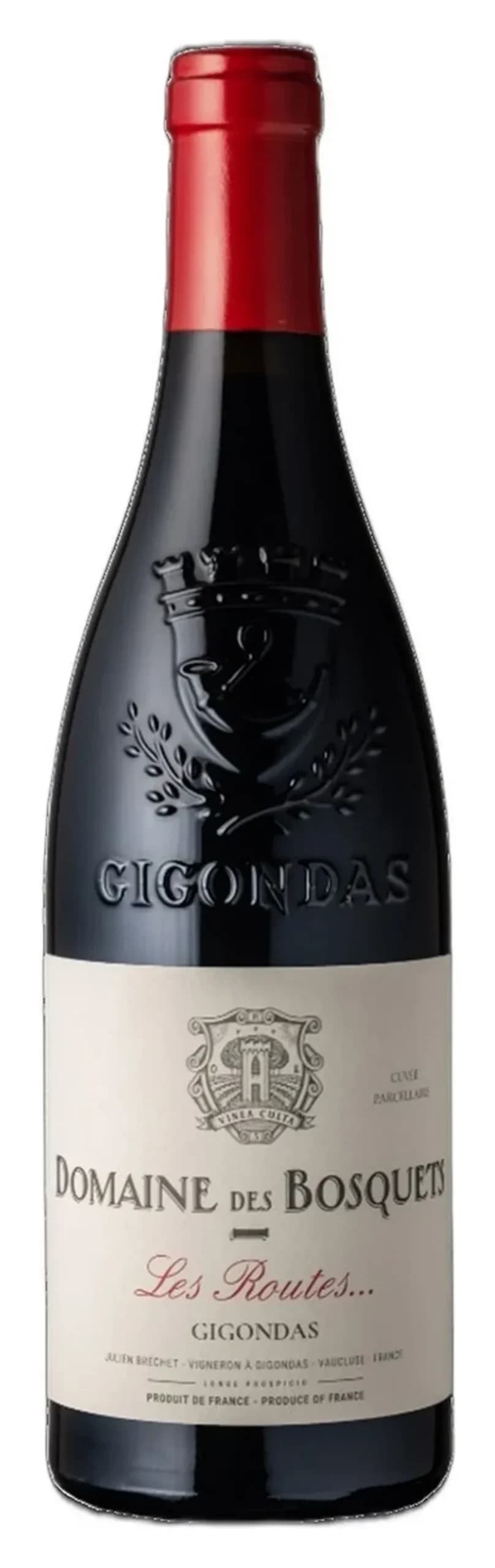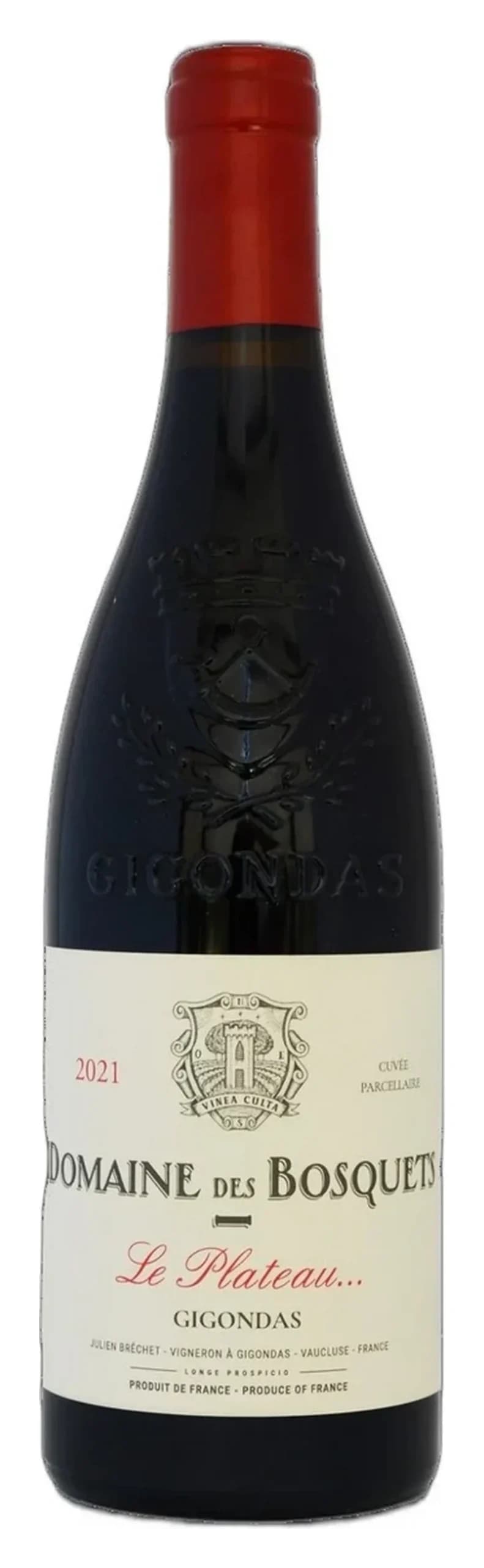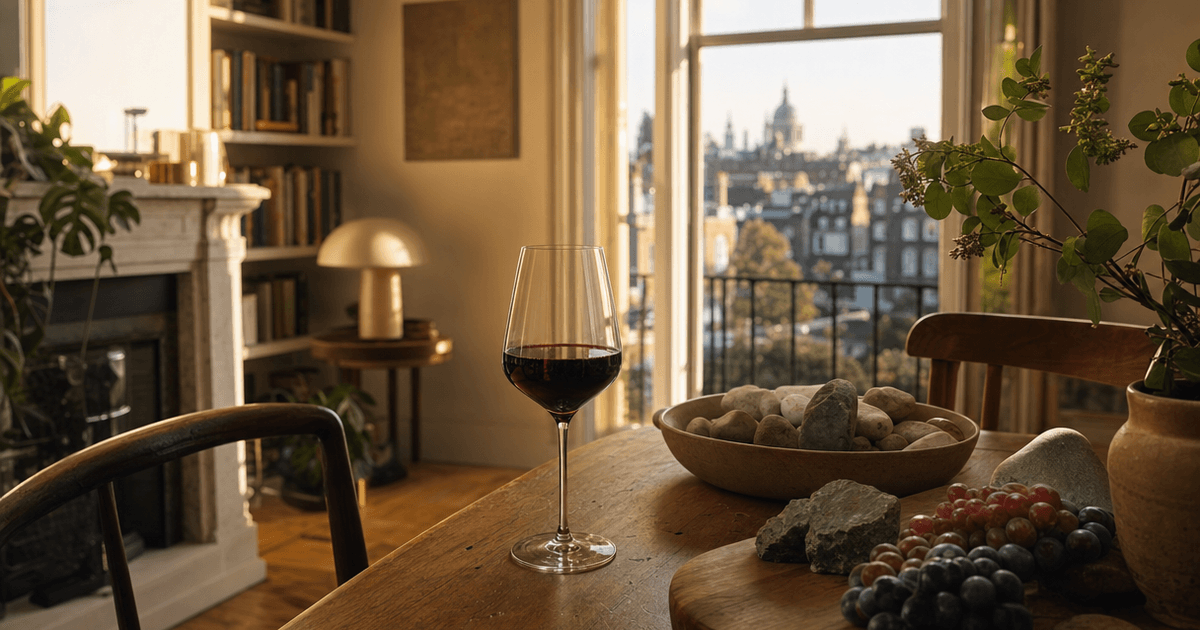
Châteauneuf-du-Pape is one of those names people drop at dinner parties without ever having tasted it — probably the most name-dropped red in France — and one of those wines that, once you have tasted it, you understand exactly why. Its fame rests on three things this piece will unpack: it’s where French wine law itself was born, its vineyards are littered with sun-baked round stones called galets, and its blend can legally draw on as many as eighteen permitted grape varieties. It’s a red (mostly) wine from the southern Rhône, built chiefly on Grenache. By the end of this you’ll know what’s actually in the bottle, why it costs what it costs, and whether it deserves a place in your basket or just in your daydreams about a cellar you don’t have.
What type of wine is Châteauneuf-du-Pape?
Châteauneuf-du-Pape is a red blend built mainly on Grenache, with Syrah, Mourvèdre and a long tail of other varieties allowed alongside it. A tiny amount of white is made too, from Grenache Blanc, Clairette and Roussanne. The AOC rules permit up to eighteen grapes in one bottle — they don’t require it, and most growers lean on a handful rather than the full set.
Grenache didn’t end up here for romantic reasons, either. In the 1920s, growers found they could get twice the price selling Grenache off to “improve” thin Burgundy than for anything else, so they planted more of it. Once appellation rules in the 1930s closed that trade off, all that Grenache had somewhere to go — into Châteauneuf, where it’s stayed dominant ever since.
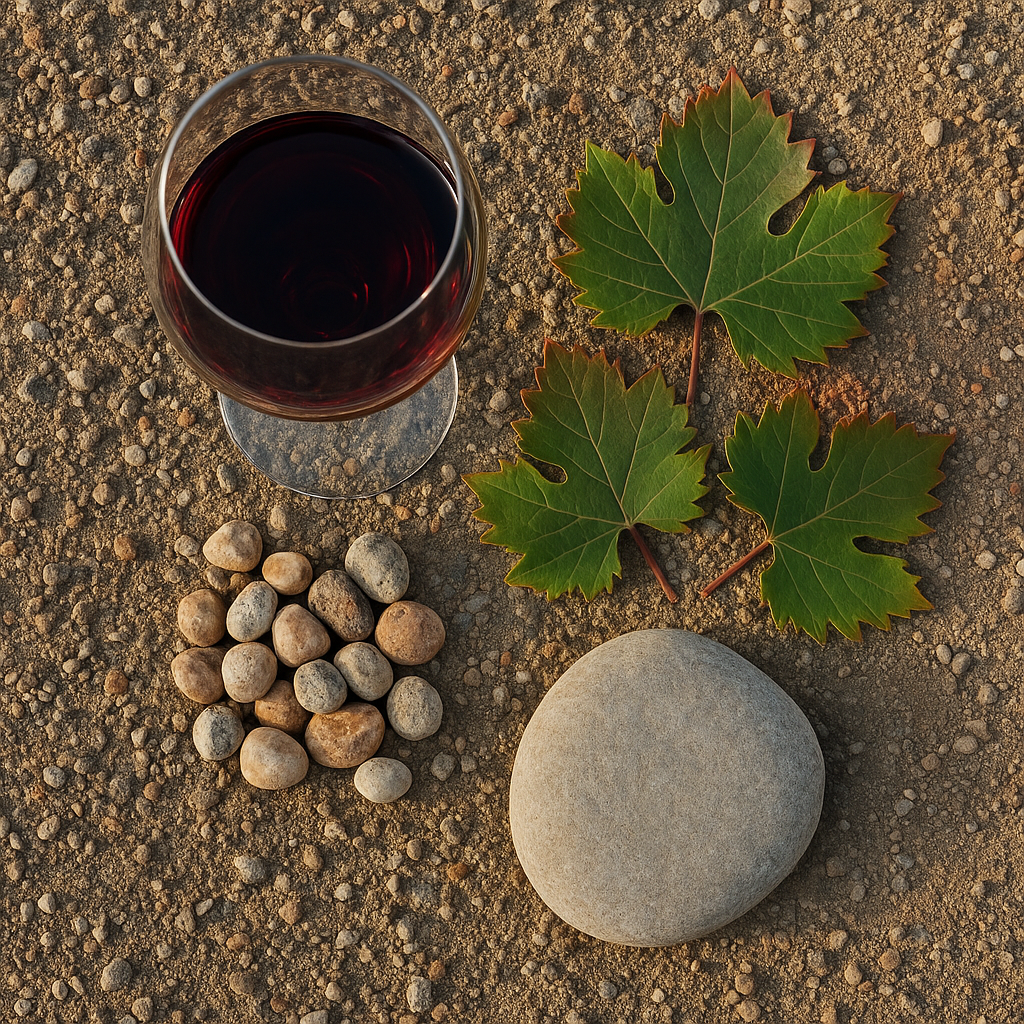
The ground does the rest of the work. South of the village you’ll find red, iron-rich soil under low bush vines pruned hard against the mistral; further east, sandy patches and beds of egg-sized stones that store daytime heat and feed it back to the vines overnight. To the west, it turns chalkier. A grower blending across all of that, rather than bottling one plot alone, is chasing balance rather than simplicity — which is the whole point of a traditional Châteauneuf-du-Pape wine. (If you like the idea of blending across time rather than terroir, it’s worth reading how the solera system does something similar for Sherry.)
Style runs wider than people expect. Some producers still make the thick, jammy, old-school Châteauneuf that built the reputation decades ago; more, these days, are making something fresher and more structured, with real tannic backbone under the fruit. Neither is wrong — it’s a matter of taste, and worth asking about before you buy. Tell your merchant which of the two camps you’re in, and you’ve done most of the choosing already.
Why is Châteauneuf-du-Pape so expensive?
Châteauneuf-du-Pape isn’t cheap because supply is tight and demand keeps climbing — recent trade coverage describes it plainly as a shortage-and-demand story. Add old, low-yielding vines worked by hand on stony ground, plus a growing habit of holding back the best parcels for special cuvées, and the price climbs before the wine even reaches a shelf.
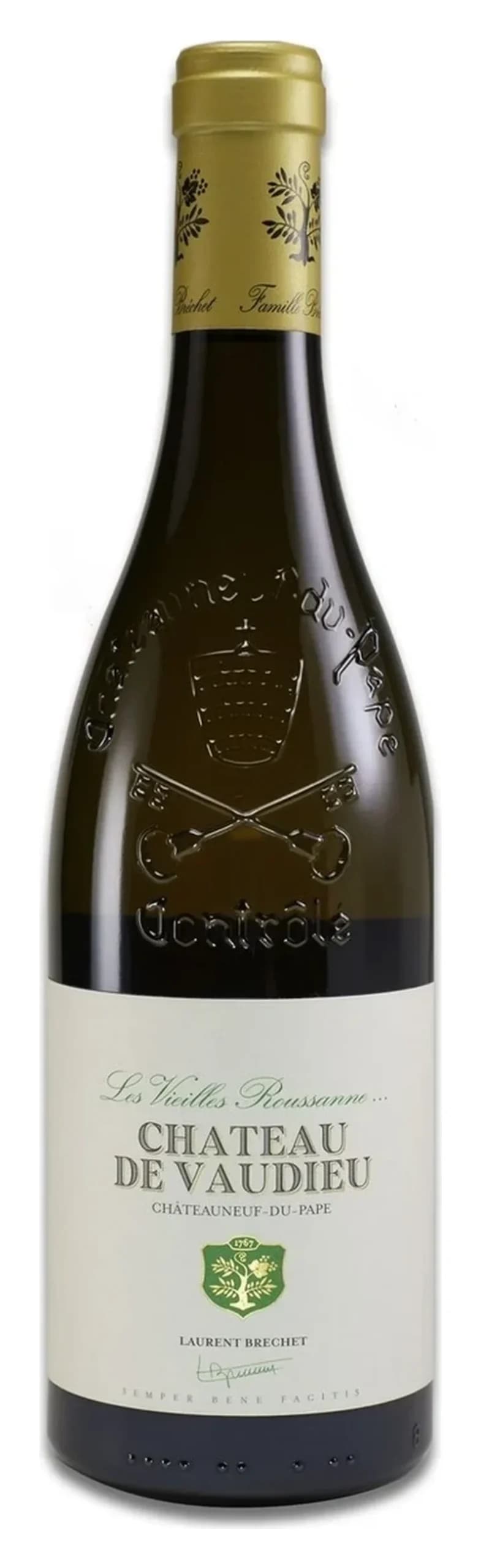
Some of it is pure history — and this is the fact worth quoting at that dinner party: Châteauneuf-du-Pape is where the French appellation system began. In 1923, a local grower drew up rules protecting the name from being borrowed elsewhere — the prototype for the whole French AOC framework, formally approved in 1936. That makes it the first appellation contrôlée region in France, and buyers have paid a premium for the name and story ever since. (The crossed papal keys embossed into some bottles mark wine bottled in the village itself — a small detail, but a telling one.)
Then there’s the modern squeeze. Trade reporting warns that a minority of growers lean on the appellation’s fame rather than the fruit in the glass — which is why the working rule here is blunter than in most regions: in Châteauneuf, buy the producer, not the appellation. Within the region, a growing number of estates now hold back their oldest, lowest-yielding Grenache for special cuvées rather than the standard bottling — trade estimates put these cuvées at around a tenth of total production. More concentration, sometimes new oak, always a higher price.
If the top wines feel out of reach, look sideways rather than down: Côtes du Rhône Villages from the same corner of France plays a role similar to a Bordeaux second wine — same neighbourhood, related grapes, a fraction of the cost. That sideways step is the single best-value move the southern Rhône offers.
Reading the label: traditional bottling or special cuvée?
Once you’re stood in front of the shelf, this is the split that actually matters — more than vintage, almost more than village.
| Traditional bottling | Special cuvée | |
|---|---|---|
| Blend | Assembled across several plots and terroirs | Best old-vine parcels, often near-100% Grenache |
| Ageing vessel | Large old oak foudres | Sometimes new oak barriques |
| Character | Savoury, structured, often fresher | Concentrated, powerful, riper |
| Price | Standard shelf price | Noticeably higher |
Alcohol has crept up over the decades across both styles. Mid-twentieth-century Châteauneuf sat around 12.5–13%; by the century’s end, 13.5% was common; today some bottles push past 15%. One respected taster’s view is that anything over 15% tires the palate well before it reads as heat on the tongue — worth bearing in mind if you’re choosing a bottle for a long dinner rather than a single glass. For a table of six and a slow evening, the traditional bottling is nearly always the wiser buy; save the cuvée for a night when it gets your full attention.
How much does a bottle of Châteauneuf-du-Pape cost?
There’s real choice under £50 — a recent trade tasting built an entire feature around thirty good Châteauneuf-du-Pape wines below that price, proof the appellation isn’t reserved for special occasions alone. Special cuvées, older vintages and the most sought-after names sit above that line, sometimes well above, while the rarest bottles move into serious collector territory.
Not every Châteauneuf-du-Pape winery holds back cuvées in the same way, which is part of why price and style don’t always move together. If you want to try before committing to a full case, a mixed case is the sane way in — you can compare a traditional bottling against a special cuvée, or one grower’s Grenache against another’s blend, without gambling twelve bottles on a single house style. Are mixed cases good value? walks through when that trick pays off and when it doesn’t.
Come December, Châteauneuf earns its keep as a step up from the everyday bottle on the table — the name carries recognition even among guests who don’t follow wine closely, and that’s worth something, even if it shouldn’t be the only reason you buy it.
Is Châteauneuf-du-Pape a good wine?
Yes — by most respected accounts, Châteauneuf-du-Pape produces some of the finest Grenache-based wine anywhere, and arguably the best red the southern Rhône makes at all. That doesn’t make every bottle great: quality varies by producer, and by how much a grower leans on the appellation’s fame rather than the fruit itself — the buy-the-producer rule again, doing its quiet work.
For what it’s worth, I used to push customers toward the biggest, most concentrated bottle on the shelf, assuming bigger meant better. It took a few tastings with my mouth drying out on 15% Grenache to learn to ask a different question instead: what are you drinking it with, and how soon? A young, fruit-forward bottling drinks beautifully within a couple of years of release. A serious, structured one can sit happily in a cellar for a decade or two — but it needs that patience, and not everyone wants to give it.
Worth knowing before you spend real money: even fully mature, high-scoring Châteauneuf-du-Pape tends to trade at prices the trade itself calls respectable rather than headline-grabbing, compared with equivalent Burgundy or Bordeaux. That’s not a knock on the wine — it just means you’re buying it to drink and enjoy, not to flip for profit in ten years. Frankly, that’s the best reason to buy any bottle.
Questions customers ask us
Is Châteauneuf-du-Pape red or white?
Mostly red — that’s what people mean by the name. A small amount of white is made too, chiefly from Grenache Blanc and Clairette, with Roussanne behind the best examples.
What do the crossed keys on the bottle mean?
The crossed papal keys embossed into the glass mark a wine bottled within the village itself, a tradition dating from the appellation’s early days. It’s not a quality guarantee, but it tells you the wine never left the region before bottling.
Is Grenache the only grape used?
No — most Châteauneuf-du-Pape leans heavily on Grenache, but growers are allowed up to eighteen varieties including Syrah, Mourvèdre and Cinsault, and can blend as many or as few as they like.
How does it compare with everyday Côtes du Rhône?
Côtes du Rhône is the broad, everyday category; Châteauneuf-du-Pape is the most qualitative single cru within the wider southern Rhône. Our Rhône and French South guide walks the whole ladder from Côte-Rôtie down to the Med if you want the fuller picture.
The merchant’s last word
I don’t sell Châteauneuf-du-Pape to everyone who walks in wanting “a nice red.” I sell it to the person who wants weight and history in the glass, and is happy to pay a bit more for that. If that’s you, come and have a proper look — browse the Rhône Valley cellar and I’ll point you toward the traditional bottling or the special cuvée, depending on what’s actually going on your table this weekend.