Most advice on Australian wine food pairing starts in the Barossa; this guide starts in your kitchen. Because that’s the question customers actually bring to the counter — not “what do they eat with Shiraz in Australia?” but “what goes with it at my Sunday lunch?” And the honest answer fits in four words: boldness matching boldness. Australia’s flagship is Shiraz — a full-bodied red made from the Syrah grape, though the name Shiraz is used exclusively in Australia (the same grape grown elsewhere stays Syrah) — and it was practically built for the way British kitchens cook on a good weekend: roasts, grills, char, gravy. New Zealand runs the other way, all bright Sauvignon Blanc and cool-climate Pinot Noir made for freshness rather than weight. Between the two of them, the antipodes cover a British table more completely than almost any other pair of countries. By the end of this you’ll know which to reach for with a roast, a barbecue or a plate of good British cheese — and why a twenty-minute fridge trick matters more than what the bottle costs.
What is a good food and wine pairing?
Here’s the rule worth writing down: match weight first, echo flavours second — a wine and a dish should weigh the same on the palate. A big, fruit-forward red needs a dish with equal presence: protein, fat, char. A crisp white wants acidity and freshness on the plate to match its own. Cut richness with acid or tannin. Get the weight right and flavour echoes become the fun part, not the exam.
And if you’re worried about getting it “wrong”, take comfort from the professionals — they can’t agree either. Wine Australia has run head-to-head matching contests in London for years, pitting Masters of Wine against Master Sommeliers over the same British dishes, and the results are rarely unanimous. People who’ve spent a decade training their palates still argue about the right glass for a plate of food, which tells you something genuinely useful: a pairing has a correct shape, but rarely only one correct answer. Weight is the shape. Everything after that is taste.
New World wine in general — and that’s most of what comes out of Australia and New Zealand — tends to suit bolder-flavoured cooking than its European cousins. More fruit, more oak in places, more presence on the palate. Which happens to be how most of us actually cook at home. That’s your starting point, and your permission to stop worrying.
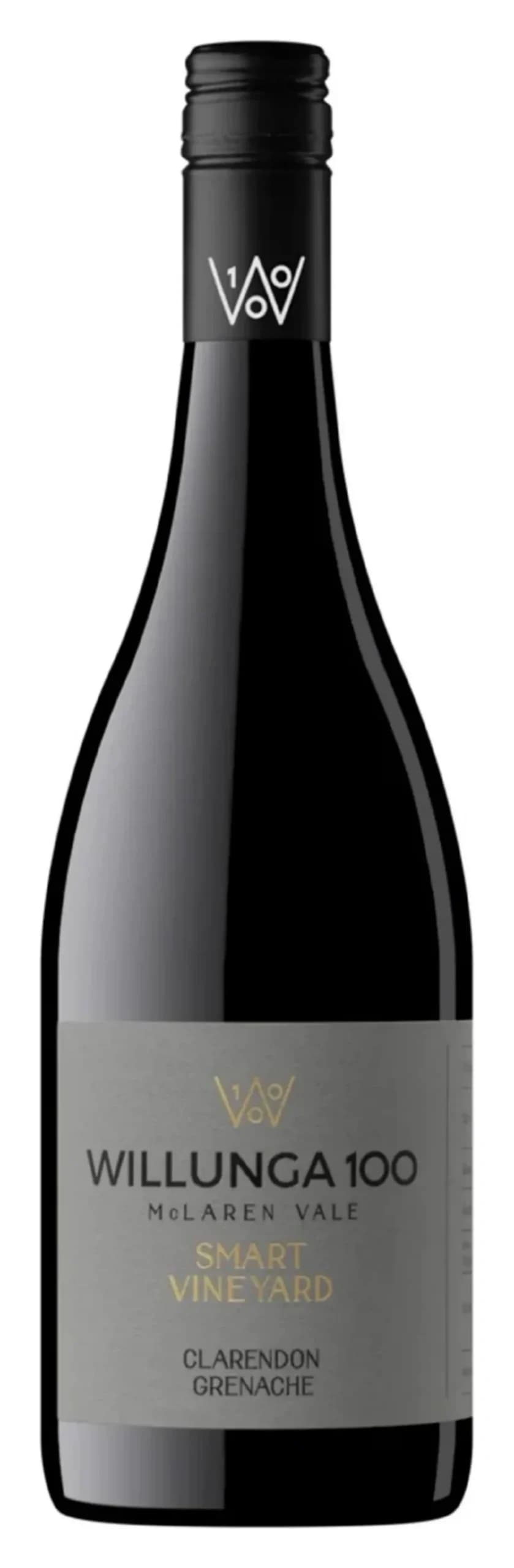
What food pairs well with Australian Shiraz?
Shiraz wants big, forward flavours: roast beef with a peppery crust, burgers straight off the barbecue, bangers with English mustard, a well-charred steak. Its ripe fruit and firm tannin need fat and protein to soften them. Keep it well away from delicate fish or shellfish — the tannin will flatten anything subtle on the plate.
I sold Shiraz wrong for years, if I’m honest — pushed it at anyone who liked “a big red” without asking what was on the table. It’s wasted on a green salad or a piece of poached fish; where it earns its keep is a proper Sunday roast beef, especially one with a good crust of black pepper, or anything off the barbecue wearing real char. Sausages with mustard work a treat too — the mustard’s heat meets the wine’s spice halfway. On the buying side, let the occasion set the budget rather than the other way round: an everyday Australian Shiraz is a perfectly honest burger wine, while a Barossa bottle earns its extra pounds only when there’s a rib of beef on the table to answer it. Spend on the match, not the label. If Sunday lunch is your usual battleground, our piece on which wine for a Sunday roast? Beef, lamb, pork and chicken answered goes further into the beef, lamb and pork question specifically.
One more thing worth knowing: Shiraz and sweet, hot curries don’t get on. High alcohol and firm tannin fight chilli heat rather than calm it — a cooler, softer white does that job better.
And what about New Zealand?
New Zealand plays a different game entirely, and it’s worth knowing where. Sauvignon Blanc — Marlborough is the name to learn — is built for barbecued chicken and fish, and for the simple stuff: a plate of prawns, a squeeze of lemon, nothing fussy. We’ve written a longer piece on Marlborough Sauvignon Blanc: how one valley changed white wine if you want the full story of how that grape found its second home.
Pinot Noir is New Zealand’s other strong suit, and it’s been chosen at trade tastings alongside duck and venison rather than anything heavier — a lighter-bodied red that doesn’t want a peppercorn crust anywhere near it. If duck is on the menu, that’s your bottle sorted.
A quick shelf-side reference, dish by dish:
| British dish | Reach for | Skip |
|---|---|---|
| Sunday roast beef | Australian Shiraz | Delicate whites |
| Barbecued chicken or fish | NZ Sauvignon Blanc | Big tannic reds |
| Roast duck | NZ Pinot Noir | Heavy oaked whites |
| Fish and chips, prawns | Chardonnay or NZ Sauvignon Blanc | Shiraz |
| Blue cheese, chocolate pud | Australian sparkling Shiraz | Light dry whites |
Pin that to the fridge and you’ve covered ninety per cent of what a British kitchen actually produces — which is the whole craft of Australian wine food pairing in one small table.
What is a famous Australian wine?
Shiraz, first and always — Australia’s own name for Syrah, made most famously in the Barossa Valley. Chardonnay and Cabernet Sauvignon follow close behind, and between them those three grapes carry most of Australia’s reputation in the UK. The names worth learning around them are regional: Margaret River, Clare Valley, Eden Valley. Remember them at the shelf, because a regional name on an Australian label is usually the surest sign someone cared where the grapes grew — and it’s the difference between buying a country and buying a place.
But “famous” undersells the two most interesting things Australia makes. The first is sparkling Shiraz, which exists more or less nowhere else and runs from bone dry to properly sweet. It turns up at barbecues and Christmas tables alike, and pairs with things you’d never put near a still red — roast turkey, grilled duck, even chocolate desserts and blue cheese. A genuinely Australian invention, worth one bottle just for the reaction around the table, and my standing answer when someone asks for “something nobody else will bring”.
The second is the “stickies” — Australia’s botrytised dessert wines, built for fruit puddings rather than chocolate, and consistently better than their obscurity suggests. If you want the fuller regional picture, from the convict-era vineyards near Sydney through to today’s export success, our Australia and New Zealand: a merchant’s guide to the wines of the antipodes covers the whole landscape properly.
What is the 20 minute rule for red wine?
It’s counter shorthand, and it’s quotable: reds get twenty minutes in the fridge before pouring; whites get fifteen minutes out of it. Most British living rooms run warmer than any cellar ever did, and a Shiraz served too warm tastes hot and loses its edge. Twenty minutes brings the fruit back into focus without dulling it.
It sounds fussy written down, but it’s a two-minute habit: bottle out of the rack, straight into the fridge door while you finish cooking, out again when the food’s ready. Whites and rosés want the opposite treatment — out early, so the cold isn’t numbing your palate to everything the wine’s doing. Small adjustment, better glass — and it costs nothing, which is more than can be said for most upgrades to a meal. If you take one habit from this whole page, take this one; it improves every bottle you already own.
Questions customers ask us
Does a beef Wellington need a big Australian red? Not really — the classic match is red Bordeaux, red Burgundy, Pinot Noir or Rioja, all lighter-framed than Shiraz. The pastry and delicate fillet get lost under anything too tannic. If Bordeaux’s your instinct but the price isn’t, our guide to second wines: how to drink a great château without the grand vin price is worth a read.
What wine goes with British cheese? Honestly, British cheese has always paired brilliantly with beer and ale — worth remembering before you assume wine’s the only answer. That said, Lancashire suits a Chardonnay or Pinot Noir, and Gloucester leans toward Pinot Noir or Zinfandel if you’re set on wine.
Can I pair Shiraz with a curry? Best avoided with a sweet or hot curry — high alcohol and firm tannin clash with chilli rather than soothe it. A cooler, fruitier, lower-tannin style does the job far better.
What about a seafood platter — peel and eat prawns? Chardonnay, Riesling or New Zealand Sauvignon Blanc all do well here. The acidity and citrus lift cut through the richness of the shellfish without fighting it.
The merchant’s last word
I still think most people overthink this — get the weight right, pick a bottle you’d happily drink on its own, and the rest tends to sort itself out. Shiraz for the roast, Sauvignon Blanc for the barbecue, sparkling Shiraz when you want the table talking — and no guilt about breaking a rule when the two things you love happen to sit well side by side. Next time the menu’s decided before the wine is, browse the Australia cellar with the dish in mind — that’s the order a good pairing actually happens in, and I’m happy to do the matching half with you.