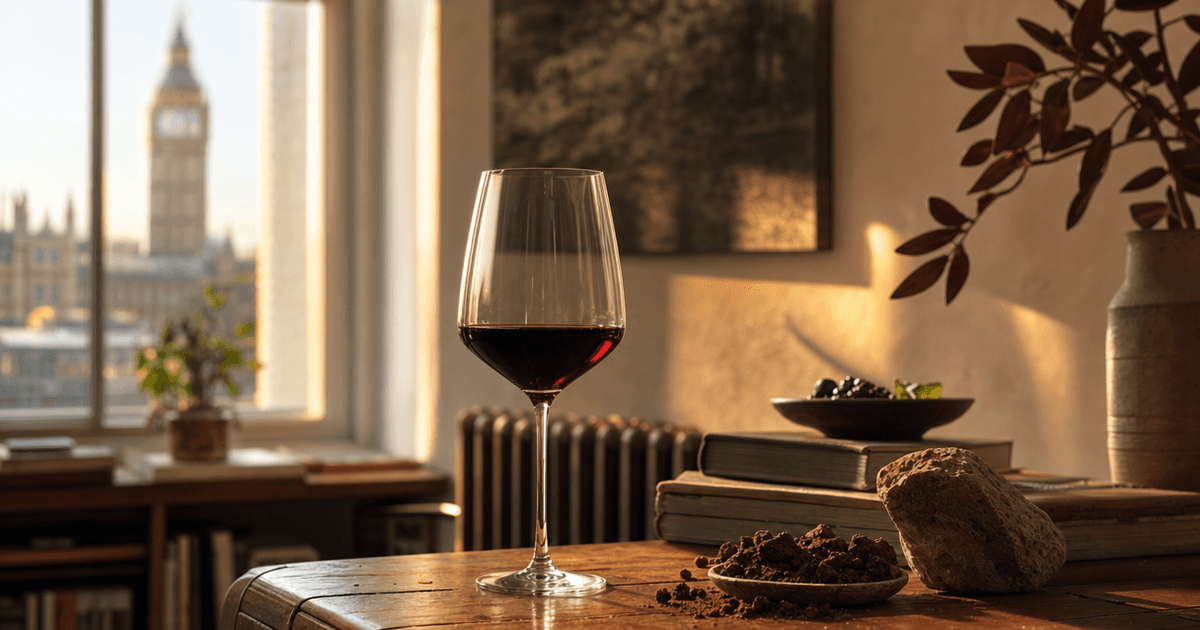
Coonawarra Cabernet Sauvignon is the wine that made a strip of red dirt in the middle of South Australia famous, and it’s worth asking why. Coonawarra is a cool, flat wine region on South Australia’s Limestone Coast, known almost entirely for Cabernet Sauvignon grown on a narrow band of red topsoil called terra rossa. By the end of this you’ll know what that soil actually does for the wine, what a good bottle should taste like, and how to choose one with some confidence rather than just trusting the shelf-talker. Start with the name — it tells you more than you’d think.
What does Coonawarra mean in English?
Coonawarra means “honeysuckle” in the language of the Bindjali First Nations people, whose country this land is part of. It’s a gentle, sweet-smelling name for a region that makes some pretty serious wine — dense, tannic Cabernet Sauvignon that can take a decade to soften up.
The gap between the name and the wine isn’t the only irony here. Vines went in during the 1880s, and then the region spent the best part of fifty years mostly distilling brandy. In the 1930s the government actually paid growers to pull vines out and put dairy cattle in instead — a vine-pull scheme, of all things. A handful of stubborn producers made proper wine through the 1930s and 40s regardless. Real interest didn’t come back until the 1950s.
John Riddoch, the land owner and politician who first planted here, built a substantial winery in the late 1880s to match his ambitions for the district. It later fell out of use for decades — nearly turned into a shed for livestock — before new owners revived it in the 1950s and started the long climb back to quality. Good soil, it turns out, waits for people to catch up with it.
The terra rossa strip: what the soil actually does
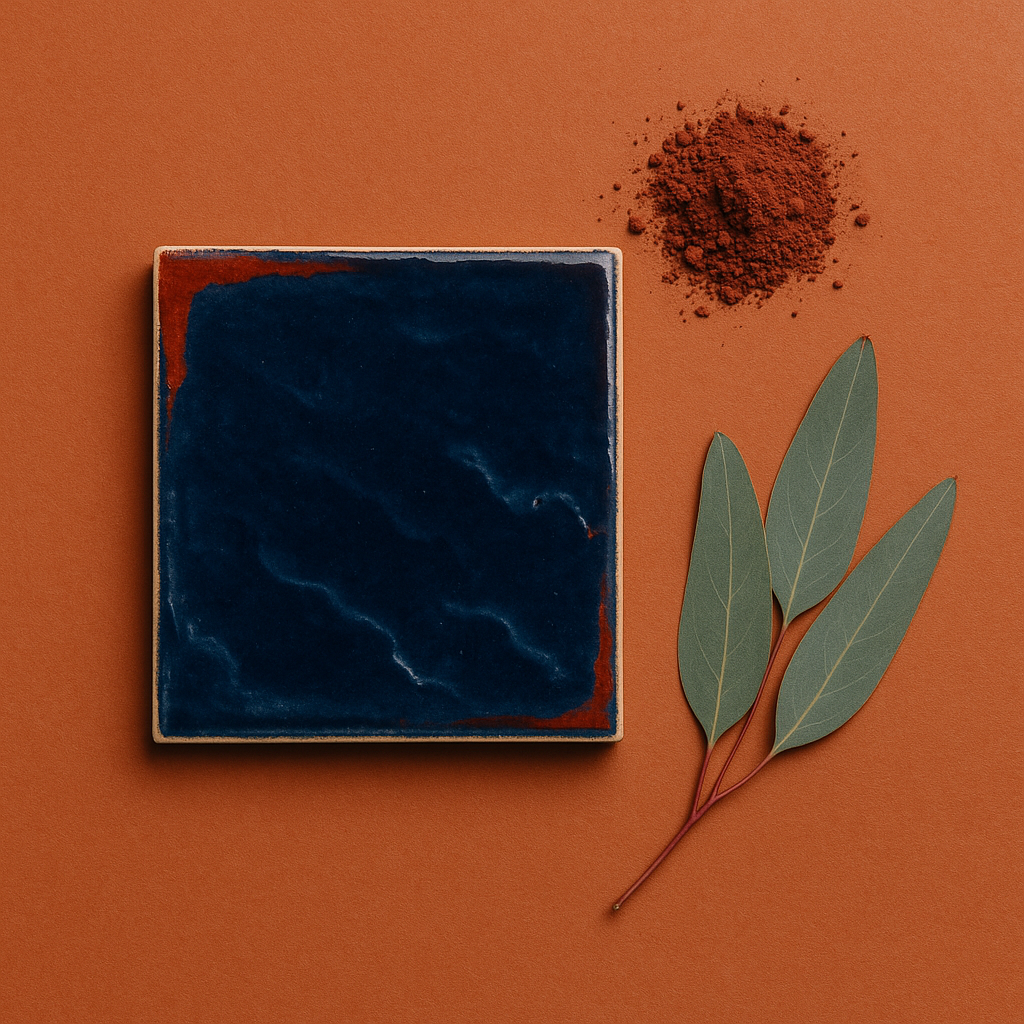
Terra rossa is a thin layer of rust-red, iron-oxide topsoil sitting over free-draining limestone, with a water table close enough underneath for vine roots to reach in a dry spell. Trade estimates of the strip’s size vary a little — somewhere around 20 to 27 kilometres long, a kilometre or two wide — but everyone agrees it’s cigar-shaped, and everyone agrees it’s narrow.
Here’s the bit that surprises people: the colour itself doesn’t feed the vine anything special. It’s the iron oxide that makes it eye-catching, but that’s cosmetic. What actually matters is what’s underneath — the limestone’s drainage, and the water table’s depth. A vine on terra rossa isn’t sitting wet, and it isn’t dying of thirst either. That’s the whole trick.
Limestone isn’t automatically a blessing, either. High pH in purer limestone can cause nutritional headaches, restrict root growth, and most rootstocks used to fight phylloxera don’t much like growing in it. Coonawarra’s version happens to sit at a sweet spot — not too pure, not too shallow. Move the same soil into a hot climate like the south of France or South Australia’s Riverland and it stops looking special at all.
Climate does the rest of the work terra rossa gets credit for. Coonawarra sits about 100 kilometres inland, but the land is so flat that cool afternoon breezes off the Southern Ocean reach all the way in, helped along by an upwelling of the Bonney Current during ripening. Add persistent cloud cover and cool nights, and you get a long, slow ripening season not far off Bordeaux’s rhythm — Coonawarra Cabernet is typically picked in the second half of April, which in Bordeaux terms is late October.
| Coonawarra | Bordeaux | |
|---|---|---|
| Climate | Mediterranean, cool, cloud cover | Mediterranean, cool |
| Growing season rainfall | Lower | Higher |
| Cabernet picking | Second half of April | Second half of October |
| Key soil | Terra rossa over limestone | Gravel over clay/limestone |
Coonawarra’s neighbour Wrattonbully has terra rossa too, but the land there rolls gently instead of lying flat, and the wines show it — a touch more lift, a different rhythm. So no, soil isn’t destiny on its own. It’s one leg of a three-legged stool, with climate and topography holding up the other two. If you want the fuller regional picture, our Australia and New Zealand: a merchant’s guide to the wines of the antipodes walks through how the other states compare.
Is Coonawarra wine good?
Yes — Coonawarra is one of Australia’s classic red wine regions, mentioned in the same breath as Margaret River and the Barossa, and its best Cabernet Sauvignon ages gracefully for decades. It’s a cool-climate style: firm tannin, real structure, and none of the jammy softness some people wrongly assume all Australian red delivers.
Expect medium to full body, medium alcohol, and firm, grippy tannins wrapped around cassis and plum fruit, with a streak of mint and eucalyptus that’s become the region’s signature (people either love it or find it odd — I’ve sold both reactions across the same counter in one afternoon). Oak maturation adds a spice note without hiding the fruit.
Shiraz has a long history here too, usually lighter-bodied than its Barossa cousin, blackberry-fruited with the same herbal, minty edge, and it’s often blended into Cabernet-Shiraz — a genuinely old Australian tradition, not a marketing invention. There’s an ongoing argument in the trade over whether Cabernet Sauvignon is better on its own or softened with a splash of Merlot, Cabernet Franc or Petit Verdot; both camps make excellent wine, so I wouldn’t pick a side too firmly.
Some in the trade call it the little giant of Australian Cabernet — modest in size, outsized in reputation. Recent vintages have also had winemakers noting that warmer seasons are, if anything, helping consistency: tannins ripening alongside the fruit rather than lagging behind, where a couple of decades ago a cool year could leave things green and hard.
What is the best Coonawarra Cabernet Sauvignon?
There isn’t one “best” — styles range from soft, early-drinking blends to firm, single-vineyard Cabernet built for the cellar, and trade tastings have found genuinely excellent Coonawarra Cabernet Sauvignon for well under £30. What suits you depends on whether you want to drink it this Friday or in ten years’ time.
A few things worth checking before you buy:
- Blend or varietal — 100% Cabernet Sauvignon on the label means firmer, more linear tannin; a blend with Merlot or Cabernet Franc usually means something rounder, ready sooner.
- Vintage — recent trade coverage has singled out 2021 and 2022 as strong, long-ripening years worth seeking out.
- Ambition of the wine — entry-level Coonawarra Cabernet is built to drink within a few years; flagship, single-vineyard bottlings are the ones worth losing in the back of a cupboard for a decade.
- Cabernet-Shiraz blends — if straight Cabernet’s tannin feels like too much of a commitment, this blend gives you the same regional character with a softer landing.
If long-term ageing interests you generally, not just in red wine, we’ve written separately about does Champagne improve with age? Cellaring bubbles the right way — the logic of patience applies differently to different wines, and it’s worth understanding before you commit a case to the cellar.
Where can I buy Coonawarra Cabernet Sauvignon?
Buy it from a merchant who lists Coonawarra as its own region rather than burying it under a generic “Australian red” heading — that’s usually the first sign someone’s actually chosen the wine rather than just stocked a container. Ask what vintage you’re getting and whether it’s varietal or blended; a good shop should know without checking the box.
Once you’ve got a bottle home: give a young one an hour in a decanter, and don’t serve it fridge-cold — cellar temperature, or a good twenty minutes out of the fridge if that’s where it’s been sitting. It’s a proper food wine, built for a Tuesday night lamb chop or a Sunday roast with something at the table strong enough to meet that tannin — a mature cheddar does the job too.
Questions customers ask us
Does Coonawarra make anything besides Cabernet? Yes — some lovely medium-weight Chardonnay, and Shiraz that’s often unfairly overshadowed by the Cabernet. There’s also a small, longstanding tradition of Riesling and Sauvignon Blanc, though quantities are modest.
Why does Coonawarra Cabernet often taste minty? It’s a genuine regional trait, likely tied to the cool climate and the eucalyptus growing nearby, and it turns up as a herbal, sometimes menthol note alongside the blackcurrant. Some drinkers love it; others find it more than they bargained for.
Is Coonawarra similar to any other wine region I might know? Its climate is often compared to Bordeaux — similar coolness, similar structure-first Cabernet, though Coonawarra is warmer and drier during the growing season. If you already like Left Bank Bordeaux, Coonawarra is a fair place to look next; our piece on Left Bank vs Right Bank: the only Bordeaux divide that matters is useful background either way.
Does soil character show up the same way everywhere? No — volcanic soils, like Sicily’s Etna, produce a completely different signature to limestone-based terra rossa. If you’re curious how site expresses itself elsewhere, what does Etna Rosso taste like? Sicily’s volcano wine, explained is a good contrast to read alongside this one.
The merchant’s last word
I used to tell people the red soil was the whole story — it’s a good story, and it photographs well. It took me a while to realise the soil’s just one part of it; the cool nights and that odd inland sea breeze do just as much work. Either way, the wine in the glass is the proof, and it’s a proper one. Come and browse the Australia cellar and I’ll talk you through a bottle or two.