Ageing champagne is a question I get asked in the shop more than almost anything else, usually by someone holding a bottle their aunt gave them in 2015 and wondering if it’s now a museum piece or a mistake. The idea that unlocks the whole question: every champagne runs on two clocks, and only one of them is yours. The first ticks in the producer’s cellar, on the yeast, long before you ever see the bottle; the second starts at disgorgement, and it’s the only one your cupboard-under-the-stairs can influence. By the end of this you’ll know which clock your bottle is running on, roughly how long it can go, and how to store it so the years actually help rather than just pass.
Are you supposed to age Champagne?
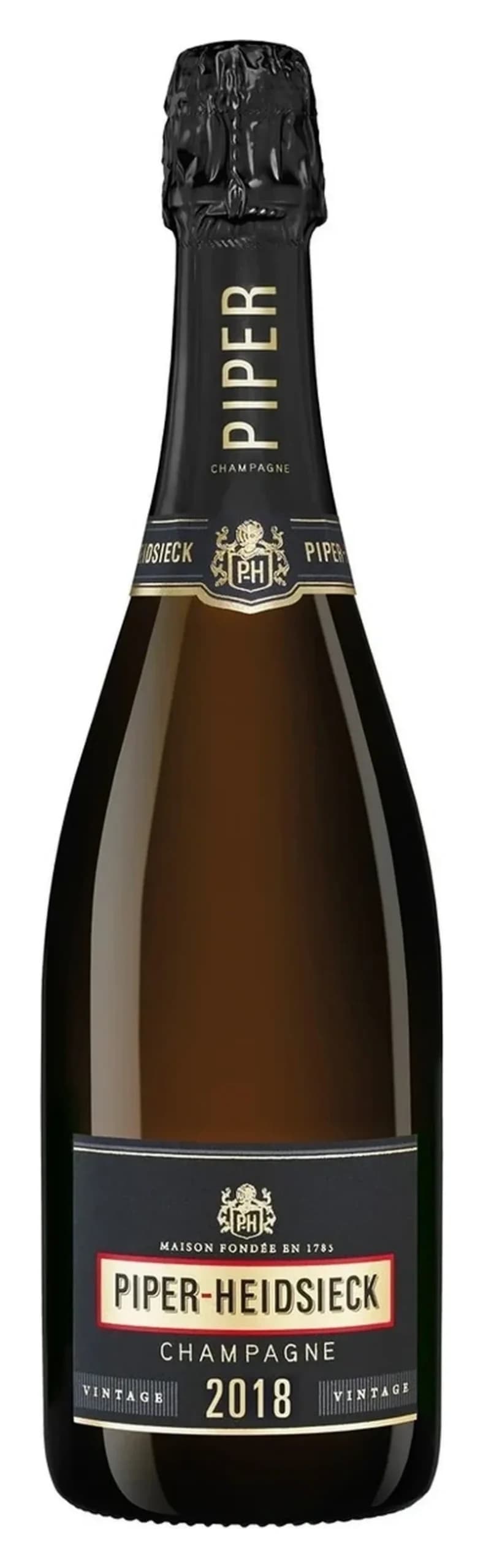
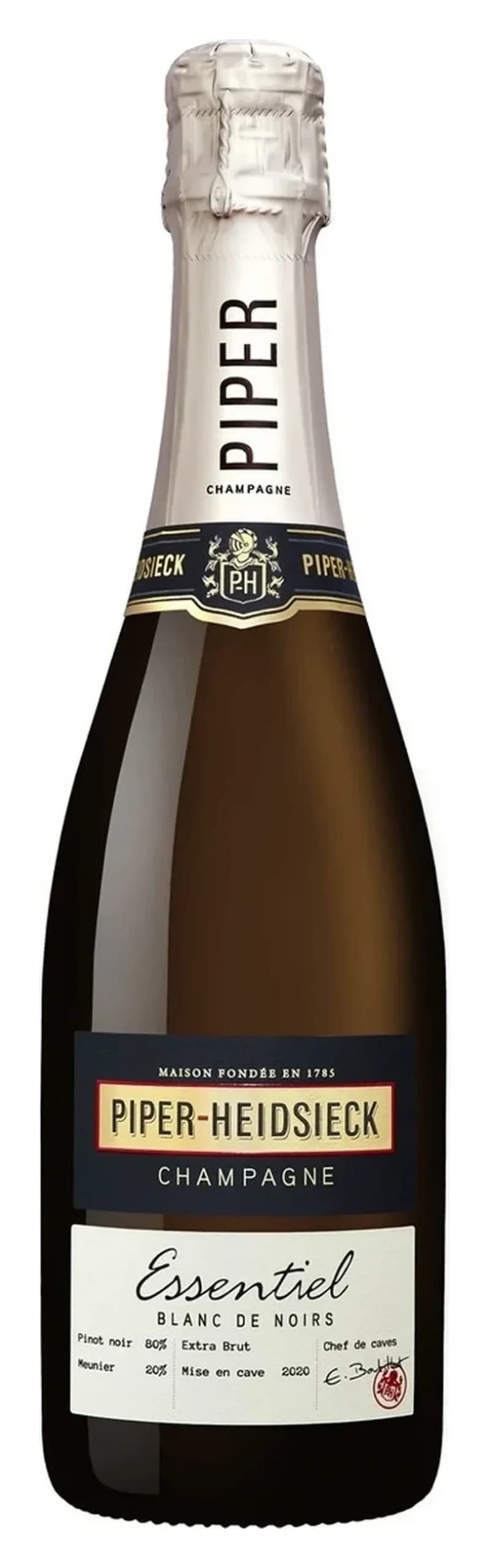
Some of it, yes — most of it, no. Entry-level non-vintage champagne is blended to taste complete on the shelf; open it this year, don’t fret about next. Vintage champagne, and especially prestige cuvées, are a different animal, made from a single strong year with the structure to develop for a decade or more.
Those two clocks are worth unpacking properly. The first is lees ageing — the time a wine spends resting on the spent yeast cells before disgorgement, which by law is a minimum of 12 months for non-vintage and 3 years for vintage champagne, though most serious producers go well beyond that, often two to five years. This is where the biscuit and brioche character comes from, a slow enzymatic process called autolysis.
The second clock starts only once the wine leaves the yeast behind: post-disgorgement ageing. Houses will often tell you their wines are ready the day they’re released, and they’re not wrong exactly — but trade opinion increasingly holds that a well-made champagne keeps building depth and harmony in bottle for years after disgorgement too. That’s the ageing champagne genuinely rewards, and it’s a separate decision from buying it in the first place.
Can you age Champagne 20 years?
Yes, for the right bottle. Vintage champagne from a strong year, particularly from chalky sites around the Côte des Blancs — Avize, Le Mesnil-sur-Oger, that stretch — has the acidity and mineral backbone to go the distance. Recent trade coverage puts outstanding vintages at 10, 15, even 20 years comfortably, and exceptional years stretching to half a century for the very best prestige cuvées.
A few things tip the odds in your favour. Reserve wines help enormously — many large houses hold blending stock going back years, even decades, folded into non-vintage and vintage blends alike to add backbone and consistency. And format matters more than people think: bottle size affects how slowly a wine matures, which is why serious collectors and some producers favour magnums specifically for long-term cellaring, and why a handful of houses still ferment directly in larger formats for their top cuvées.
What doesn’t help is assuming price alone guarantees ageing potential. A lovely, well-reviewed new grower producer’s wine might be delicious precisely because it’s not built to wait — plenty of trade figures who taste widely across grower champagne will tell you some of the best new releases are made to be drunk now, not shelved.
Can you drink Champagne that is 10 years old?
Absolutely — for most vintage champagne, ten years old is often just the beginning of the interesting part, not the end of the road. This is the window where lees-derived brioche notes settle into something rounder, and where low-dosage or grower styles in particular start to show real personality.
One thing worth knowing: the age on the label dates the first clock, not the second. A bottle disgorged five years ago and sitting on a shelf since is at a different stage to one disgorged last month, even if the vintage year is identical. If you can find the disgorgement date (some producers print it, some don’t), that tells you more than the vintage alone.
Certain low-dosage and zero-dosage styles, kept only briefly on their lees before release, are made specifically to develop this way — trade sources on grower champagne note they can taste youthful and fresh even ten to fifteen years after the vintage, which runs against the instinct that less sugar means less staying power. It’s the opposite, in fact — less sugar just means the Maillard, biscuity notes build more slowly and quietly.
Does Champagne go off after 25 years?
Not automatically, but the odds start working against you. The older a sparkling wine gets while still on its lees, the less gracefully it tends to handle the shock of oxygen at disgorgement — which is part of why some late-disgorged wines are deliberately released to be drunk soon rather than held further.
Storage does most of the damage long before the wine’s natural limit arrives. Heat, light and being stood upright for years (which lets corks dry out) will finish off a 25-year-old bottle faster than time itself ever would. Worth knowing, too: champagne generally ages far better than most other sparkling wine — crémant, for instance, tends to have higher pH and more phenolic content, and trade opinion is that a 26-year-old crémant is likely to be past interesting and into merely historical.
So the honest answer at 25 years: it depends entirely on what the bottle is and how it’s lived, not the number itself.
How to store it so the years actually help
| Style | Typical ageing window |
|---|---|
| Entry-level non-vintage | 1–3 years, drink soon after buying |
| Vintage, classic house style | 8–15 years |
| Prestige cuvée, strong vintage | 15–30+ years, sometimes half a century |
| Low-dosage / grower, minimal lees time | 10–15 years, often tastes youthful throughout |
| Late-disgorged (RD-style) | Drink soon after release |
A few practical rules that matter more than people expect — all of them really about protecting that second clock:
- Lie bottles down for anything you’re keeping longer than a month or two — it keeps the cork from drying out.
- Keep them properly dark. Light does real damage, especially to clear glass.
- Aim for a cool, steady temperature — spikes above 25°C are the real killer, not mild seasonal drift.
- If you’re serious about the long game, magnums age more slowly and more gracefully than standard bottles.
- Never the fridge for long-term storage — it’s too dry and the door light doesn’t help either. Once opened, though, a stopper and a couple of days in the fridge is genuinely fine, and some younger champagnes even show better on day two.
If you want the fuller picture on how vintage and non-vintage differ before you even get to the cellar question, that’s covered in our guide on vintage vs non-vintage Champagne.
Questions customers ask us
Does crémant age as well as Champagne? Generally no — crémant tends to run higher in pH and phenolic content, which shortens its useful life compared with champagne’s typically leaner, more age-friendly chemistry.
Should I keep Champagne in the fridge long-term? No — it’s too dry an environment and dries out corks over years, letting air in. Fine for a few days once opened, not for cellaring.
Is older Champagne always better Champagne? Not at all. Plenty of respected producers deliberately make wines to be drunk young and fresh — age is only an advantage when the wine was built for it.
Can non-vintage Champagne improve with a bit of extra time? Some can, gaining a touch more roundness over a year or two, but most non-vintage is blended precisely so it doesn’t need to wait.
For the wider context on styles, houses and how to choose in the first place, our pillar guide to Champagne is worth a read, and if you’re curious whether other classic regions behave the same way in a cellar, see does Rhône wine age well. Fans of Bordeaux weighing up value might also enjoy our piece on second wines.
The merchant’s last word
I’ve sold champagne people held onto too long out of hope, and champagne people drank too soon out of impatience — I’ve done both myself, more than once. The honest trick is knowing which bottle — and which clock — you’ve actually got before you decide to wait. If you’re not sure, bring it in or ask us first — otherwise, come and browse the champagne cellar and we’ll help you pick one built for exactly what you want from it.