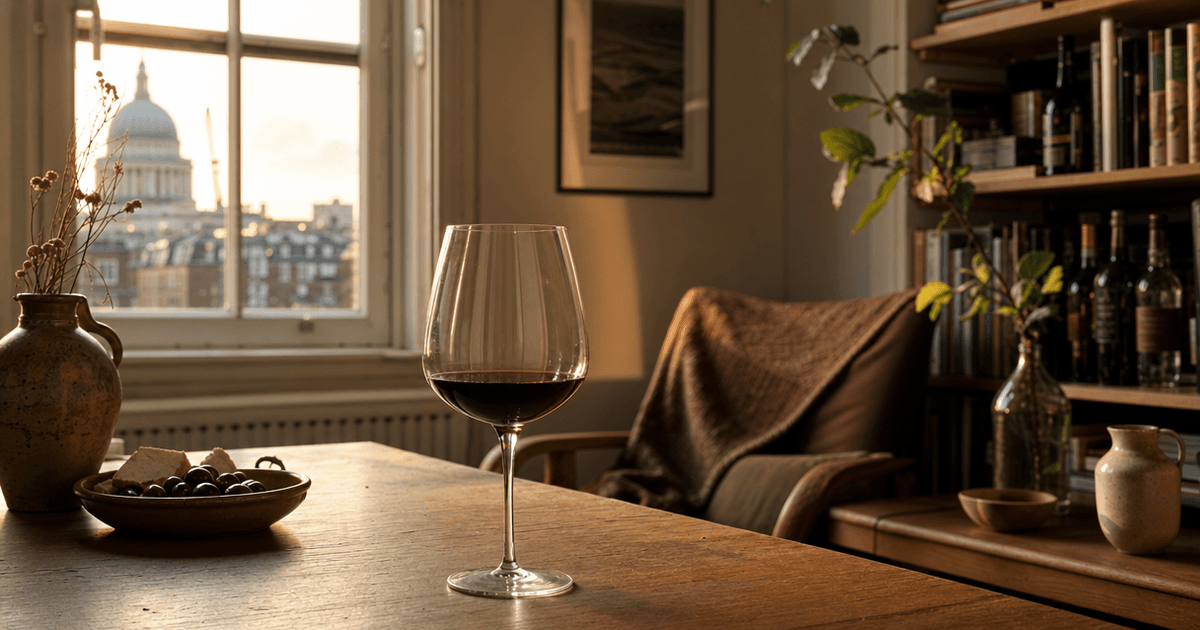
Rioja wine is red, white or rosé from the Rioja DOCa in northern Spain, built mostly on Tempranillo and matured, more often than not, as a blend rather than a single-vineyard wine — the name most people reach for first when they think about Spain. Jerez — sherry country — is usually the one they forget: its wine is fortified, made around Jerez de la Frontera in Andalucía and aged in a solera, a system where young and old wine deliberately mix. This piece is one long comparison with a simple promise: by the end you’ll know what each region actually tastes like, and whether each one earns a place on your itinerary as well as your table. Here’s the line that holds the whole thing together — in Rioja, time is printed on the label; in Jerez, time is blended into the wine. For the fuller lay of the land, there’s Rioja and beyond: Spain for people who love flavour.
Is Jerez in Spain worth visiting?
Yes. Trade opinion has genuinely warmed on Jerez in the last decade — outside money moving in, and a sharper focus on the soil underneath the vines. It’s a working town, not a theme park, and that’s part of the appeal.
The soil under Jerez is called albariza — pale, chalky, and mapped into named plots (pagos) that producers are only now getting properly serious about. Some tastings now put wines alongside samples of the different pago soils they came from, which tells you how far the conversation has moved from “sherry is just an aperitif.” The last thirty-odd years saw plenty of that chalky land dug up for wheat instead of vines; the current interest is partly about winning it back.
The bodegas themselves are worth the visit alone: thick walls, high ceilings and floors of wettable earth, all there to keep temperature and humidity steady without machinery. Inside, look out for Pedro Ximénez and Moscatel — both range from cheap and cheerful to genuinely outstanding, and both also turn up as blending components in sweeter styles of sherry.
Verdict for your table before you ever book a flight: start with a chilled fino — half-bottles are the smart buy, because fino wants drinking fresh, more like milk than like wine — and Jerez will make its own case from your kitchen.
Is Jerez the same as sherry?
Not quite, and it’s a fair question because the label doesn’t make it obvious. Since the mid-1990s, EU rules have restricted the word “Sherry” to wine made within the Jerez DOP itself. Outside that, though, the word still gets used loosely for other traditional fortified wines from Andalucía — Montilla-Moriles, Málaga, Condado de Huelva — which are close cousins, not the real thing.
The zoning is stricter than it looks. A wine grown near Lébrija, for instance, can sit inside the Jerez growing area but outside the specific ageing zone, meaning it legally can’t be labelled manzanilla — even if it’s made in exactly that image. Geography, not just grape or method, decides what a bottle is allowed to say.
Sherry’s engine is the solera: a fractional-blending system where the oldest wine sits in a set of butts called the solera itself, topped up over time from younger butts called criaderas, each one holding wine of a single relative age. Most sherry, as a result, carries no vintage at all — it’s a moving average, not a single year’s photograph. That’s the “time blended into the wine” half of this article’s one-line rule. Further south and inland, in Valdepeñas and Montilla-Moriles, some producers still ferment in tinajas — huge clay amphorae, a fading but real link to older ways of making wine. For the specifics of how sea air changes one sherry style into another, Manzanilla vs Fino: what the sea does to Sherry goes further than I can here.
If the solera has caught your imagination, an amontillado is the bottle that shows it off best — one glass carries decades in it, and it keeps for weeks once open.
What is a Rioja wine comparable to?
The nearest comparison is Ribera del Duero, further south. Same grape — Tempranillo, though locals there call it Tinto Fino — but different soil, altitude and climate, and winemakers who’ve swapped regions have learned the hard way that it isn’t a straight transplant. Rioja also gets held up against Burgundy, mostly by people arguing it shouldn’t be.
That Burgundy comparison is worth unpacking. Bierzo, over in Castilla y León, has built a classification close to Burgundy’s own — village wine, then cru, then grand cru, single vineyard at the top. It’s been proposed for Rioja too, and mostly rejected: Rioja’s tradition is blending across vineyards and even sub-zones, with Rioja Alta producers historically buying Garnacha grown as far away as Tudelilla in Rioja Baja. A single-vineyard pyramid doesn’t fit a region built on that kind of mixing.
Inside the region itself there isn’t one house style. Producers split roughly into three camps: traditionalists chasing the long-aged, vanilla-scented reds that first made Rioja’s name in the 1970s; modernists making darker, riper wines with less age, a response to Ribera del Duero’s rise in the 1990s; and a newer, quieter group focused on site rather than oak, releasing wines earlier for freshness — often built around 100% Garnacha. Gran Reserva rules (minimum two years in barrique, three more in bottle) apply to all of them, which is exactly why two Gran Reservas can taste completely different and still be legal. This is the “time printed on the label” half of the rule: Crianza, Reserva, Gran Reserva — the word tells you the years.
One odd historical footnote: some traditional white Riojas were fortified with a splash of manzanilla sherry to give them backbone, a practice regulators later restricted as oak ageing became the norm instead. Sherry and Rioja have been quietly leaning on each other longer than most people assume. For how one grape ends up wearing so many regional disguises, Tempranillo: one grape, many names is the deeper read.
Buying steer: make Crianza your midweek habit and Reserva your someone’s-coming-round bottle — you’ll learn the region’s range faster than any tasting course could teach it.
Is the Rioja region worth visiting?
Yes — and it rewards more than a single afternoon. Three sub-zones give three different characters: cooler, more Atlantic Rioja Alta and Rioja Alavesa, and warmer, drier Rioja Oriental further east. Haro’s old wine quarter, the Barrio de la Estación, and the town’s own wine festival give the place a lived-in feel most wine regions lack.
Rioja Alta’s vineyards cluster around Cenicero and San Vicente; Alavesa’s around Lanciego, Elciego and Laguardia. Many of these plots are old — thirty to fifty years is common, some over a century — and often small and terraced rather than flat and mechanised. Underground cellars called calados, some cut into the hillside a hundred years ago or more, still age wine in the traditional way, cool and dark year-round without any need for refrigeration.
Rioja Oriental is Garnacha country, and when yields are kept low and the wine spends time in oak, it can produce something concentrated and built to last, not the light pink-tinged wine some people still picture. There’s history here too: the region once grew Palomino — sherry’s own grape — making its own oxidative Amontillado and Oloroso styles before Tempranillo took over as its calling card. Two regions, one grape, more overlap than the postcode suggests.
Verdict: go for the calados and the festival, but you can taste the sub-zones from home first — an Alta bottle and an Oriental Garnacha side by side is the region’s geography in two glasses.
At the table: sherry or Rioja, and how to pour it
Neither of these is a drink-it-and-move-on style. A copa of fino or manzanilla, chilled hard, belongs before a meal or right alongside olives and jamón. A glass of young Rioja Crianza sits happily through a whole plate of grilled something. Major Spanish trade tastings now put both regions on neighbouring stands, which tells you the drinking public has already stopped treating them as separate worlds.
| Style | Built from | Pour as | Good with |
|---|---|---|---|
| Fino / Manzanilla | Palomino, fino flor ageing | Chilled, small copa | Olives, almonds, seafood |
| Amontillado / Oloroso | Palomino, oxidative ageing | Small glass, cool not cold | Cured meats, mushrooms, cheese |
| Rioja white (Viura-led) | Viura, some oak or none | Chilled | Fish, rice dishes |
| Rioja Crianza / Reserva | Tempranillo-led blend | Room temperature | Roasted meats, stews |
| Rioja Gran Reserva | Tempranillo-led, long-aged | Room temperature, decant if old | Slow-cooked lamb, aged cheese |
If you want the fuller pairing logic rather than a table, Spanish wine with tapas: pairing the Spanish way walks through it dish by dish. And if you only borrow one habit from Spain, borrow the sequence: sherry before the food lands, Rioja once it does.
Questions customers ask us
What does a single-vineyard name on a Rioja label mean? It marks a bottling from one specific plot rather than a blend across the region — a trend that’s grown as producers move away from the old house-blend model toward site-specific wines. Worth trying if you want to taste what one particular hillside does, rather than a house style.
What does DOCa mean on a Rioja bottle? It’s the top tier of Spain’s appellation system — Rioja is one of only two regions to hold it. It signals stricter rules than the standard DO level, though it doesn’t guarantee any particular style.
Is white Rioja a real thing, or a novelty? It’s real, and it’s had a strange history — some producers used to bolster it with a touch of fortified sherry for structure before oak-ageing became the norm. Modern versions are usually Viura-led and either crisp and unoaked or richer and barrel-aged.
Can I order sherry by the copa in a bar? Yes — a copa is simply the standard small glass sherry is served in, and it’s the normal way to drink it, whether fino before dinner or something sweeter after.
The merchant’s last word
I spent years treating sherry as the thing you politely ignored on the way to the reds, and Rioja as the “safe” Spanish choice everyone already knew. Both were lazy calls. Give Jerez’s fino the chill it wants, and a good Rioja the years it’s earned, and you’ll see why both have kept trade people arguing — happily — for decades. Time on the label, or time in the blend: try one of each this week and pick your side. Go on, browse the spain cellar.



