Everything else in the Port family is sold on time — decades in barrel, declared vintages, bottles you’re told to lay down and be patient about. A white port and tonic is the family’s cheerful exception: the one Port built for the next half hour rather than the next decade, which is exactly why it’s the drink you’ll find on nearly every terrace in Porto come six o’clock, poured long over ice while the sun’s still doing something to the river. White port is a fortified wine made from white Douro grapes — Viosinho, Malvasia Fina, Códega, Rabigato and others — fortified with a grape spirit called aguardente to somewhere between 18% and 20% abv. Mixed with tonic it becomes a long, low-fuss aperitif, lighter than most people expect and a good deal less alcoholic than the gin and tonic it’s often compared to. By the end of this you’ll know which style of white port to buy, what ratio actually works, and how to build one properly rather than just chucking tonic at whatever bottle’s in the fridge door.
Choosing your white port
Not every white port is built for this half-hour job. Some are bone dry, some are sweet enough to sit happily next to a pudding, and the label doesn’t always tell you the whole truth — most white ports carry a fair bit of residual sugar even when they’re marked “dry” or “extra dry” on the front.
There are two broad camps. Younger, fresher white ports are kept in steel, fermented cool, and come out pale lemon with stone fruit and floral lift — these are your Portonic wines. Older ones pick up a slight oxidative, nutty character from time in wood; lovely on their own with a twist of lemon, but they can get lost under tonic rather than lifted by it. Then there’s lagrima, a very sweet, syrupy style made mostly for the Portuguese domestic market — gorgeous as a sipper, wrong for this job entirely. At the drier end sits leve seco, a lighter style fortified to only 16.5–17% abv rather than the usual strength, which makes for a particularly easy-drinking Portonic if you can find one.
If you want the fuller picture on how these fit alongside tawny, ruby and colheita styles, our pillar guide to Port, Sherry and Madeira walks through the whole family.
What is a white port and tonic called?
Ask for it in Porto and you’ll hear “Portonic” or “Porto Tónico” — both refer to exactly the same drink, and both are now the official term, registered by the Port and Douro Wines Institute in 2021 after years of everyday bar use and one producer’s persistent campaigning to get it recognised properly.
It’s not a new idea dressed up in a new name, either. English merchants in Porto have poured white port as an aperitif for well over a century, traditionally on its own with a twist of lemon peel and a bowl of salted almonds — Port and lemon was a fixture of English pubs for decades before rosé port started nibbling at that market more recently. The tonic version is really that same instinct, updated: a lower-alcohol, longer drink built for a hot afternoon rather than a dark pub in winter. Several Port houses have since put ready-mixed versions in cans, which is a fair shortcut if you fancy one without the fuss of mixing.
What do you mix with white port?
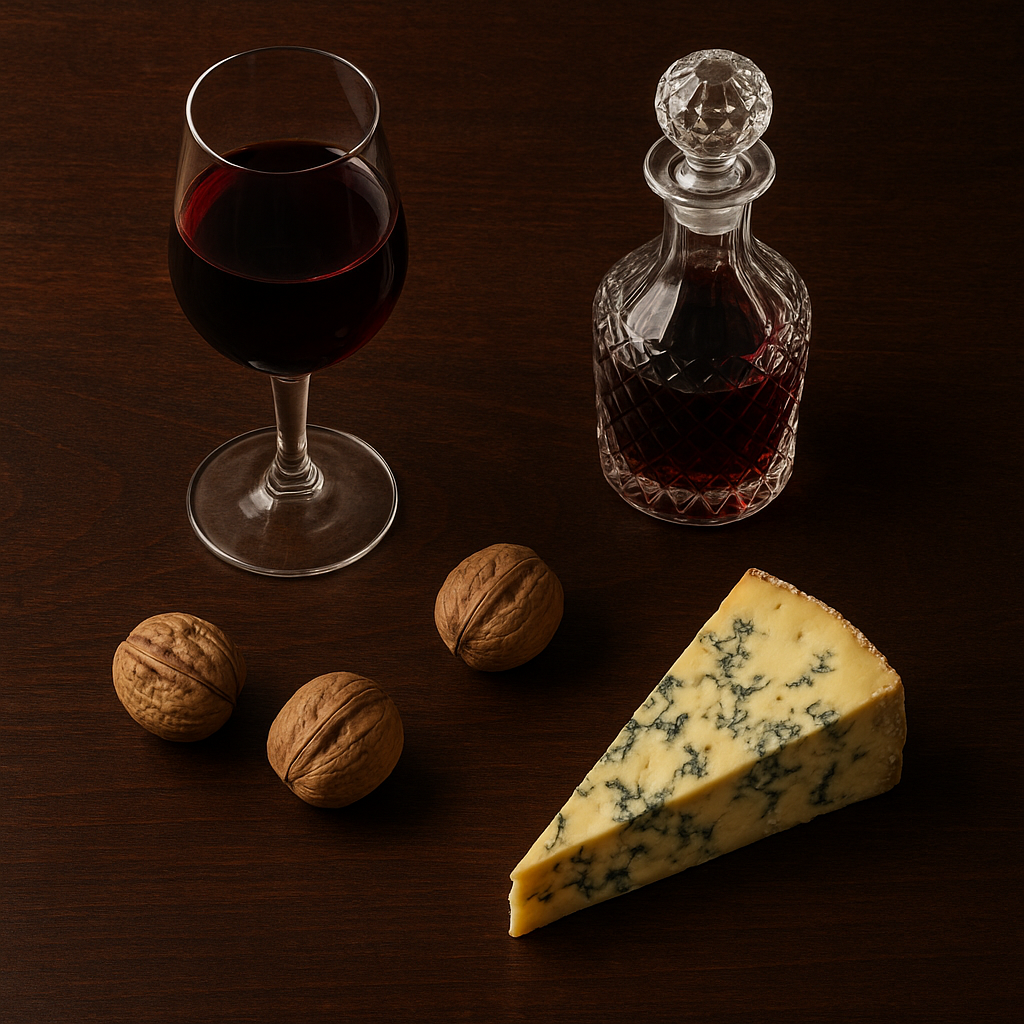
Tonic water is the standard answer, but it isn’t the only one, and it isn’t even the traditional one. The oldest serve is no mixer at all — just white port chilled hard from the fridge, a twist of lemon peel to sharpen it up, and salted almonds on the side. That’s still how it’s poured at plenty of long Douro lunches.
Once you do reach for a mixer, tonic is doing a specific job: it stretches the wine, adds bitterness and bubbles, and turns something you’d sip in a small glass into something you can nurse for half an hour. Some Douro bars finish the tonic version with a mint leaf rather than lemon, which brightens the nose without adding sweetness. On a proper scorcher, plenty of locals will tell you a cold local lager does the thirst-quenching job better than either — worth remembering if tonic isn’t to hand.
What is the ratio of white port to tonic?
The trade-standard white port and tonic recipe is one part port to two parts tonic — 50ml of white port topped with 100ml of a decent tonic water, built over ice. Get the ratio wrong and it either tastes like neat tonic or like cough syrup, so it’s worth measuring the first couple of times rather than eyeballing it.
Here’s the build, in order:
- Fill a highball glass (or a big wine glass, which works just as well) generously with ice.
- Pour in 50ml of white port.
- Top with 100ml of a good-quality tonic water.
- Stir gently — a couple of turns, not a cocktail shake.
- Garnish with a slice of orange or lemon, or a lemon twist if you’d rather keep it drier.
Serve it properly chilled — white port wants an hour or two in the fridge, no more, since over-chilling flattens the aromatics rather than sharpening them. If you’d like the fuller detail on temperature and timing for Port generally, our guide to serving Port covers it well beyond just this one drink.
What is the Portuguese version of Aperol Spritz?
The honest answer is the Portonic. Both drinks do the same job at the same time of day — long, low-commitment, orange-hued, served over ice before dinner rather than after it — but a white port and tonic cocktail comes in noticeably lighter. White port sits around 20% abv before you’ve even added the tonic, against gin’s 40%, which is part of why the trade has leaned into it as the gentler option for people who still want the ritual of an aperitif.
The numbers back the comparison up. Trade reporting has tracked UK sales of white port rising sharply over the past decade, and recent industry figures put white port at around a fifth of total Port production — a real shift for a category that was, not so long ago, treated as an afterthought next to red. It’s also worth knowing white port isn’t the only bone-dry, chilled aperitif Iberia does well; if you want to see how Sherry plays the same game from the other side of the border, our piece on Manzanilla and Fino is a useful companion read.
Questions customers ask us
Can I use tawny port instead of white? You can, and it works, but it changes the drink completely — tawny brings caramel and dried fruit rather than citrus and stone fruit, so it reads more autumnal than refreshing. Rosé port is actually the better swap if you want a summer alternative with a bit more colour in the glass.
How long will an opened bottle keep? Once opened, white port is best drunk within around two weeks if kept in the fridge — it won’t turn undrinkable overnight, but the fresh lift that makes it good for this drink does fade.
Is white port always sweet? No — it ranges from very sweet lagrima right through to leve seco and extra dry styles, and the label alone won’t always tell you which camp you’re in. Worth asking before you buy if a proper dry Portonic is what you’re after.
Do I need an expensive bottle for this? Not really — this is a mixed drink, not a sipping wine, so a solid, honestly made basic white port will serve you well here. Save the aged, oak-influenced bottlings for drinking neat with almonds, where the extra character actually shows.
The merchant’s last word
I sold white port as an afterthought for years, tucked behind the ruby and tawny like it was there to make up the numbers. It isn’t. Get the ratio right, chill it properly, and it’s one of the easiest, most honest aperitifs I know — lighter than a G&T, more interesting than most spritzes, and proof the Port family can do right-now as well as someday. Come and browse the fortified wine cellar and I’ll point you to a bottle that’s built for exactly this.