Sherry Manzanilla is the only wine I can think of that would legally stop being itself if you moved the barrel twenty kilometres up the road. Matured in the seaside town of Sanlúcar de Barrameda, it’s the palest, saltiest style in the whole Jerez family — and it gets confused with Fino constantly, reasonably enough, since they’re made the same way from the same grape. The difference is the Atlantic, and that’s the real subject of this piece: what sea air does to a wine. By the end of it you’ll know what actually separates the two, how to pick a good bottle of manzanilla sherry over a watery, forgettable one, and how to serve it so it tastes the way it’s meant to — not like flat white wine that’s had a fright.
What is a Manzanilla Sherry?
Manzanilla is a Fino-style sherry that, by law, can only be matured in one place: Sanlúcar de Barrameda, right where the Guadalquivir meets the Atlantic. It’s biologically aged under a living layer of yeast called flor, fortified to around 15% abv, pale as straw and bone dry. The sea air is what makes it Manzanilla rather than plain Fino — everything else about the winemaking is near-identical.
That’s the short version. The longer one starts with the bodega itself. Walk into one in Sanlúcar and the windows are angled to catch the cool, damp south-westerly wind straight off the water, with thin blinds to soften the light and keep the dust out. The floors are often bare earth, and in summer they’re hosed down to keep the humidity up. It’s a building designed almost entirely around keeping a yeast happy — which sounds mad until you taste what that yeast does.
Flor needs oxygen, gentle warmth (16–20°C) and humidity above 65% to thrive, and Sanlúcar’s climate hands it that nearly year-round, whereas bodegas further inland see the flor thin out in the depths of summer and winter. You’d think a thicker, steadier layer of flor would mean a heavier wine — more of that bready, nutty note flor gives off. Oddly, it’s often the opposite. The yeast strains found in Sanlúcar tend to throw off less acetaldehyde than those inland, so Manzanilla usually ends up lighter and fresher than Fino, not more intense. One of those quirks of the trade that took me a while to get my head around.
Is Manzanilla the same as sherry?
Yes — Manzanilla is sherry, full stop. It’s made from the same Palomino grape, under the same Jerez-Xérès-Sherry rules, matured in the same solera system of stacked barrels. What makes it a category of its own is geography: because it’s matured specifically in Sanlúcar de Barrameda, it also carries its own separate designation, DO Manzanilla-Sanlúcar de Barrameda, even though the production rules underneath are shared with the wider Jerez DO.
Sherry country runs on what’s sometimes called the Sherry Triangle — three towns, Jerez de la Frontera, El Puerto de Santa María and Sanlúcar de Barrameda, and only wine matured inside that triangle earns the name at all. Sanlúcar sits right on the coast, and the difference shows up on the thermometer: summer temperatures there can run around 10°C cooler than twenty kilometres inland in Jerez. Move a butt of wine from one town to the other mid-maturation and, by rule and by tradition, it stops being Manzanilla. Geography isn’t a footnote here — it’s the whole point.
If you want the fuller picture of how sherry sits alongside its fortified cousins, Port and Madeira, I’ve laid that out in Port, Sherry, Madeira: the wines time forgot (your gain). And if you’ve ever wondered how a region built entirely for sherry ended up next door to Rioja’s world, that’s one for Sherry country vs Rioja: two Spains in one cellar.
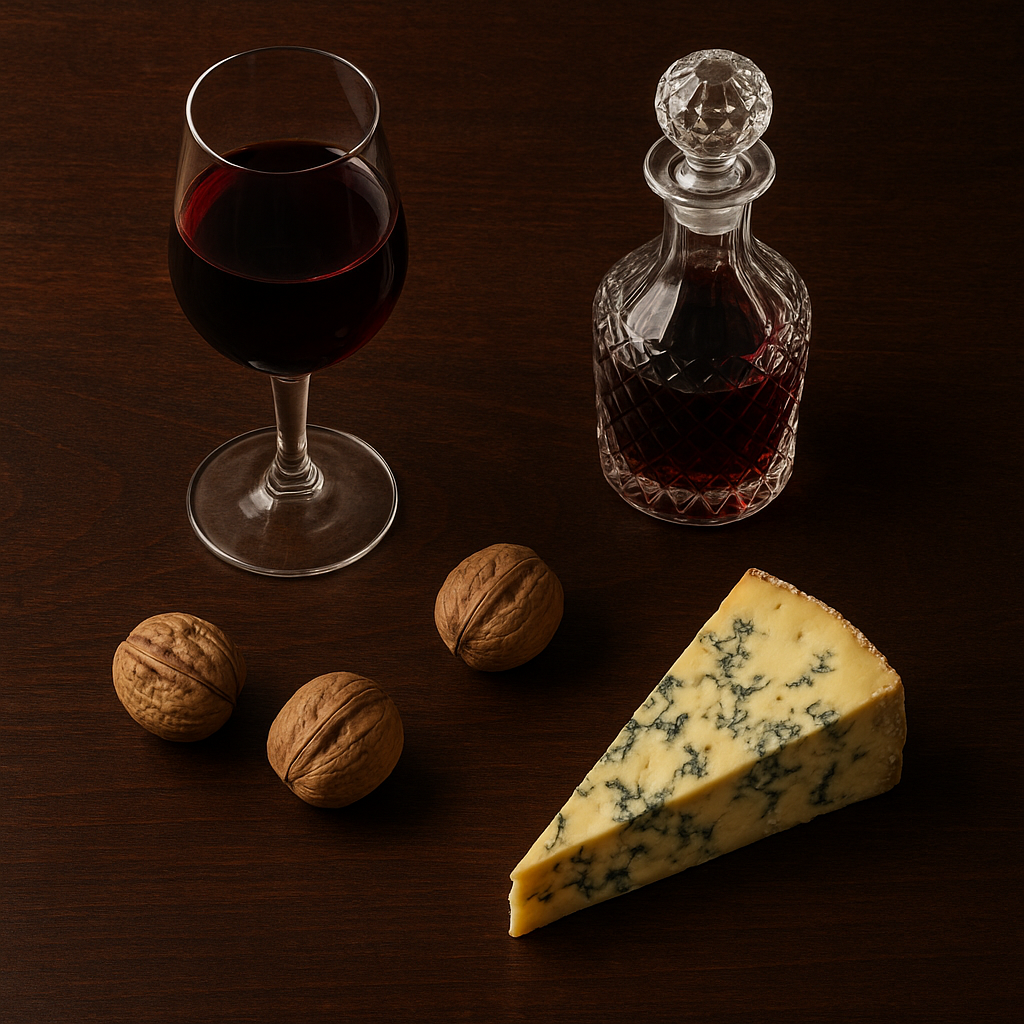
Manzanilla vs Fino, side by side
Put a glass of each in front of you blind and even seasoned tasters struggle — the differences are real but subtle, more a matter of degree than of category.
| Fino | Manzanilla | |
|---|---|---|
| Matured in | Jerez de la Frontera, El Puerto de Santa María | Sanlúcar de Barrameda only |
| Climate | Hotter summers, flor thins seasonally | Cooler, humid, flor stays thick most of the year |
| Typical ABV | Up to 15.5% | Around 15% |
| Acidity | Lower | Slightly higher |
| Character | Rounder, broader, gently savoury | Brighter, saltier, a green-apple edge |
| Ages further into | Amontillado | Manzanilla Pasada |
The acidity row is worth sitting with. Sanlúcar’s coastal vineyards simply don’t get as much sun as those inland, so the grapes come in less ripe, and that shows up as a fresher, tauter wine in the glass. It’s not winemaking trickery — it’s just where the vines happen to grow. Once again, the coastline is doing the winemaking.
How to drink manzanilla sherry?
Serve it cold — properly cold, fridge-cold, not just cellar-cool — and use a decent-sized wine glass rather than the tiny schooners it’s traditionally poured into in Spain; you want room to actually smell it. Drink the bottle within a week or two of opening, because Manzanilla doesn’t improve with age once it’s in the bottle — the opposite happens, and it fades fast. Pour it before dinner, or right through a meal, with olives, almonds, or something fried and salty.
That freshness point matters more than people think. Because Manzanilla solera systems need topping up so often to keep the flor fed, bodegas draw off and bottle smaller volumes more frequently through the year — partly for the yeast’s sake, partly so the wine reaches you closer to how it tasted straight from the barrel, rather than having sat in a warehouse for months. Some bottlings lean into that directly: look for the term “en rama” on a label, meaning the wine has had barely any filtering before bottling. It tastes more intense, a touch rawer, and usually costs a notch more — worth trying at least once, just to see what Manzanilla tastes like before it’s been tidied up for export.
For food, it’s built for salt: manchego, jamón, tinned fish straight from the tin, a plate of olives with the stones still in. I’ve made a longer case for pairing dry sherry properly with dinner, not just as a pre-dinner sip, over in Dry Sherry with dinner: Fino as a food wine.
Choosing a good bottle: what “best” means for Manzanilla
I can’t point you to one bottle and call it the best manzanilla sherry on the market — soleras vary house to house, and “vintage” isn’t really the right word for how sherry works. What I can tell you is what to look for: pale lemon colour (not water-white), a proper saline tang, a whisper of bread dough or almond from the flor, and a finish that’s bone dry with no sweetness creeping in anywhere.
Trade opinion has grumbled for a while about a drift towards over-filtered, watered-down Manzanilla — pleasant, inoffensive, forgettable, aimed at drinkers nervous of anything with real character. Steer away from anything that tastes thin and colourless. If a Manzanilla is left a little longer and allowed to develop past the standard style, it can become Manzanilla Pasada — the flor is allowed to die back naturally, the wine picks up nutty depth, and it sits somewhere between a young Manzanilla and an Amontillado. It’s a similar idea to a second wine from a big Bordeaux estate: you’re not paying for the top wine, but you’re getting a proper taste of where that style is heading, at a gentler price. I’ve written more about that logic in Second wines: how to drink a great château without the grand vin price.
Questions customers ask us
Does Manzanilla get better with age in the bottle?
No — quite the opposite. Fino and Manzanilla are made to be drunk fresh; once bottled they don’t improve, so buy only what you’ll get through in the next few weeks.
Why does Manzanilla taste salty?
Nobody’s added salt to it — it’s a character long associated with Sanlúcar’s coastal air and the flor that thrives in it, and trade tasters have described it that way for a couple of centuries.
Is Manzanilla stronger than table wine?
It’s fortified, so yes, it sits higher than a standard table wine at around 15% abv — though that’s actually lower than many other sherry styles, like Oloroso.
The merchant’s last word
I sold Manzanilla for years as “just a lighter Fino” and undersold it badly — it’s its own thing, shaped by a stretch of Atlantic coastline and not much else. Get a bottle properly cold, drink it within the fortnight, and put some olives out. That’s really all there is to it. Come and browse the fortified wine cellar and I’ll point you toward a good one.