Colheita port asks you to read two dates on one label — the year the grapes were picked, and the year the wine finally went into bottle — and the space between those two numbers is the entire style. Colheita is a tawny port from one single harvest in the Douro Valley, aged for years in cask: not a blend, one year, told slowly through wood. Learn to read that pair of dates and you’ll know what makes a colheita different from the tawny sat next to it on the shelf, different again from a vintage port, and — the bit that actually matters at the till — whether the extra money buys you something real or just a story.
What is a colheita port?
A colheita is a tawny port made entirely from a single year’s grapes, aged in small oak or chestnut casks for a legal minimum of seven years, though in practice many sit far longer — decades, in some cellars along the Douro and in the port lodges of Vila Nova de Gaia. The label has to carry two dates: the harvest year and the year it was bottled, both set by Portugal’s port and Douro wine authority, the IVDP. That second date matters more than people think.
Here’s the bit I got wrong for a good while when I started out: I assumed a colheita was just an old vintage port. It isn’t. Vintage port goes into bottle young and does its ageing there, shut away from air. A colheita does the opposite — it ages in wood, in contact with a little oxygen the whole time, which is exactly what turns a port tawny: pale rim, dried fruit, walnut, that slightly caramelised edge. Cellar masters top the cask up periodically with the same wine as evaporation takes its share, which keeps the wine alive rather than shrinking into itself.
You’ll sometimes see “Single Harvest” on a label instead of “colheita” — same wine, same rules, just an English rendering of the Portuguese word for harvest, used alongside the traditional term. And it isn’t only port: colheita madeira exists too, though the ageing minimum there is shorter (five years, not seven) and the wine sits closer to an early-bottled vintage than to a dated tawny. Different island, same word for harvest.
What is the difference between tawny and colheita port?
Every colheita is tawny in style, but not every tawny is a colheita. A standard aged tawny — the 10, 20, 30, 40 Year Old bottles you’ll know — is blended from many different vintages to hit a consistent house character every single year. A colheita skips the blending. It’s the tawny treatment applied to one year’s wine only, and the label tells you exactly which year that was.
This is the trade-off in a nutshell: blended tawny gives you reliability, a consistent style built the same way whether it’s this release or the last. A colheita gives you a fingerprint — the specific weather, the specific picking window of one autumn in the Douro — but without the safety net of blending to smooth over a cask that hasn’t aged as gracefully as its neighbours. A colheita labelled with a single year tells you something a 20 Year Old blend never can: exactly what that one harvest tasted like, decades on. That’s the appeal, and it’s also the risk.
| Colheita | Vintage Port | Aged Tawny (10/20/30/40 Yr) | |
|---|---|---|---|
| Source | Single harvest | Single harvest | Blend of many years |
| Ageing | 7+ years in cask, often decades | ~2 years in cask, then bottle | Blended to match a house age style |
| Character | Oxidative, nutty, one year’s identity | Reductive, tannic, fruit-forward | Oxidative, consistent house style |
| Label shows | Harvest year + bottling year | Vintage year only | Age indication, no vintage |
| Ready to drink? | Yes, at release | Needs years or decades more | Yes, at release |
What is the difference between vintage and Colheita?
Vintage port and colheita share one thing only: both come from a single year’s grapes. After that they part company entirely. Vintage port spends roughly two years in cask, gets bottled young, and then does the bulk of its maturing shut away from air in the bottle — which is why it throws sediment, needs decanting, and rewards patience measured in decades. Colheita does its ageing the other way round: in wood, with air, for years before it ever sees a bottle.
The practical upshot: a vintage port bought today might need another twenty years before it’s singing. A colheita is finished when you buy it — the work’s been done in the cask, not left for you to do in your cellar. If someone hands you a glass of each blind, the vintage will have grip, dark fruit, tannin still working; the colheita will be softer, more amber, more dried fig and toasted nut than blackcurrant and structure. Neither is “better” — they’re doing different jobs, and our guide to vintage port and what ‘declaring a vintage’ means goes into how that declaration decision actually works if you want the fuller picture.
One quiet detail worth knowing: a shipper can bottle part of a colheita one year and hold the rest back in cask for a later release, as long as the wine is already past that seven-year minimum when each portion goes into bottle. So you might find two bottlings of the same harvest, years apart, tasting slightly different — both entirely legitimate, neither more “authentic” than the other. If you’d rather see how the Douro’s rules compare with other named-vintage fortified styles, our piece on Spain’s wine ageing law is a useful companion read.
Serving a colheita once it’s on your table
This is the part that trips people up, because colheita doesn’t behave like the vintage port sitting in the memory of anyone who grew up with a decanter on the sideboard. There’s no sediment to worry about, no need to stand the bottle up for a day first, no ceremony required. The date to squint at isn’t the harvest year on the front — it’s the bottling year printed beside it.
A few practical points:
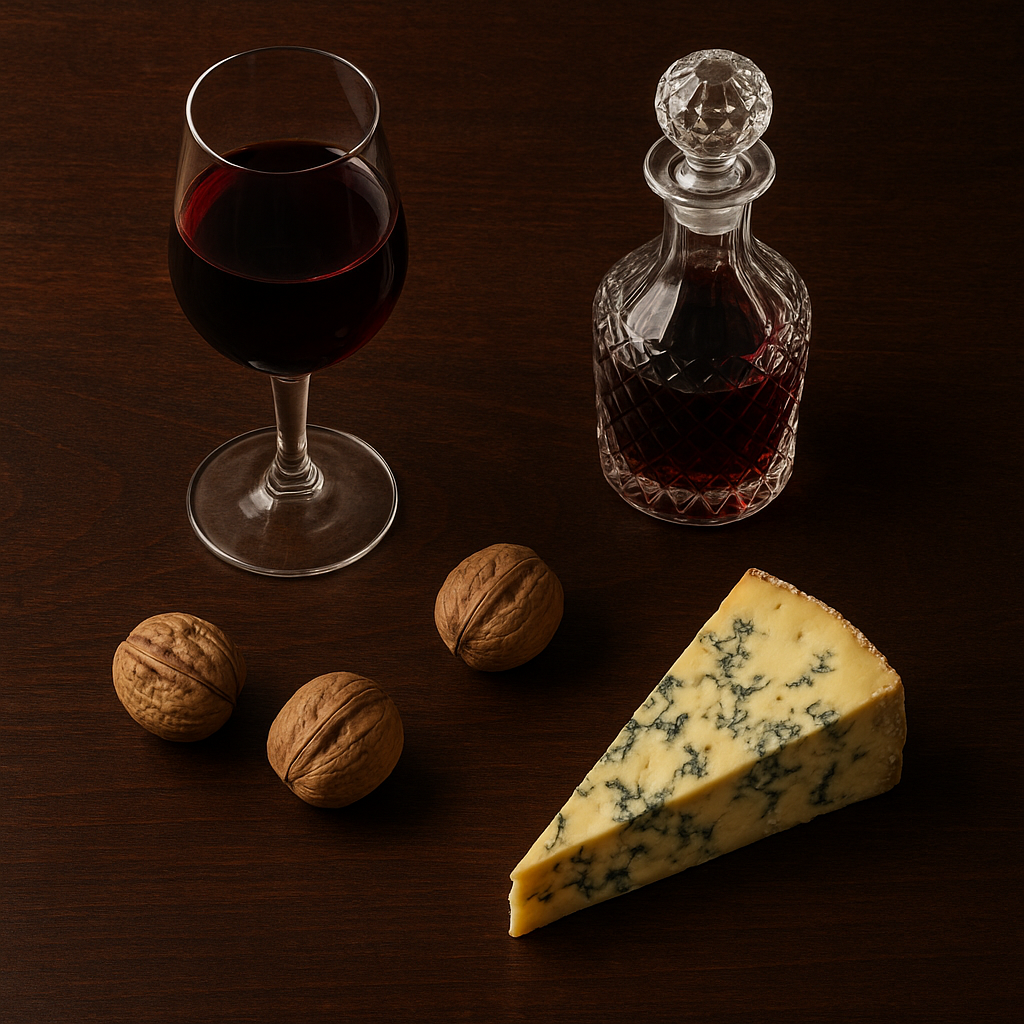
- Serve it lightly chilled — somewhere around 12-16°C, cooler than room temperature, warmer than the fridge.
- Drink it within a year or so of the bottling date printed on the label. Colheitas are bottled ready to drink, not built for further cellaring, and they can fade once opened for too long or left too long past that date.
- No decanting needed for clarity, though letting a glass sit for ten minutes does open up the nuttier, more caramelised notes.
- Once opened, it won’t last as long as a vintage port would in bottle — treat it more like a good bottle of white than a fortified wine built for weeks on the sideboard.
That difference in ageing philosophy between styles is the whole subject of our Tawny vs Ruby Port comparison, if you want to see how the same Douro grapes end up in such different bottles.
Is colheita port good?
Colheita can be genuinely excellent — some of the oldest examples in circulation, wines that have sat quietly in a lodge in Vila Nova de Gaia for decades, are among the most complex tawny ports made anywhere. But quality does vary more here than with blended tawny, because there’s no blending to iron out a cask that’s aged less well. Buy from a shipper with a track record in the style, check that bottling date, and you’re on safe ground.
Tawny styles generally, colheita included, have been having something of a moment in recent years — no longer only a special-occasion pour, but a wine people reach for more casually, including as a chilled glass at the end of a meal rather than a landmark-birthday purchase. Age still brings a real premium, though: shippers holding small stocks of genuinely old colheitas can charge accordingly, and a bottle from a birth year or anniversary, aged in wood the whole time since, is a different proposition entirely from a colheita bottled at the seven-year minimum. If you’ve ever gone looking for a colheita by its exact harvest year to match a birthday or anniversary, that’s usually the instinct behind it.
The honest caveat, and it’s worth saying plainly: without careful topping-up and racking, some older colheitas can show tired by the time they’re bottled, and in a side-by-side tasting a well-made blended tawny of similar average age can outperform a colheita that hasn’t been looked after. Provenance matters more here than with most fortified styles.
Questions customers ask us
Does colheita port improve with age in the bottle, like vintage port does? No, not meaningfully. It’s already been aged the slow way, in wood, before bottling — that’s the whole point of the style. Drink it within a year or so of the bottling date rather than tucking it away for decades.
Can white grapes make a colheita? Yes. White port can be bottled as a colheita too, following the same single-harvest, minimum-seven-years-in-wood rule as the red-grape version, though it’s a much smaller category.
Is colheita the same word used for madeira? The word is the same, meaning harvest, but the wine is different — colheita madeira needs only five years in wood rather than seven, and behaves more like an early-bottled vintage than a dated tawny. It’s a good example of how a single Portuguese term travels across two very different fortified traditions.
Why do some colheita labels show three dates, not two? That’s usually a garrafeira, a related but rarer style aged first in wood and then in glass demijohns rather than staying in cask throughout, with harvest, bottling into demijohn, and final decanting all recorded. Worth knowing it exists, but it’s a different (and much scarcer) category to colheita proper.
The merchant’s last word
I’ll be straight with you — colheita isn’t the port to grab if you want a guaranteed style every time; that’s what blended tawny is for. But when it’s been looked after properly, a colheita gives you something no blend can: one specific autumn in the Douro, still telling its own story decades later, with both dates on the label to prove it. For the full lay of the land across port, sherry and madeira, our pillar guide to fortified wine is worth a read — or come and browse the fortified wine cellar and I’ll point you toward a year worth remembering.