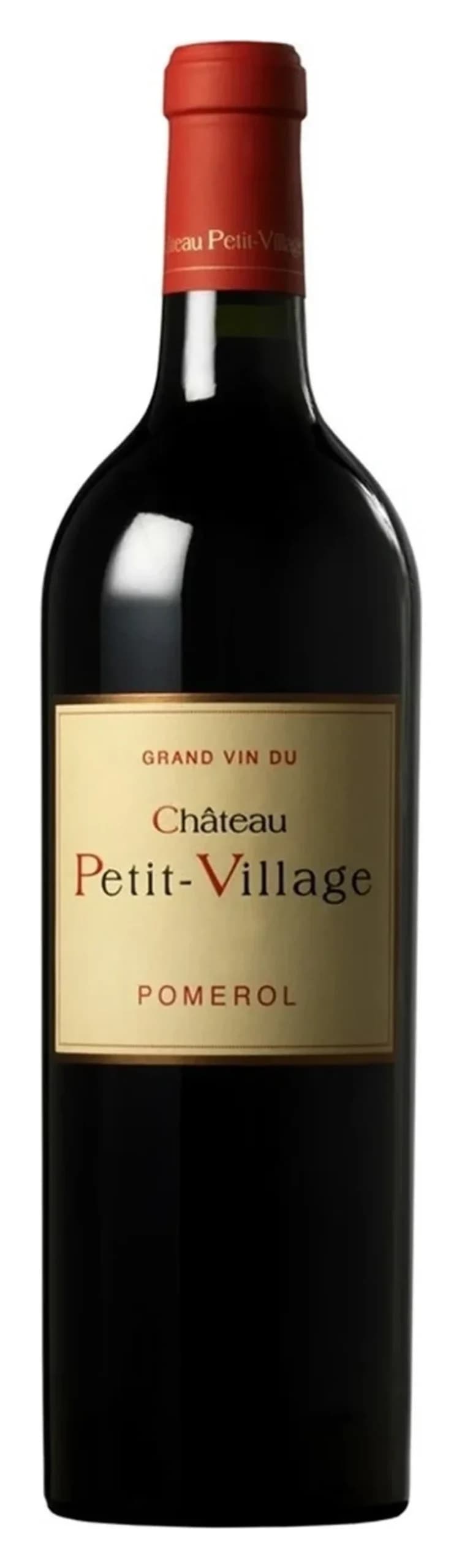
Pomerol vs Saint-Émilion is one of the oldest arguments on Bordeaux’s Right Bank, and it’s worth settling before you spend real money on either. Pomerol is a small, unclassified plateau near Libourne where Merlot typically makes up around 80% of the blend, built for plush, immediate pleasure. Saint-Émilion is bigger, runs its own contested classification, and stretches from Tuesday-night drinking to grand cru classé. By the end of this you’ll know what to buy when you love the sound of Pomerol but not the price tag, and what a Saint-Émilion label is actually promising before the cork’s out.
If the wider Bordeaux map still feels like alphabet soup, our Bordeaux without the intimidation: a merchant’s map covers the whole region properly — this piece stays close to the Right Bank.
What is Pomerol similar to?
Pomerol’s closest relative in style is Saint-Émilion’s own top tier — both lean on Merlot and Cabernet Franc, both chase that plum-and-clove richness from new oak. For something with a similar feel and a gentler bill, look to Lalande-de-Pomerol, the satellite appellation just across the Barbanne river, or Fronsac, a little further downstream, where similar clay soils give Merlot the same generous character for a fraction of the price.
I used to describe Pomerol to customers as simply “concentrated Saint-Émilion” — tidy sentence, wrong idea, and it took a good few years of tasting the two side by side before I dropped it. They’re related, not the same wine wearing a different label.
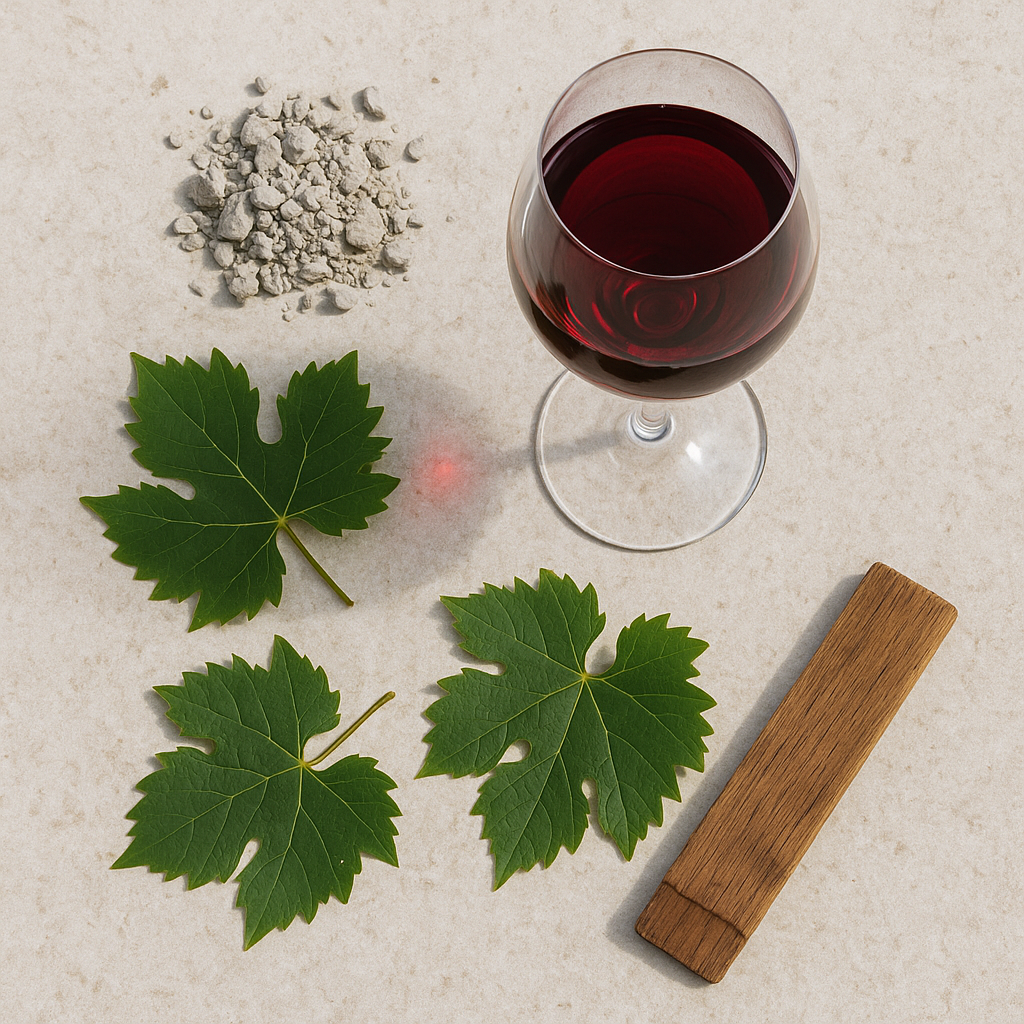
The plateau itself isn’t uniform, mind. The high ground toward its centre sits on dense clay and that famous iron-rich subsoil locals call crasse de fer; move out toward the edges bordering Saint-Émilion and you find more gravel and sand, and the wines shift with it — leaner, a touch more perfumed. That’s the thing about Pomerol: tiny, but never simple. Trade opinion generally puts the top wines alongside Saint-Émilion’s best for pronounced red and black plum fruit with noticeable vanilla and clove from oak ageing, which is exactly why the two get compared so often.
If you want the grape-level version of this argument, our Cabernet or Merlot: which grape suits your table tonight? goes further into why Merlot gives that plush, come-hither texture Pomerol is known for.
What wine is similar to St-Émilion?
Saint-Émilion’s own satellites — Lussac, Montagne, Puisseguin and St-Georges — are the nearest thing, made under the same rules just north of the Barbanne, though the winemaking there tends to be a touch more rustic and co-operatives do plenty of the heavy lifting. Within Bordeaux proper, the Right Bank’s Côtes de Bordeaux appellations — Castillon and Francs, plus Bourg and Blaye further downriver — share a similar Merlot-Cabernet Franc backbone for a fraction of the price.
Saint-Émilion town itself sits on limestone, which shows up in the glass as something firmer and more structured than Pomerol’s clay-driven plushness — this is the appellation with the UNESCO-listed old town, and visitors go there for the medieval caves as much as the claret. It also runs its own classification, unlike Pomerol, though the system has taken some knocks lately: several of the appellation’s most prestigious estates chose to walk away from it before the 2022 revision, which tells you something about how contested the top table can get. Since the 2019 vintage, growers across the whole appellation have also needed environmental certification to use the Saint-Émilion name on the label — a change that’s reshaped the everyday end of the appellation more than most drinkers realise.
For the bigger geographic picture, our Left Bank vs Right Bank: the only Bordeaux divide that matters explains why Saint-Émilion and Pomerol both end up grouped together against the Médoc.
What makes Pomerol special?
Pomerol’s specialness comes down to scarcity and soil, not showmanship. Around 800 hectares, split into roughly 140 smallholdings, sit on a plateau with no château worth photographing and no village square — nothing a coach tour would stop for. There’s no classification system at all here; reputation is earned estate by estate, vintage by vintage, over decades.
Many of those smallholdings run to just a handful of hectares each, smaller than most estates across the river on the Left Bank, and that’s a large part of why the best-known names can command some of the highest prices per bottle anywhere in Bordeaux — when there’s so little of something and demand doesn’t blink, price has nowhere to go but up. Vines have grown here on and off since Roman times, fell quiet during the Hundred Years’ War, and only found their feet properly in the 19th century — later and quieter than grander neighbour Saint-Émilion the whole way through.
Choosing between the two at the shelf
Neither is “better” — they’re built differently, and once you see the shape of that, choosing gets easy.
| Pomerol | Saint-Émilion | |
|---|---|---|
| Typical Merlot share | ~80% | ~77% |
| Classification system | None | Yes (contested, revised 2022) |
| Typical vineyard size | Very small, ~800ha total | Much larger, ~5,400ha total |
| Style | Plush, clay-driven, immediate | Firmer, limestone-edged, wider range |
| Entry point for less | Lalande-de-Pomerol, Fronsac | The four satellites, or Côtes de Bordeaux |
If you want reliability without paying for the postcode, hunt down Lalande-de-Pomerol, Fronsac, or a Castillon Côtes de Bordeaux. If you want range — a genuine bottle for a Tuesday and a genuine bottle for a special one, both under the same name — Saint-Émilion’s breadth wins that argument outright.
Serving both at the table
Vintage variation on the Right Bank is real, and worth knowing before you buy blind. Some recent vintages lean opulent and dense, alcohol often sitting between 14% and 15%, with a kirsch-like richness some drinkers love and others find a bit much; other years, from producers who favour restraint, show far more balance and freshness at a similar strength. Neither is “wrong” — it’s a style choice, worth asking your merchant about before committing to a case.
Older bottles of either deserve the same unhurried care you’d give an aged Barolo — decanting slowly, giving the wine time to open, never rushing the pour. Our How do you serve an aged Barolo? Decanting, glasses and timing guide covers the mechanics, and most of it carries straight across to a mature Pomerol or Saint-Émilion.
Either style is built for a slow Sunday roast, glass by glass, not a Friday night sprint. The glass, not the bottle, is where the pleasure actually sits — and that’s true whichever side of the Barbanne your bottle came from.
What it costs in shape
At the very top, Pomerol’s tiny production keeps prices among the highest in the world per bottle — there’s so little of the best sites to go round that scarcity does most of the work on its own. Saint-Émilion’s range is wider: genuine bargains exist in the satellites and among co-operative-made wines, while its own “garage wine” phenomenon — tiny-production names, deliberately limited — has pushed a handful of bottles to prices that rival anything Pomerol can offer. The classification disputes haven’t helped buyer confidence at the top end either, which is one more reason the middle ground — satellites, Lalande-de-Pomerol, Côtes de Bordeaux, Fronsac — is where most sensible drinking happens.
Questions customers ask us
Do Pomerol wines age as well as Saint-Émilion? Both can age for decades at the top end, thanks to concentrated fruit, good acidity and structured tannins. Honestly, it depends on the specific estate and vintage more than the appellation name on the label.
Why doesn’t Pomerol have a classification system? No formal reason is recorded beyond history and the region’s small scale — reputation there has always been built estate by estate rather than through an official ranking, unlike Saint-Émilion or the Médoc.
Is Lalande-de-Pomerol worth buying? Yes, particularly if you want a taste of Pomerol’s style without the price. It’s a larger, neighbouring appellation with similar Merlot-driven, clay-and-sand soils and noticeably gentler pricing.
What food suits these wines? Both love the classic Sunday things — roast lamb, duck, mushroom-rich dishes. Pomerol’s plushness suits richer sauces; Saint-Émilion’s firmer style holds up well against something with more char on it.
The merchant’s last word
I’ve poured both across a shop counter for years, and I still reach for Pomerol when I want something to feel indulgent and immediate, and Saint-Émilion when I want a bottle that tells a bigger story, from bargain satellite to serious grand cru. Neither needs the other’s reputation to stand up. Have a proper look and browse the bordeaux cellar — I’ll happily talk you through what’s actually in the glass, not just what’s on the label.