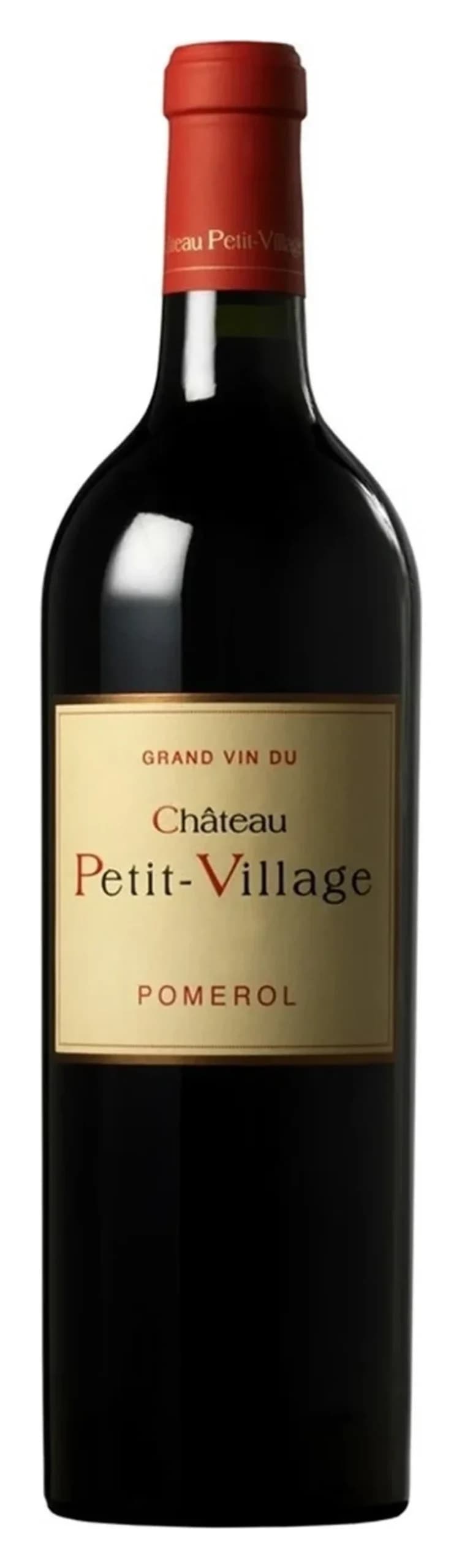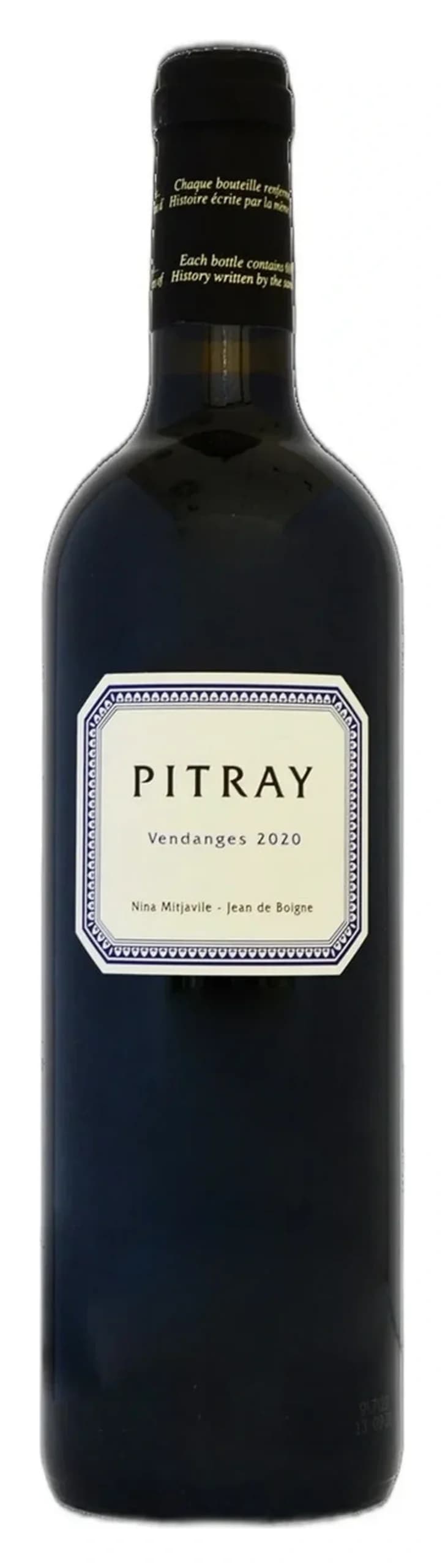
A cru bourgeois wine is Bordeaux’s most useful open secret — the bottle that does the everyday, Tuesday-night job of claret while the classed growths get on with being expensive. By the end of this you’ll know what the label actually guarantees, why the price sits so far below Cru Classé from the same gravel, and when to pick one over a petit château instead. Two facts to fix first: Cru Bourgeois is a quality category for Left Bank estates outside the 1855 classification, and since 2010 it’s awarded annually to individual wines rather than to a château for life.
What is a Cru Bourgeois wine?
It’s a Médoc-only red wine category, created in 1932, sitting one rung below the crus classés — the “bourgeois” tag marking a social stratum below the supposedly aristocratic classed growths. Any qualifying property applies each year; a panel tastes the finished wine blind against the paperwork on how it was farmed and made, and only the ones that pass get the sticker.
That’s the bit worth sitting with. The 1855 list is a club nobody’s ever been kicked out of (bar one famous exception). Cru Bourgeois is the opposite — a wine can hold the title one vintage and lose it the next. I used to think that made it flimsier. Took me a while to see it the other way: it means the bottle in your hand this year actually earned it this year, not off the back of a reputation built in 1855.
The system had a rocky road getting here — an early classification, then two World Wars and a grim interwar market knocked it sideways, and a 2003 attempt at a fixed list collapsed under legal challenge. What we have now, from the 2008 vintage on, is the annual blind-tasted version, and from 2018 it split into three tiers — Cru Bourgeois, Cru Bourgeois Supérieur and Cru Bourgeois Exceptionnel — each classification cycle running five years. If you want the full family tree of Bordeaux’s classifications, Bordeaux classifications explained: 1855, Cru Bourgeois and friends lays it out properly.
Cru Bourgeois vs classed growth vs petit château: how to choose
This is where most people get lost, so here’s the shape of the market rather than a wall of numbers:
| Category | Rough scale | What it tells you |
|---|---|---|
| Cru Classé (1855) | 60 estates, about 25% of Médoc production | Fixed list, top prices, longest ageing |
| Cru Bourgeois | 250+ estates, roughly 30% of Médoc production | Re-earned annually, wide range of styles and sizes |
| Cru Artisan | Smaller still | More modest scale than Cru Bourgeois, same Left Bank communes |
| Petit château | Thousands of properties | No formal category at all — family-run, mostly Bordeaux AOC and Côtes de Bordeaux |
Cru Bourgeois isn’t one style of estate — a simple smallholding and a much larger property can sit in the same category. The largest estate in the whole Médoc is a Cru Bourgeois, and so is an 80-hectare St-Estèphe property, alongside plenty of five- and ten-hectare farms you’d walk past without a second look. That range is exactly why the annual tasting matters — size and reputation don’t guarantee quality here, the glass does.
When to drink a Cru Bourgeois
Old Left Bank trade wisdom said don’t touch claret before ten years old — that was the rule a young Steven Spurrier was given back in 1964. Modern winemaking has shortened that wait considerably: riper picking and gentler tannin management mean plenty of today’s Cru Bourgeois drink well on the fruit far sooner, especially from the warmer gravel banks.
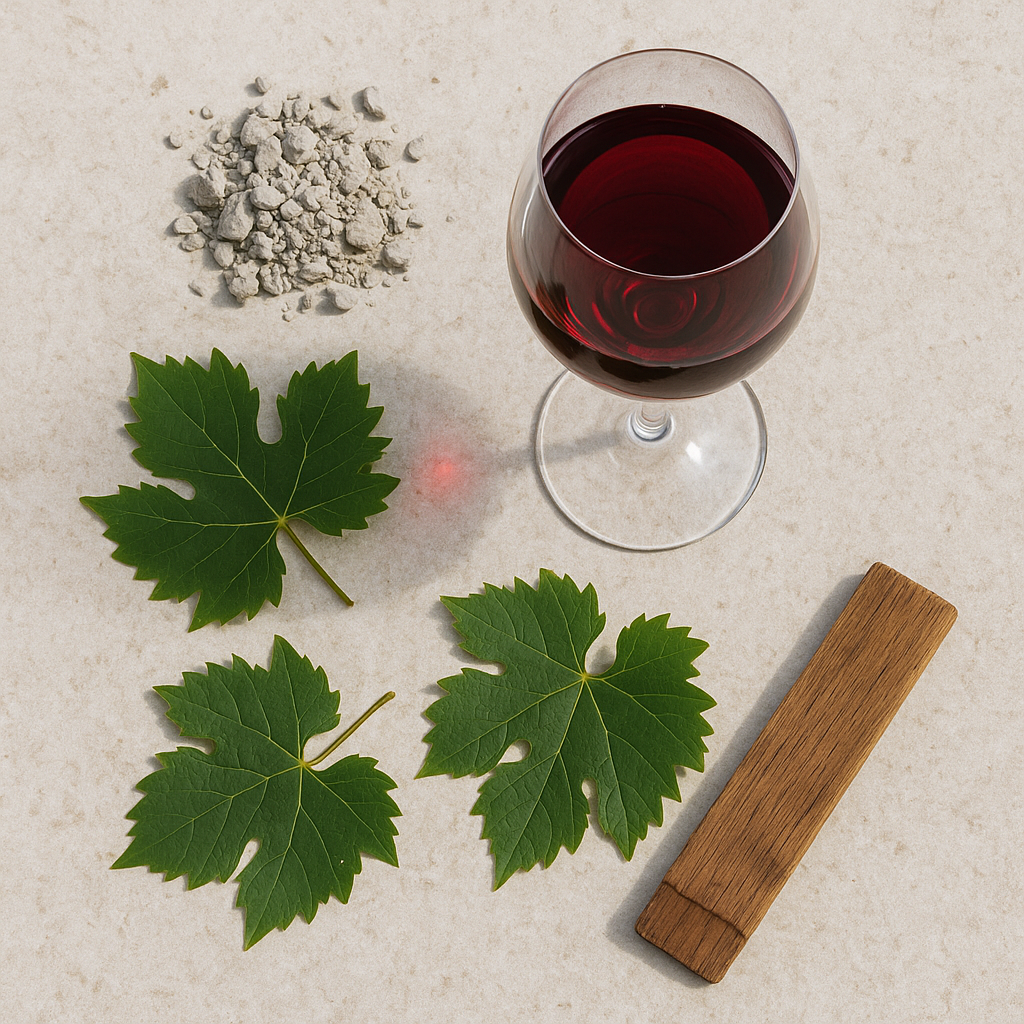
Soil still calls the shots on patience. St-Estèphe’s clay-heavy sites, cooler and closer to the Atlantic, tend to build sturdier, more rustic tannins that reward a few extra years in the cellar (or at least a decent decant on the night). Gravel sites nearer the estuary, across the eight Left Bank appellations the category covers — Médoc, Haut-Médoc, Listrac-Médoc, Moulis, Margaux, St-Julien, Pauillac and St-Estèphe — tend to soften earlier. None of it needs ceremony: a roast on a Sunday, a decent glass, an hour of air if you remember. That’s the whole job.
Is cru wine always expensive?
No — and that’s rather the point of the category. UK trade prices for Cru Bourgeois have sat broadly between £9 and £30, with the average nearer £16–£20, well under what a classed growth from the same commune would ask. It won’t always be the cheapest thing on the shelf, since some petits châteaux undercut it, but it buys you an independently judged bottle rather than a guess.
Part of the value comes from that scale I mentioned — 250-plus estates competing for the same shelf space keeps things honest, and the trade body behind the category has been explicit that price stability, not speculation, is the goal. Compare that with classed growth pricing, which has climbed steeply enough that plenty of drinkers have quietly given up looking there altogether. If that’s you, Value Bordeaux: drinking well without the grand cru price is worth a browse alongside this.
How many Cru Bourgeois exceptionnels are there?
Here’s the honest answer: there isn’t a fixed number to give you, because the whole point of the system is that the list is re-earned, not inherited. Recent trade coverage puts the full Cru Bourgeois selection somewhere in the 240-to-260-wines range across different vintages, and Exceptionnel — the top of the three tiers — is deliberately the smallest slice of that.
Rather than quoting you a number that’ll be out of date by next year’s selection, my advice is simpler: check the current published list before you buy on the strength of the tier alone. Recent in-bottle tastings of the 2023 vintage found genuine value stars across the category, which tells you the standard keeps moving upward even as the roll call shifts. If you’re new to the wider region and want the full picture before narrowing down to Cru Bourgeois specifically, start with Bordeaux without the intimidation: a merchant’s map.
Questions customers ask us
What is the French bourgeoisie wine? Nine times out of ten this means Cru Bourgeois. The name reflects an old Bordeaux social order — the crus classés were the supposedly aristocratic properties, and “bourgeois” marked the tier below, a term used in conversation for centuries before it first appeared in print in the mid-1800s.
Does Cru Bourgeois ever mean white wine? No — it’s a red-wine category only, tied to the Médoc’s Cabernet Sauvignon and Merlot blends.
Can any Médoc estate apply? Any qualifying property across the eight Left Bank appellations may put itself forward each cycle — there’s no fixed membership list to buy your way onto.
The merchant’s last word
I’ve sold Cru Bourgeois for years as the “safe” claret, and undersold it doing so — it’s not a consolation prize for missing out on a classed growth, it’s its own honest category, judged fresh every time. If you want structure and Left Bank character without the classed-growth invoice, this is where I’d point you first. Go and browse the bordeaux cellar and see what’s currently on the shelf.