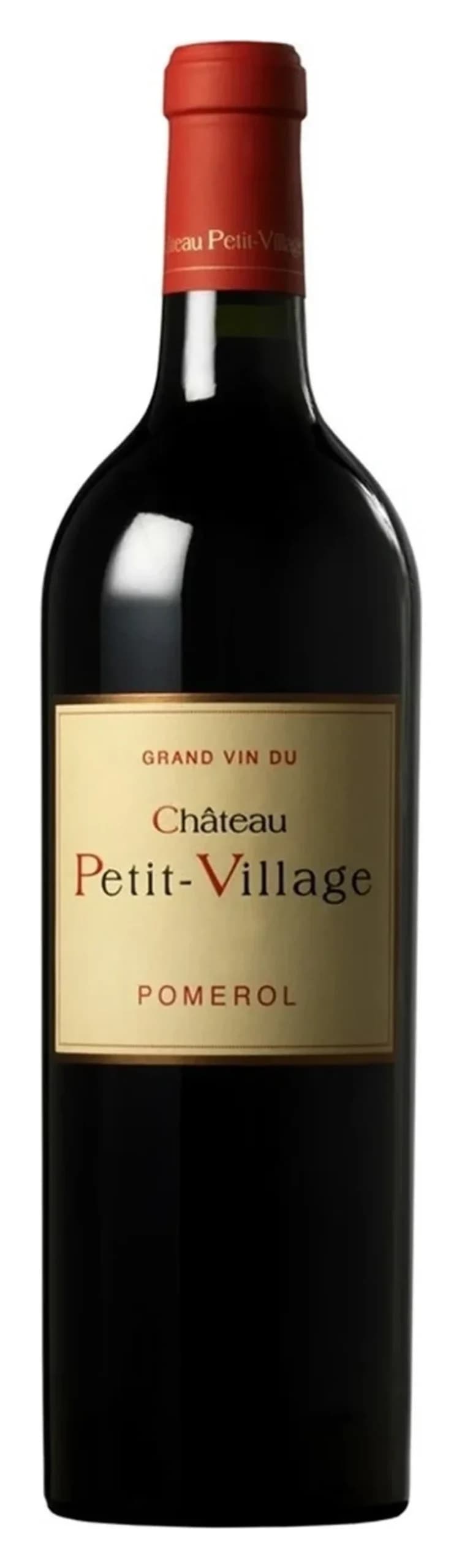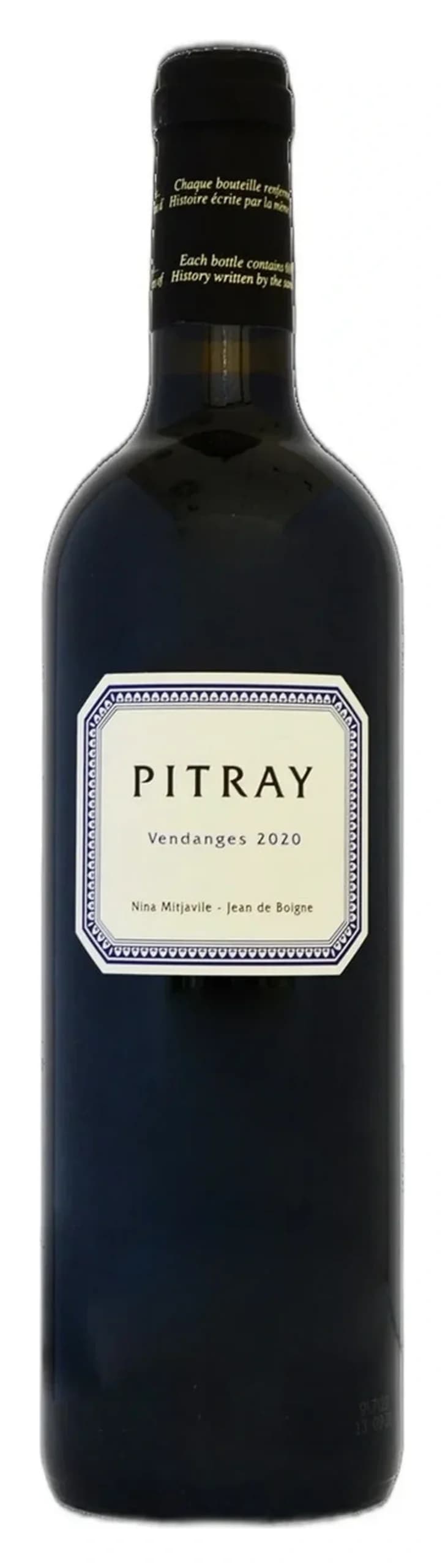
Pessac-Léognan wine is the corner of Bordeaux where the whole business of fine wine, arguably, started — vines were growing on this gravel bank long before anyone had heard of the Médoc communes that now hog the glory. Pessac-Léognan is a Bordeaux appellation created in 1987, covering ten communes just south of Bordeaux city, making both red wine built mainly on Cabernet Sauvignon and dry white wine blended from Sauvignon Blanc and Semillon. By the end of this you’ll know why it earns a name of its own rather than hiding inside plain Graves, whether the reputation holds up, and what to actually reach for next time you see the label.
What is Pessac-Léognan wine?
Pessac-Léognan wine is Bordeaux’s sharpest slice of the wider Graves district — an appellation stamped in 1987 that runs from the southern edge of Bordeaux city through ten communes, including Pessac, Léognan, Talence and Martillac. It makes roughly four bottles of red for every one of white, on gravel soils cooled by the Garonne, and it swallowed up every property from the older 1959 Graves classification whole.
The name is a bit of admin, stitched together from its two most important communes when the paperwork finally came through in September 1987, after a geological survey and years of growers lobbying to be cut loose from the rest of Graves. It’s worth knowing the appellation followed the area’s reputation rather than created it: the 1959 Graves classification — a flat list of sixteen properties for red, white, or both, with no First Growth tier the way the Médoc has one — had already marked out the best vineyards, and every single one turned out to sit inside what became the Pessac-Léognan boundary.
This is also, oddly, Bordeaux’s most urban fine-wine patch. Some of its oldest vineyards now back onto suburban streets and sit at the edge of a university campus, the sort of place you’d expect car parks rather than century-old Cabernet vines. That closeness to the city is exactly why vines went in here first — easy to reach, easy to ship, easy to sell to a thirsty town on the doorstep.
What is Pessac-Léognan in English?
There isn’t a translation — Pessac-Léognan is a place name, stitched from the communes of Pessac and Léognan, not a style or grape you can render into another language. Say it roughly as “peh-sak lay-oh-nyah” and you’ll be understood in any wine shop or restaurant, French or otherwise.
There’s a genuinely English angle worth knowing, though, and it’s older than the appellation by about 833 years. When Eleanor of Aquitaine married Henry of Anjou in 1154 and he became King of England, that marriage opened a wine trade between this stretch of the Garonne and English tables that has, in various forms, never really stopped. Long before “Pessac-Léognan” existed as a word, the gravel banks around Pessac were shipping barrels to London. So if the name itself won’t translate, the wine has been speaking English, in a manner of speaking, for the better part of a millennium.
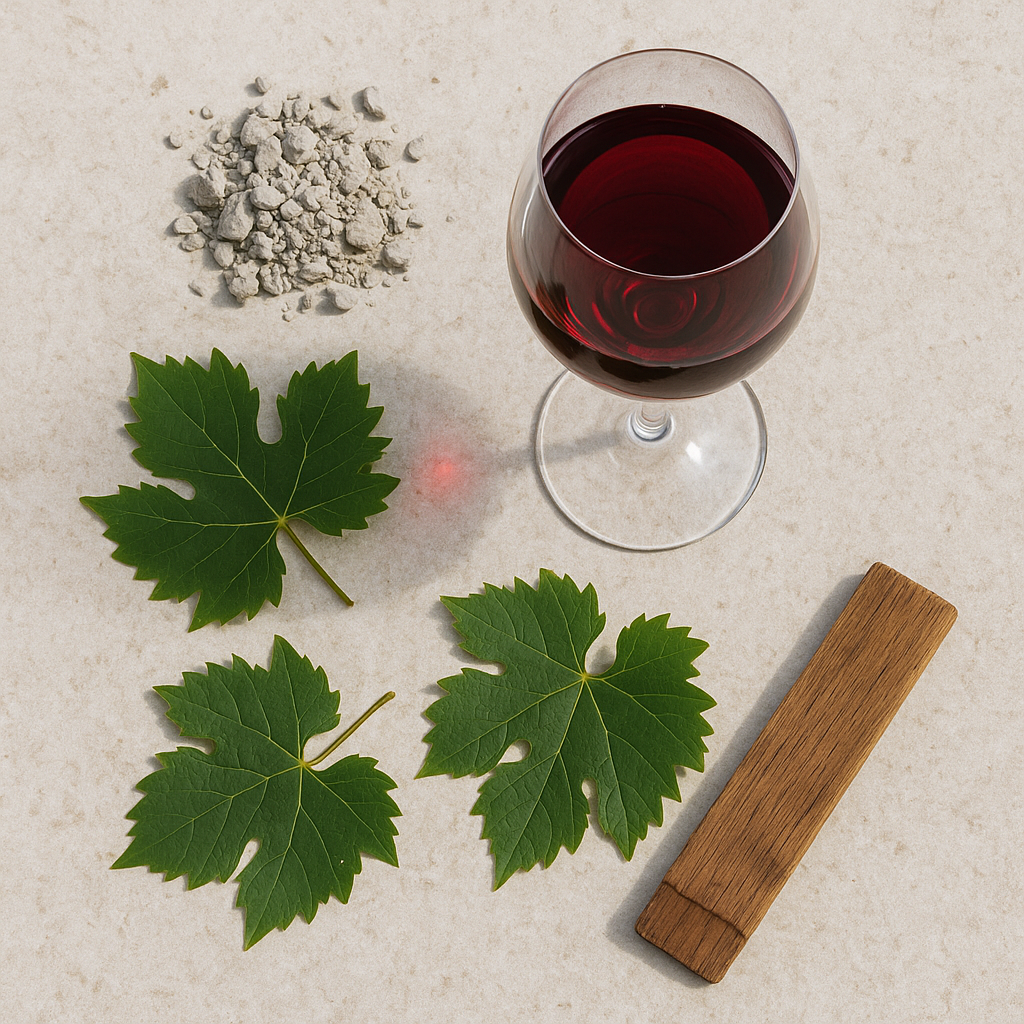
Red or white: how to choose your bottle
Roughly four in five bottles from Pessac-Léognan are red, built on Cabernet Sauvignon with Merlot and Cabernet Franc filling in — classic left bank shape, more structure than fruit, more restraint than plush richness. The white is the smaller but arguably more special side of the operation: Sauvignon Blanc and Semillon blended and typically fermented and aged in barrel, a technique this corner of Bordeaux has been practising longer than almost anywhere else in the world.
| Pessac-Léognan Red | Pessac-Léognan White | |
|---|---|---|
| Main grapes | Cabernet Sauvignon, Merlot, Cabernet Franc | Sauvignon Blanc, Semillon |
| Typical character | Mineral, blackcurrant, tobacco, firm structure | Gooseberry, lemon, grapefruit, vanilla and clove from oak |
| Body & acidity | Medium to full body | Medium-plus body, medium-plus to high acidity |
| Ageing | Built to hold, softens over years | Barrel-aged, can develop for a decade or more |
| Reach for it when | You want claret at the table, roast or grilled meat | You want real presence without red tannin |
If you’ve only ever drunk the red, the white is the one to seek out — trade opinion regularly puts it among the best dry white wine Bordeaux makes, and it’s still a genuinely under-ordered thing on most restaurant lists. For a wider look at the region’s whites beyond this one appellation, our guide to dry white Bordeaux is worth a read.
Is Pessac-Léognan good?
Yes, and by some margin — Pessac-Léognan holds one First Growth from the 1855 classification plus every property from the 1959 Graves classification, and its reputation for white wine in particular is close to unmatched in Bordeaux. The catch is that “Graves” as a wider name has spent years being the least fashionable word on a Bordeaux list, and Pessac-Léognan has had to work to be heard over it.
Go back a decade or two and merchants’ lists told the story plainly: shelves of Médoc, a good showing of St-Émilion and Pomerol, and maybe a token bottle or two of red Graves stuck at the end. That’s largely down to the wider Graves region running some 50km south to the town of Langon, much of it producing perfectly decent, inexpensive wine rather than anything special — so the whole area picked up a workaday reputation that Pessac-Léognan, sitting at the sharp northern end of it, never really deserved.
The Graves classification itself hasn’t been touched since 1959, and there’s a fair case it’s overdue a rewrite — plenty of high quality estates outside the list are making better wine than some inside it. But growers have been reluctant to push for a revision, having watched the Saint-Émilion classification get dragged through lawsuits every time it’s updated. Better the devil you know.
None of that touches the wine in the glass. Recent trade tastings of the 2019 vintage rated a wide swathe of Pessac-Léognan bottles highly, red and white both, and the region still offers serious Bordeaux at prices that haven’t caught up with the Médoc’s grander names. If you want the fuller lie of the land across both banks, our Left Bank vs Right Bank piece sets out where Pessac-Léognan sits in that bigger picture.
Serving it right: glass, food, and when to open it
The red wants what most left bank claret wants — something with a bit of fat to it. Duck, goose, lobster, scallops and firmer fish like salmon, tuna or monkfish all sit well against the blackcurrant-and-tobacco style of a good Pessac-Léognan red wine, the fruit and gentle spice standing up to richer proteins without a fight.
Pessac-Léognan white wine is more versatile than people give it credit for. Its gooseberry-and-grapefruit brightness with that vanilla-clove oak edge handles the same fish list happily, but it’s also got the acidity and weight to sit through a whole seafood dinner where a plainer Sauvignon Blanc would start to feel thin by the second course.
On age: this isn’t a wine to grab and drink the same Tuesday you buy it, particularly the reds and the better whites. Barrel-aged whites here have decades of practice behind them and often improve for years in bottle; reds built on Cabernet Sauvignon and gravel soil are, if anything, built to be patient. Give a young vintage a chance to show you the structure, then try an older one to see what all that structure was for.
For the wider map of how this fits into Bordeaux as a whole, start with our Bordeaux without the intimidation guide — it’s the one I point most new customers to first.
Questions customers ask us
What’s the difference between Graves and Pessac-Léognan?
Graves is the big region, running some 50km south from the edge of Bordeaux city to Langon, making mostly everyday red and white wine. Pessac-Léognan is the smaller, sharper appellation carved out of its northern end in 1987, and it’s where all the classified growths actually sit.
Is Pessac-Léognan left bank or right bank?
Left bank. It sits on the left bank of the Garonne alongside the Médoc communes, and like them its red wines lean on Cabernet Sauvignon rather than the Merlot-led blends of the right bank.
What food goes with Pessac-Léognan white?
Fish and shellfish are the natural match — salmon, monkfish, scallops, lobster — where the citrus brightness and oak spice have enough weight to stand up to richer sauces without overwhelming plainer preparations.
How do you pronounce Pessac-Léognan?
Roughly “peh-sak lay-oh-nyah.” It trips people up at first, but you’ll say it a dozen times in an evening and it stops feeling strange by the second glass.
The merchant’s last word
I spent years pouring red Graves for customers as an afterthought, the bottle you mention after you’ve talked them through the Médoc. That was my mistake, not the wine’s — Pessac-Léognan has been quietly making some of Bordeaux’s best white and thoroughly serious red since long before the Médoc had a name for itself. Come and see for yourself — browse the bordeaux cellar.