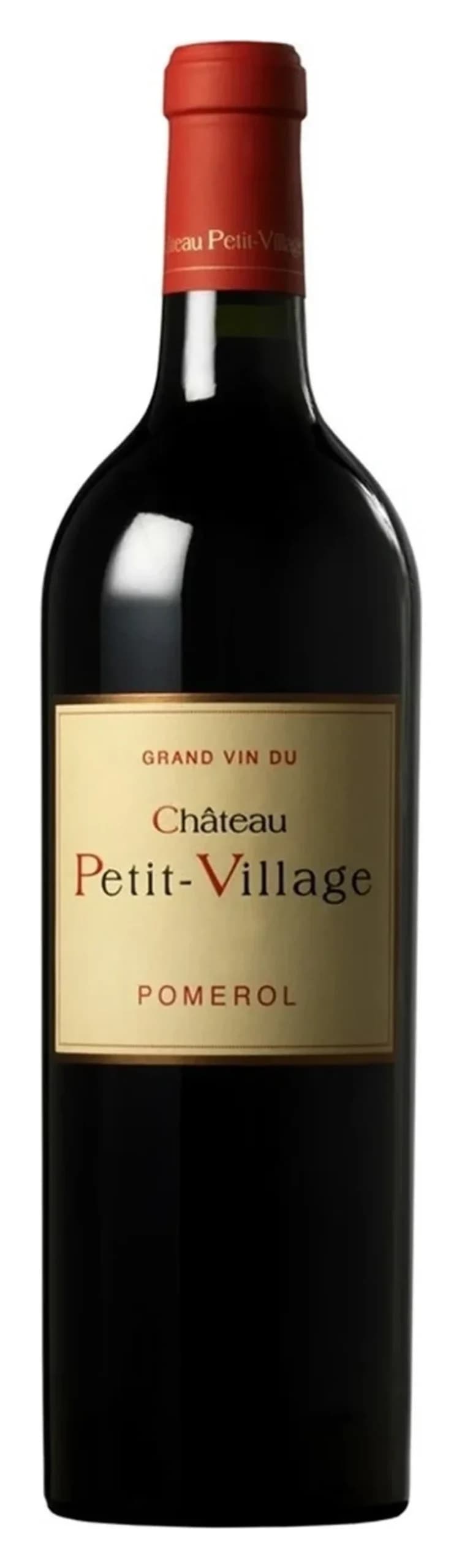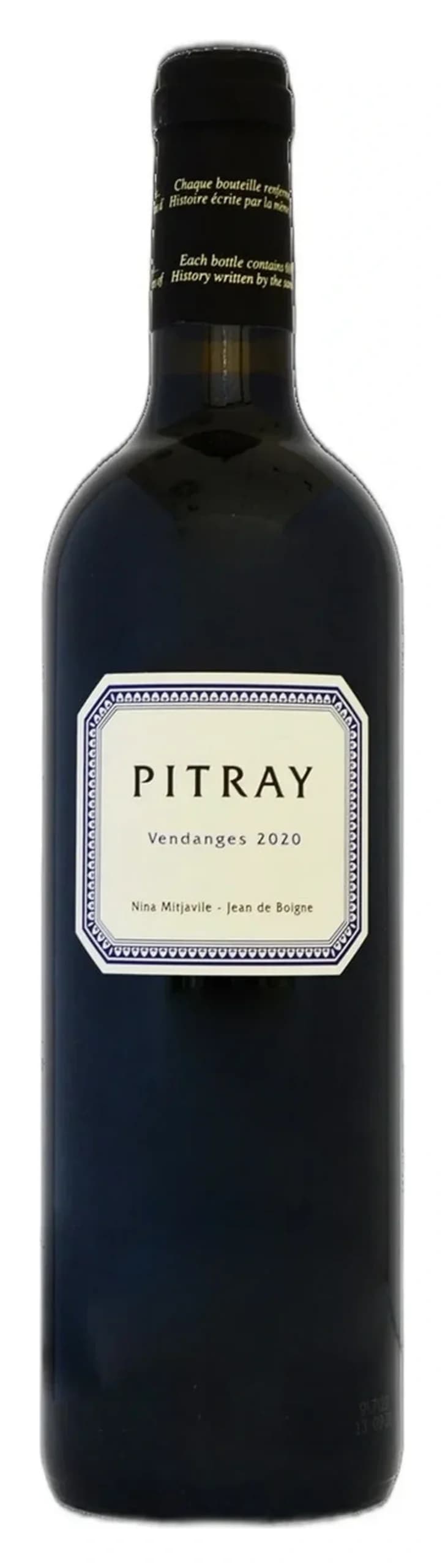
Bordeaux dry white wine doesn’t get the attention it deserves, and that’s a shame, because it’s some of the best-value drinking the region makes. Here’s the short version: dry white Bordeaux is a blend, usually Sauvignon Blanc and Semillon, made across appellations like Graves, Entre-deux-Mers and Pessac-Léognan, and it’s bone dry unless the label says otherwise. By the end of this you’ll know which appellation to reach for, how it compares to the styles you already know, and roughly what to expect to pay — so you’re not stood in front of an unfamiliar shelf feeling daft.
Is Bordeaux a dry white wine?
Mostly, yes — most white Bordeaux ferments fully dry. It’s typically a blend of Sauvignon Blanc and Semillon, sometimes with a splash of Sauvignon Gris or Muscadelle, made under appellations including Bordeaux AOC, Graves, Entre-deux-Mers, Blaye and the grander Pessac-Léognan. Sweet Bordeaux — Sauternes, Barsac, and a handful of smaller right-bank appellations — is a different, clearly labelled thing entirely.
Here’s a bit of context that took me a while to properly get straight in my own head. Bordeaux was, for a long stretch, one of the last French regions to keep using heavy doses of sulfur even in its dry wines — a holdover, oddly enough, from the region’s long history of making sweet wine, which genuinely does need more of it. That habit did the dry whites no favours for decades; some were flat, over-sulphured, forgettable. Trade coverage generally agrees the turnaround properly took hold from the 1990s onward, driven in large part by the late Professor Denis Dubourdieu and the winemaker André Lurton, who pushed producers toward riper Sauvignon Blanc, careful skin contact before fermentation (a technique with the lovely name macération pelliculaire, sometimes called cryomaceration), and a lot less new oak than before.
The oak that remains is used properly, mind. In the upper reaches of Graves and Pessac-Léognan, barrel ageing for white wine has one of the longest histories anywhere in the world — this isn’t oak bolted on for effect, it’s a genuine tradition. Dry white grapes from Bordeaux give lemony, gooseberry-edged wines when picked for freshness, and something rounder, waxier, with hints of vanilla and clove, once barrel and Semillon get properly involved.
What is a good white Bordeaux wine?
It depends what you’re after, but as a rule: Entre-deux-Mers or a straight Bordeaux Blanc for a Tuesday, Graves for something with a bit more shape, and Pessac-Léognan when you want the real thing — barrel-fermented, built to age, standing shoulder to shoulder with good white Burgundy. None of it is trying to be red Bordeaux’s poor relation, whatever its reputation suggests.
A rough shape of the region, appellation by appellation:
| Appellation | Style | Typical blend | Price shape |
|---|---|---|---|
| Entre-deux-Mers | Light, zesty, drink young | Sauvignon Blanc-led | Inexpensive |
| Bordeaux AOC blanc | Everyday, gooseberry and lemon | Sauvignon Blanc, Semillon, Sauvignon Gris | Inexpensive to mid |
| Graves | Weightier, sometimes light oak | Sauvignon Blanc / Semillon | Mid, around a tenner to £15 |
| Pessac-Léognan | Barrel-aged, built to keep | Sauvignon Blanc / Semillon, oak-raised | Mid to genuinely premium |
Vintage matters more here than people assume. Trade opinion has long singled out 2014 and 2017 as standout years for dry white Bordeaux specifically — healthy ripening, good acid retention, wines that reward a bit of patience. The 2025 vintage, by contrast, came in hot and fast, with an unusually early, compressed harvest; early reports suggest the better producers still found freshness, but it’s not being spoken of in the same breath as 2014 or 2017. Worth asking your merchant (me, ideally) what’s actually in the bottle before you commit to a case.
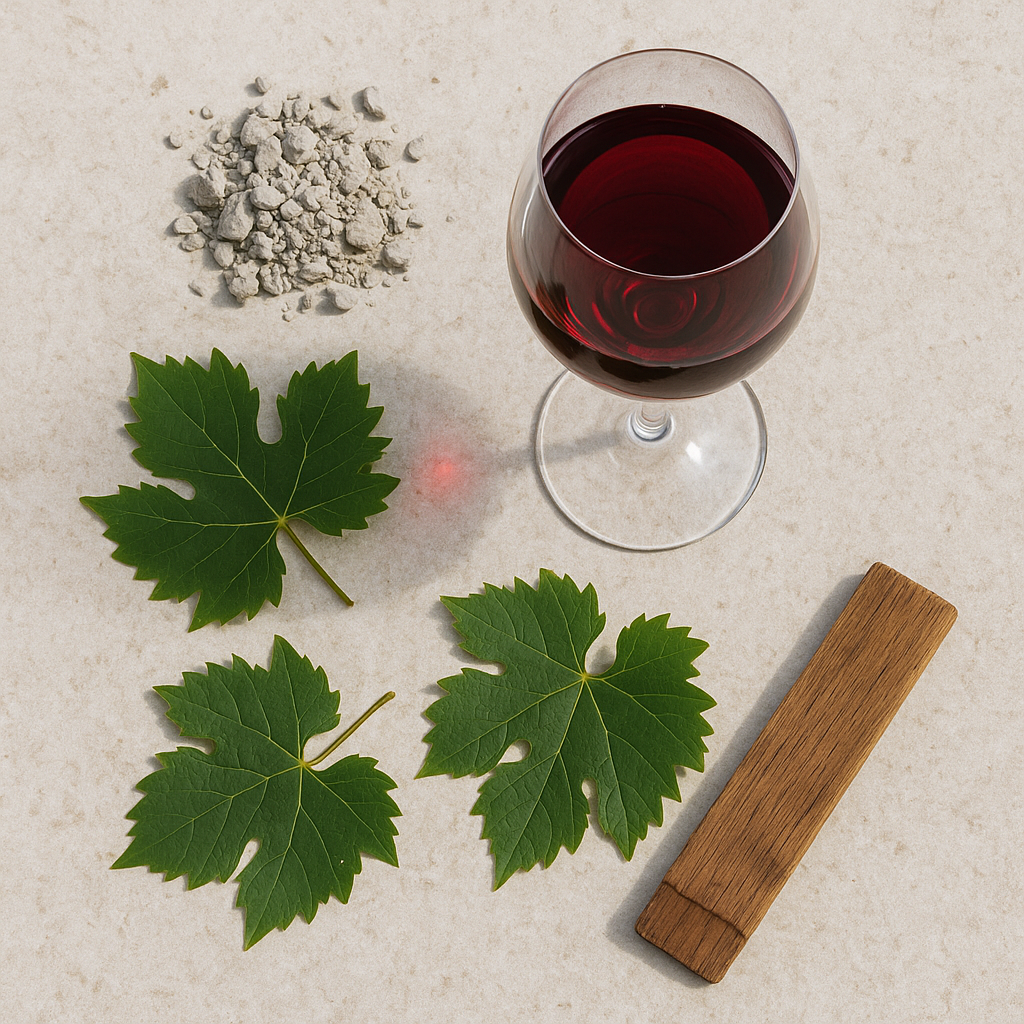
Can you get white wine in Bordeaux?
Yes, though it’s very much the minority style these days. Close to 90% of Bordeaux’s vineyard area is red grapes; white is the smaller story, which is exactly why so few people outside the trade know it well. Entre-deux-Mers is the one appellation reserved entirely for dry white — no red allowed to carry that name, even though red is grown within its boundaries and simply sold as Bordeaux or Bordeaux Supérieur instead.
It wasn’t always this lopsided. Fifty-odd years ago, plantings of white grapes in the Gironde actually outnumbered red, before quality slid badly through the 1970s and ’80s and a damaging frost in 1956 tipped the whole region toward red for good. What’s interesting now is the swing back: demand for dry white Bordeaux is rising again, a new Médoc Blanc appellation has been approved for wines from the 2025 vintage, and even Sauternes and Barsac producers are increasingly bottling a dry white alongside their sweet wines. The region isn’t finished changing shape.
Serving it, and what to put on the table
Treat it properly chilled but not fridge-numb — you want to actually taste the citrus and stone fruit, not just feel cold liquid. A simple white wine glass, not your big Burgundy bowl, keeps the aromatics tidy rather than diffuse.
On the table, the lighter Entre-deux-Mers and Bordeaux Blanc styles are made for exactly the kind of meal you’d reach for a crisp Sauvignon Blanc anyway — if you’ve read our piece on what wine goes with fish and chips, the same logic holds here, and the citrus lift does real work against batter and vinegar. The oaked Pessac-Léognan wines want something with more presence — a roast chicken, a gratin, richer fish in a butter sauce — because that vanilla-and-clove oak character (explored properly in our piece on what oaked Chardonnay actually tastes like) needs food with a bit of weight to meet it halfway.
What it costs, roughly
Trade coverage over the years keeps landing in the same place: the sweet spot for dry white Bordeaux sits somewhere either side of £10, with plenty of genuinely good bottles findable under £25. Pessac-Léognan’s classified estates are the exception — priced and regarded on a level with premium white Burgundy, which is a fair comparison once you’ve tasted a well-made one with a few years on it.
The honest trade view is that this remains one of the more undervalued corners of French white wine — quality has climbed steadily since the 1990s while prices, outside Pessac-Léognan’s top tier, mostly haven’t followed. That gap won’t necessarily last forever, but for now it’s good news if you’re buying rather than selling.
Questions customers ask us
Which white wine is best for diabetics? That’s a medical question and genuinely outside what a wine merchant should advise on — please ask your GP or a dietitian. What I can tell you plainly is what “dry” means on a label: the sugars have been fermented out during winemaking. That’s a winemaking fact, not a health claim, so treat it as such.
Is white Bordeaux wine dry? Under the main appellations — Bordeaux AOC, Graves, Entre-deux-Mers, Pessac-Léognan — yes, by design. Sweetness only shows up under separately named appellations like Sauternes, so the label does the telling before you’ve opened the bottle.
How does it compare to New Zealand Sauvignon Blanc? Leaner, less overtly tropical, generally with more texture from the Semillon in the blend. If you want the fuller backstory on that grape’s other great expression, our piece on Marlborough Sauvignon Blanc and how it changed white wine is worth a read alongside this one.
Where does dry white Bordeaux fit in the bigger regional picture? It’s a small, often overlooked slice of a much larger red-dominated story. If you want the fuller lay of the land, start with our guide to Bordeaux without the intimidation.
The merchant’s last word
I sold white Bordeaux poorly for years — stuck it on a bottom shelf, let the reds hog the good lighting. That was my mistake, not yours, and I’ve since put it right. It’s honest, well-made wine that doesn’t ask you to know anything about classifications first. Come and have a proper look — browse the bordeaux cellar and let’s find the bottle that suits your Tuesday, not just your special occasion.