Garage wine Bordeaux is a phrase that gets thrown around a lot without much explaining — so let’s fix that properly. A garage wine is an unofficial term, coined in the late twentieth century, for a Bordeaux red made in such tiny quantity that its owner’s actual garage could serve as the winery. Its maker is a garagiste. By the end of this you’ll know how to spot the style, how it sits against Bordeaux’s older classified estates, and — more usefully for your Tuesday-night shopping — where else to find that same restless ambition without paying cult-wine prices.
What is a garage wine?
A garage wine is deep-coloured, oaky, ripe and built to drink young rather than to sit in a cellar for twenty years — the opposite instinct to most serious claret. It surfaced on Bordeaux’s Right Bank in the early 1990s, in volumes of a few hundred cases rather than a few thousand, and by most trade accounts was aimed, fairly openly, at the palate of one hugely influential American critic of the day, Robert Parker.
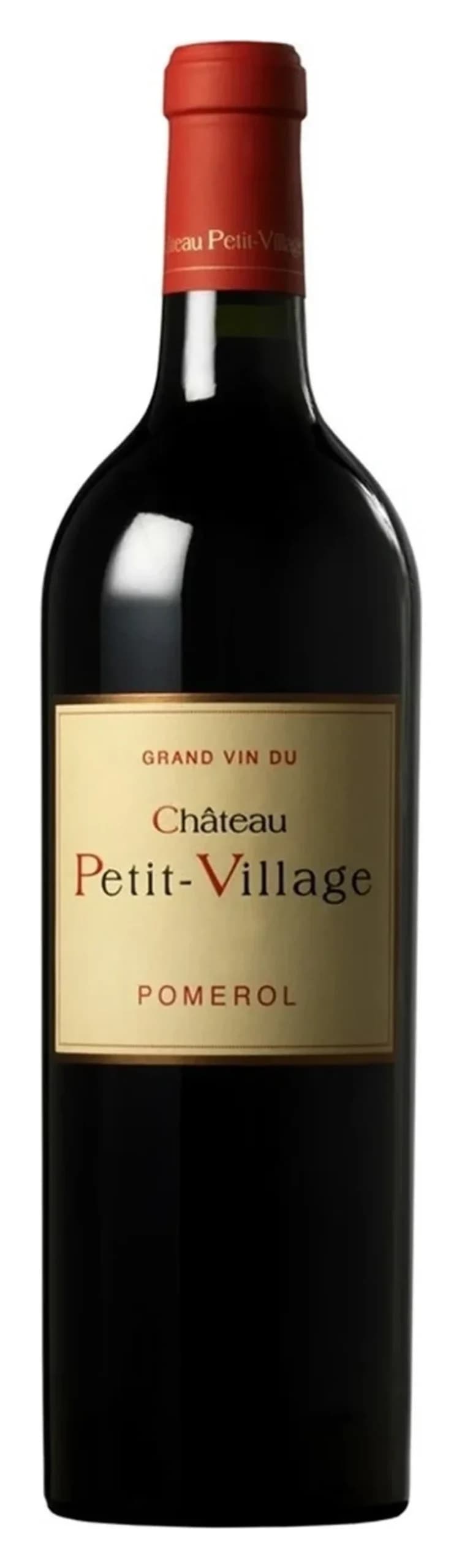
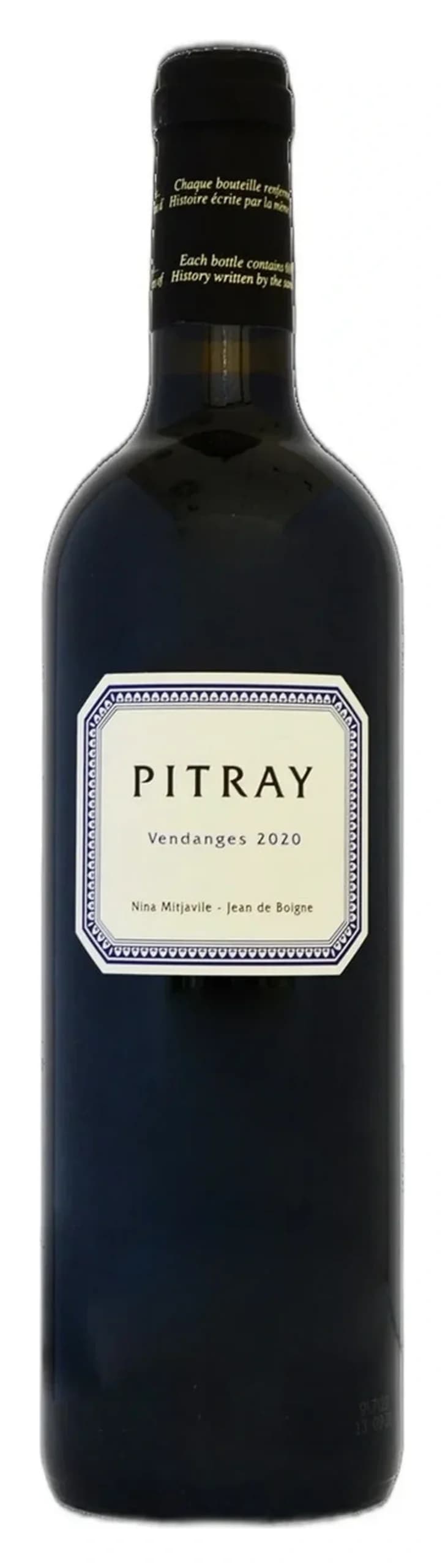
The founding story is a good one and worth knowing, because it explains the whole mood of the thing. In 1991 a winemaker in St-Émilion, working a small frost-damaged plot of Merlot with almost no equipment and very little money, green-harvested hard to concentrate what survived and fermented the tiny result in a tradesman’s lock-up next to his own house. That’s the whole idea in miniature: ambition outrunning infrastructure. A similarly tiny plot over in Pomerol became the style’s archetype and, trade opinion suggests, the only one to have kept sustained demand once the fashion cooled.
St-Émilion itself is worth naming here, because it’s genuinely the epicentre — it produces more wine than any other Right Bank appellation and is home to most of the eye-wateringly priced garage bottlings. Its satellite villages and neighbours — Lussac, Puisseguin, Montagne, and across towards Fronsac and Lalande-de-Pomerol — never had the same cult prices but share the same soils and the same small-grower mentality. St-Émilion is also a UNESCO World Heritage site and a proper medieval town, which is a nice enough reason to visit even if the wine weren’t the draw. If you want the wider map of how St-Émilion sits against the Médoc, Pomerol and the rest, my Bordeaux without the intimidation: a merchant’s map goes through it properly.
What is a garagiste?
A garagiste is simply the person behind a garage wine — usually someone working outside Bordeaux’s traditional estate structure, using modern technique rather than an inherited cellar to get there. It’s as much an attitude as a job title: late-picked fruit, small hand-sorted lots, heavy use of new oak barriques, tiny yields, and a determination to be judged on what’s in the glass rather than the address on the label.
The term itself was coined by the French critic Michel Bettane, and it was never universally loved — Sotheby’s former wine chief Serena Sutcliffe said she was always dead against it, even while admiring the actual winemaking of the people it described. That tension has never really gone away. By the mid-2010s, some of the movement’s own founders were distancing themselves from the label. One St-Émilion producer generally credited as the godfather of the garagistes described the wines to French press as an attempt to compensate for thin means and modest terroir with modern technique. Another founding figure preferred the term “petit-cru” and argued the whole idea had no long-term future because it wasn’t rooted in place.
The market backed that scepticism up. One collector’s favourite from the mid-1990s reportedly sold for twice the price of an established premier grand cru at auction — by the following decade, the same wine was fetching under half of what it once did. Fashion moves fast at the top of any market; that’s as true of wine as anything else.
What are the big five Bordeaux wines?
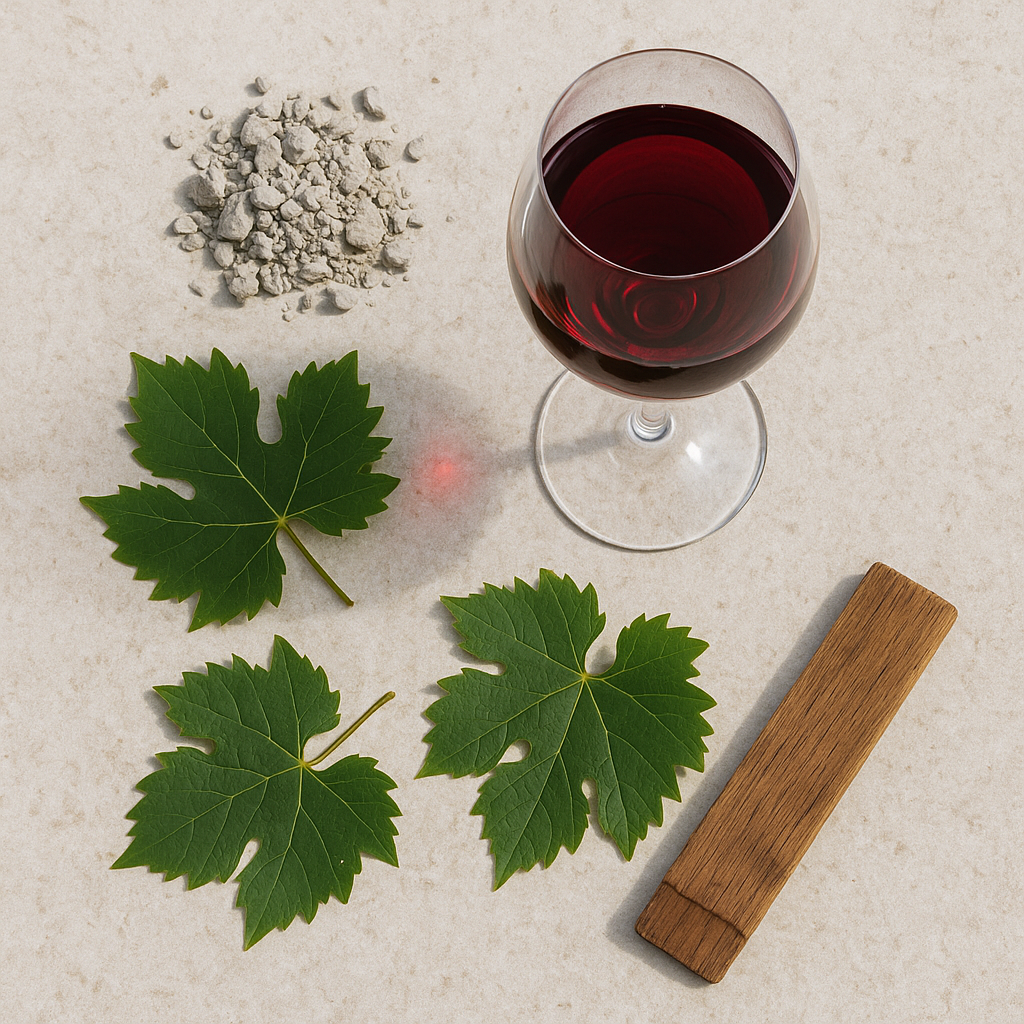
Customers usually ask this expecting a ranked list of five famous châteaux, and I understand why — it’s the kind of thing you want in your back pocket at a dinner party. But naming individual estates gets you into legal classification more than into flavour, so let me give you the shape of it instead: the real “big five” of Bordeaux are the grape varieties that build almost every red in the region, garage wines included — Merlot, Cabernet Sauvignon, Cabernet Franc, Petit Verdot and Malbec.
The split matters more than the list. The Right Bank — St-Émilion, Pomerol, and the plots the garagistes worked — leans hard on Merlot, which ripens early and gives the plush, generous fruit that made those wines so immediately flattering to taste. The Left Bank communes — Margaux, Pauillac, Saint-Julien, Saint-Estèphe, and the gravel banks of Pessac-Léognan further south — lean towards Cabernet Sauvignon, giving structure that rewards patience. Petit Verdot and Malbec are bit-part players almost everywhere now, added in small percentages for colour and spice. A garage wine, more often than not, is built almost entirely from Merlot off a single small parcel — which is exactly why it tastes so different from a blended classified growth.
What are the top 10 Bordeaux wines?
There isn’t a fixed top ten, and any list claiming to be one is doing you a disservice — Bordeaux runs to over 7,000 estates, with an average size around 20 hectares and total annual production generally above 800 million bottles. What’s actually useful is knowing the rungs of the ladder those estates sit on, from everyday to eye-watering:
- Bordeaux AOC — the base of the pyramid, roughly half of all appellation wine, with over 51,000 hectares of red vines recorded in 2020.
- Côtes de Bordeaux — five Right Bank areas grouped together since 2009 (Cadillac, Castillon, Blaye, Francs, Ste-Foy), generally with more personality than plain Bordeaux AOC.
- Petits châteaux — thousands of modest, usually family-run properties across Bordeaux AOC and the Côtes, and often the best value in the whole region.
- Cru Artisan — the Médoc’s most modest recognised tier, smaller and humbler still than cru bourgeois.
- Cru Bourgeois — over 250 Médoc estates, together making up around 30% of the Médoc’s production.
- Cru Classé — roughly 60 Médoc estates from the historic 1855 hierarchy, spread across Margaux, Pauillac, Saint-Julien, Saint-Estèphe and Pessac-Léognan, about a quarter of the Médoc’s output.
- The Right Bank micro-cuvées — the garage wines, sitting entirely outside this Left Bank ladder, judged purely on the glass rather than any classification.
Seven families, really, not ten specific bottles — but that’s a far more useful map for actually buying than any single year’s “top ten” ever is. For how to read a label against this ladder before you buy wine, How to buy wine like a merchant: labels, ratings and value is worth five minutes of anyone’s time.
Buying near the garage style without the cult price tag
Here’s the bit I actually enjoy telling people, because it’s where the value is. You don’t need a Right Bank cult bottling to get a taste of that same small-scale, do-it-your-way spirit — it’s alive and well at far gentler prices if you know where to look.
Cadillac Côtes de Bordeaux, on the gravelly south-facing slopes above the Garonne, produces genuinely ambitious, concentrated reds from serious small producers — they may not have the ageing potential of the grand names, but the intent is the same. Buzet, further up the Garonne towards Agen, is mostly co-operative country, but resistance is led by a handful of independent growers, including a well-regarded biodynamic estate, working against the grain much as the original garagistes did. Petits châteaux, wherever you find them across Bordeaux AOC, remain the most conscientious source of value in the whole region. Fronsac and Lalande-de-Pomerol, right on Pomerol’s doorstep, offer a gentler version of that same Merlot-driven ambition for a fraction of the price.
That same restless energy isn’t confined to Bordeaux, either. Trade coverage of the Languedoc has tracked a rise in small private producers leaving the co-operatives to make their own estate wines, reflecting local grapes and blends rather than chasing a critic’s palate — a gentler, terroir-first cousin of the garage idea. Burgundy has its own version too, in the rise of micro-négociants working tiny individual-vineyard lots. This isn’t only a French habit, either — walk round parts of England’s own vineyard country, Surrey and Sussex included, and you’ll find the same instinct to do things differently, in a much younger wine landscape. If this kind of rebellion interests you, Super Tuscans: rebellion in a bottle and What is natural wine, honestly? are both worth your next ten minutes.
Questions customers ask us
Are garage wines still being made? The craze peaked in the late 1990s and several founding names have since distanced themselves from the term, but small-lot, modern-style Right Bank wines haven’t disappeared — they’re just less fashionable, and less written about, than they were.
Do garage wines age well? Generally, no — they’re built to be flattering early rather than to develop over decades, which is exactly why they’re the opposite of a classic claret built for the cellar.
Are garage wines good value today? Mixed. Prices for some of the best-known examples have fallen a long way from their 1990s peak, so there can be real value there now, but plenty of imitators were always overpriced for what was in the bottle.
Where else can I find this small-batch spirit? Cadillac Côtes de Bordeaux, Buzet’s independent growers, Fronsac and Lalande-de-Pomerol, ambitious Languedoc estates and Burgundy’s micro-négociants all carry a version of the same idea — small scale, serious intent, without the auction-house price tag.
The merchant’s last word
I’ve sold a fair few of these over the years, and the honest truth is the story is usually better than the ageing potential. What I love about the garage wine idea isn’t the hype — it’s the nerve of it, someone betting everything on one tiny plot. You’ll find plenty of that same nerve, priced far more sensibly, if you browse the bordeaux cellar with me.