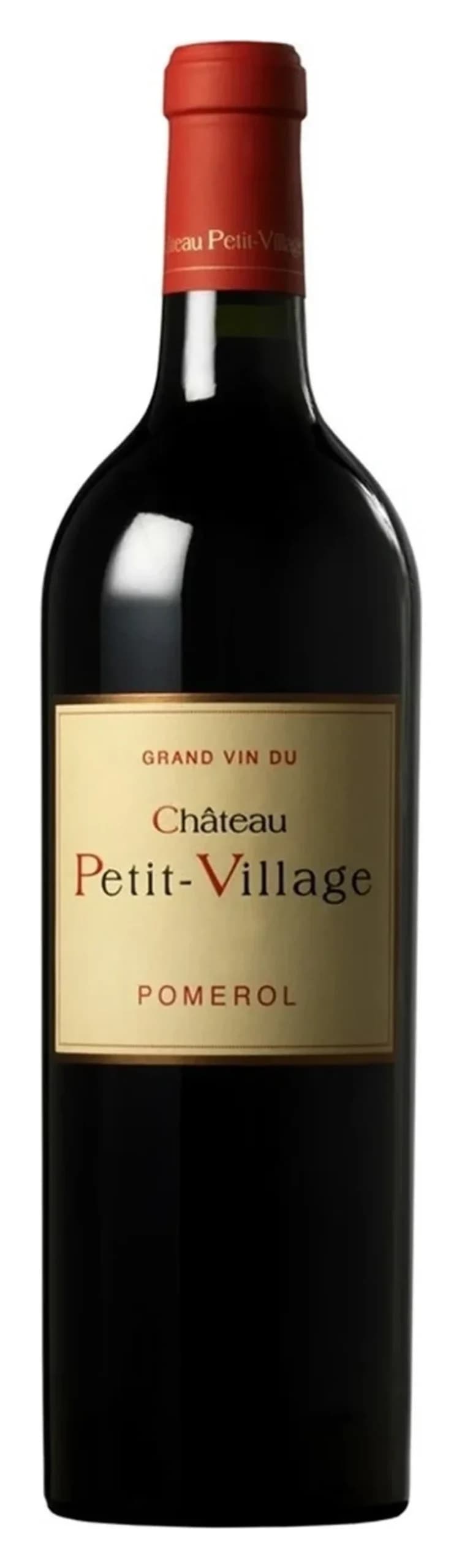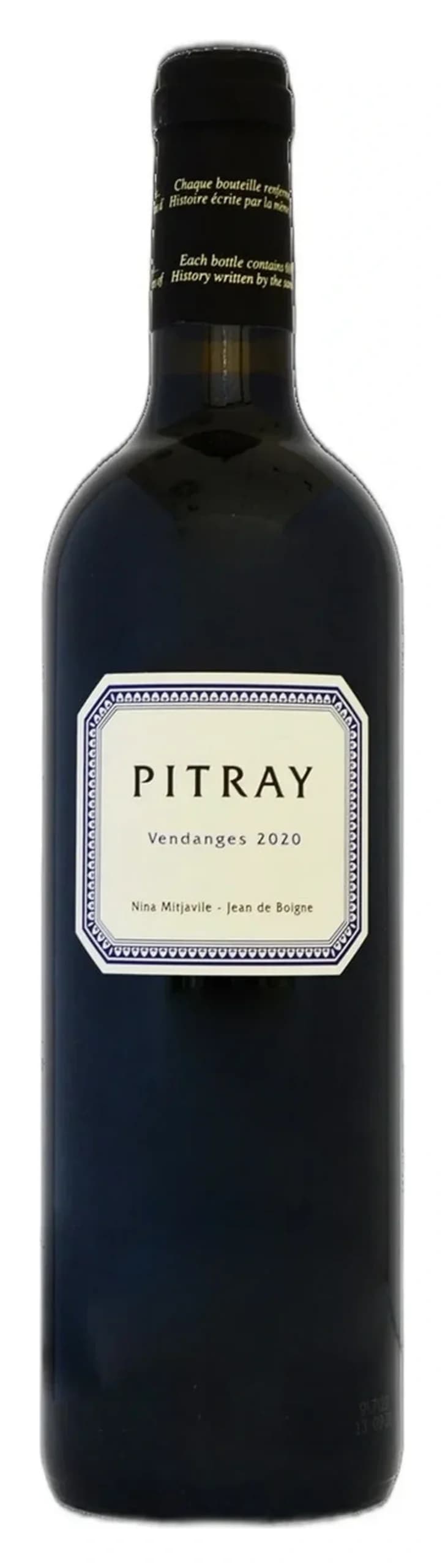
What is claret? Short answer: it’s the English word for red Bordeaux, nothing more mysterious than that. Claret means a red wine from the Bordeaux region of south-west France, typically a blend built around Cabernet Sauvignon and Merlot, and it’s a term the French barely used themselves until fairly recently — we more or less invented it on this side of the Channel. By the end of this you’ll know what’s actually in the bottle, why our great-grandparents called it that instead of something French-sounding, and how to pick one that suits a Tuesday roast rather than an occasion.
What kind of wine is claret?
Claret is dry, medium-bodied red wine from Bordeaux, usually a blend of Cabernet Sauvignon, Merlot and Cabernet Franc, sometimes topped up with a touch of Petit Verdot or Malbec. What colour is claret? Deep ruby to garnet, often close to blue-black in a young Cabernet-heavy bottle, softening toward brick at the rim after a decade or two in the cellar. It’s built around tannin and acidity rather than fruit sweetness — structure first, charm second.
The flavour shifts with where the grapes grow and how ripe the year was. A cooler vintage gives you blackcurrant and a streak of something almost herbaceous — bay leaf, pencil shavings, that sort of thing. A hot one pushes toward cooked blackberry and black plum, rounder and more generous. Left bank claret (Médoc, Graves) leans Cabernet Sauvignon and firmer tannin; right bank (Saint-Émilion, Pomerol) leans Merlot and arrives softer, sooner.
One oddity worth knowing: claret has never been one official wine. It’s a nickname, not an appellation. Curiously, the UK government does recognise it as a registered “traditional wine term” within the Bordeaux designation — officially describing a pale red wine, which is closer to claret’s medieval roots than to the deep, structured reds most of us mean by the word today. For the full regional map of appellations and communes, our Bordeaux without the intimidation: a merchant’s map goes into the detail this piece doesn’t have room for.
Why do Brits call Bordeaux claret?
We call it claret because of a marriage. In 1152, Henry Plantagenet — soon to be Henry II — married Eleanor of Aquitaine, and the Bordeaux region came under the English crown for the next three centuries. The wine being shipped over at the time was clairet: a light, short-fermented red, barely darker than a rosé, made from grape skins in contact with the juice for as little as a day or two. English drinkers anglicised the word, and “claret” stuck.
Here’s the twist: that original clairet was cheap and didn’t keep well, but the tariffs and trade routes England controlled made it the everyday drink of choice for a long time. It wasn’t posh at all — quite the opposite. The grander, darker, more structured style we associate with claret today only emerged in the second half of the 17th century, as winemaking techniques improved and longer skin contact became the norm. We kept the old name for a completely different wine. That happens more often in this trade than you’d think — labels are sticky, styles move on underneath them.
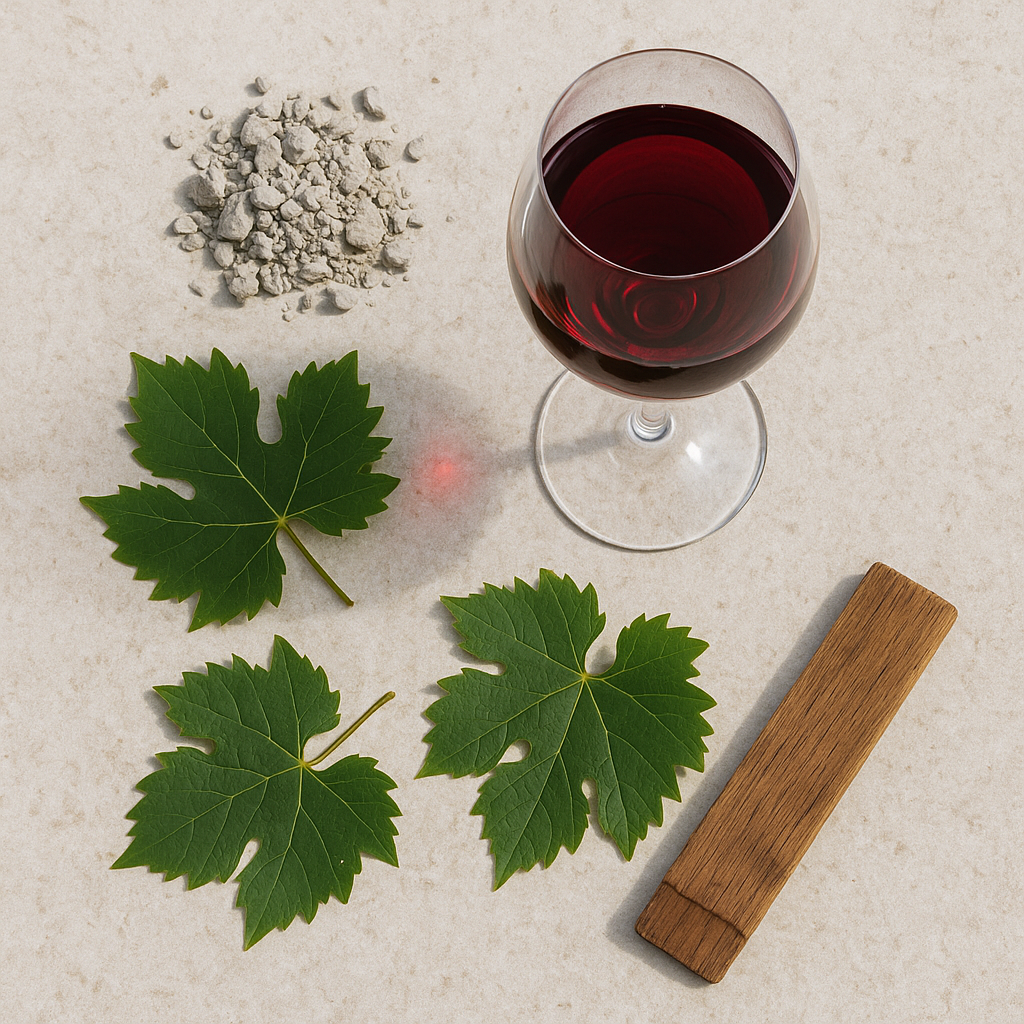
Is claret the same as burgundy?
No — different region, different grape, different idea entirely. Burgundy is red or white wine from Burgundy in east-central France, and the red version is Pinot Noir and essentially nothing else. Claret is Bordeaux, in the south-west, and it’s a blend rather than a single variety, built on Cabernet Sauvignon and Merlot rather than Pinot Noir.
I’ll admit the line has been blurrier than it should be, historically. In old Australian wine shows, “claret” and “burgundy” were sometimes used as loose style categories rather than places at all — heavier reds went in one class, lighter ones the other, no actual connection to France required. There’s a documented case of the same wine winning both classes in different years. It’s a mess, and rightly retired as a habit. If you want the grape-by-grape detail on what actually goes into a Bordeaux blend, our guide on what is a Bordeaux blend? The grapes behind the label is the natural next stop.
Is Malbec a claret?
Malbec can be part of a claret blend, but it’s a minor player, not the backbone. Classic red Bordeaux leans on Cabernet Sauvignon and Merlot, with Cabernet Franc as a regular supporting act; Malbec and Petit Verdot show up in small percentages, if at all, mostly for colour and a dab of spice. On its own, Malbec belongs to Cahors in south-west France, or to Argentina — not to a Bordeaux claret label.
Here’s the shape of a typical blend, roughly how each grape tends to behave:
| Grape | Typical role | What it brings |
|---|---|---|
| Cabernet Sauvignon | Lead grape, left bank | Blackcurrant, firm tannin, structure |
| Merlot | Lead grape, right bank | Plum, softness, earlier drinkability |
| Cabernet Franc | Supporting | Herbal lift, perfume, freshness |
| Petit Verdot | Minor addition | Deep colour, spice, backbone |
| Malbec | Minor addition | Dark fruit, a top-up of colour |
Outside France, a wine built this way often gets a different name entirely — in America it’s called Meritage, same idea, different label. Worth knowing if you’re browsing New World shelves and wondering why nobody says “claret” over there.
Getting the most out of a bottle
Trade coverage this past year has flagged something worth knowing before you buy: Bordeaux has formally approved a lighter, fresher claret style, meant to be drunk young and even served lightly chilled, around 8–12°C. It’s a direct response to warmer growing seasons pushing alcohol levels up — some reds now sitting near 15% — and a nod back to that original pale, easy-drinking clairet from the Middle Ages. If you see “claret” on a fresher, cheaper bottle from a recent vintage, this is probably why; it’s meant for a Tuesday, not a decade in the cellar.
Classic, fuller claret wants different treatment: proper room temperature (a genuinely cool room, not a centrally-heated one — 16–18°C is closer to the mark), a decent glass, and something on the plate with enough fat or savour to meet the tannin halfway. Roast lamb is the obvious match, but a good hard cheddar, game birds, or a simple beef stew earn their place just as well. If you want to know what separates a bottle worth ageing from one to drink this week without a second thought, how to buy wine like a merchant: labels, ratings and value covers exactly that judgement call. And if the grand cru prices put you off, second wines: how to drink a great château without the grand vin price is worth five minutes of your time.
Questions customers ask us
Is claret good wine? Impossible to answer in general — it’s as broad a question as asking if Chardonnay is good. Claret spans everyday bottles to some of the most sought-after wine on earth; the word tells you the style, not the quality tier.
Is claret exactly the same as red Bordeaux on a label? Yes, in practice. “Claret” is the informal English nickname; “red Bordeaux” is the correct wine term you’ll see on a shelf. Same liquid, different word depending on who’s talking.
Why has claret fallen out of fashion as a word? Trade opinion suggests it’s simply gone quiet through the 21st century as wine talk got more region-specific and less nostalgic — though it still surfaces in wine writing and among older drinkers who grew up with it.
Is claret always expensive? Not remotely. Most red Bordeaux sold is everyday drinking from the broader regional appellation, not the famous names — those account for a small slice of what the region actually produces.
The merchant’s last word
I sold claret for years without ever explaining what the word actually meant — just assumed everyone already knew, which was daft of me. It’s a lovely bit of history wrapped round a genuinely useful style of wine: structured, food-friendly, built to last if you want it to. Have a look through and see what suits your table — go on, browse the bordeaux cellar.