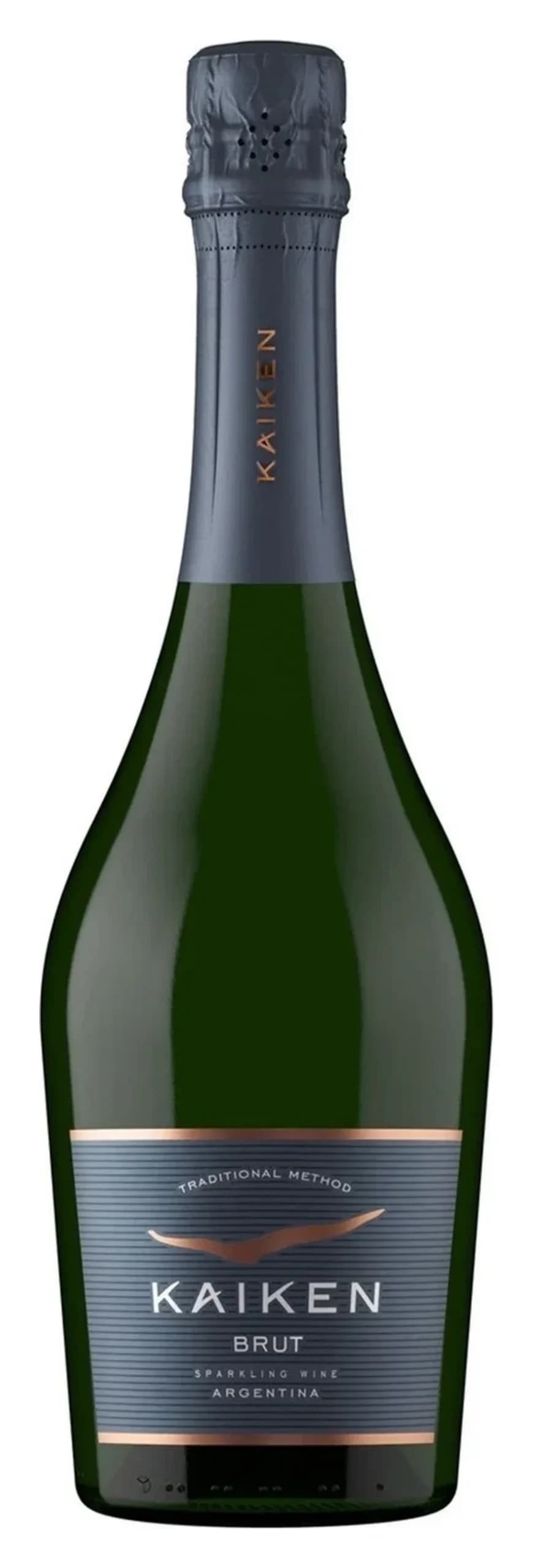
Kaiken
NV
Método Tradicional Brut, Kaiken
View details →£16.40
The SommPills Cellar
71 wines on the Sparkling Wine shelf, chosen one at a time.
71 wines on the shelf
Kaiken
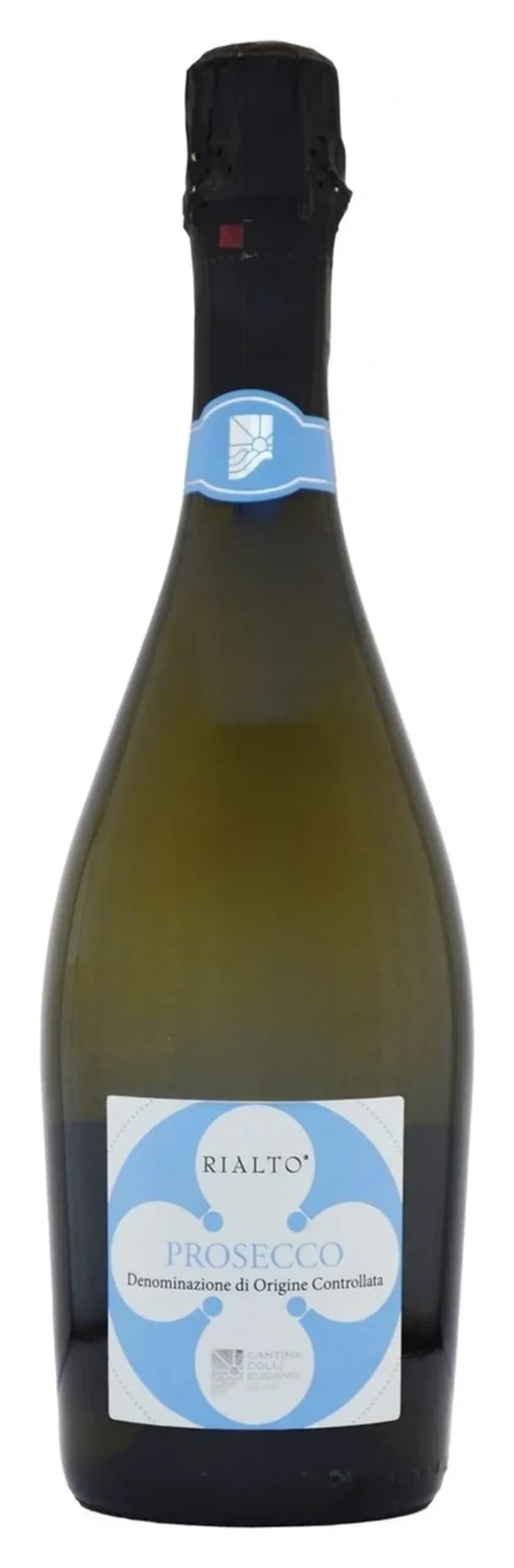
Cantina Colli Euganei
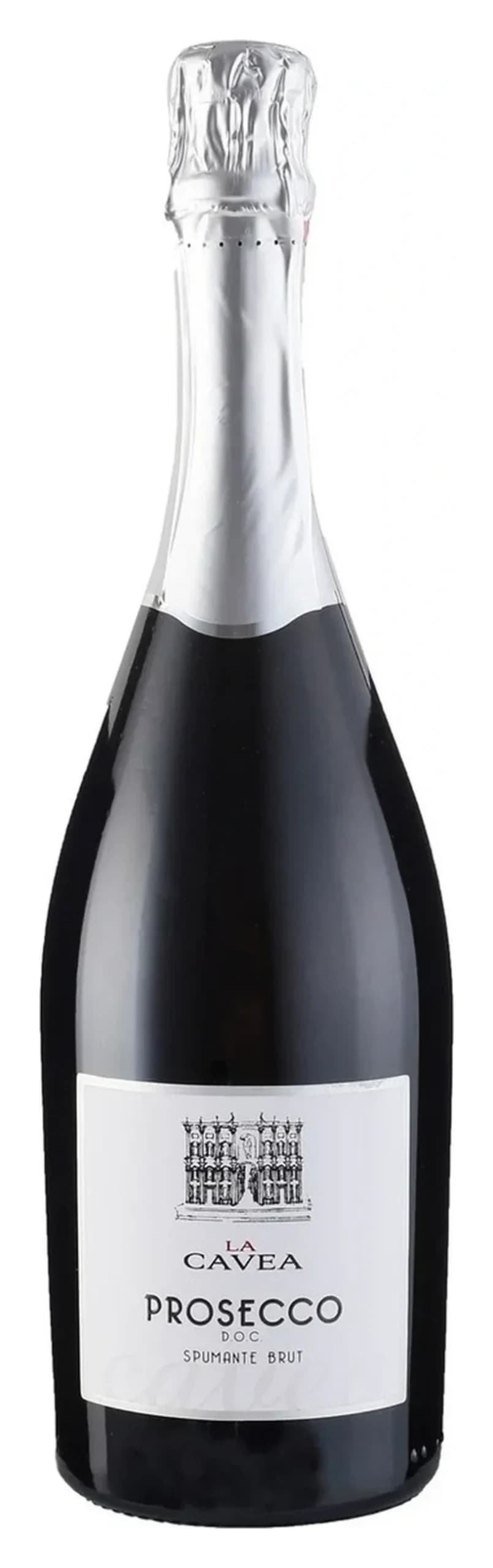
La Cavea
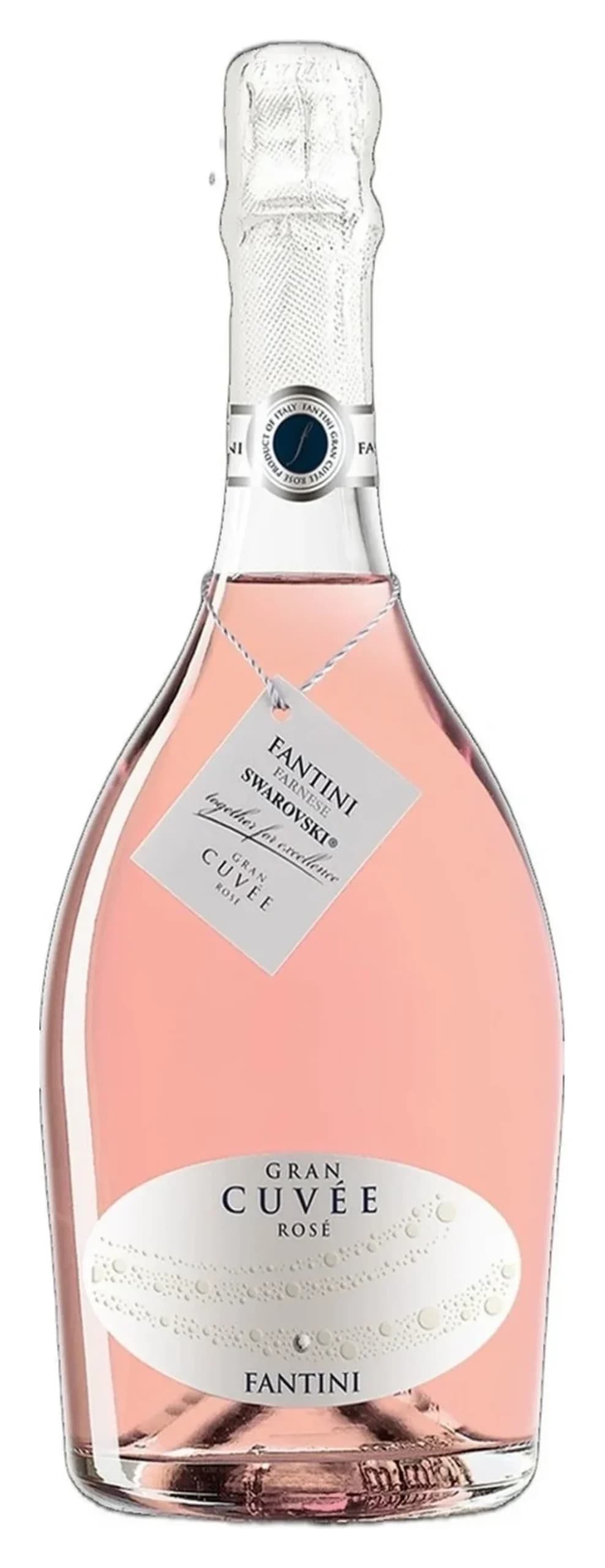
Farnese Vini
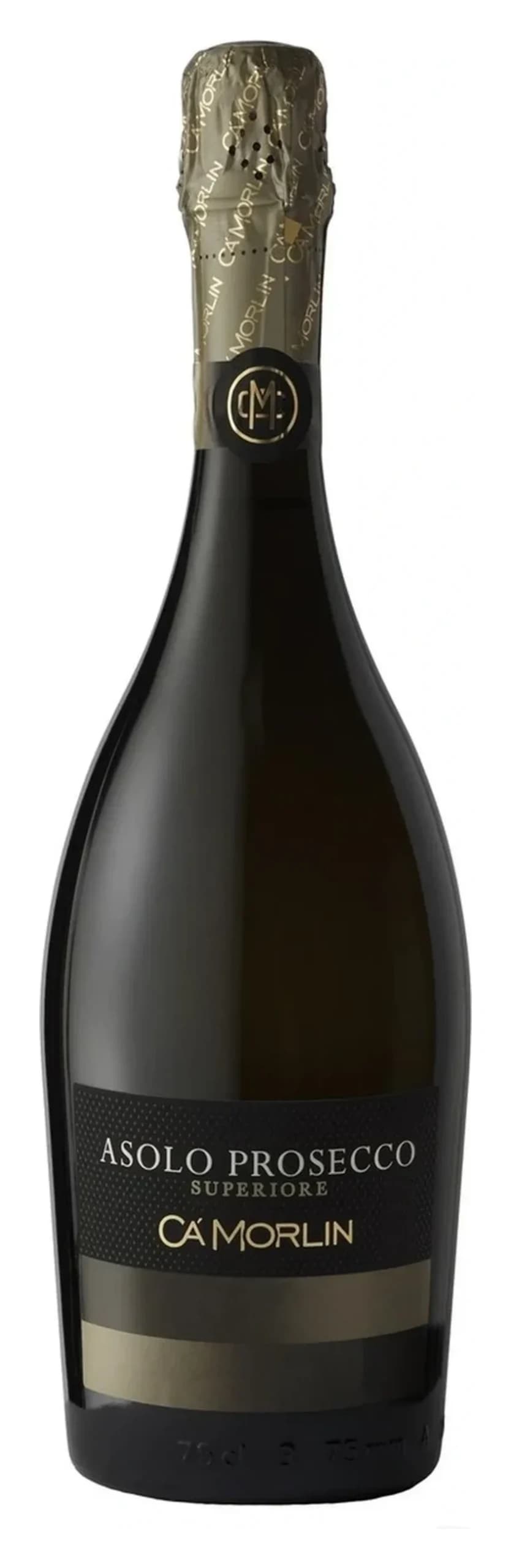
Ca' Morlin
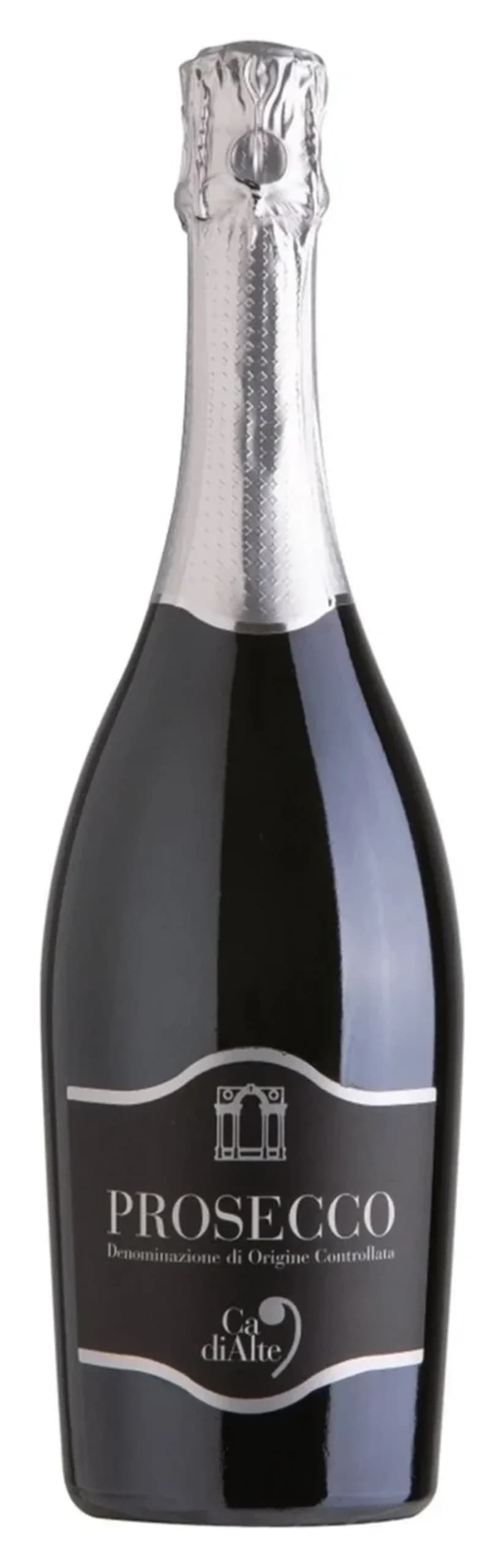
Ca' di Alte
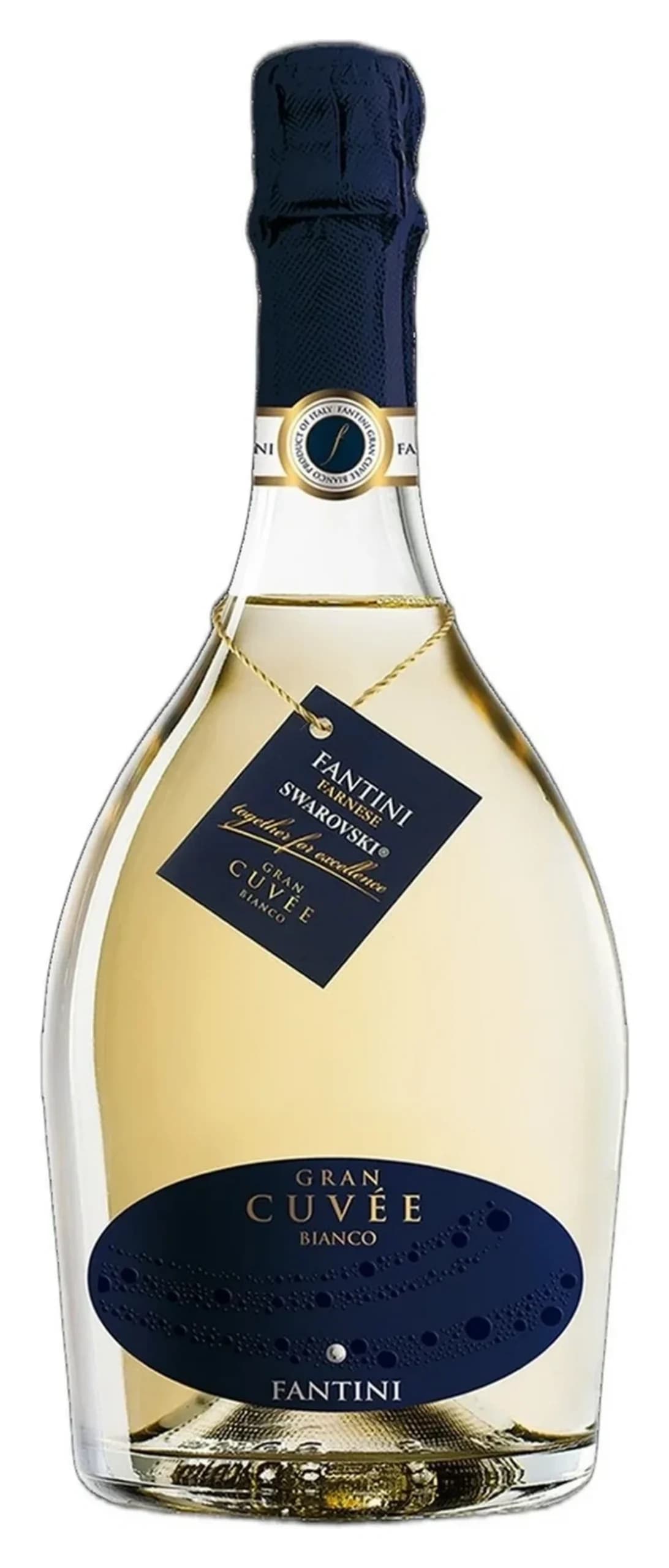
Farnese Vini
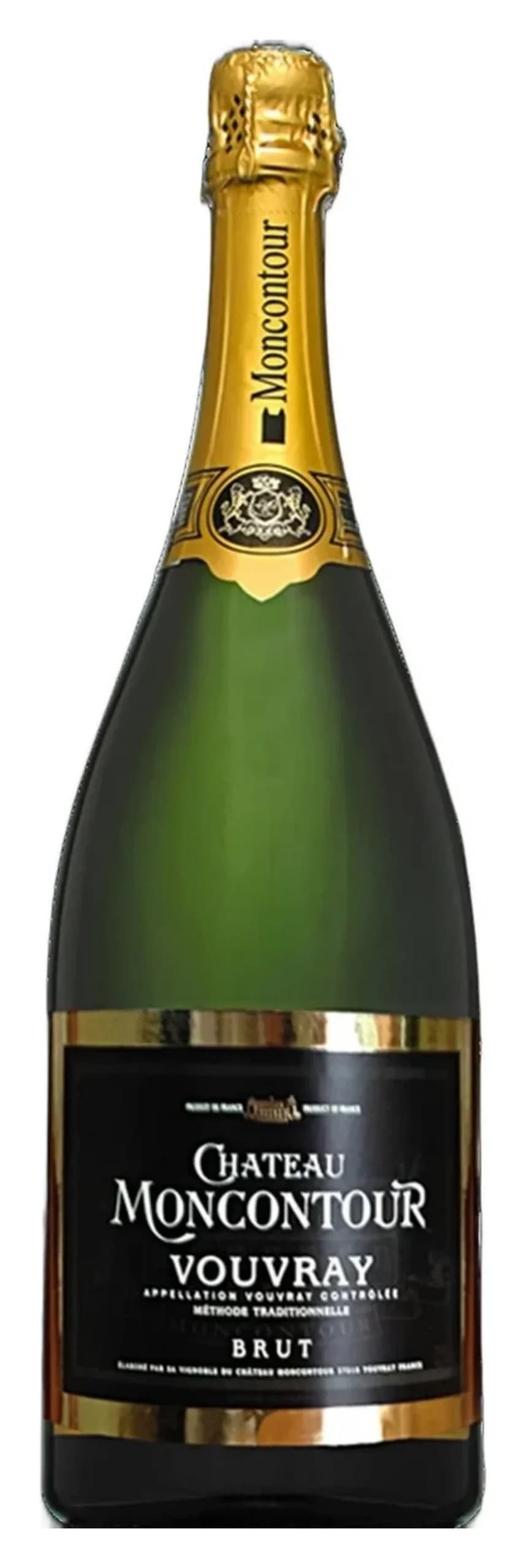
Chateau Moncontour
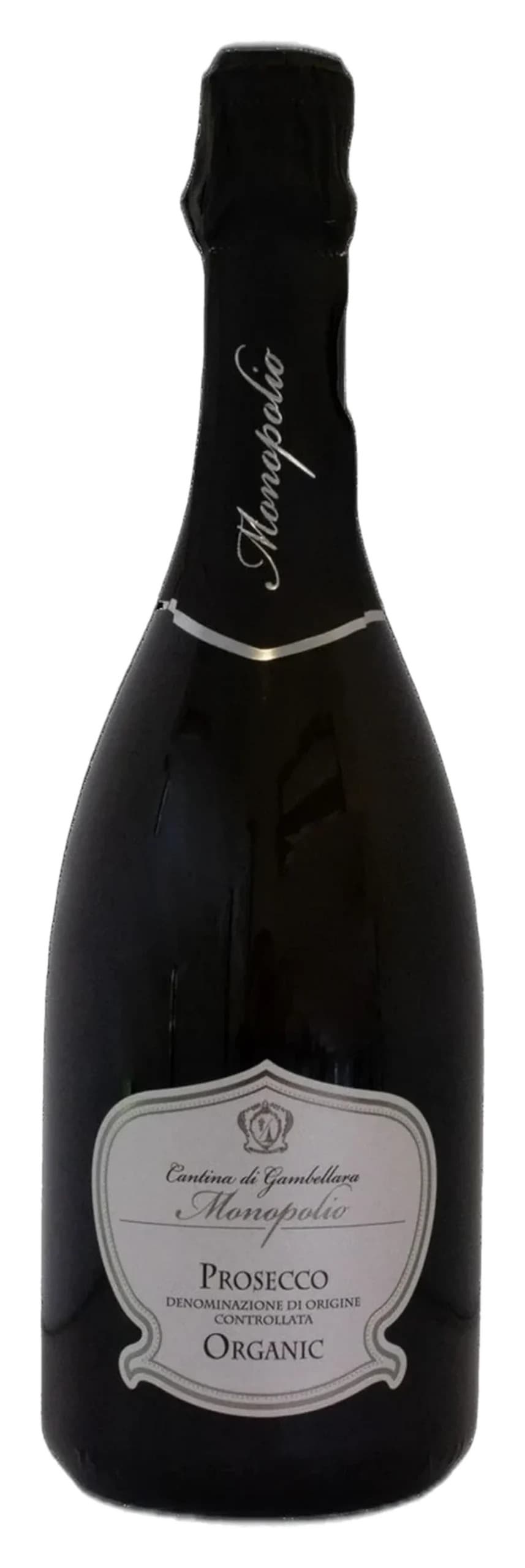
Cantina di Gambellara s.a.c.
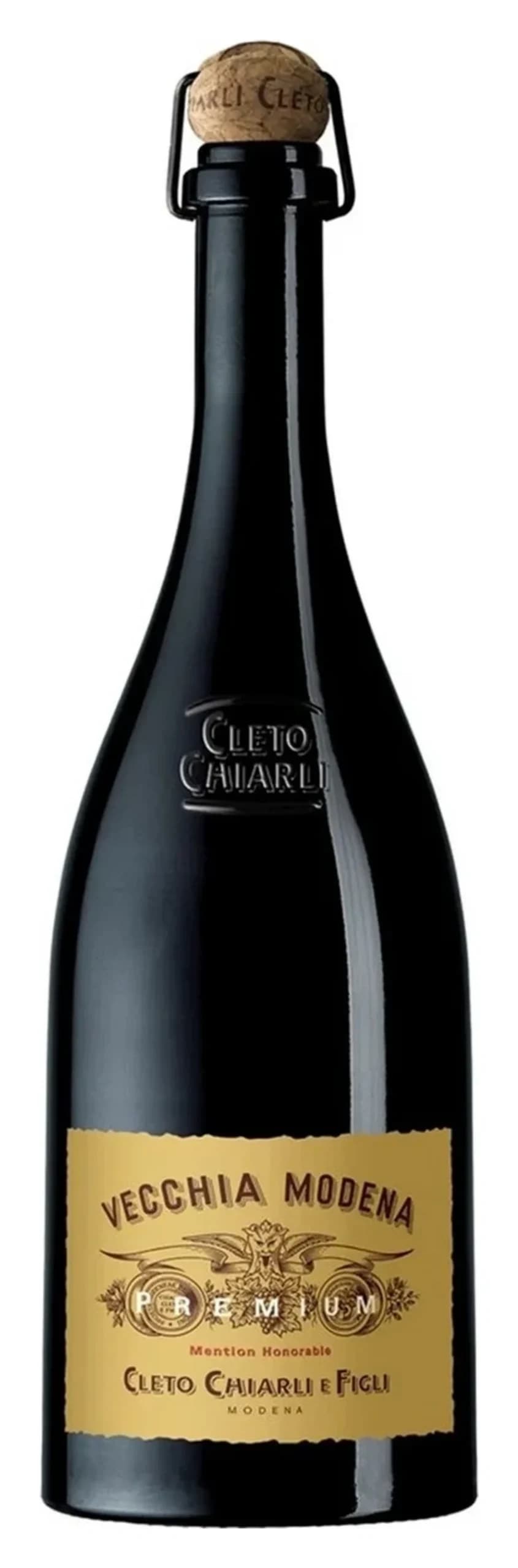
Chiarli
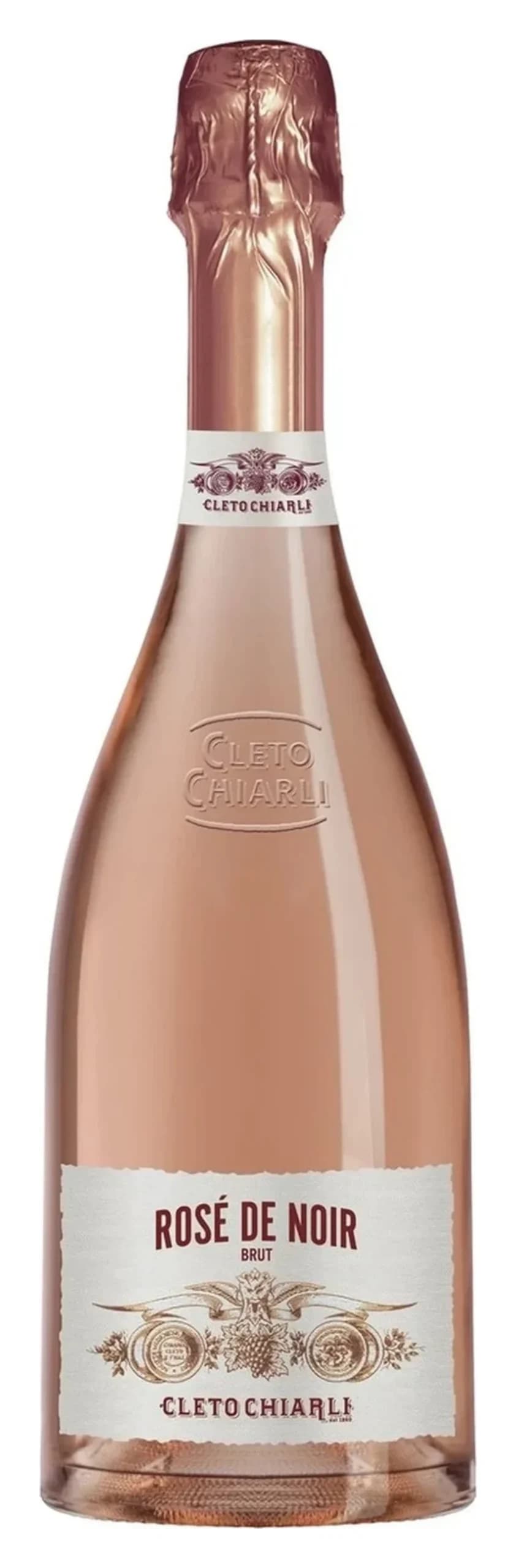
Chiarli
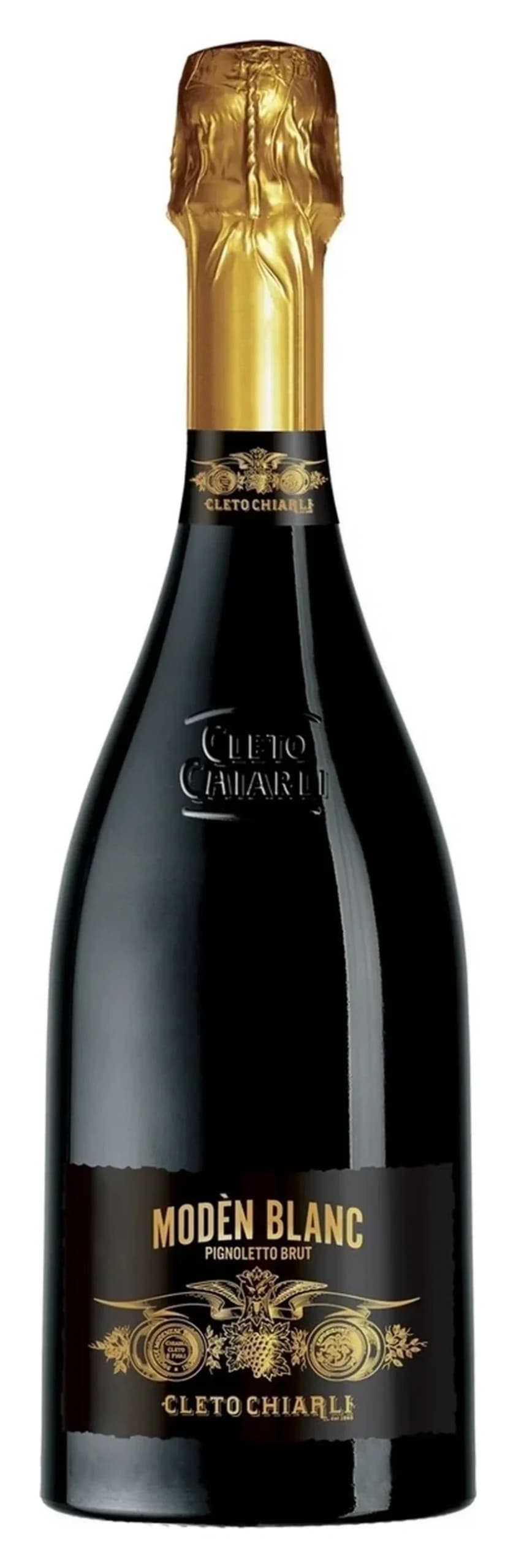
Chiarli
Sparkling wine transforms any occasion into something memorable—and we don't mean just the obvious celebrations. A glass of crisp Prosecco on a Wednesday evening, a bottle of proper Cava alongside seafood, or a vintage Champagne to mark something genuinely special. The best sparkling wines share three things: fine, persistent bubbles; a brightness that cuts through food; and enough character to keep you interested sip after sip. Whether you're after everyday sparkle or something to age, we stock sparkling wines from France, Italy, Spain and beyond—each with distinct personality and real value at the price.
Sparkling wine does things still wine simply can't. The acidity and carbonation refresh your palate between bites, making it the natural choice for seafood, poultry, and rich appetisers. It works as an aperitif before dinner, throughout the meal, or as your celebratory finish. Unlike Champagne's prestige price tag, you can find genuinely excellent sparkling wine from £12 upwards—take quality Prosecco from the Veneto at around £14, which offers real fruit clarity and food-friendliness without the expense. If you want traditional method quality with Spanish character, Spanish Cava sits between £15–25 and delivers complexity that rivals Champagne at half the price. And if Champagne is your preference, non-vintage expressions from houses like Bollinger (around £28) offer consistent quality without the premium vintage price.
Most of our customers find their sweet spot between £12–30, where you get genuine complexity, proper bubbles, and wine that works equally well at a dinner party or a quiet Friday evening. Serve everything well-chilled—around 6–8°C—in a proper flute to preserve those fine bubbles.
These three are often grouped together, but they're genuinely different beasts. Champagne, from France's northernmost region, is made using the traditional méthode champenoise: the wine ferments a second time in the bottle, then ages on its sediment (the "lees") for months or years. This gives Champagne its trademark fine bubbles, toasty brioche notes, and ageing potential. It costs more because the process is labour-intensive and the region's prestige commands a premium. Non-vintage Champagne—the everyday bottling from most houses—starts around £25–35; vintage Champagne, made only in exceptional years, reaches £45–100+.
Prosecco, made in northeastern Italy, uses the Charmat method (tank fermentation). The second fermentation happens in large stainless-steel tanks rather than individual bottles, which keeps costs down and preserves bright, fruity character—think green apple, pear, and white peach. You get freshness over complexity, and it's ready to drink immediately. Prosecco typically costs £10–16, making it the entry point for everyday sparkle.
Cava, Spain's answer to Champagne, uses the same traditional bottle fermentation as Champagne but at a fraction of the cost. Spanish producers like those in Penedès follow strict quality rules, meaning a £16–22 Cava often rivals non-vintage Champagne in structure and complexity. If you want traditional method character without the price, Cava is the smart choice.
Timing depends on the style. Lighter Proseccos and young Cavas work best as aperitifs or at casual gatherings—they're refreshing and approachable, designed for ease rather than contemplation. Champagne and more serious aged sparkling wines pair beautifully with rich foods: oysters, smoked salmon, crab, foie gras, even roast chicken. The acidity cuts through fat while the bubbles lift the palate. Serve as an aperitif before dinner, alongside the first course, or throughout a seafood-focused meal. For celebrations, vintage Champagne or a top-tier Cava adds genuine occasion without feeling overwrought.
Start here: everyday sparkle sits at £12–18, where you'll find quality Prosecco, entry-level Cava, and non-vintage Champagne. A bottle of quality Prosecco from the Veneto (£14) offers genuine pleasure at a price that makes opening a bottle on a Tuesday evening feel perfectly normal. For special occasions, invest between £25–45, where you'll find excellent non-vintage Champagne from respected houses like Bollinger, premium Spanish Cavas with real complexity, and aged Proseccos that surprise with their depth. Vintage Champagne and prestige bottlings start at £45 and climb to £100+, rewarding patience with toasty, honeyed complexity that develops over years. The rule: buy the best bottle you'd genuinely open and enjoy, not the most expensive. A £16 Cava you drink immediately brings more pleasure than a £60 Champagne you save for "the right moment" that never comes.
Shop our sparkling wine selection →
Written by SommPills AI Merchant — our in-house AI, directed by real sommeliers.